How to Treat Dogs With Urinary Tract Infection: Expert Tips
Senior Canine Nutritionist & Dog Behavior Specialist at Cozy Dog Go Wellness Lab

Seeing your furry friend in discomfort is never easy, especially when they can’t tell you what’s wrong. If you’ve noticed your dog frequently licking their urinary opening, having accidents in the house, or straining to urinate, they might be suffering from a urinary tract infection (UTI).
You are likely feeling worried and eager to find a solution. Understanding how to treat dogs with urinary tract infections is crucial for their health and your peace of mind. The good news? You’re not alone in this. Many dog owners have faced this challenge and found effective ways to help their pets recover.
By reading this guide, you’ll discover practical steps to alleviate your dog’s discomfort and prevent future issues, ensuring your pet remains happy and healthy. Are you ready to get started on improving your dog’s well-being today? Let’s dive into the essential information you need.
Recognizing Symptoms
Recognizing symptoms of a urinary tract infection (UTI) in your dog is crucial for timely treatment. Catching the early signs can make a significant difference in your pet’s recovery process. The more observant you are, the quicker you can act to ensure your furry friend receives the care they need.
Common Signs To Watch For
UTIs in dogs often come with noticeable signs. Increased frequency of urination is one of the most common indicators. If your dog is asking to go out more often or having accidents inside the house, it might be a red flag.
Pay attention to any signs of discomfort when your dog is urinating. If they whimper, strain, or appear to be in pain, it’s time to take action. A strong or unusual smell from your dog’s urine can also signal a UTI.
- Frequent urination
- Discomfort or pain during urination
- Unusual odor in urine
Behavioral Changes In Dogs
Behavioral changes can also be a clue. A once energetic dog might seem lethargic or less interested in play. This change in behavior could be due to discomfort or pain caused by the infection.
Notice if your dog is excessively licking their genital area. This behavior is often a response to irritation or discomfort. Is your dog more irritable than usual? That could be another sign to consider.
- Lethargy or reduced energy levels
- Excessive licking of the genital area
- Increased irritability
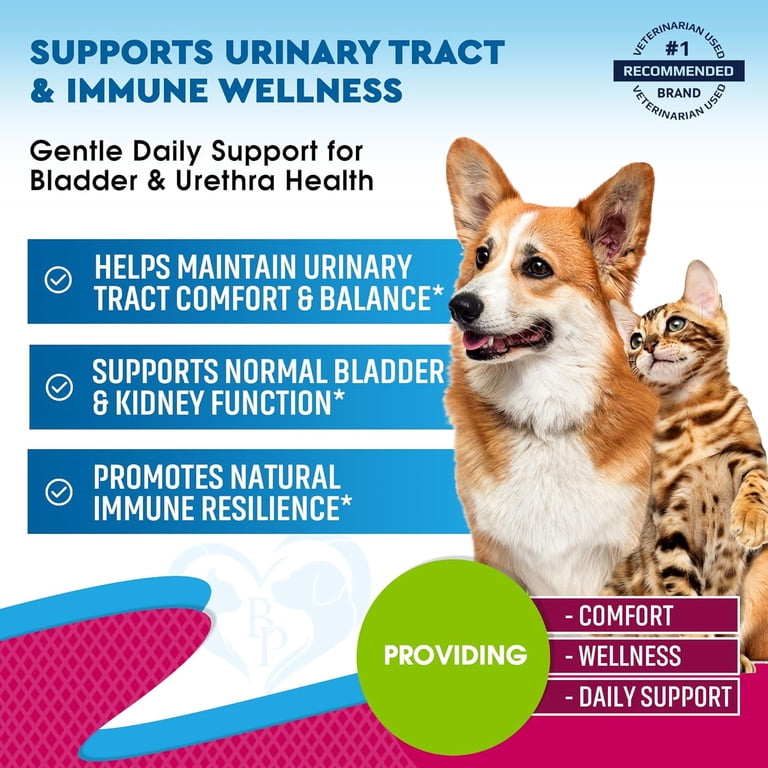
Have you noticed any of these symptoms in your dog recently? Early detection is key, so if you suspect a UTI, consult your vet promptly. Your vigilance can make all the difference in your pet’s health and happiness.
Credit: www.walmart.com
Veterinary Diagnosis
Discovering that your beloved dog might have a urinary tract infection (UTI) can be distressing. However, the path to recovery begins with a precise veterinary diagnosis. This process is crucial to understanding the root of the problem and ensuring your pet receives the right treatment. Let’s dive into what the veterinary diagnosis entails, so you can be well-prepared for the next steps in your dog’s care.
Diagnostic Tests
When you take your dog to the vet suspecting a UTI, several diagnostic tests may be conducted. The most common include urinalysis, urine culture, and blood tests.
- Urinalysis:This test checks for the presence of bacteria, white blood cells, and crystals in your dog’s urine. It’s a standard procedure that helps identify infections and other urinary issues.
- Urine Culture:If the urinalysis shows signs of infection, a urine culture can pinpoint the specific bacteria causing the problem. This information is vital for selecting the most effective antibiotic.
- Blood Tests:These can reveal if the infection has affected your dog’s kidneys or if there are other underlying conditions contributing to the UTI.
Each test plays a unique role in forming a complete picture of your dog’s health. Have you ever wondered how each contributes to finding the best treatment plan?
Understanding Test Results
Once the tests are complete, understanding the results is key. A positive result on a urinalysis might indicate the presence of bacteria, suggesting an infection. But it’s the urine culture that confirms the specific type of bacteria.
This precision allows your vet to prescribe antibiotics that target the exact bacteria causing the UTI. Blood tests can reveal more about how your dog’s body is coping with the infection, ensuring other health aspects are not overlooked.
Understanding these results helps you actively engage in your dog’s treatment plan. Are you ready to ask your vet questions about the findings and what they mean for your furry friend?
Remember, the right diagnosis opens the door to effective treatment, paving the way for your dog’s speedy recovery and return to their playful self.
Treatment Options
Treating dogs with urinary tract infections involves antibiotics prescribed by a vet. Ensure they drink plenty of water. Regular vet check-ups help monitor recovery and prevent future issues.
When your beloved dog is diagnosed with a urinary tract infection (UTI), it’s natural to feel concerned about their well-being. Understanding the available treatment options can ease your worries and help your furry friend recover quickly. Let’s explore the different ways to treat a dog’s UTI, ensuring they return to their playful selves in no time.
Medications And Prescriptions
Antibiotics are often the first line of defense against UTIs in dogs. Your veterinarian will prescribe antibiotics that target the specific bacteria causing the infection. It’s crucial to follow the vet’s instructions and complete the full course of medication, even if your dog appears to be better. Pain relief might also be provided if your dog shows signs of discomfort. Ask your vet about the best options, as some over-the-counter medications for humans can be harmful to dogs. Remember, your vet is your best resource, so keep them informed about any concerns or side effects.
Home Remedies And Supplements
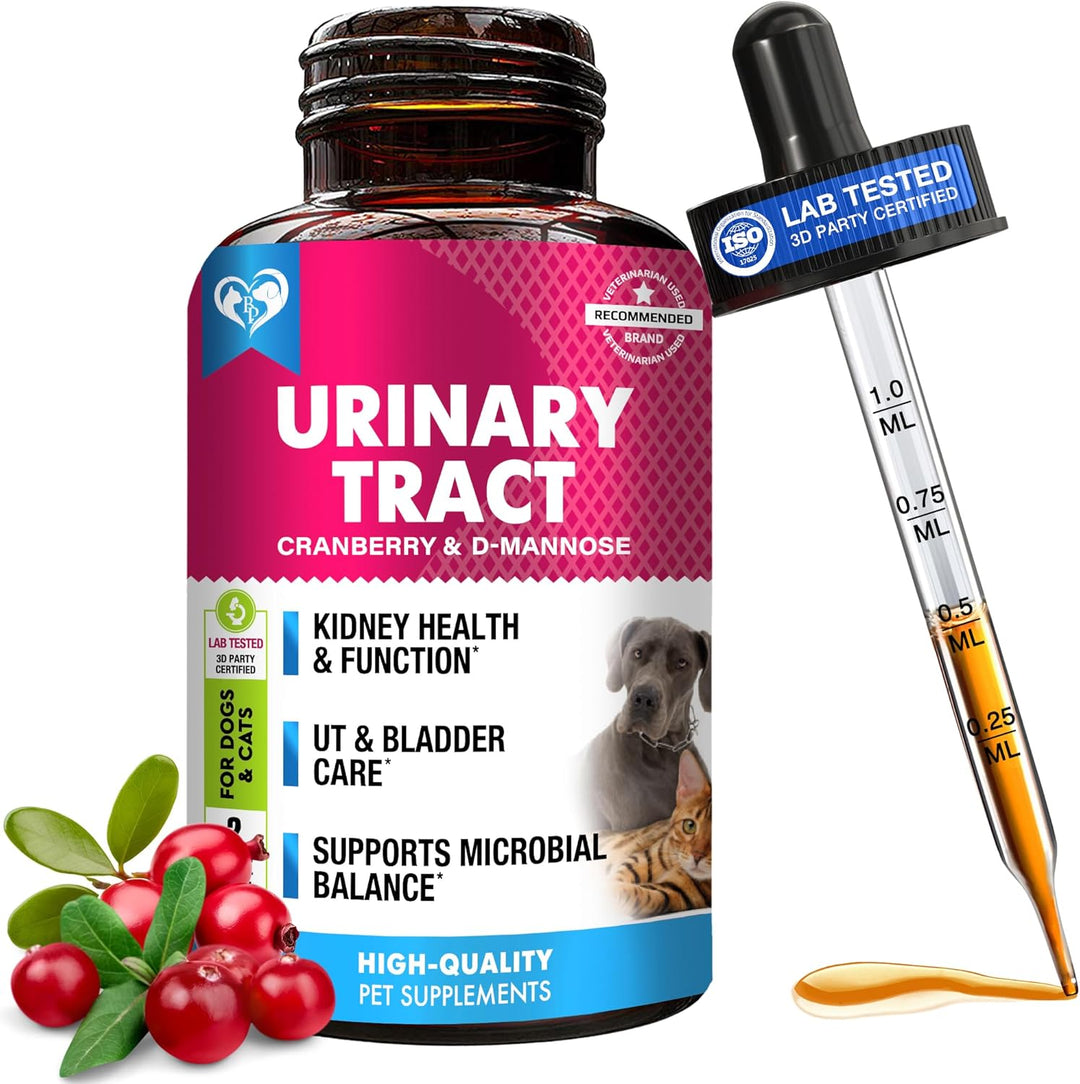
While medications are critical, home remedies can support your dog’s recovery. Ensuring your dog drinks plenty of water helps flush out bacteria. Encourage hydration by adding ice cubes to their water bowl or offering broth if they aren’t drinking enough. Cranberry supplements may prevent bacteria from sticking to the bladder wall. However, consult your vet before introducing any supplements to ensure they’re safe and effective for your dog’s specific condition. Consider probiotics to promote a healthy gut flora, which can aid in overall health and recovery. You can find probiotic supplements designed for dogs at pet stores or online. Always choose products specifically formulated for dogs and follow the dosage instructions carefully. Have you ever tried natural remedies for your dog? Which did you find most effective? Share your experiences in the comments below!
Credit: www.chewy.com
Dietary Adjustments
Adjusting your dog’s diet can help treat urinary tract infections. Increase water intake to flush out bacteria. Incorporate wet food and high-moisture ingredients, aiding hydration and reducing infection risk.
Dietary adjustments can play a crucial role in helping your dog recover from a urinary tract infection (UTI). By carefully selecting the right foods and ensuring proper hydration, you can support their healing process effectively. These changes not only promote recovery but also help prevent future infections.
Foods That Support Recovery
Including foods that are rich in antioxidants and vitamins can boost your dog’s immune system. Consider adding fresh fruits like blueberries or cranberries to their diet. These fruits are known for their urinary health benefits and can be a tasty addition to their meals. Lean proteins such as chicken or turkey can provide essential nutrients without overloading their system. It’s important to avoid foods with high levels of magnesium and phosphorus, which can exacerbate UTI symptoms. Always consult your veterinarian before making significant dietary changes.
Hydration Importance
Keeping your dog well-hydrated is vital when they have a UTI. Water helps flush out bacteria from the urinary tract, speeding up recovery. Make sure your dog has access to fresh, clean water at all times. Have you ever noticed your dog not drinking enough water? Try adding a little low-sodium chicken broth to their water bowl to encourage them to drink more. Remember, adequate hydration is not just about quantity but also about ensuring your dog drinks consistently throughout the day. Engaging with your dog during meal and hydration times can make these dietary adjustments more enjoyable for them. Observing their habits and preferences can lead to better health outcomes and a happier pet.
Preventive Measures
Preventing urinary tract infections in dogs is crucial for their health. These infections can cause discomfort and lead to more serious issues. By implementing preventive measures, you can help keep your furry friend healthy and happy.
Routine Health Checks
Regular vet visits are essential for detecting issues early. Schedule annual check-ups to monitor your dog’s health. During these visits, the vet can perform urine tests to check for infections. Early detection allows for timely treatment, reducing complications.
Keep a record of any symptoms your dog shows. Share these with your vet during visits. Consistent health monitoring helps in preventing infections.
Lifestyle Changes For Prevention
Ensure your dog has access to fresh water at all times. Proper hydration is key in flushing out bacteria. Encourage your dog to drink regularly throughout the day.
A balanced diet strengthens your dog’s immune system. Feed your dog high-quality food that meets their nutritional needs. Avoid foods that may cause allergies or digestive issues.
- Provide regular exercise to maintain a healthy weight.
- Keep your dog’s living area clean and dry.
- Ensure your dog has regular bathroom breaks.
These lifestyle changes can significantly reduce the risk of infections. Implementing them creates a healthy environment for your dog.
When To Seek Professional Help
Persistent symptoms like frequent urination, blood in urine, or pain signal a need for professional help. Early treatment prevents complications and ensures your dog’s swift recovery.
When your beloved dog is battling a urinary tract infection (UTI), it’s natural to want to provide all the comfort and care possible. However, there comes a time when professional intervention becomes essential. Knowing when to seek veterinary help can make a significant difference in your pet’s recovery and overall health. Understanding the critical signs of complications and recognizing emergency situations can be lifesaving.
Signs Of Complications
UTIs can sometimes mask more severe issues. If your dog starts showing unusual symptoms, it’s time to pay attention. Persistent fever, blood in the urine, or a strong odor are red flags. Notice any changes in your dog’s behavior, like lethargy or loss of appetite? These may indicate that the infection is worsening. You know your pet best; trust your instincts when something feels off.
Emergency Situations
Certain situations demand immediate veterinary attention. If your dog is unable to urinate or is straining excessively, rush to the vet. This could indicate a blockage, which is a medical emergency. Severe pain, vomiting, or signs of distress should also prompt an urgent visit. Remember, acting swiftly can prevent complications and ensure your furry friend gets the care they need. When was the last time you trusted your gut feeling and it turned out to be the right decision? In the case of your dog’s health, erring on the side of caution is always wise. Your vigilance could be the key to their speedy recovery.
Credit: belovedpets.com
Frequently Asked Questions
What Are The Symptoms Of Uti In Dogs?
Common symptoms of a UTI in dogs include frequent urination, straining to urinate, and blood in urine. Dogs may also lick their genital area excessively and have accidents indoors. If you notice these signs, consult a veterinarian promptly for diagnosis and treatment.
Can Diet Help Treat Dog Utis?
Diet plays a crucial role in managing UTIs. Feeding your dog a balanced diet with proper hydration can help. Some veterinarians recommend diets with specific nutrients to support urinary health. Always consult your vet before making dietary changes to ensure it’s suitable for your dog’s needs.
How Is A Dog’s Uti Diagnosed?
A veterinarian diagnoses a dog’s UTI through a urinalysis and possibly a urine culture. These tests identify bacteria and determine the best antibiotic treatment. Prompt diagnosis and treatment help prevent complications. Regular veterinary check-ups can also help in early detection of urinary tract issues.
Are There Home Remedies For Dog Utis?
While some suggest cranberry supplements or apple cider vinegar, home remedies should be used cautiously. They can complement professional treatment but shouldn’t replace veterinary care. Always consult your vet before trying home remedies to ensure they are safe and effective for your dog.
Conclusion
Treating dogs with urinary tract infections requires care and attention. Quick action helps relieve discomfort and prevents complications. Regular vet check-ups ensure your dog’s health stays on track. Home remedies can aid recovery but consult your vet first. Balanced diet and hydration play vital roles in prevention.
Notice changes in behavior or bathroom habits promptly. Early detection makes treatment easier and more effective. Love and patience go a long way in healing. Keep your furry friend happy and healthy with proper care. Always prioritize your dog’s well-being for a joyful companionship.

Similar Posts






















[…] the crate inviting for your dog. Place soft bedding inside. Add a few favorite toys. Offer treats when your dog enters the crate. This builds a positive connection. Praise your dog for exploring the crate. Use a […]
[…] Use a gentle brush to ease your dog into the process. Begin with short sessions, rewarding your dog with treats for calm […]