Imagine this: You’re lounging at home, and your furry friend nudges your hand with its nose, begging for some attention. As you reach down to pet your dog, you realize its coat could use a little TLC.
You’ve probably heard that regular brushing is essential, but do you know how to do it effectively? Brushing your dog is not just about keeping its coat shiny; it’s a crucial step in maintaining its overall health and happiness. Done correctly, it can strengthen your bond, reduce shedding, and even help you spot any potential health issues early.
But knowing where to start can be overwhelming. This guide is here to help you master the art of dog brushing, making it an enjoyable experience for both you and your pet. You’ll discover simple techniques, understand what tools you’ll need, and learn how to make this routine a natural part of your lives. Keep reading to ensure that your dog feels pampered and looks its best.
Choosing The Right Brush
Choosing the right brush for your dog is crucial. It ensures their coat stays healthy and shiny. The wrong brush can irritate their skin or damage their fur. A well-chosen brush makes grooming a pleasant experience for both you and your pet.
Types Of Brushes
Different brushes serve different purposes. Here are some common types:
- Bristle Brush:Great for all coat types. It removes loose hair and dirt.
- Slicker Brush:Ideal for removing mats and tangles in long-haired breeds.
- Pin Brush:Best for medium to long-haired dogs. Gentle on the coat.
- Undercoat Rake:Designed for dogs with thick undercoats. It removes loose undercoat hair.
Selecting Based On Coat Type
Each dog has a unique coat type. Choose a brush that complements it.
- Short Coat:Use a bristle brush. It helps distribute natural oils.
- Long Coat:Opt for a slicker or pin brush. It prevents tangles.
- Double Coat:An undercoat rake works best. It manages shedding effectively.
- Curly Coat:A slicker brush is suitable. It maintains curl definition.
Understanding your dog’s coat type helps you select the best brush. This ensures a comfortable grooming session every time.
Preparing Your Dog
Start by choosing a quiet place for brushing. Use a gentle brush to ease your dog into the process. Begin with short sessions, rewarding your dog with treats for calm behavior.
Preparing Your Dog Before you grab the brush, it’s essential to prepare your dog for a grooming session. This can make the process smoother and more enjoyable for both of you. It’s about setting the right tone and having everything ready to go.
Creating A Calm Environment
Your dog can sense your mood, so start by staying relaxed yourself. Choose a quiet room where distractions are minimal. Consider playing soft music to soothe your dog—it’s a trick that works surprisingly well. Sometimes a favorite toy or blanket can provide comfort. Remember, your goal is to make your dog feel safe and secure. When your dog feels calm, brushing becomes a bonding experience.
Gathering Necessary Supplies
Have all your tools ready before you start brushing. You’ll need a brush suitable for your dog’s coat type, a comb, and maybe some detangling spray. Keep everything within reach to avoid leaving your dog unattended. A few treats can also be handy to reward good behavior. Being prepared helps you stay focused and efficient. Plus, it shows your dog that grooming is a positive experience.
Brushing Techniques
Brushing your dog is not just about keeping their coat looking nice; it’s an essential part of their overall health. Effective brushing techniques can prevent mats, reduce shedding, and even help identify health issues early. Whether your dog has a short coat or a longer, fluffier one, mastering the right brushing techniques is crucial.
Starting With The Head
Begin the brushing session by focusing on your dog’s head. Use a gentle brush to avoid discomfort, especially around sensitive areas like the ears and face. Make sure to brush in the direction of hair growth.
Pay attention to your dog’s reactions. If they seem uneasy, use a softer brush or a comb with wider teeth. This part of the grooming process is also an opportunity to check for any signs of irritation or ticks.
Working Through The Body
Once the head is done, gradually work your way down the body. Divide the coat into sections for easier handling and brush each section thoroughly. Consistency is key, so ensure you cover all areas evenly.
For dogs with thicker coats, a slicker brush can help remove loose hair and dirt. Don’t rush this part; take your time to feel for any knots or tangles that might need extra attention.
Focusing On Trouble Spots
Certain areas, like the belly and behind the ears, are prone to tangling and matting. These trouble spots need extra care. Use a detangling spray if necessary and work through knots gently to avoid pulling.
Spotting these areas early can save time and discomfort for your dog. Is there a spot your dog particularly dislikes? Perhaps it’s a clue to pay more attention during regular grooming sessions. This focused approach ensures your dog stays comfortable and their coat remains healthy.
Dealing With Tangles
Tangles in a dog’s fur can cause discomfort. They need gentle handling to prevent pain and further knotting. Regular grooming helps manage these tangles, keeping your dog’s coat healthy. The right tools and techniques make a big difference.
Using Detangling Spray
Detangling spray softens the fur, making brushing easier. Look for sprays made for dogs. Avoid human hair products, as they can irritate. Spray lightly on the tangled areas. Let it sit for a few minutes. This allows the spray to work its magic.
Brush gently through the tangles. Start from the ends and work toward the roots. This reduces pulling and pain. Use a wide-tooth comb for stubborn knots. Be patient. Rushing can hurt your dog and make tangles worse.
Gentle Methods To Avoid Pain
Hold the fur near the tangle to minimize pulling. This reduces tension on the skin. Use your fingers to loosen larger knots. This technique is gentle and effective. For tighter knots, use a mat splitter or dematting tool. These tools are designed to cut through knots safely.
Always be calm and reassuring. Speak softly to your dog during grooming. This helps them stay relaxed. Reward them with treats and praise. Positive reinforcement makes future grooming sessions easier.
Maintaining A Shiny Coat
Maintaining a shiny coat for your dog is key to their overall health. A well-maintained coat not only looks beautiful but also indicates a healthy skin underneath. Regular care can prevent tangles and mats, which can cause discomfort and even infections. Brushing is essential in this process, but it needs to be complemented by other practices. Let’s dive into how to keep your dog’s coat gleaming.
Regular Brushing Schedule
Consistency is crucial for a shiny coat. Create a brushing schedule that fits your dog’s needs. Most dogs benefit from weekly brushing sessions. Long-haired breeds might need daily brushing to prevent tangles. Short-haired breeds can be brushed less frequently, like once a week.
Using the right tools makes a big difference. Choose brushes that suit your dog’s hair type. Slicker brushes work well for long-haired dogs. Bristle brushes are ideal for short-haired breeds. Regular brushing removes dirt and loose hair, enhancing coat shine.
Incorporating Healthy Diet
A balanced diet contributes to a shiny coat. High-quality food contains essential nutrients like omega fatty acids. These nutrients promote healthy skin and coat. Include foods rich in omega-3 and omega-6 fatty acids.
Consider adding supplements to your dog’s diet. Fish oil supplements are popular for boosting coat health. Always consult a vet before starting supplements. Proper hydration is also vital. Encourage your dog to drink enough water daily.

Credit: www.instagram.com
Common Mistakes
Brushing your dog is an essential part of maintaining their health and appearance. However, many pet owners unknowingly make mistakes during this routine task. These common errors can lead to discomfort for your pet or even damage to their coat and skin. Let’s explore some of these pitfalls and how to avoid them.
Avoiding Over-brushing
It’s easy to think that more brushing is better, but that’s not always true. Over-brushing can irritate your dog’s skin and damage their coat, especially if they have sensitive skin. Aim for a balanced routine by brushing your dog according to their breed’s specific needs.
Consider how often you brush your own hair. Excessive brushing can lead to split ends and breakage, and it’s no different for dogs. Pay attention to your dog’s signals; if they seem uncomfortable or restless, it might be time to ease up.
Using Incorrect Tools
Choosing the right brush for your dog’s coat type is crucial. Using the wrong tool can be as ineffective as brushing with a hairbrush meant for humans. For instance, a slicker brush is great for removing tangles in long-haired breeds, while a bristle brush suits short-haired dogs.
Think about the difference between a toothbrush and a hairbrush. Each serves a specific purpose, and using the wrong one would yield poor results. Ensure that your grooming toolkit is well-suited to your dog’s unique needs to make each brushing session effective and pleasant.
Are you using the right tools for your dog’s grooming needs? Taking the time to assess your current approach can make a world of difference in maintaining your dog’s coat health.
When To Seek Professional Help
If your dog’s fur is tangled or matted, professional help is advisable. Dogs with sensitive skin may need expert brushing. Seek assistance if brushing causes distress or discomfort to your dog.
Brushing your dog at home can be a rewarding experience, but sometimes you may encounter situations that require professional help. Knowing when to seek expert assistance can make a big difference in your dog’s health and comfort. Let’s explore some signs that indicate it’s time to consult a professional groomer or veterinarian.
Signs Of Skin Issues
It’s essential to keep an eye out for any unusual signs on your dog’s skin during brushing. Redness, bumps, or unusual odors can indicate underlying skin issues that need attention. If you notice your dog scratching more than usual or if they seem uncomfortable, it might be a sign of an allergy or infection. A professional groomer can identify these issues early on and provide guidance. They have the tools and knowledge to handle sensitive skin conditions. Don’t wait until the problem worsens; early intervention can prevent complications.
Benefits Of Professional Grooming
Professional grooming offers more than just a clean coat. Groomers are trained to spot potential health issues that you might miss. They can provide specialized treatments for matted fur or delicate skin conditions. Regular visits to a groomer can also help maintain your dog’s nails, ears, and teeth. This comprehensive care can enhance your dog’s overall well-being and happiness. Plus, it’s a great opportunity for your dog to socialize and get used to being handled by others. Have you ever wondered if you’re doing enough for your dog’s grooming routine? Consulting a professional can provide peace of mind and ensure your furry friend is in the best possible condition.
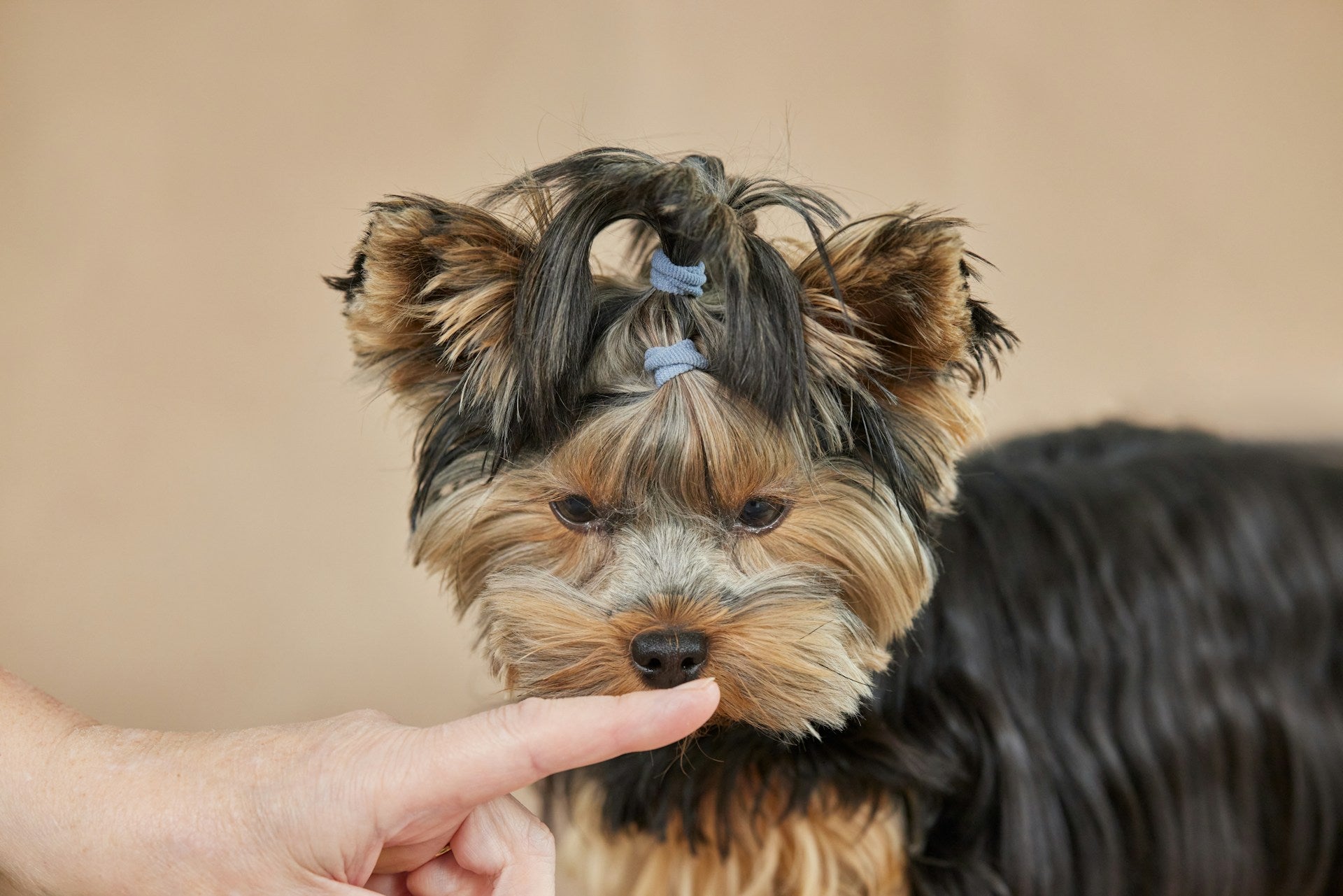
Credit: tryfurgo.com

Credit: dogtrotting.net
Frequently Asked Questions
How Often Should You Brush Your Dog?
Brushing frequency depends on your dog’s breed and coat type. Generally, brushing 2-3 times a week is ideal. Dogs with longer hair may need daily brushing to prevent mats and tangles. Regular brushing helps maintain a healthy coat, reduces shedding, and strengthens your bond with your pet.
What Tools Do I Need To Brush My Dog?
You’ll need a brush or comb suited to your dog’s coat type. Slicker brushes work well for most dogs, while pin brushes are ideal for long-haired breeds. Deshedding tools can help with heavy shedders. Consider a grooming glove for a gentle touch.
Always choose high-quality tools for the best results.
Can Brushing Help Reduce Dog Shedding?
Yes, regular brushing significantly reduces shedding. It removes loose fur and distributes natural oils, promoting a healthy coat. Consistent brushing helps minimize the amount of hair left around your home. For heavy shedders, use a deshedding tool to manage excess fur more effectively.
How Do I Brush A Dog’s Tangled Hair?
Start by gently detangling with your fingers, then use a wide-tooth comb. Work slowly from the ends toward the roots to avoid pulling. For stubborn mats, consider using a detangling spray or conditioner. Never forcefully pull at tangles, as this can cause pain and damage your dog’s coat.
Conclusion
Brushing your dog keeps them clean and healthy. It also strengthens your bond. Start slowly if they’re nervous. Use a brush suited for their fur type. Gentle strokes make the process enjoyable. Regular grooming prevents tangles and matting. Check for any skin issues while brushing.
Always reward them with a treat afterward. This makes brushing a positive experience. Consistency is key to good grooming habits. Happy brushing leads to a happy dog. Your pet will thank you with wagging tails!