How to Put the Harness on a Dog: A Step-by-Step Guide
Senior Canine Nutritionist & Dog Behavior Specialist at Cozy Dog Go Wellness Lab
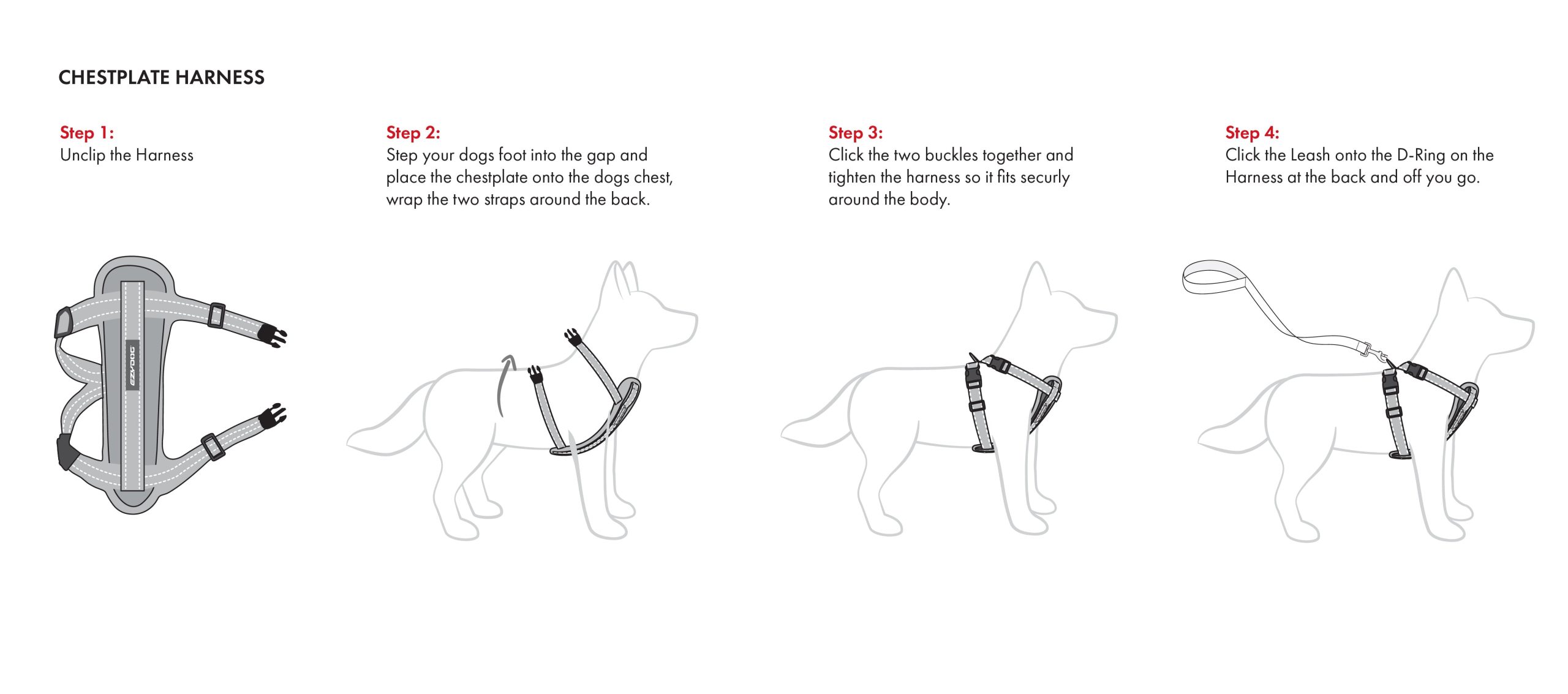
Putting a harness on your dog might seem like a straightforward task, but it can often turn into a frustrating challenge. Have you ever found yourself wrestling with straps, or perhaps questioning whether it’s too tight or too loose?
You’re not alone. A well-fitted harness is not just about comfort; it’s about safety and control for your furry friend. Imagine walking your dog with ease, knowing that your beloved companion is secure and comfortable. By mastering the art of harnessing, you can transform your daily walks into enjoyable adventures for both you and your pet.
Ready to discover the secrets to a perfect fit? Keep reading to ensure every walk is a breeze.

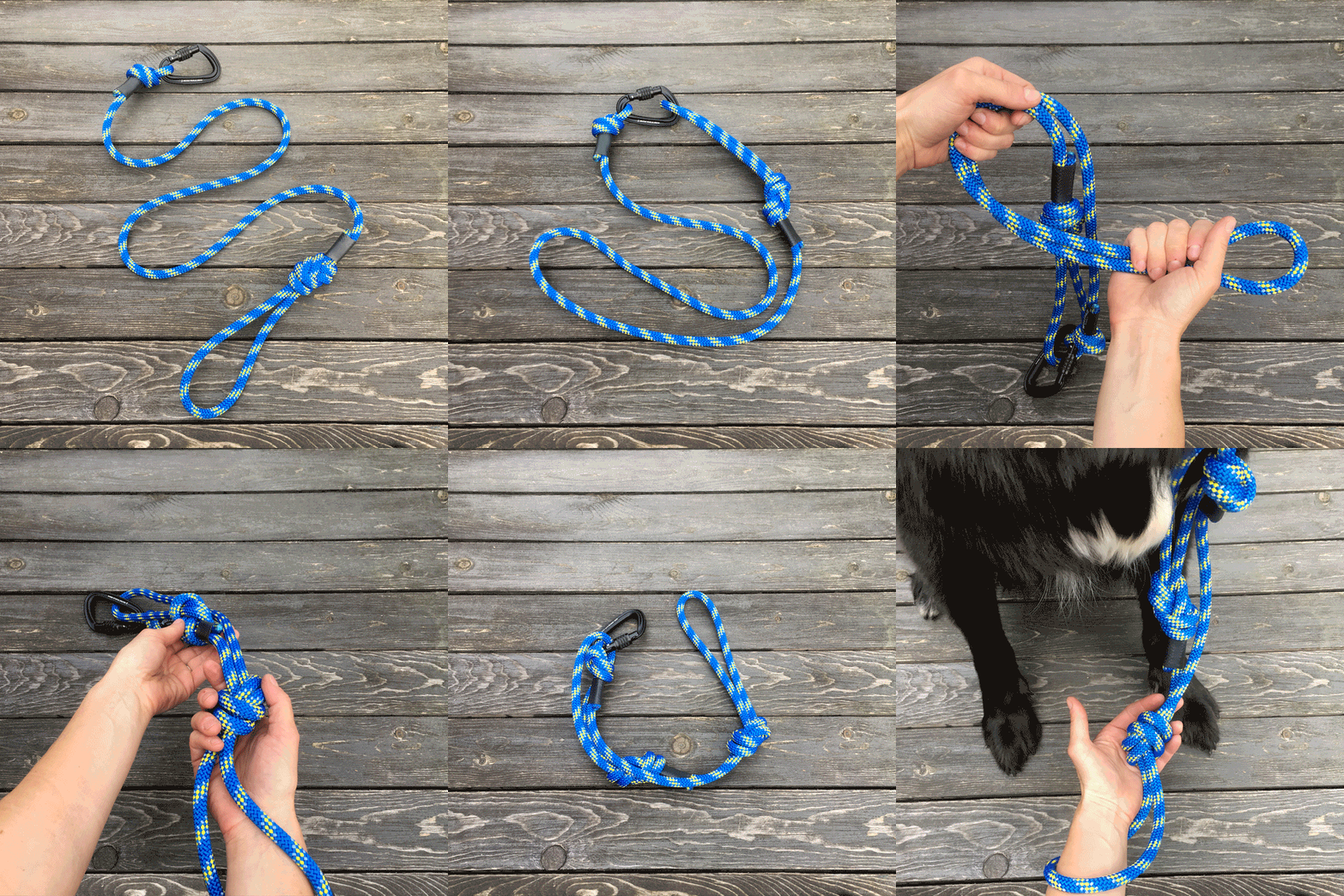
Credit: www.youtube.com
Choosing The Right Harness
Choosing the right harness ensures your dog’s comfort and safety. Gently slip the harness over the dog’s head, then secure the straps around the chest and belly. Adjust for a snug fit, allowing two fingers’ space between the harness and the dog’s body.
Choosing the right harness for your dog can make a world of difference in your pet’s comfort and your peace of mind. A well-fitted harness not only ensures safety during walks but also enhances the walking experience for both you and your furry friend. But with so many options available, how do you know which one is the right fit for your dog?
Types Of Dog Harnesses
Different dogs have different needs. Step-in harnesses are perfect for dogs who dislike having something put over their heads. You simply lay the harness on the ground and have your dog step into it. Vest harnesses are great for small dogs or those with delicate throats, as they distribute pressure evenly. Front-clip harnesses are ideal for training, especially if your dog tends to pull, as they offer better control.
Materials And Durability
The material of the harness plays a crucial role in its longevity. Nylon harnesses are lightweight and durable, making them a popular choice. Leather harnesses, while a bit pricier, offer a stylish look and can last for years with proper care. Mesh harnesses are breathable and perfect for warmer climates, providing comfort without sacrificing strength.
Size And Fit Considerations
Ensuring the right fit is paramount. Measure your dog’s girth and neck before purchasing a harness. Most brands offer sizing charts; use them to match your dog’s measurements. A harness that’s too tight can cause discomfort, while one that’s too loose may not provide the necessary control. Aim for a snug fit where you can slide two fingers between the harness and your dog’s body. Remember, choosing the right harness is about understanding your dog’s needs and preferences. Have you ever noticed a change in your dog’s behavior with a new harness? It might be time to reassess your choice.
Preparing Your Dog
Getting your dog ready for a walk involves properly fitting the harness. Begin by letting your dog sniff the harness, easing any discomfort. Gently slip it over their head and adjust the straps for a snug fit. Secure the harness without being too tight, ensuring comfort and safety.
Preparing your dog for a harness is essential. It ensures the experience is smooth and stress-free. A well-prepared dog will feel comfortable and secure. Dogs are sensitive to new experiences. Taking the time to prepare them makes all the difference.
Calming Techniques
Dogs can be anxious about new things. Start by creating a calm environment. Use soothing tones when speaking to your dog. Gentle petting can also help relax them. Playing soft music may reduce anxiety. Consider using a calming spray or pheromone diffuser. This helps create a peaceful setting.
Rewarding Positive Behavior
Positive reinforcement encourages good behavior. Reward your dog with treats when they stay calm. Praise them verbally for cooperating. You can use their favorite toy as a reward. This builds a positive association with the harness. Reinforce calmness with affection and attention.
Familiarizing With The Harness
Introduce the harness slowly. Let your dog sniff and explore it. Place it near their bed or toys. Encourage interaction without putting it on immediately. Use treats to make the harness inviting. Gradually drape it over them without fastening. This will make them comfortable with its presence.
Positioning The Harness
Positioning the harness correctly on your dog is crucial for ensuring their comfort and safety during walks. A well-fitted harness can prevent injuries and enhance your dog’s walking experience. But how do you make sure you’re putting it on right? Let’s dive into the essential steps of correctly positioning the harness.
Identifying The Front And Back
Before you start, familiarize yourself with the harness’s design. Most harnesses have distinct features for the front and back. The front typically has a chest strap or padding, while the back often includes the leash attachment point. Identifying these parts will help you avoid uncomfortable fit issues.
Check for any tags or labels that indicate the front or back. This small detail can save you from a lot of trial and error. If you’re unsure, lay the harness flat and visualize how it wraps around your dog’s body. Imagine how it would look once it’s on; this mental picture can be surprisingly helpful.
Correctly Aligning The Straps
Once you’ve identified the front and back, it’s time to align the straps. Each strap should sit flat against your dog’s body, without twists. Twisted straps can cause discomfort and even chafing. Straighten them out before securing any buckles.
As you adjust, pay attention to the fit around your dog’s chest and neck. A snug fit is ideal—tight enough to be secure, but loose enough for comfort. Use the two-finger rule: you should be able to slide two fingers between the harness and your dog’s body. This ensures a comfortable yet secure fit.
Have you ever put on a harness, only to find it slipping awkwardly during the walk? It’s likely due to misaligned straps. Double-checking each strap before heading out can prevent this common issue and make your walks more enjoyable for both you and your furry friend.
Securing The Buckles
Securing the buckles on your dog’s harness ensures a snug fit. First, slide the harness over the dog’s head. Then, fasten the buckles around the chest, making sure they’re tight but comfortable.
Securing the buckles of your dog’s harness is a crucial step in ensuring both comfort and safety during your walks. A properly secured harness can make a world of difference, transforming a potentially stressful experience into a pleasant outing for both you and your furry friend. It’s not just about fastening a few clips; it’s about understanding your dog’s comfort and ensuring their security.
Adjusting For Comfort
Before you fasten the buckles, take a moment to adjust the straps so they sit snugly yet comfortably against your dog’s body. You want to find that sweet spot where the harness is secure but not too tight. Imagine wearing a pair of shoes that are too tight—uncomfortable, right? Check if you can slide two fingers between the harness and your dog’s fur. This simple test ensures that your pet has enough room to move freely without the harness rubbing against their skin. Remember, a comfortable dog is a happy dog, and a happy dog makes for a joyful walk.
Ensuring Safety And Security
Once you’ve adjusted for comfort, focus on securing the buckles. Each buckle should click firmly into place, signaling that it’s properly latched. A loose or improperly fastened buckle can lead to unexpected escapes or accidents, which no pet owner wants to experience. Double-check each buckle and strap. Give them a gentle tug to confirm they’re secure. This quick check can prevent mishaps during your walk. Have you ever experienced the panic of a loose leash and a dog darting towards traffic? Properly secured buckles can help avoid such heart-stopping moments. By taking these steps, you can ensure your dog’s harness is both comfortable and secure. Isn’t it worth spending an extra minute or two for peace of mind and a safe, enjoyable outing with your furry companion?
Checking The Fit
Ensuring the harness fits your dog correctly is essential for comfort and safety. A well-fitted harness prevents escape and reduces strain on your dog’s body. Follow these steps to check the fit properly.
Testing For Snugness
Place the harness on your dog. Check that it’s snug but not too tight. You should be able to fit two fingers between the harness and your dog’s body. This ensures it’s secure yet comfortable. Adjust the straps if needed, making sure they don’t dig into your dog’s skin.
Avoiding Chafing And Irritation
Inspect for any signs of rubbing or irritation. Look at common areas like under the armpits and around the neck. The harness should not rub or cause discomfort during movement. Opt for harnesses with padded straps to minimize chafing. Regular checks help prevent skin irritation.

Credit: ezydog.co.uk
Training With The Harness
Training with the harness begins by selecting the right size for your dog. Slip the harness over the dog’s head, ensuring the straps are snug but comfortable. Adjust the buckles for a secure fit, allowing free movement without tightness.
Training with the harness can transform walks into enjoyable adventures. It helps both the dog and owner by providing control and comfort. Using a harness is not just about putting it on; it’s about teaching your dog to feel secure and confident. Let’s explore some techniques for a smooth transition.
Walking Techniques
Start with short walks around the house. This familiarizes your dog with the harness. Gradually extend the walk to the yard, then the neighborhood. Use gentle commands to guide your dog. Keep the leash loose for freedom. Reward your dog with treats for good behavior. This encourages positive associations with the harness.
Building Confidence
Help your dog build confidence with the harness. Praise them often. Use calm voices and gentle touches. Consistent practice leads to a relaxed dog. Take breaks if your dog seems anxious. Gradual exposure helps ease their nerves. Celebrate small victories with treats. This builds trust and comfort over time.
Troubleshooting Common Issues
Struggling to put a harness on a dog? Ensure the harness is untangled and identify the head and chest straps. Slip it over the dog’s head and secure the straps snugly around the chest. Check for comfort and adjust if needed.
Putting a harness on a dog can sometimes be challenging. Owners may face several issues during this process. Understanding these challenges can make the experience smoother. Let’s explore some common issues and how to address them.
Handling Resistance
Some dogs resist wearing a harness. They might feel uncomfortable or scared. To ease this, introduce the harness slowly. Let your dog sniff and inspect it. Offer treats as positive reinforcement. Use a calm and gentle voice. This helps build trust and reduces anxiety. Practice putting the harness on for short periods. Gradually increase the time as your dog becomes more comfortable.
Adjusting For Growth
Puppies grow quickly, and their harness should fit properly. Regularly check the harness fit as your dog grows. Ensure it’s snug but not too tight. You should be able to fit two fingers between the harness and your dog’s skin. Adjust the straps as needed. If the harness becomes too small, consider buying a larger size. A well-fitting harness ensures comfort and safety for your growing pup.
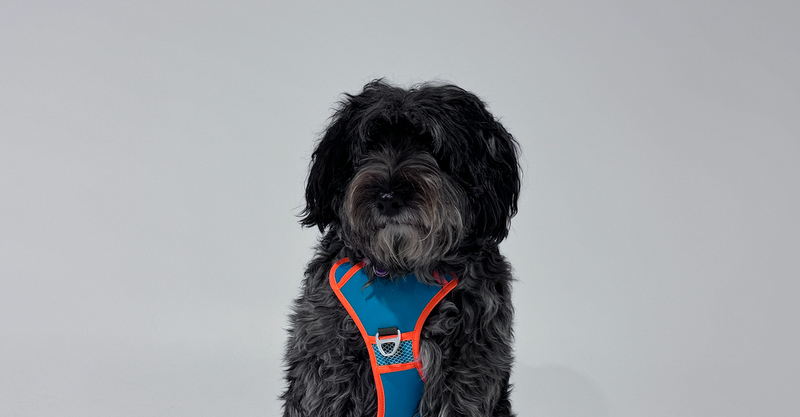
Credit: edog.co.nz
Frequently Asked Questions
How Do I Choose The Right Dog Harness?
Selecting the right harness depends on your dog’s size, breed, and behavior. Ensure it fits snugly but not too tight. Consider your dog’s activities and any special needs. Always check for comfort and adjustability. Visit a pet store to try different styles and find the perfect fit.
What Are The Benefits Of Using A Dog Harness?
Dog harnesses offer better control during walks and prevent neck strain. They distribute pressure evenly, reducing the risk of injury. Harnesses are ideal for dogs prone to pulling. They also offer safety features, like reflective strips, for nighttime walks. Overall, harnesses improve walking experiences for both dogs and owners.
How Can I Make My Dog Comfortable With A Harness?
Introduce the harness gradually, allowing your dog to sniff and explore it. Use treats and praise to create positive associations. Start with short wearing sessions and gradually increase the time. Ensure the harness fits well and doesn’t cause discomfort. Patience and consistency are key to successful acclimation.
Can Puppies Wear Harnesses?
Yes, puppies can wear harnesses, but choose one designed for their size. Ensure it’s lightweight and adjustable to accommodate growth. Start with short, supervised sessions to get your puppy accustomed. A well-fitted harness helps with leash training and ensures your puppy’s safety during walks.
Conclusion
Putting a harness on a dog is simple with practice. Start by choosing the right size. Check for snug fit around the chest. Make sure it’s not too tight or loose. Slide it over the head, then clip it securely.
Adjust straps for comfort. Double-check the fit to ensure safety. A well-fitted harness prevents pulling and discomfort. Your dog feels secure and happy. Walks become enjoyable for both. Share this with fellow dog owners. Help them gain confidence in harnessing their dogs.
Happy walking!

Similar Posts


















[…] rabbitgoo Dog Harness No Pull is ideal for pet owners who have large dogs that tend to pull during walks or require extra […]