How to Put on a Small Dog Harness: Easy Step-by-Step Guide
Senior Canine Nutritionist & Dog Behavior Specialist at Cozy Dog Go Wellness Lab

Are you struggling to put on a harness for your small dog? You’re not alone.
Many dog owners face this challenge, unsure of how to make their furry friend comfortable and secure without the hassle. But don’t worry, mastering this task is easier than you think. Imagine a walk where your dog is happily trotting beside you, safe and snug in their harness.
That’s the outcome we aim for. This guide will simplify the process, making it quick and stress-free for both you and your pup. Read on, and discover how to transform harness time from a struggle into a bonding experience. Your dog will thank you, and you’ll enjoy peace of mind knowing they’re safe and happy.
Choosing The Right Harness
Selecting the right harness ensures comfort and safety for your small dog. Gently slip it over their head, securing the straps under their belly. Adjust for a snug fit without pinching their skin.
Choosing the right harness for your small dog can make a world of difference in both their comfort and your ease of control. The perfect harness should fit well, be easy to put on, and suit your dog’s activity level and personality. Here’s how to ensure you make the best choice.
Types Of Dog Harnesses
Understanding the different types of harnesses available is crucial. – Vest Harness: This type wraps around your dog’s body, providing a snug fit that’s perfect for small breeds. It often comes with soft padding for added comfort. – Step-In Harness: Ideal for dogs who dislike things going over their heads. Simply lay it on the ground, let your dog step into it, and fasten it on top. – No-Pull Harness: Designed for dogs that tend to pull, this harness redirects their forward momentum to the side, reducing pulling without discomfort. Each type has its advantages, so think about your dog’s habits and preferences.
Measuring Your Dog
Accurate measurements ensure the harness fits securely without being too tight or too loose. – Chest Girth: Use a flexible tape measure to wrap around the widest part of your dog’s chest, just behind the front legs. This measurement is crucial for a comfortable fit. – Neck Size: Measure around the base of your dog’s neck where the collar would naturally sit. This helps in picking a harness that won’t choke or rub uncomfortably. – Weight Consideration: While less precise, knowing your dog’s weight can guide you towards the right size category on most harness charts. Don’t rely solely on breed recommendations as sizes can vary. Always double-check the measurements to ensure your furry friend’s comfort and safety.
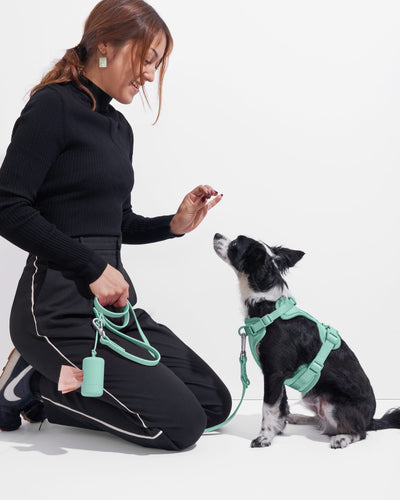
Credit: wildone.com
Preparing Your Dog
Secure the harness by slipping it over your dog’s head, ensuring a comfortable fit. Adjust the straps gently to avoid pinching or discomfort. Fasten the clips securely, providing a snug yet breathable fit for your small dog.
Preparing your dog for a harness is a crucial step that ensures comfort and safety. You want the experience to be pleasant, not just for your pet but also for you. The key is to make this transition smooth and stress-free. So, how do you prepare your dog? Let’s delve into some effective strategies.
Calming Techniques
Dogs can be sensitive to new situations, and putting on a harness might be intimidating for some. To ease this process, start with calming techniques. Consider playing soft music in the background. It’s surprising how soothing tunes can mellow down an anxious pet. Using a gentle voice is another effective way. Speak to your dog in a calm, reassuring tone. Let them know everything is okay. A few strokes of their fur can also work wonders in reducing anxiety. Treats can be your best ally. Offer a small reward before starting to put on the harness. It not only distracts them but also builds positive associations with the activity.
Familiarizing With The Harness
Before you even attempt to put the harness on, let your dog get acquainted with it. Leave the harness in their space, maybe next to their favorite toy. Dogs are curious creatures; they will sniff and inspect it. Next, try holding the harness in your hand while your dog sits nearby. Allow them to approach it on their own terms. This builds trust and familiarity. Incorporate play into the process. Use the harness in a short play session. Wiggle it around like a toy and let them chase it. This playful interaction removes any apprehension they might have. Remember, patience is key. Every dog is different, and some may take longer to adjust. How does your dog react to new items? Observing their behavior will guide you in tailoring your approach.
Putting On The Harness
Secure your small dog by gently placing the harness over their head. Adjust the straps for a snug fit. Ensure the harness is comfortable and allows free movement. Attach the leash to the harness’s ring. Ready for a walk!
Putting on a harness for your small dog can be an easy task. It ensures your dog’s safety and comfort during walks. With the right approach, this process becomes seamless and enjoyable. Follow these steps to ensure your dog’s harness fits snugly and securely.
Positioning The Harness
Place the harness on the ground, allowing your dog to sniff it. This helps them feel comfortable. Encourage your dog to step into the harness. Align the harness with their body shape. Make sure the front part sits around their neck. The back should rest on their shoulders.
Securing The Straps
Once positioned, secure the straps around the body. Check that the straps are not too tight. You should be able to fit two fingers between the harness and your dog. Adjust the straps so they hold the harness firmly. Ensure the clips are fastened securely. Regular checks prevent discomfort or slipping during walks.
Checking The Fit
Choosing the right harness for your small dog involves checking the fit. A well-fitted harness ensures comfort and safety during walks. It’s crucial to adjust the harness properly to avoid any discomfort or potential injuries. Follow these steps to ensure your dog’s harness fits just right.
Adjusting For Comfort
Start by placing the harness over your dog’s back. Ensure it sits evenly across the shoulders. Adjust the straps until they are snug but not tight. You should be able to slip two fingers between the harness and your dog’s body. This ensures your dog can move freely and comfortably.
Safety Checks
After adjusting for comfort, perform a quick safety check. Check that the buckles are securely fastened. Make sure the harness does not slip when your dog moves. Inspect the harness for any signs of wear or damage. A secure fit prevents your dog from slipping out during walks.
Training Your Dog
Gently slip the harness over your dog’s head, ensuring the D-ring is on their back. Secure the straps snugly around their chest and belly for comfort and safety. Adjust the fit, allowing two fingers to slide easily between the harness and your dog’s fur.
Training Your Dog Introducing a small dog harness to your furry friend requires patience. Dogs can be sensitive to new experiences. A harness might feel strange at first. Effective training helps them adjust quickly. With the right approach, the harness becomes a positive experience.
Positive Reinforcement
Use treats to reward your dog. This creates a positive association with the harness. Let them sniff and explore the harness first. Praise them for being calm. Gradually put the harness on, offering treats at each step. Keep the sessions short and fun. Repeat until your dog is comfortable.
Walking Tips
Start with short walks. Let your dog get used to the harness. Choose a quiet area with few distractions. This helps them focus on walking. Hold the leash gently. Encourage your dog with a soft voice. If they pull, stop walking. Wait until they calm down. Then continue. This teaches them not to pull.

Credit: www.amazon.sa
Troubleshooting Common Issues
Gently slide the harness over the dog’s head. Ensure the chest strap rests comfortably on the body. Adjust the straps to fit snugly, but not too tight, for your dog’s comfort and safety.
Putting a harness on a small dog can be tricky. Many pet owners face common issues during this process. Understanding these problems can help make harnessing smoother and stress-free. Below, we address some frequent challenges and offer simple solutions.
Handling Resistance
Some dogs dislike harnesses. They may resist wearing them. To ease this, introduce the harness gently. Let your dog sniff it first. Reward them with treats when they stay calm. Gradually, place the harness on their back without fastening it. Praise and treat them again. Practice this daily until they are comfortable.
Preventing Escapes
A loose harness can lead to escapes. Ensure a snug fit. You should fit two fingers between the harness and your dog’s body. Check the straps. Adjust them if needed. Always secure the buckles properly. Regularly inspect the harness for wear and tear. Replace it if damaged. This keeps your dog safe during walks.
Maintaining The Harness
Ensure the harness fits snugly around your dog’s body. Adjust straps for comfort and secure fastenings properly. Regular checks for wear and tear keep your pup safe and comfy.
Maintaining a small dog harness is crucial for your pet’s safety and comfort. A well-kept harness ensures a secure fit and prolongs its lifespan. Regular maintenance involves cleaning and checking for any signs of damage. Let’s dive into some essential tips to keep your dog’s harness in top condition.
Cleaning Tips
Clean the harness regularly to remove dirt and odors. Use mild soap and warm water for washing. Hand wash gently to avoid damaging the fabric. Rinse thoroughly and let it air dry. Avoid using bleach or harsh chemicals, as they may harm the material. For stubborn stains, use a soft brush to scrub gently. Regular cleaning keeps the harness hygienic and comfortable for your pet.
Inspecting For Wear
Check the harness frequently for signs of wear and tear. Look for frayed edges or loose stitching. Examine buckles and clasps to ensure they function properly. Replace the harness if you notice any significant damage. A worn-out harness can be unsafe for your pet. Regular inspection helps prevent unexpected accidents during walks.

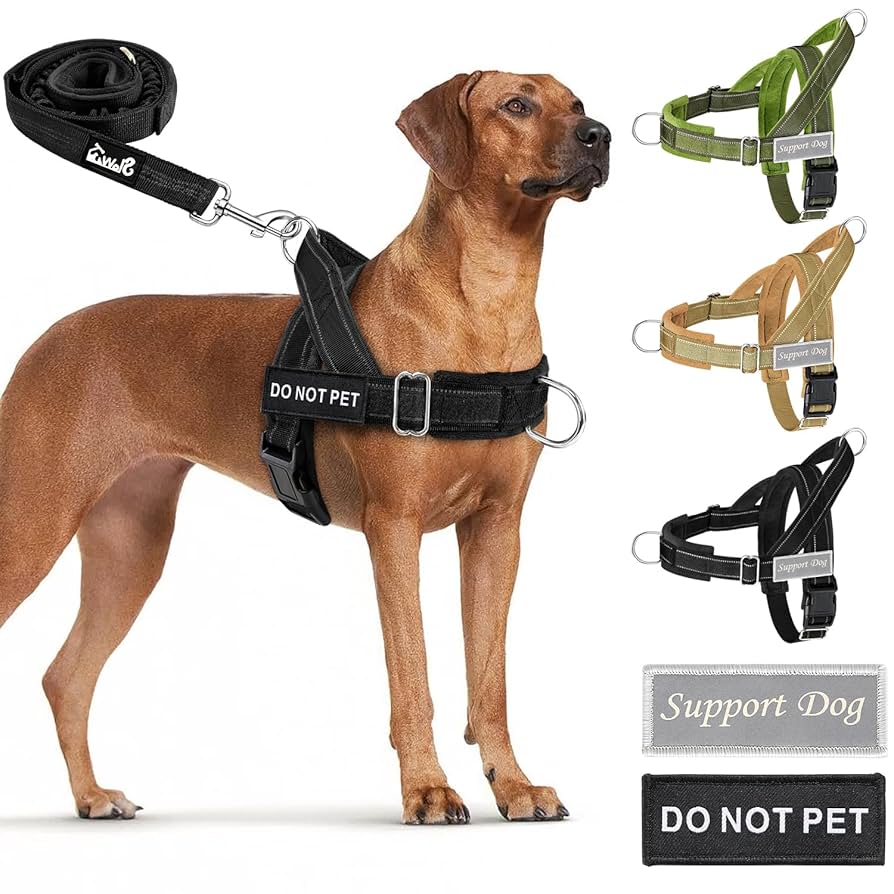
Credit: www.amazon.com
Frequently Asked Questions
How Do I Choose The Right Harness Size?
To choose the right harness size, measure your dog’s chest and neck. Use a flexible tape measure for accuracy. Ensure the harness fits snugly without being too tight. You should be able to fit two fingers between the harness and your dog’s skin for comfort.
Why Is A Harness Better Than A Collar?
A harness is better because it distributes pressure evenly across your dog’s body. This prevents strain on the neck and reduces the risk of injury. It also provides better control during walks, especially for small or energetic dogs, making walks safer and more enjoyable.
Can My Dog Wear A Harness All Day?
It’s not recommended for your dog to wear a harness all day. Prolonged use can cause discomfort or skin irritation. Give your dog breaks from the harness, especially during rest times. Always ensure the harness is adjusted correctly to prevent any chafing or discomfort.
How Tight Should A Dog Harness Be?
A dog harness should be snug but not too tight. You should be able to slip two fingers between the harness and your dog’s body. This ensures comfort and prevents the harness from being too restrictive. A properly fitted harness will stay in place without causing any discomfort.
Conclusion
Putting a harness on your small dog can be simple. Start with patience. Gently guide your dog through the steps. Ensure a snug but comfortable fit. Check for twists in the straps. Reward your dog with treats for cooperation. Practice makes perfect.
Consistency helps your dog adjust quickly. A well-fitted harness enhances safety and comfort. Remember, your dog’s well-being is most important. Regularly check the harness for wear and tear. Replace it if needed. Enjoy walks with confidence. Happy dog, happy owner!

Similar Posts

















[…] Relatively small 2.60oz size may require frequent repurchasing for larger dogs […]