What are the Most Dangerous Dog Breeds: Uncover the Risks
Senior Canine Nutritionist & Dog Behavior Specialist at Cozy Dog Go Wellness Lab
Have you ever wondered which dog breeds are considered the most dangerous? Whether you’re a dog owner, a dog lover, or simply curious, this topic might pique your interest.
Dogs are often seen as loyal companions and family members, but some breeds have gained a reputation for being more aggressive than others. Understanding the traits and behaviors of these breeds can be crucial for ensuring safety for you and your loved ones.
We’ll explore the characteristics that contribute to a breed’s dangerous reputation. You’ll discover which breeds are often highlighted in discussions about aggressive behavior and why they have earned such notoriety. Don’t let the fear factor deter you; instead, equip yourself with knowledge that can foster safer interactions and responsible pet ownership. Uncover the truths behind the stereotypes and learn how you can approach this topic with a balanced perspective. By the end, you’ll be able to discern fact from fiction and make informed decisions regarding your interactions with these misunderstood breeds. Keep reading to gain valuable insights that could change the way you think about man’s best friend.
Factors Influencing Dog Aggression
Breed reputation and size often influence perceptions of dog aggression. Large breeds like Pit Bulls and Rottweilers are frequently labeled dangerous. Factors such as training, socialization, and environment play crucial roles in shaping their behavior.
Understanding dog aggression involves examining various factors. These factors help determine why some breeds exhibit more aggression. It’s not just about the breed itself. Let’s dive into these influential factors.
Genetic Traits
Genetic traits play a big role in a dog’s behavior. Some breeds are naturally more protective. This trait can sometimes appear as aggression. Breeds like Rottweilers and Pit Bulls have strong guarding instincts. These instincts can be misunderstood as aggression. It’s crucial to know that genetics alone don’t define a dog’s behavior.
Training And Socialization
Training and socialization shape a dog’s temperament. Proper training can reduce aggression risks. Dogs need exposure to different environments and people. This helps them develop confidence and calmness. Poor socialization can lead to fear and aggression. Consistent training builds trust and reduces negative behaviors.
Environment And Living Conditions
A dog’s environment impacts its behavior significantly. Stressful or neglectful conditions can lead to aggression. Dogs thrive in stable and loving homes. Crowded or noisy spaces may cause anxiety. Anxiety can increase aggressive responses. Ensure dogs have a safe, comfortable living environment. This helps in maintaining their mental well-being.
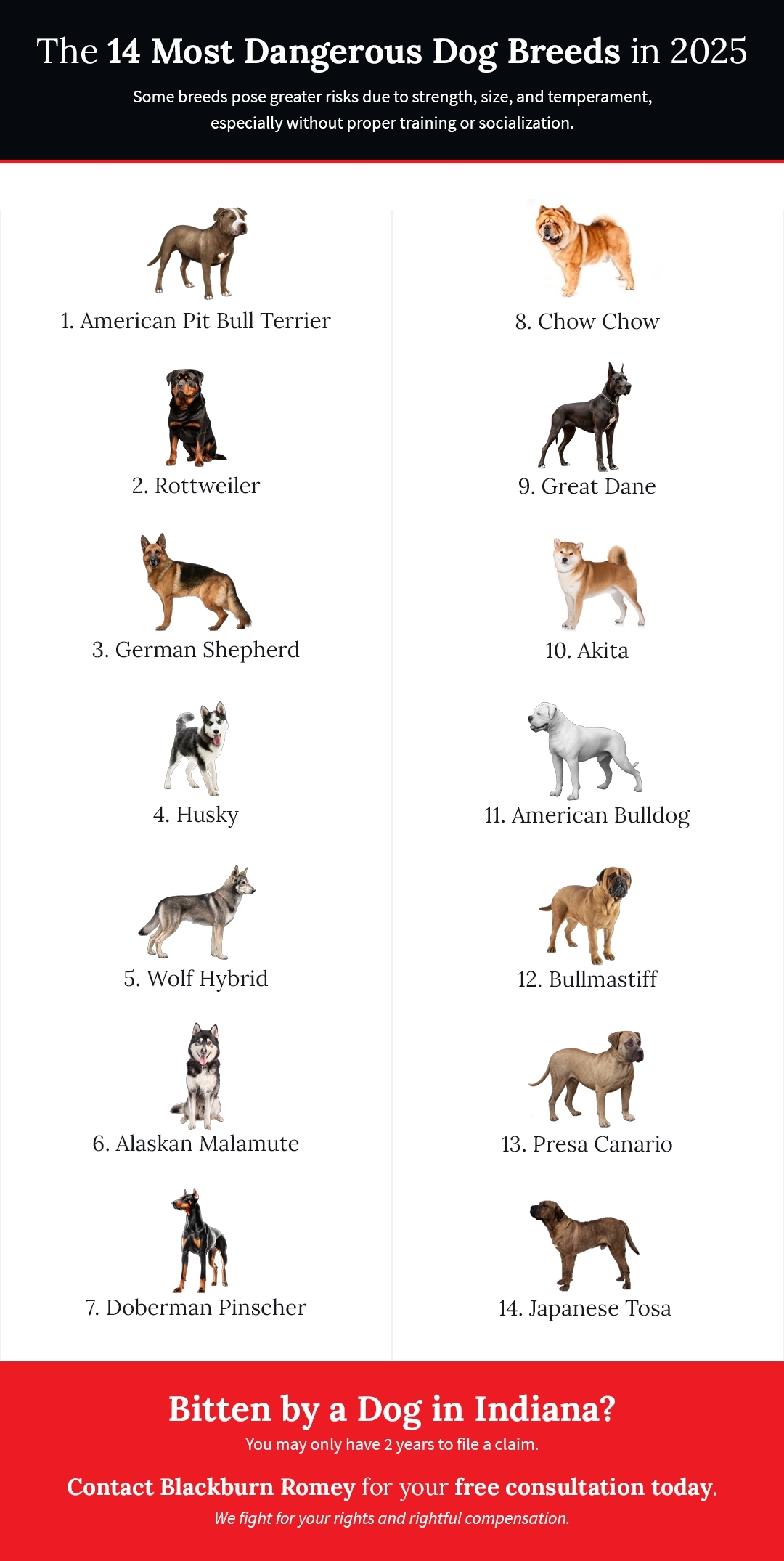
Pit Bulls
Pit Bulls are often highlighted among the most dangerous dog breeds due to their strength and tenacity. Known for their powerful bite, these dogs can pose significant risks if not properly trained and socialized. Responsible ownership and understanding their behavior are crucial to prevent accidents.
Pit Bulls are often spotlighted in discussions about dangerous dog breeds. Their muscular build and powerful jaws make them intimidating. Yet, many Pit Bulls are affectionate and loyal pets. Understanding their nature requires looking at various aspects.
History Of Aggression
Pit Bulls have a history tied to bull-baiting and dog fighting. These activities bred them for strength and tenacity. This past contributes to their aggressive reputation. Breeding focused on aggression, but not all are aggressive. Many are well-adjusted and gentle. Training and environment play significant roles in behavior.
Public Perception
Public perception of Pit Bulls is often negative. Media reports focus on attacks, shaping views. This leads to fear and prejudice. People often overlook their loving nature. Positive stories are less covered, impacting their image. Laws have been enacted in some areas to restrict ownership.
Safety Precautions
Safety around Pit Bulls involves responsible ownership. Training and socialization are crucial. Owners should teach them basic commands early. Secure fencing is important to prevent escapes. Regular exercise helps manage energy levels. Supervision during play is necessary. Understanding their signals can prevent issues.
Rottweilers
Rottweilers are often noted for their protective nature and strength. Their powerful build and loyal temperament can pose risks if not properly trained. Understanding their needs is crucial to ensure safety and companionship.
Rottweilers are a breed that often sparks intrigue and sometimes fear. Known for their strength and loyalty, these dogs can be remarkable companions with the right upbringing. However, their reputation as one of the most dangerous dog breeds is not entirely unfounded.
Protective Instincts
Rottweilers are naturally protective of their families. This is a trait that makes them excellent guard dogs. You may find them barking at strangers who approach your home. Their loyalty is both a strength and a challenge. Without proper socialization, this protective nature can become aggressive. It’s crucial to expose them to different people and environments early on.
Training Requirements
Training a Rottweiler is not for the faint-hearted. Consistency and patience are key. Start training while they’re still puppies, focusing on basic commands and obedience. Positive reinforcement works wonders with this breed. However, the training shouldn’t stop once they know the basics. Continuous engagement is necessary to keep their minds active and behaviors in check.
Interaction With Strangers
Rottweilers can be wary of strangers. This is where their protective instincts come into play. When you have guests over, it’s important to supervise their interactions. Gradually introduce them to new people in a controlled setting. Do you have a friend who is a dog lover? Invite them over to help your Rottweiler become comfortable with new faces. This not only builds trust but also helps mitigate any aggressive tendencies.
German Shepherds
German Shepherds are known for their intelligence and loyalty. Their protective nature can lead to aggressive behavior. Proper training is essential to ensure they are safe around others.
German Shepherds are one of the most recognizable and versatile dog breeds in the world. Known for their intelligence and loyalty, they often serve in various roles, including as family companions and working dogs. However, their strong personalities can sometimes lead to challenges, making it crucial for potential owners to understand their traits fully.
Role In Law Enforcement
German Shepherds have earned a prominent position in law enforcement due to their keen sense of smell and high trainability. Police forces utilize them for tasks such as search and rescue, drug detection, and tracking suspects. Their ability to remain focused under pressure is unmatched, which makes them invaluable in high-stakes situations. Imagine having a partner who never tires and always follows your commands. That’s the reliability German Shepherds provide to their handlers. Have you ever wondered why they’re often seen at airports or crowded events? Their presence isn’t just for show; it’s a testament to their rigorous training and unwavering dedication.
Behavioral Challenges
Owning a German Shepherd comes with its own set of challenges. Their intelligence can lead to boredom if not adequately stimulated, often resulting in destructive behavior. Additionally, they can exhibit dominance, which might be daunting for inexperienced dog owners. Consistent training and mental stimulation are vital to prevent these issues. If you have small children, it’s essential to monitor interactions as their protective nature might be misinterpreted. Have you ever seen a German Shepherd try to “herd” the family? It’s their instinct kicking in, which can be both amusing and a bit overwhelming.
Managing Aggression
Managing aggression in German Shepherds requires a proactive approach. Early socialization is crucial to help them distinguish between friend and foe. Positive reinforcement techniques work wonders in curbing aggressive tendencies. Engage them in regular exercises and training sessions to burn off excess energy. Does your German Shepherd have a favorite toy? Use it as a tool to reinforce good behavior. Regular vet visits are also essential to rule out any underlying health issues that could contribute to aggression. By understanding and addressing these aspects, you can ensure a harmonious relationship with your German Shepherd. Are you ready to embrace the responsibility that comes with owning such a dynamic breed? With the right approach, they can be both your loyal friend and vigilant protector.
Doberman Pinschers
Doberman Pinschers are known for their loyalty and protective nature. They can be strong and assertive, requiring proper training. Their alertness makes them effective guard dogs, but without guidance, they might act aggressively.
Doberman Pinschers are often regarded as one of the most dangerous dog breeds, largely due to their imposing presence and strong guarding instincts. While some may view them with trepidation, these loyal dogs can be incredibly affectionate and protective towards their families. Understanding their characteristics and needs can help ensure a harmonious relationship with these powerful companions.
Guard Dog Characteristics
Dobermans are renowned for their alertness and intelligence. Their keen senses make them exceptional guard dogs. They instinctively protect their territory and loved ones, often without being trained to do so. You might have seen a Doberman standing vigilantly by a door, watching every movement. This is not aggression but a deep-seated protective instinct. However, this can be intimidating to strangers, which is why early socialization is crucial.
Exercise Needs
Dobermans are highly energetic dogs that require regular physical activity. Without sufficient exercise, they can become frustrated and exhibit undesirable behaviors. Think of them as the athletes of the canine world; they thrive on activities like running, agility training, or even brisk walks. If you have a Doberman, incorporating daily exercise into your routine is not just beneficial—it’s essential for their well-being.
Handling Aggressive Behavior
Aggressive behavior in Dobermans can stem from fear, lack of socialization, or inadequate training. It’s important to address these issues promptly and effectively. Imagine your Doberman growling at a visitor; this could be a sign of discomfort or anxiety. Calmly redirecting their focus and rewarding positive behavior can help mitigate aggression. Consider consulting a professional dog trainer for guidance tailored to your dog’s unique needs. Have you ever wondered how your own behavior affects your Doberman’s aggression? Your calm demeanor can often set the tone for your pet’s behavior. Consistent, positive reinforcement builds trust and reduces the likelihood of aggression.
Credit: www.herberttrial.com
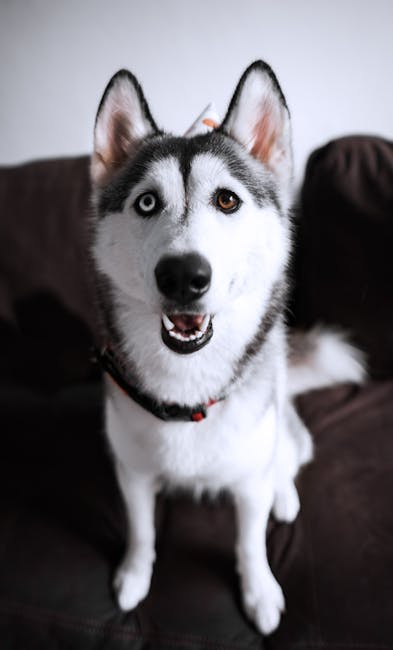
Siberian Huskies
Siberian Huskies, known for their striking appearance, can be unpredictable in certain situations. Their strong pack instincts may lead to aggressive behavior if not properly trained. Understanding their needs and social dynamics is crucial for a safe environment.
Siberian Huskies are often admired for their striking appearance and vibrant personality. Originally bred to pull sleds in harsh Arctic conditions, these dogs are known for their endurance and intelligence. Despite their beauty, owning a Siberian Husky can be a challenge if you’re not prepared to meet their unique needs.
High Energy Levels
Siberian Huskies are like the marathon runners of the dog world. They have boundless energy that requires regular physical and mental stimulation. A simple walk around the block won’t suffice; they thrive on activities like running, hiking, or engaging in agility sports. If you don’t provide enough exercise, they might channel their energy into undesirable behaviors. You might find chewed-up shoes or a backyard dug full of holes. Are you ready to keep up with their pace?
Socialization Importance
Socialization is crucial for Siberian Huskies, given their natural pack mentality. They need early exposure to different people, environments, and other animals. This helps curb any potential behavioral issues as they grow. Consider joining local dog meet-ups or training classes. These interactions not only make them more adaptable but also enrich their lives. Have you thought about how you’ll introduce your Husky to the world around them?
Potential For Aggression
While Siberian Huskies are generally friendly, they can show signs of aggression if not properly trained. This can stem from a lack of socialization or an unfulfilled need for physical activity. Addressing these aspects early on can help mitigate such risks. Training should focus on positive reinforcement techniques, rewarding good behavior to encourage repetition. Consistency is key; they need to understand what is expected of them. How will you ensure your Husky grows into a well-behaved companion? By understanding these traits, you can create a harmonious environment for both you and your Siberian Husky.
Chow Chows
Chow Chows are unique and striking dogs. They stand out due to their lion-like mane and aloof demeanor. These dogs are known for their loyalty but also have a reputation for aggression. Understanding their nature and needs is crucial for a harmonious relationship.
Territorial Nature
Chow Chows are highly territorial dogs. They instinctively protect their home and family. This trait makes them excellent watchdogs, but it can also lead to aggressive behavior. They often see strangers as threats. Their protective nature needs careful management to prevent unwanted incidents.
Training Strategies
Training a Chow Chow requires patience and consistency. Start early with socialization to reduce aggressive tendencies. Use positive reinforcement methods like treats and praise. Avoid harsh training techniques. They respond well to gentle but firm guidance. Regular training sessions help them understand boundaries. Consistency is key to shaping their behavior.
Compatibility With Families
Chow Chows can be good family dogs with proper training. They bond strongly with their family members. Their loyalty is unmatched, but they need supervision with small children. Their aloof nature makes them less playful. Families should teach children to respect the dog’s space. Understanding their unique needs ensures a happy household.
Credit: www.herberttrial.com
Bulldogs
Bulldogs are often seen as lovable and gentle companions, but they also make it onto lists of potentially dangerous dog breeds. Their stocky bodies and strong jaws can be intimidating, and their protective nature sometimes leads to misunderstandings about their behavior. Knowing the factors contributing to their perceived aggression can help you understand them better and manage them effectively.
Misunderstood Aggression
Bulldogs’ aggressive reputation is often a result of misunderstanding their behavior. They are naturally protective, which can be mistaken for aggression. If a bulldog perceives a threat, its instinct is to guard its territory and loved ones. It’s crucial to recognize this behavior as protective rather than aggressive.
Many bulldogs are incredibly gentle with their families, yet wary of strangers. Are you providing them with enough socialization? Socializing bulldogs from an early age can help them differentiate between real threats and friendly encounters.
Health-related Behavioral Issues
Bulldogs are prone to several health problems that can impact their behavior. Breathing difficulties due to their brachycephalic nature can lead to irritability. Have you noticed your bulldog getting cranky more often?
Joint issues and obesity are also common, which might cause discomfort leading to sudden behavioral changes. Regular vet check-ups and a balanced diet can mitigate these issues, improving their mood and reducing aggressive tendencies.
Proper Care And Management
Managing a bulldog’s behavior requires understanding and patience. Providing them with a comfortable environment and regular exercise can greatly influence their temperament. Are you giving them enough mental stimulation?
Training is essential. Consistent positive reinforcement can help bulldogs learn appropriate responses to various situations. Consider enrolling your bulldog in a training class. It’s not just about obedience; it’s about building trust and mutual understanding.
Ultimately, your bulldog’s behavior reflects the care and attention you provide. Can you commit to understanding and addressing their specific needs? A well-cared-for bulldog is less likely to exhibit aggressive behavior.
Safety Measures For Dog Owners
Understanding potential risks is vital for dog owners. Certain breeds, like Pit Bulls and Rottweilers, often have stronger instincts. Prioritize safety by offering proper training and supervision.
Ensuring the safety of both dogs and humans is crucial. Dog owners must adopt specific safety measures. This helps in fostering a safe environment for everyone. Certain dog breeds may have strong instincts or unique traits. Understanding these helps in better management and care.
Choosing The Right Breed
Selecting the right breed is the first step in ensuring safety. Research the temperament and needs of different breeds. Consider your lifestyle and environment. Some breeds require more space and exercise. Others might need more social interaction. Match the breed’s characteristics with your living conditions. This reduces the risk of behavioral problems.
Training And Education
Training is essential for all dog breeds. Start with basic commands like sit and stay. Consistency and patience are key in training. Enroll in obedience classes if needed. Educate yourself about dog behavior. Understand signs of stress or aggression. This knowledge helps in preventing potential incidents.
Community Awareness
Community awareness plays a significant role in dog safety. Inform neighbors about your dog’s temperament. Create a safe environment by respecting community spaces. Use leashes in public areas to prevent unexpected interactions. Encourage open communication with fellow dog owners. Sharing experiences and advice benefits everyone.
Credit: www.herberttrial.com
Frequently Asked Questions
What Makes A Dog Breed Dangerous?
A dog breed may be considered dangerous due to its physical strength, aggressive behavior, or potential to inflict harm. Factors like improper training, socialization, or environment can increase the risk. It’s essential to understand each breed’s characteristics and provide proper care and training.
Are Pit Bulls The Most Dangerous Breed?
Pit bulls are often considered dangerous due to their powerful build and history of aggression. However, they are not inherently violent. Proper training and socialization can mitigate risks. Many pit bulls are friendly and loyal pets when raised in a loving and responsible environment.
Which Breeds Are Commonly Labeled As Dangerous?
Breeds often labeled dangerous include Rottweilers, German Shepherds, and Doberman Pinschers. These dogs have strong protective instincts and require proper training. Their behavior largely depends on upbringing and environment. Understanding breed traits and providing adequate training can prevent aggression.
Can Training Reduce A Dog’s Aggression?
Yes, training can significantly reduce a dog’s aggression. Consistent and positive reinforcement techniques help modify behavior. Socialization with other animals and humans is crucial. Professional trainers can assist in developing a safe and friendly temperament, making the dog a reliable companion.
Conclusion
Choosing a dog means more than breed labels. Many factors shape behavior. Training, environment, and socialization matter. Dogs need love and guidance. Dangerous breeds often face unfair stereotypes. Owners play a key role in shaping their pets. Research and understanding are crucial.
Know the breed’s traits and needs. Educate yourself on responsible pet ownership. Safety comes from knowledge, not fear. Every dog deserves a chance to be understood. Build trust with your furry friend. Ensure a safe and happy home. This creates a positive bond for all.

Similar Posts