How to Use a Clicker to Train a Dog: Expert Tips
Senior Canine Nutritionist & Dog Behavior Specialist at Cozy Dog Go Wellness Lab
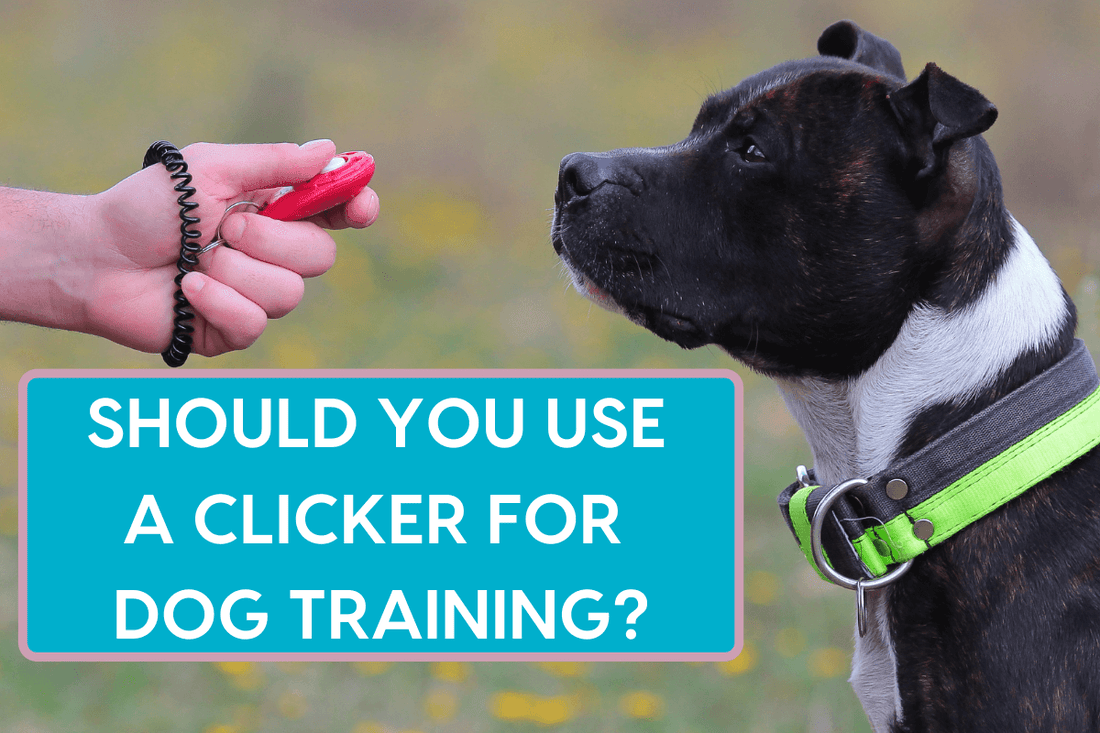
Imagine having a well-behaved dog that listens to your commands and follows your lead effortlessly. Sounds like a dream, right?
But with the right tool, it can become your reality. Enter the clicker—a small device that can transform your dog training experience into a fun and rewarding process. Whether you’re dealing with a rambunctious puppy or a stubborn adult dog, using a clicker can make all the difference.
You might be wondering how this tiny gadget can have such an impact on your dog’s behavior. Well, you’re about to discover the secrets behind clicker training that seasoned trainers swear by. Keep reading to uncover how you can harness the power of positive reinforcement and build a stronger bond with your furry friend. You won’t want to miss the tips and tricks that will make your training sessions more effective and enjoyable.
Benefits Of Clicker Training
Clicker training offers many benefits for both dogs and their owners. This method uses a small device, the clicker, to mark desired behaviors. It helps in creating a positive learning environment. Clicker training enhances communication between you and your dog. Below are some compelling benefits of clicker training.
1. Immediate Feedback
The clicker provides immediate feedback. Dogs learn which behaviors earn a reward. This quick response helps them understand what is expected.
2. Positive Reinforcement
Clicker training focuses on positive reinforcement. Dogs associate the click sound with a reward. This encourages them to repeat good behavior.
3. Strengthens Bond
Using a clicker strengthens your bond with your dog. Training sessions become enjoyable and stress-free. This builds trust and improves the relationship.
4. Versatile Training Tool
The clicker is versatile. It can be used for various commands and tricks. From basic obedience to advanced skills, it covers all.
5. Reduces Misunderstandings
Clicker training reduces misunderstandings. The consistent sound eliminates confusion. Dogs know exactly which action is rewarded.
6. Enhances Focus and Engagement
Dogs become more focused during training. The clicker engages their attention, making them more eager to learn.

Credit: k9connoisseur.com
Choosing The Right Clicker
Selecting a suitable clicker can enhance dog training sessions. Opt for a clicker with a clear, distinct sound. This helps dogs associate the sound with positive reinforcement, making training more effective.
Choosing the Right Clicker Training a dog with a clicker requires the right tools. Selecting a suitable clicker is essential. The market offers various clickers. Each has unique features. Picking the right one can enhance your training experience.
Understand Different Clicker Types
Clickers vary in design and sound. Some are loud, others are soft. Choose a sound that suits your dog. Loud clickers work well outdoors. Soft ones are better for indoor use.
Consider Clicker Size And Comfort
Look at the clicker’s size. Ensure it’s easy to hold. Comfort is key during training sessions. A comfortable clicker reduces hand fatigue. This helps during long training periods.
Test Clicker Durability
Durability matters in a clicker. Opt for sturdy materials. A well-built clicker lasts longer. It withstands frequent use. This saves money in the long run.
Evaluate Clicker’s Ease Of Use
Ease of use is crucial. The clicker should be simple to operate. Quick response time is important. This ensures timely reinforcement of your dog’s actions.
Explore Clicker Customization Options
Some clickers offer customization. Adjustable sound levels may be available. This feature allows personalization. Tailor the clicker to your dog’s needs.
Preparing For Clicker Training
Gather treats and a clicker to start training your dog. Click when the dog shows desired behavior. Reward immediately to reinforce actions.
Preparing for Clicker Training can be an exciting journey for both you and your dog. Before you dive into the world of clicker training, it’s crucial to set the stage for success. This preparation phase is all about laying the groundwork to ensure your training sessions are effective and enjoyable. By setting clear goals and gathering the right supplies, you can create a positive and rewarding training environment.
Setting Training Goals
Setting clear training goals is the first step in preparing for clicker training. Ask yourself what specific behaviors or skills you want your dog to learn. Do you want them to sit on command or perhaps master a fun trick? Having defined objectives helps you track progress and stay motivated. Consider breaking down complex tasks into smaller steps. For instance, if teaching your dog to fetch, start with getting them comfortable holding an object. Celebrate small victories to keep morale high and reinforce learning.
Gathering Necessary Supplies
Once your goals are set, it’s time to gather the necessary supplies. The most essential tool is, of course, the clicker itself. Choose a clicker that fits comfortably in your hand and produces a distinct sound. Don’t forget about treats! Stock up on small, tasty rewards that your dog loves. These treats will keep your furry friend motivated and eager to learn. Create a dedicated space for training. Whether it’s a corner in your living room or a spot in the backyard, ensure it’s free from distractions. A quiet, familiar environment helps your dog focus and feel at ease.
Introducing Your Dog To The Clicker
Introducing your dog to the clicker can be a rewarding journey. The clicker is a small device that makes a sound when pressed. It’s used in training to mark correct behaviors. This sound becomes a signal for your dog that a reward is coming. Let’s explore how to start this exciting process.
Familiarization Techniques
Begin with short sessions in a quiet space. This helps your dog focus. Hold the clicker in one hand and treats in the other. Press the clicker and immediately give your dog a treat. Repeat this several times. Your dog will soon understand the click means a treat is coming. Keep the sessions light and fun.
Creating Positive Associations
Use the clicker during activities your dog enjoys. Click and treat when your dog plays or sits calmly. This builds a positive link with the sound. Consistency is key here. Always follow the click with a treat. Over time, your dog will learn that the click is a good thing. This understanding is the foundation for more advanced training.
Basic Commands With Clicker Training
Using a clicker to train your dog is an effective method for teaching basic commands. The clicker acts as a precise signal, marking the exact moment your dog performs the desired behavior. This clarity helps dogs understand what you want them to do, making training smoother and more enjoyable for both of you. Let’s dive into how you can use clicker training to teach essential commands like “sit,” “stay,” “come,” and “heel.” Picture yourself confidently guiding your dog through these commands, with the clicker as your trusty sidekick.
Sit And Stay
Getting your dog to sit on command is often the first step in training. Hold a treat above your dog’s nose and move it back over their head. As they follow the treat, their rear will naturally lower into a sitting position.
As soon as their bottom touches the ground, click and offer the treat. Repeat this process until your dog consistently sits when you use the verbal command “sit.”
Once your dog masters “sit,” you can introduce “stay.” Start by asking your dog to sit, and then give the “stay” command, stepping back slightly. Click and reward if they remain seated. Gradually increase the distance and duration, ensuring you click and treat for successful stays.
Come And Heel
Teaching your dog to come when called is crucial for safety and recall. Begin by clicking when your dog approaches you voluntarily. Reward them with a treat immediately.
Practice calling your dog’s name followed by the command “come” while they are a few feet away. Click as soon as they start moving toward you, and treat when they reach you. Repeat this process, increasing the distance over time.
For the “heel” command, start with your dog on a leash beside you. Use a treat to guide them to your side, clicking as they align with your leg. Walk forward slowly, clicking and treating when they stay in position. Practice regularly to reinforce this behavior.
Clicker training can transform your dog’s learning experience. Have you tried using a clicker with your dog, and what successes or challenges did you face? Share your thoughts and let’s learn together!

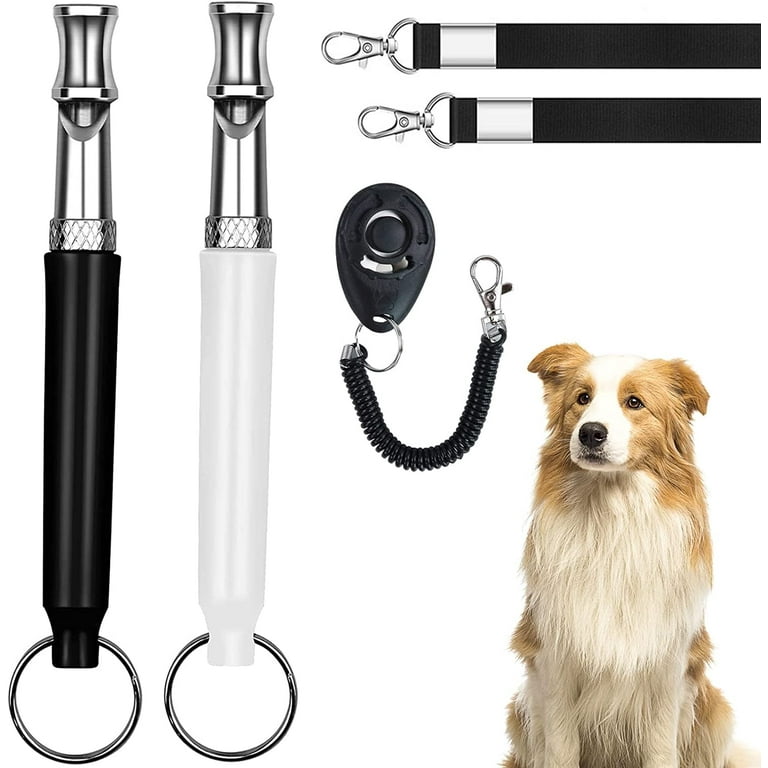
Credit: www.amazon.ca
Advanced Clicker Techniques
Advanced clicker techniques elevate your dog training from basic commands to impressive feats. They not only strengthen the bond between you and your furry friend but also stimulate their minds, keeping them engaged and eager to learn. Let’s dive into some advanced methods that will turn your dog into a clicker training superstar.
Teaching Tricks
Have you ever wanted your dog to perform a cute trick like giving a high-five or rolling over? Advanced clicker techniques can make this possible. Start by breaking the trick into small, manageable steps. Click and reward each successful attempt at a step, gradually building towards the complete trick. Remember, patience is key. Your dog might surprise you with their creativity and eagerness to learn.
Consider using props or toys to enhance the trick. A hoop for jumping through or a ball for fetching can add layers of complexity and excitement. With consistent clicker training, your dog will soon be the star of the show, impressing friends and family with their new skills.
Problem Solving With Clicker Training
Clicker training is not just about teaching tricks; it can also be a powerful tool for problem-solving. Is your dog struggling with a specific behavior, like excessive barking or jumping on guests? Employ clicker training to redirect these behaviors effectively.
Identify the problematic behavior and think of an alternative action you want your dog to perform instead. For instance, if your dog jumps on guests, train them to sit politely. Use the clicker to mark and reward the desired behavior consistently. This approach transforms training into a game, making problem-solving enjoyable for both you and your dog.
Challenge yourself to think outside the box. Could clicker training help with other issues, like fear of loud noises or reluctance to enter the crate? Experiment with different techniques and observe your dog’s response. The possibilities are endless, and the results can be incredibly rewarding.
Common Mistakes To Avoid
Training a dog with a clicker is effective and fun. Yet, many make mistakes that hinder progress. Avoiding these common errors ensures success.
Overusing The Clicker
Clicking too often confuses your dog. The clicker marks a behavior, not commands. Use it sparingly to highlight desired actions. Overuse lessens its impact and can overwhelm your pet.
Inconsistent Timing
Timing is crucial in clicker training. Click too late, and your dog won’t associate the click with the action. Always click immediately after the desired behavior. Consistency helps your dog learn faster.
Tips For Successful Clicker Training
Clicker training can be an effective method to teach dogs new behaviors. Start by associating the clicker sound with a treat. Be consistent with clicks and rewards to reinforce positive actions.
Training a dog with a clicker can be a rewarding experience for both you and your furry friend. It’s not just about teaching commands; it’s about building a bond and understanding. To make the most out of clicker training, it’s crucial to embrace some essential tips that will ensure success. Let’s delve into the key aspects that can make your clicker training journey effective and enjoyable.
Maintaining Patience
Patience is your best friend in clicker training. Dogs learn at their own pace, and sometimes, their curiosity might lead them astray. Imagine your dog getting distracted by a butterfly while training. Instead of feeling frustrated, take a deep breath and refocus your attention on the task at hand. Celebrate small victories. If your dog responds to the clicker even once, it’s a win. Reward them generously. Remember, rushing can lead to confusion, so let your dog savor each step of learning.
Ensuring Consistency
Consistency is the backbone of effective training. Are you using the clicker to reinforce a behavior? Make sure you do it every time, not just sporadically. This helps your dog recognize the pattern and associate the click with positive behavior. Set a routine. Train your dog at the same time each day and in the same environment. This creates a sense of familiarity and helps your dog understand when it’s time to focus. If you change the rules too often, your dog might end up confused and unsure of what’s expected. Consistency is also about the rewards. Use the same treat or praise after the click to reinforce the behavior you’re teaching. It’s about building trust and clarity. Your dog will appreciate knowing exactly what earns them a reward. Are you ready to embark on a successful clicker training journey with your dog? Embrace these tips and watch your bond grow stronger with every click.
Adapting Clicker Training For Different Dogs
Tailoring clicker training enhances learning for different dogs. Consider their breed and personality when using the clicker. Adjust timing and rewards to suit individual needs for effective training.
Adapting clicker training for different dogs requires understanding their unique needs. Each dog has its own personality, age, and learning style. Tailoring the approach makes training more effective. Clicker training is versatile, but adjustments may be necessary. Puppies and older dogs learn differently. Knowing these differences enhances the training experience.
Training Puppies
Puppies are full of energy and curiosity. Clicker training captures their attention easily. Start with simple commands like sit or stay. Use treats to encourage correct behavior. Keep sessions short to maintain their focus. Consistency is key for young dogs. Repeat commands and rewards regularly. Puppies respond well to positive reinforcement. Celebrate small achievements to boost confidence.
Training Older Dogs
Older dogs may have established habits. Clicker training can modify these habits gently. Patience is essential with mature dogs. Begin with familiar commands to build trust. Gradually introduce new commands with the clicker. Reward them generously for progress. Some older dogs need more time to adapt. Repetition helps in reinforcing new behaviors. Stay calm and supportive throughout the process.
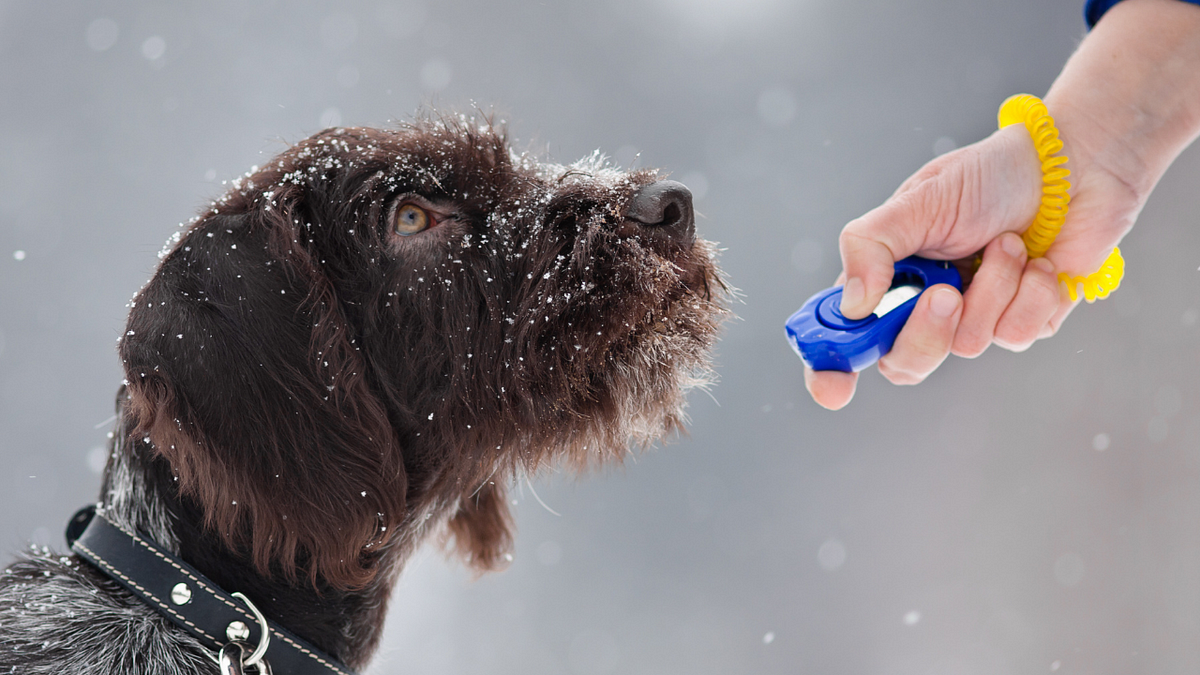
Credit: ullery-lisa.medium.com
Frequently Asked Questions
What Is Clicker Training For Dogs?
Clicker training is a positive reinforcement method. It uses a click sound to mark desired behaviors. Dogs associate the click with rewards, like treats. This method helps in teaching commands and tricks effectively. It’s a humane and engaging way to train dogs.
How Do You Start Clicker Training?
Begin by introducing the clicker sound to your dog. Click and immediately give a treat to create a positive association. Repeat this process several times. Once your dog understands, use the clicker to mark desired behaviors. Always follow up with a reward.
Can All Dogs Be Clicker Trained?
Yes, most dogs can be clicker trained. This method works well for dogs of all ages and breeds. It’s especially effective for puppies and young dogs. Consistency and patience are key. Tailor the training sessions to your dog’s individual needs and pace.
What Are The Benefits Of Clicker Training?
Clicker training is a clear and consistent method. It strengthens communication between you and your dog. This method encourages positive behavior and discourages unwanted actions. It’s a humane way to train without using fear. Dogs often find this training method engaging and fun.
Conclusion
Training a dog with a clicker is simple and effective. It helps build a strong bond with your pet. Patience is key. Use the clicker consistently for best results. Dogs respond well to clear signals. Reward them immediately with treats.
This reinforces good behavior. Practice regularly to see improvement. Clicker training boosts understanding between you and your dog. Enjoy the process. It’s a fun way to teach new tricks. Remember to stay positive. Your dog will appreciate your efforts. Happy training!

Similar Posts

















[…] during walks. Accurate measurements help avoid chafing and ensure maximum mobility. To achieve this, expert tips can guide you through the process, making it simple and […]