Are you ready to take your dog’s comfort to the next level? Choosing the right harness can make all the difference in your pet’s daily adventures, ensuring safety, comfort, and control.
But how do you ensure a perfect fit? Measuring your dog for a harness might seem daunting, but it’s easier than you think. Just imagine the peace of mind knowing your furry friend is secure and comfortable. In this guide, you’ll discover simple steps to measure your dog accurately, avoiding the hassle of returns and ensuring a snug, safe fit.
Dive in, and let’s make sure your pup is ready for walks filled with joy and comfort!
Choosing The Right Harness
Choosing the right harness for your dog is crucial to ensure their comfort and safety. A well-fitted harness can make walks more enjoyable and prevent any potential injuries. But with so many options available, how do you decide which one is best for your furry friend?
Types Of Dog Harnesses
There are several types of dog harnesses, each serving different purposes and dog sizes. Back-clip harnessesare the most common and work well for small to medium-sized dogs who don’t pull much. They’re easy to put on and provide good control.
Front-clip harnessesare designed for dogs that tend to pull. The clip at the front helps redirect their attention towards you, reducing pulling behavior. Then there are dual-clip harnesses, which offer both front and back clips, giving you more flexibility depending on the situation.
For dogs needing extra support, consider a vest-style harness. These distribute pressure evenly and are particularly useful for older dogs or those with mobility issues.
Factors To Consider
When choosing a harness, consider your dog’s size and breed. A large breed might need a more robust design, while a smaller dog may benefit from a lightweight harness. Ensure the harness is adjustable; this is vital for getting the perfect fit.
Material is another key factor. Look for breathable fabrics that won’t irritate your dog’s skin. Some harnesses come with added padding for extra comfort during long walks.
Think about the purpose of the harness. Is it for casual walks, training, or a specific activity like hiking? The intended use will guide you towards the best option. Finally, consider your own convenience. Does the harness have easy-to-use buckles? Can it be cleaned easily?
By keeping these factors in mind, you’ll not only choose the right harness but also strengthen the bond with your dog through enjoyable, stress-free outings. So, what type of harness do you think suits your dog’s needs best?
Credit: www.facebook.com
Tools Needed For Measurement
Measuring your dog for a harness may seem like a straightforward task, but having the right tools can make the process hassle-free and accurate. Whether you’re a seasoned pet parent or a first-time dog owner, knowing which tools to use can save you time and ensure your furry friend’s comfort. Let’s dive into the essentials you’ll need to get the perfect fit.
Measuring Tape
A measuring tape is your primary tool. Opt for a flexible, cloth tape rather than a rigid metal one. This allows you to easily wrap around your dog’s body contours without causing discomfort. If you’re unsure about where to find one, check your sewing kit or local craft store. A flexible tape ensures you capture the true dimensions of your dog’s chest and neck.
As you measure, keep the tape snug but not tight. You should be able to fit two fingers between the tape and your dog’s body. This ensures the harness won’t be too restrictive, giving your dog freedom to move comfortably.
Reference Chart
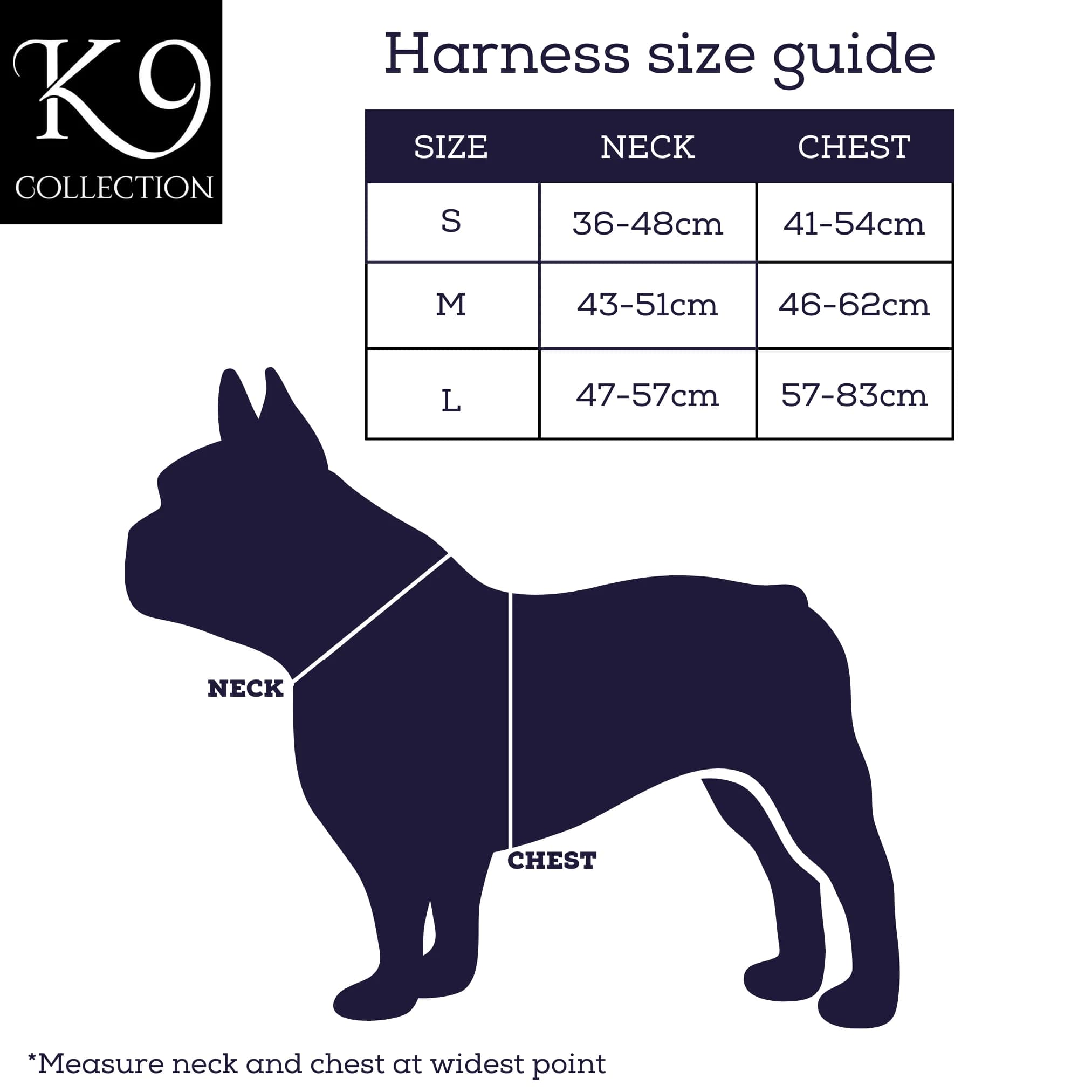
A reference chart is crucial for translating measurements into the right harness size. Many harness brands provide sizing charts on their websites or packaging. These charts typically list measurements alongside corresponding sizes, allowing you to find the perfect fit. Make sure to note the brand-specific sizing, as not all harnesses are created equally.
Have you ever bought a medium-sized harness only to find out it was too small or too big? This is where a reference chart saves the day, eliminating guesswork and ensuring you make a purchase that suits your dog’s unique build. Double-check your measurements against the chart to avoid returns or exchanges.
Would you trust a poorly fitted harness to keep your dog safe during walks? Using the right tools and a reference chart ensures not only comfort but also safety for your furry friend.
Steps To Measure Your Dog
Measuring your dog correctly ensures a comfortable harness fit. Avoid discomfort and potential health issues with accurate measurements. Follow these easy steps to measure your dog effectively.
Identifying Key Measurement Points
Start by identifying the main areas to measure. Focus on the neck and chest for a snug fit. These points are crucial for ensuring the harness stays secure.
Measuring The Neck
Use a soft tape measure around your dog’s neck. Position it just below the collar area. Ensure the tape sits comfortably without being too tight. Allow space for two fingers between the tape and neck.
Measuring The Chest
Wrap the tape around the widest part of your dog’s chest. Typically located behind the front legs. Again, ensure two fingers can fit between the tape and chest.
Adjusting For Comfort
Check measurements against harness size charts. Make adjustments for a comfortable fit. The harness should allow movement but not slip off.

Credit: www.sophisticatedpet.com.au
Common Mistakes To Avoid
Incorrect measurements can lead to an uncomfortable harness fit for your dog. Measure the chest and neck carefully. Ensure the tape is snug but not tight for accuracy.
Measuring your dog for a harness might seem straightforward, but many pet owners make common mistakes that lead to discomfort or even safety issues. Understanding these pitfalls can ensure a perfect fit for your furry friend. Let’s explore some frequent errors and how you can avoid them.
Incorrect Measurement Techniques
Many people use incorrect tools or methods when measuring their dog. A common mistake is using a rigid tape measure, which doesn’t conform to your dog’s body shape. Instead, use a flexible tailor’s tape for more accurate measurements. Additionally, measuring your dog while they are lying down or in an awkward position can lead to inaccuracies. Ensure your dog is standing up straight for the best results. Think of it like measuring yourself for a piece of clothing—standing is key. Another mistake is not accounting for fur, especially with long-haired breeds. Always measure over the fur, not under it, to ensure the harness won’t be too tight.
Ignoring Breed-specific Needs
Every dog breed has unique body shapes, and ignoring these can lead to an ill-fitting harness. For instance, a harness that fits a Dachshund may not suit a Bulldog. Consider your dog’s unique anatomy when choosing a harness style. Certain breeds have specific needs, such as Greyhounds, who require harnesses with extra padding to protect their delicate skin. Research your breed’s characteristics to find the most suitable harness type. Ignoring these needs can lead to discomfort or even injury. Would you wear shoes that don’t fit your feet? The same consideration applies to your dog’s harness. By being mindful of these common mistakes, you can ensure your dog’s harness is both comfortable and secure. It’s a small effort that makes a big difference in your dog’s daily walks.
Expert Tips For Accurate Measurement
Properly measuring your dog for a harness is crucial. A well-fitted harness ensures safety and comfort during walks. Accurate measurements help avoid chafing and ensure maximum mobility. To achieve this, expert tips can guide you through the process, making it simple and effective.
Ensuring Your Dog’s Cooperation
Keep your dog calm and relaxed. Use treats or toys to get their attention. Make the process feel like a game. This helps them cooperate willingly. Having a friend assist can be helpful. One person can distract while the other measures. This reduces stress for your dog.
Double-checking Measurements
Use a flexible tape measure for accuracy. Measure twice to confirm your numbers. Write down each measurement immediately. Check the snugness by inserting two fingers. This ensures the harness won’t be too tight. Double-check the neck, chest, and girth measurements. These areas are crucial for a proper fit.

Credit: k9apparel.com
Ensuring Proper Fit
Properly measuring your dog ensures a comfortable harness fit. Use a soft tape measure to check the neck and chest circumference. Adjust for snugness, allowing two fingers space between the harness and skin.
Ensuring Proper Fit Finding the right harness for your dog is crucial for both their comfort and safety. A harness that fits well can prevent injuries and make walks more enjoyable for both you and your furry friend. But how do you know if your dog’s harness fits just right? Let’s delve into the specifics to make sure your pup is as comfortable as possible.
Testing The Harness
Once you’ve placed the harness on your dog, it’s time to test its fit. Gently tug on the harness to check its security. It should hold snugly without causing discomfort. Walk your dog around the house to see how they move in it. Does the harness shift or stay in place? A good harness should move with your dog, not against them. If possible, try a brief outdoor walk. Sometimes, dogs behave differently outside than inside. This can give you a better sense of the harness’s performance in real-world conditions.
Signs Of A Good Fit
A well-fitted harness will allow you to slide two fingers between the harness and your dog’s body. This ensures it’s tight enough to stay secure but loose enough for comfort. Observe your dog’s behavior. Are they comfortable and moving freely? Your dog should be able to run, sit, and lie down without any restriction. Watch for any chafing or redness on their skin after removing the harness. These are signs that it might be too tight or not positioned correctly. Ensuring a proper fit involves some trial and error, but it’s worth the effort. After all, your dog’s comfort and safety are at stake. So, what are you waiting for? Get that harness fitted perfectly and enjoy those adventures with your pooch!
Frequently Asked Questions
How To Choose The Right Harness Size?
To choose the right harness size, measure your dog’s chest and neck. Ensure the harness fits snugly but allows room for movement. Consult the manufacturer’s size chart for accuracy. A well-fitted harness prevents discomfort and ensures safety during walks.
What Tools Do I Need For Measuring?
You’ll need a flexible tape measure to accurately measure your dog. This tool ensures you capture the chest and neck circumference correctly. It’s important to have a calm dog while measuring for precise results.
Can Harness Size Affect Dog Comfort?
Yes, harness size can significantly impact your dog’s comfort. A poorly fitted harness may cause chafing or restrict movement. Ensure the harness fits well to maintain your dog’s comfort and safety during walks.
Why Measure Before Buying A Harness?
Measuring before purchasing a harness ensures you select the correct size. An accurate fit prevents discomfort and enhances safety. The right measurements guarantee a comfortable walking experience for your dog.
Conclusion
Choosing the right harness ensures your dog’s comfort and safety. Accurate measurements help find the perfect fit. Measure chest, neck, and back for best results. Use a flexible tape for precise readings. Check the fit regularly as your dog grows or changes weight.
A well-fitted harness prevents injuries and enhances walks. Follow these steps to keep your furry friend happy. Enjoy stress-free adventures together. A snug, comfortable harness makes all the difference. Happy measuring and happy walking!