How to Moisturize Dogs Skin: Expert Tips & Tricks
Your dog’s skin is one of the most important indicators of their overall health and happiness. Just like humans, dogs can suffer from dry, itchy skin that can make them uncomfortable and cranky.
You might have noticed your furry friend scratching more than usual or spotted flaky patches on their coat. As a caring pet owner, you naturally want to help your dog feel their best. Fortunately, moisturizing your dog’s skin can be straightforward and highly effective.
Imagine a world where your dog is free from itchiness, their coat gleams, and their mood is uplifted. By learning how to properly moisturize your dog’s skin, you are not only enhancing their well-being but also strengthening the bond you share. In this guide, you will discover practical tips and easy solutions that will make a noticeable difference in your dog’s life. Ready to see your dog thrive with healthy skin? Let’s dive in and explore how you can make this happen.
Importance Of Moisturizing Your Dog’s Skin
Moisturizing your dog’s skin is vital for their health and comfort. Dogs can suffer from dry skin due to various factors like weather or allergies. Dry skin can lead to itching, irritation, and infection. Keeping your dog’s skin well-moisturized helps maintain its natural barrier. It also promotes healing and prevents problems. Regular moisturizing ensures your dog stays happy and healthy. This simple care routine improves their quality of life.
Understanding Your Dog’s Skin Needs
Dog skin differs from human skin. It has unique needs and characteristics. Skin acts as a protective barrier. It guards against germs and environmental factors. Dry skin weakens this barrier, making dogs vulnerable. It’s crucial to know your dog’s skin type and needs. Regular checks help you spot issues early. Being informed aids in choosing suitable products and routines.
Common Causes Of Dry Skin In Dogs
Many factors contribute to dry skin in dogs. Weather changes, like cold winters, cause dryness. Allergies and poor diet also play a role. Lack of hydration affects skin health. Dogs exposed to harsh chemicals or frequent bathing may suffer. Identifying the root cause aids in finding effective solutions.
Benefits Of Moisturizing Your Dog’s Skin
Moisturizing enhances skin health and appearance. It reduces itching and irritation. Moist skin improves comfort and prevents scratching. This reduces the risk of infection. Well-moisturized skin supports healing and resilience. It helps maintain a shiny, healthy coat. Regular care boosts your dog’s overall well-being.
Selecting the right moisturizer is essential. Consider your dog’s skin type and needs. Look for products with natural ingredients. Avoid harsh chemicals and fragrances. Consult your vet for recommendations. They offer guidance based on your dog’s specific condition. A suitable product ensures effective results.
Signs Of Dry Skin In Dogs
Recognizing dry skin in dogs is crucial for their well-being. Dry skin can make dogs uncomfortable and irritable. Understanding the signs helps in taking timely action. Dogs show various symptoms when their skin is dry. Learning these signs can guide you in providing the right care.
Excessive Scratching
Dogs with dry skin scratch a lot. This behavior is a clear indication of discomfort. Constant scratching can lead to skin damage and infections.
Flaky Skin
Flakes on your dog’s coat suggest dry skin. These flakes resemble dandruff and are easy to spot. Regular grooming helps in noticing such signs early.
Red And Inflamed Patches
Dry skin can cause redness and inflammation. These patches might appear on different parts of the body. It’s a sign that your dog needs immediate attention.
Hair Loss
Noticeable hair loss can point to dry skin issues. Dry skin weakens hair follicles, leading to shedding. It’s important to address this problem to prevent further loss.
Foul Odor
A bad smell might come from your dog’s skin. This odor often arises from dry skin combined with bacteria. It’s a sign that requires quick action to prevent infections.
Cracked Or Scaly Skin
Cracks and scales are common in dogs with dry skin. These can become painful and lead to more severe problems. Regular moisturizing can help in healing and preventing these issues.
Choosing The Right Moisturizer
Choosing the right moisturizer for your dog’s skin can make all the difference in maintaining their health and comfort. Just like humans, dogs can experience dry, itchy skin, and finding the right product can alleviate these issues. As you explore options, consider what suits your dog’s needs best, and remember, it’s not just about the label; it’s about the ingredients and their benefits.
Natural Vs. Commercial Products
Natural products often boast fewer chemicals and are gentle on sensitive skin. They include ingredients like coconut oil and aloe vera, which provide hydration while soothing irritation. Many dog owners appreciate the simplicity and transparency of natural options.
On the other hand, commercial products are specifically formulated to tackle common skin issues in dogs. They might contain specialized ingredients that provide targeted relief and are often backed by veterinary recommendations. However, they may include synthetic additives or fragrances, which some dogs might react to.
Ingredients To Look For
When selecting a moisturizer, focus on ingredients known for their skin-friendly properties. Oatmeal is a classic choice for soothing and moisturizing dry skin. It has anti-inflammatory properties that help reduce itching.
Another beneficial ingredient is Vitamin E, renowned for its antioxidant qualities. It aids in skin repair and protects against environmental damage. Shea butter is also popular for its deep moisturizing capabilities and ability to soften rough patches.
Consider what your dog’s skin needs. Do they have sensitive skin? Are they prone to allergies? Tailor your choice to their specific condition, ensuring comfort and relief.
Have you ever tried a homemade remedy on your dog only to find it worked wonders? Sometimes, the simplest solutions are the most effective. Share your experiences and insights with other dog owners. What ingredient do you swear by?
Application Techniques
Ensuring your dog’s skin stays moisturized is crucial for their overall health and happiness. Application techniques are key to a successful moisturizing routine. By using the right methods, you can prevent dryness and irritation, leaving your furry friend with a shiny, healthy coat.
Bath Time Moisturizing
Bath time is an excellent opportunity to moisturize your dog’s skin. Choose a moisturizing shampoo that is specifically designed for dogs. This helps retain the natural oils in their skin.
After shampooing, apply a hydrating conditioner. Let it sit for a few minutes to absorb into the skin. Rinse thoroughly to avoid any residue.
Consider adding a few drops of dog-friendly oil, like coconut oil, to the final rinse. This can add an extra layer of moisture and protection.
Daily Skin Care Routine
Consistency is key in maintaining healthy skin for your dog. Start with regular brushing to remove dead skin cells and stimulate blood circulation.
Use a moisturizing spray or lotion designed for dogs. Apply it evenly across their coat, focusing on dry areas like elbows and paws.
During cooler months, keep an eye on humidity levels in your home. A humidifier can help maintain skin moisture, preventing dryness.
How do you know your efforts are paying off? Look for a shiny coat and fewer signs of scratching. Your dog will thank you with wagging tails and happy barks!
Diet And Hydration’s Role
Understanding how diet and hydration can impact your dog’s skin is essential for their overall health. Just like humans, dogs need a balanced diet and proper hydration to maintain a healthy skin barrier. If you’ve ever noticed your dog’s coat looking dull or their skin feeling dry, it might be time to evaluate their diet and water intake. Let’s dive into how you can optimize your dog’s skin health through these crucial elements.
Nutritional Supplements
Have you ever considered adding supplements to your dog’s diet? Omega-3 fatty acids are known for their skin-improving properties. They can help reduce inflammation and promote a glossy coat. You might find these in fish oil or flaxseed oil, available at most pet stores. But remember, it’s always best to consult with your vet before introducing any new supplement.
Is your dog eating enough protein? Protein supports the growth and repair of skin cells. Ensure their food contains high-quality sources like chicken or beef. A balanced diet with essential vitamins and minerals can make a noticeable difference in their skin health.
Ensuring Adequate Water Intake
Do you monitor your dog’s water consumption? Hydration is not just about quenching thirst; it plays a critical role in maintaining skin moisture. Dogs need access to fresh water throughout the day. If your dog isn’t drinking enough, their skin can become dry and flaky.
Consider investing in a pet fountain. Running water can be more enticing for dogs, encouraging them to drink more frequently. You can also add water to their food to increase hydration. If your dog is active, ensure they drink more to compensate for lost fluids.
How can you tell if your dog is hydrated enough? Check for elastic skin and bright eyes. A hydrated dog will generally have more energy and a healthier coat.
Seasonal Skin Care Tips
Seasonal changes can affect your dog’s skin health. Different weather conditions require specific care. Understanding how to adjust skincare routines is essential. It ensures your dog remains comfortable and healthy throughout the year.
Winter Care
Cold air can dry out your dog’s skin. Use a humidifier indoors to add moisture. Moisturizing shampoos can help keep the skin soft. Apply a natural oil, like coconut oil, to dry patches. Limit outdoor time during windy days. Monitor for signs of dryness or irritation.
Summer Protection
Hot weather increases the risk of sunburn and dehydration. Keep your dog hydrated with fresh water. Apply sunscreen to exposed areas like the nose. Choose a sunscreen made for dogs. Regularly brush to remove loose fur and reduce heat. Consider protective clothing for longer sun exposure. Check paws for hot surfaces burns.
Consulting A Veterinarian
Consulting a veterinarian is essential for your dog’s skin health. They offer expert advice tailored to your pet’s needs. A professional can identify underlying issues affecting your dog’s skin. This ensures you address the root of the problem, not just the symptoms.
When To Seek Professional Advice
Notice persistent dryness or irritation on your dog’s skin? It’s time to seek expert advice. If homemade remedies don’t help, consult a vet. Unusual behaviors, like excessive scratching, indicate skin issues. A veterinarian can provide the right treatment plan.
Preparing For A Vet Visit
Gather all necessary information before visiting the vet. Note any changes in your dog’s skin condition. Document when the issue started and any treatments tried. This helps the vet assess the situation efficiently.
Bring your dog’s medical history if available. This assists the vet in understanding past health issues. Prepare questions about possible causes and treatments. This ensures you leave with clear guidance.
Credit: www.skoutshonor.com
Common Mistakes To Avoid
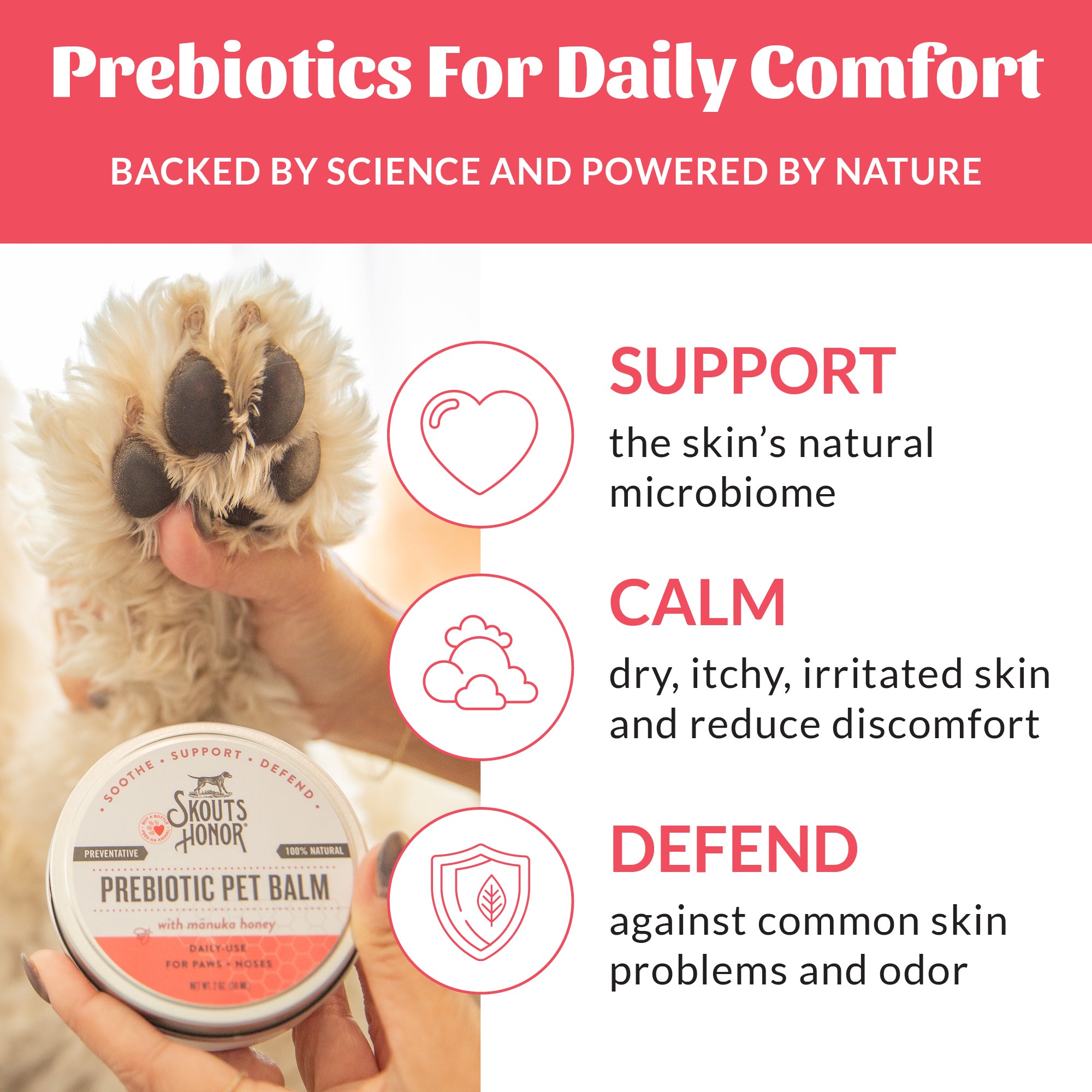
Avoid using human moisturizers on dogs as they can harm their skin. Choose products specifically designed for canine use. Over-moisturizing may lead to oily skin and discomfort for your pet.
Moisturizing your dog’s skin is an essential part of keeping them healthy and comfortable. However, many pet owners make common mistakes that can lead to ineffective results or even harm their furry friends. Understanding these pitfalls can help you avoid them and ensure your dog’s skin stays well-nourished and hydrated. Let’s explore the typical errors people make when moisturizing their dogs’ skin.Using Human Products
Many pet owners mistakenly use human moisturizers on their dogs. Human skincare products often contain ingredients that are safe for humans but harmful to dogs. For instance, fragrances and certain chemicals can cause irritation or allergic reactions. Always opt for products specifically designed for canine skin.Over-moisturizing
Believe it or not, you can over-moisturize your dog’s skin. Applying too much moisturizer can clog pores and lead to skin infections. Start with a small amount and observe how your dog’s skin responds. If you’re unsure, consult with your veterinarian for guidance.Ignoring Dietary Needs
Moisturizing isn’t just about what you apply externally. Your dog’s diet plays a crucial role in skin health. Lack of essential fatty acids, like Omega-3 and Omega-6, can lead to dry skin. Consider adding fish oil or flaxseed oil to their food to boost skin moisture from the inside out.Skipping Regular Check-ups
Some skin issues might require more than just topical treatments. Regular vet check-ups can identify underlying health issues that affect skin health. Don’t assume that dry skin is only due to environmental factors; it could be a sign of a deeper problem. Have you ever wondered if your dog’s skin issues are really just about moisture? What if there’s an underlying cause that needs attention? By avoiding these common mistakes, you can ensure your dog receives the best care possible.Diy Remedies For Dog’s Skin
Keeping your dog’s skin moisturized is essential for their health. Dry skin can lead to itching and discomfort. You can use DIY remedies to soothe your dog’s skin naturally. These home solutions can be effective and safe. They are also easy to make with common ingredients.
Home-made Moisturizing Solutions
Many simple ingredients can help moisturize your dog’s skin. Oatmeal is a great option. It soothes and hydrates dry skin. Create an oatmeal paste by mixing oatmeal with water. Apply it gently on your dog’s skin and let it sit for 10 minutes. Rinse with lukewarm water.
Coconut oil is another excellent choice. It has natural moisturizing properties. Apply a small amount on your hands and massage it into your dog’s skin. Do this once a week for best results.
Safe Essential Oils
Essential oils can also help moisturize your dog’s skin. Lavender oil is calming and safe for dogs. Dilute it with a carrier oil like coconut oil. Use a few drops of lavender oil mixed with a tablespoon of carrier oil. Apply it gently to your dog’s skin.
Chamomile oil is another safe option. It reduces inflammation and soothes the skin. Mix a few drops with a carrier oil and apply as needed. Always ensure the oils are well-diluted to avoid irritation.
Remember, not all essential oils are safe for dogs. Always research before use and consult your vet if unsure.

Credit: petfriendlybox.com

Credit: supertails.com
Frequently Asked Questions
How Can I Moisturize My Dog’s Dry Skin?
To moisturize your dog’s dry skin, use dog-safe, natural oils like coconut oil. Apply sparingly to affected areas. Regular grooming can also help distribute natural oils. Ensure a balanced diet with essential fatty acids. Consult your vet for tailored advice and to rule out underlying health issues.
What Natural Remedies Help Dog Skin Hydration?
Natural remedies include coconut oil, aloe vera, and oatmeal baths. These soothe and hydrate the skin. Ensure your dog drinks plenty of water. A well-balanced diet with omega-3 and omega-6 fatty acids supports skin health. Always consult your vet before trying new remedies.
Is Coconut Oil Safe For Dog Skin?
Yes, coconut oil is generally safe for dogs’ skin. It moisturizes and soothes dry areas. Apply a small amount to affected spots. Monitor for any allergic reactions. While beneficial, moderation is key. Consult your veterinarian for personalized advice and to ensure it suits your dog’s needs.
Can Diet Affect My Dog’s Skin Health?
Yes, diet significantly impacts your dog’s skin health. A balanced diet with essential fatty acids promotes healthy skin. Omega-3 and omega-6 fatty acids are crucial. High-quality proteins and vitamins also support skin condition. Consult your vet for dietary recommendations tailored to your dog’s specific needs.
Conclusion
Caring for your dog’s skin keeps them healthy and happy. Regular moisturizing helps prevent dryness and irritation. Choose gentle products made for dogs. Check ingredients to avoid harmful chemicals. Always consult your vet for specific advice. A consistent routine makes a big difference.
Happy skin means a happier dog. Simple steps lead to great results. Your pet deserves the best care. Remember, healthy skin reflects a healthy pet. Keep your furry friend comfortable and content. A little effort goes a long way. Enjoy the special bond with your well-cared-for dog.


