How to Treat Dog With Yeast Infection on Skin: Expert Tips
Senior Canine Nutritionist & Dog Behavior Specialist at Cozy Dog Go Wellness Lab

Your furry friend is more than just a pet; they are family. So, when you notice them constantly scratching, shaking their head, or biting their skin, it can be concerning.
Yeast infections on a dog’s skin are more common than you might think, and they can cause discomfort for your beloved companion. But don’t worry, you’re not alone, and there are effective ways to help your dog feel better quickly.
You’ll discover practical and straightforward solutions to treat your dog’s yeast infection on their skin. By understanding the signs and knowing the right steps to take, you can alleviate your dog’s discomfort and prevent future outbreaks. Keep reading to learn how to restore your dog’s skin health and bring back those happy, tail-wagging days. Your dog deserves the best care, and you have the power to provide it.

Credit: www.amazon.com
Identifying Yeast Infections In Dogs
Yeast infections in dogs can be a frustrating and uncomfortable experience for both you and your furry friend. Recognizing the signs early can make a significant difference in how effectively you can manage and treat the condition. Let’s delve into the key indicators that can help you identify if your dog is dealing with a yeast infection on their skin.
Common Symptoms
Yeast infections often manifest through specific symptoms that are hard to miss. Your dog might experience intense itching, leading to constant scratching or biting of the affected area. You may also notice a distinct musty or cheesy odor emanating from your dog, which is a telltale sign of yeast overgrowth.
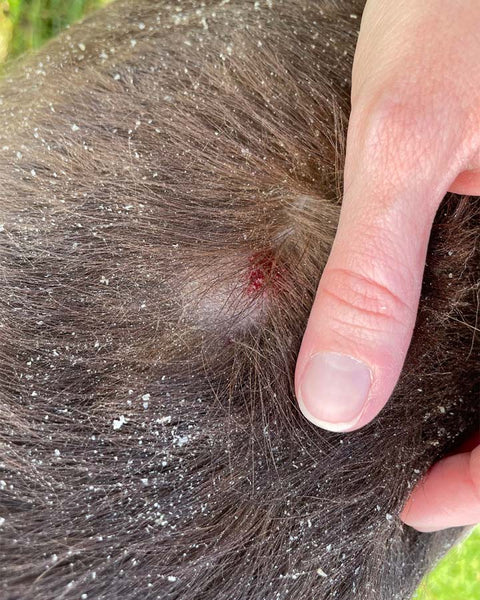
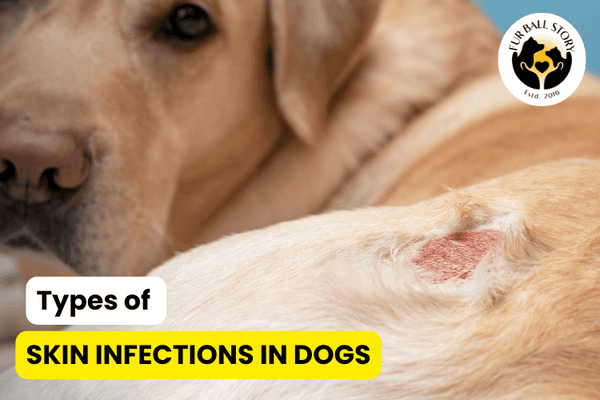
Another symptom to watch out for is the appearance of red, inflamed skin or greasy, flaky patches. If your dog seems unusually tired or lethargic, it might be related to the discomfort caused by the infection. Keep an eye on these changes, as they can help you catch the infection early.
Affected Areas
Yeast infections in dogs frequently target specific areas of their body. Ears are a common site, with infections leading to head shaking or ear scratching. You might also notice dark brown or black discharge in their ears.
Paws can also be affected, resulting in your dog licking or chewing them excessively. Look for redness, swelling, or an unpleasant odor between their toes. Additionally, yeast infections can appear in skin folds, underbelly, or other areas where the skin is warm and moist.
When To Consult A Veterinarian
If you suspect your dog has a yeast infection, it’s crucial to know when to seek professional help. Mild symptoms might be manageable at home, but if your dog’s condition doesn’t improve with basic care, consulting a veterinarian is essential.
Persistent symptoms, such as severe itching, widespread skin changes, or secondary infections, warrant a vet’s attention. They can provide proper diagnosis and recommend effective treatments, such as medicated shampoos or oral medications.
Remember, your veterinarian is your best resource in ensuring your dog receives the appropriate care. Don’t hesitate to reach out for guidance if you’re unsure about your dog’s symptoms.
Credit: belovedpets.com
Causes Of Yeast Infections
Yeast infections in dogs can arise from allergies, humidity, or weakened immunity. Identifying the cause helps in effective treatment.
Yeast infections in dogs can be frustrating. Understanding the causes helps in prevention and treatment. Yeast thrives in certain conditions. Identifying these can aid in managing your dog’s health effectively.Environmental Factors
Wet and humid surroundings promote yeast growth. Dogs often get infections in rainy weather. Moisture trapped in fur creates a perfect environment. Regular grooming helps keep fur dry. Dirty living spaces also contribute. Yeast thrives in unclean environments. Clean bedding and living areas reduce infection risk.Dietary Influences
Diet plays a role in yeast infections. High-carb diets can increase yeast growth. Carbohydrates turn into sugars, feeding yeast. Balanced diets help manage this risk. Quality dog food with low carb content is recommended. Monitor your dog’s reactions to different foods. Some dogs may have sensitivities that trigger yeast growth.Underlying Health Conditions
Certain health issues can lead to yeast infections. Dogs with allergies often experience skin problems. Allergies cause scratching, leading to skin damage. Damaged skin becomes prone to infections. Hormonal imbalances can also affect yeast growth. Conditions like hypothyroidism may increase susceptibility. Regular vet check-ups can catch these issues early. Early detection allows for better management.Effective Treatment Options
When your beloved dog is suffering from a yeast infection on their skin, it can be distressing for both of you. Thankfully, there are several effective treatment options available to help alleviate your dog’s discomfort and get them back to their happy, tail-wagging self. Each treatment method has its own benefits, and sometimes a combination of approaches might be the best path to recovery. Let’s dive into the specifics.
Topical Treatments
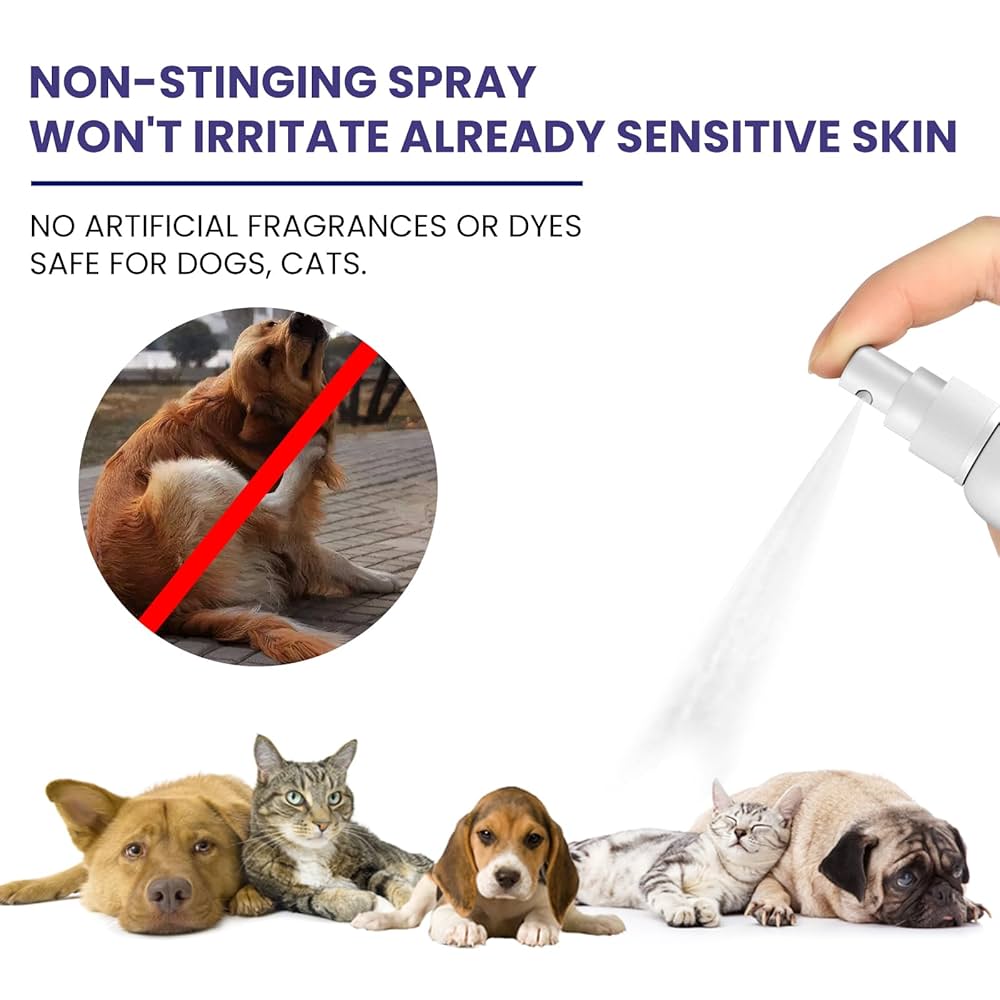
Topical treatments are often the first line of defense against yeast infections in dogs. These can include creams, ointments, or sprays applied directly to the affected area. They work by targeting the yeast on the skin and reducing inflammation and irritation. You might find yourself applying these treatments a few times a day, but the relief they bring to your dog can be worth the effort.
Have you ever noticed a rapid change after using a topical cream on your dog’s itchy skin? The immediate soothing effect can sometimes be surprising, making both you and your furry friend breathe a sigh of relief. Always ensure you follow the vet’s instructions on application frequency and duration.
Medicated Shampoos
Bathing your dog with a medicated shampoo is another effective way to address a yeast infection. These shampoos are specially formulated to eliminate yeast and maintain a healthy skin barrier. You might need to bathe your dog more frequently than usual, possibly several times a week, to see noticeable improvements.
Consider making bath time a bonding experience rather than a chore. Sing a silly song or talk softly to your dog to make the process enjoyable. This can turn a seemingly mundane task into a special moment between you and your pet.
Oral Medications
In more severe cases, oral medications may be necessary. These are prescribed by a veterinarian and can help tackle yeast infections from the inside out. They work by inhibiting the growth of yeast and are usually prescribed for a specific duration.
Giving your dog oral medication may seem daunting at first. However, wrapping the pill in a treat or using pill pockets can make this task much easier. Have you ever tried hiding the pill in a piece of cheese? It’s a simple trick that often works wonders.
Each treatment option offers a different approach, so it’s worth discussing with your vet to find the best combination for your dog’s specific needs. Remember, your dog relies on you for their well-being, and your attentive care can make all the difference in their recovery journey. What methods have you tried that worked wonders for your pet? Share your experiences in the comments below!
Natural Remedies
Treating a dog’s yeast infection on the skin naturally involves regular baths with gentle, anti-fungal shampoos. Incorporate apple cider vinegar diluted with water as a topical solution to soothe irritation and combat infection.
Natural remedies offer a gentle approach to treat your dog’s yeast infection. These methods can soothe irritation and balance your dog’s skin naturally. By adjusting your dog’s diet, using homeopathic solutions, and introducing probiotics and supplements, you can help your dog heal and feel better. Each method works towards restoring your dog’s skin health.Dietary Adjustments
Diet plays a vital role in managing yeast infections. Reduce sugar and carbs in your dog’s meals. These can feed yeast and worsen infections. Focus on high-quality proteins and healthy fats. Add vegetables rich in vitamins and minerals. Sweet potatoes and carrots are great choices. They support skin health and boost immunity. Ensure your dog stays hydrated. Water helps flush toxins and keeps the skin moist.Homeopathic Solutions
Homeopathic remedies can ease symptoms and promote healing. Tea tree oil is a popular option. It has antifungal properties that can reduce yeast growth. Dilute it with water before applying to the skin. Coconut oil is another effective remedy. It soothes irritated skin and has antimicrobial benefits. Apply a thin layer to affected areas. Oatmeal baths provide relief from itching. They cleanse the skin gently and improve comfort.Probiotics And Supplements
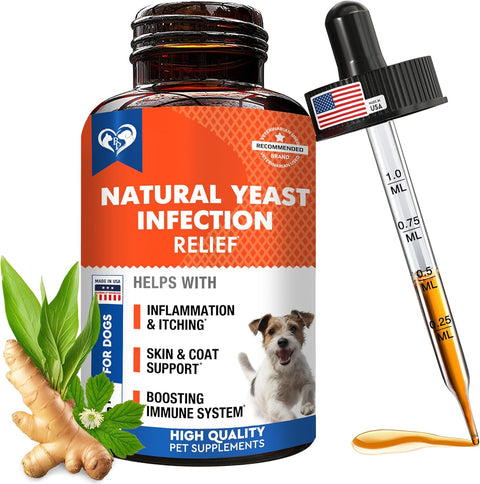
Probiotics help balance gut bacteria and support immune function. They can reduce yeast overgrowth and improve skin condition. Choose a high-quality canine probiotic. Follow the recommended dosage for best results. Supplements like omega-3 fatty acids boost skin health. They reduce inflammation and strengthen the skin barrier. Vitamin E and zinc are also beneficial. They promote healing and protect against future infections.Preventive Measures
Preventing a yeast infection in your dog’s skin is easier than you might think. By adopting a few proactive measures, you can significantly reduce the risk. This section will guide you through some simple yet effective practices to keep your furry friend happy and healthy.
Regular Grooming Practices
Regular grooming is crucial in preventing yeast infections. Brush your dog’s coat to remove excess fur and dirt. This will help to keep their skin dry and less susceptible to infections.
Bathing your dog with antifungal shampoo once a month can be beneficial. But be cautious not to over-bathe, as this can strip natural oils, making skin dry and prone to infections.
Keep your dog’s ears clean and dry, especially if they are floppy. Moisture and dirt can accumulate, creating an environment for yeast to thrive.
Balanced Diet
A balanced diet plays a vital role in maintaining your dog’s skin health. Include high-quality proteins and healthy fats to support their immune system.
Consider adding probiotics to your dog’s diet. These can help maintain a healthy balance of bacteria, reducing the chances of yeast overgrowth.
Consult your vet about possible food allergies. Sometimes, a change in diet can make a significant difference in preventing skin issues.
Monitoring Environmental Changes
Environmental changes can trigger yeast infections. Be aware of humidity levels, especially during seasonal changes. Keep your dog’s living area well-ventilated and dry.
Watch for changes in your dog’s behavior. Scratching or licking could indicate discomfort. Address these signs promptly to avoid potential infections.
Are there new plants or chemicals in your home or yard? Certain substances can cause skin reactions that may lead to infections. Keep your dog’s environment as consistent and safe as possible.
When To Seek Professional Help
Persistent itching or redness on your dog’s skin may need a vet’s attention. Seek help if symptoms worsen or don’t improve with home care. Prompt professional care ensures effective treatment and comfort for your pet.
When your dog has a yeast infection on its skin, it can be distressing. While home remedies can help, some situations require professional intervention. Knowing when to consult a vet is crucial for your dog’s health. Here are key indicators for seeking expert help.Persistent Symptoms
If symptoms don’t improve in two weeks, see a vet. Constant scratching, redness, or a bad smell can be signs. These symptoms may point to a deeper issue needing professional care. Ignoring them can worsen your dog’s condition.Complications And Recurrence
Frequent infections might indicate underlying health problems. Dogs with recurring yeast infections need more than basic treatment. A vet can identify other health issues causing these infections. This can prevent future outbreaks and ensure your dog stays healthy.Advanced Treatment Options
Sometimes, basic treatments don’t work. Your vet can offer advanced solutions. These may include special shampoos or medications. They may also recommend dietary changes. Professional guidance ensures your dog receives the best care possible.
Credit: www.amazon.com
Frequently Asked Questions
What Causes Yeast Infection On Dog’s Skin?
Yeast infections in dogs are often caused by an overgrowth of Malassezia yeast. Factors like allergies, weakened immune systems, and excessive moisture can trigger this. It’s essential to identify and address the underlying cause to effectively treat the infection and prevent future occurrences.
How To Identify Yeast Infection In Dogs?
Signs of a yeast infection include itching, redness, and a musty odor. You might also notice greasy skin and hair loss. A veterinarian can confirm the diagnosis with a skin test. Early detection is crucial for effective treatment and to alleviate your dog’s discomfort quickly.
Can Diet Help Treat Dog Yeast Infections?
Yes, diet plays a significant role in managing yeast infections. A diet low in carbohydrates and high in protein can help. Adding probiotics and omega-3 fatty acids can also strengthen your dog’s immune system. Consult your veterinarian for dietary recommendations tailored to your dog’s needs.
Are Home Remedies Effective For Dog Yeast Infections?
Home remedies can provide temporary relief but aren’t a substitute for veterinary care. Apple cider vinegar, coconut oil, and probiotic supplements can help. However, it’s important to consult with a veterinarian for a comprehensive treatment plan to address the infection’s root cause.
Conclusion
Caring for a dog with a yeast infection needs patience. Start by consulting your vet for advice. Follow recommended treatments carefully. Bathing your dog regularly helps. Use antifungal shampoos as directed. Monitor your dog’s diet closely. Balanced nutrition supports healing.
Keep your dog’s skin dry and clean. Moisture can worsen the infection. Regular check-ups ensure recovery. Stay attentive to changes in your dog’s skin. Early action prevents complications. Your dog will appreciate your care. With proper treatment, your furry friend will feel better soon.
Enjoy your time together.

Similar Posts