Putting a dog harness on your furry friend can sometimes feel like solving a puzzle with too many pieces. You might find yourself wondering which strap goes where, and how tight it should be for comfort and safety.
You’re not alone. Many dog owners face this challenge, and mastering it can make walks more enjoyable and stress-free for both you and your dog. Imagine the peace of mind knowing your pup is secure and comfortable during every adventure.
This guide will give you the straightforward steps you need to confidently put a harness on your dog, ensuring it fits just right. Dive in, and you’ll be ready for your next outing with ease!
Choosing The Right Harness
Selecting the perfect harness for your dog ensures comfort and safety. Slip the harness over the dog’s head, then fasten the straps securely around the body. Adjust for a snug fit, allowing two fingers between the harness and fur.
Choosing the right harness for your dog is important. It ensures comfort and safety during walks. A good harness fits well and suits your dog’s needs. Here’s how to select the best one.Types Of Dog Harnesses
There are several types of dog harnesses. The most common is the back-clip harness. It has a clip at the back, ideal for small dogs. A front-clip harness has a clip at the chest. It offers better control for dogs that pull. Dual-clip harnesses combine both options. They offer versatility and control. Lastly, step-in harnesses are easy to use. Dogs step into them and fasten at the back.Size And Fit Considerations
Size matters for a comfortable harness fit. Measure your dog’s girth and neck. Use a tape measure for accuracy. Each harness has size recommendations. Check these before buying. The harness should fit snugly but not too tight. You should fit two fingers between the harness and your dog. If it’s too loose, your dog might escape. Adjust straps for the perfect fit. Always check for signs of discomfort.
Credit: www.youtube.com
Preparing Your Dog
Getting your dog ready for a harness involves more than just putting it on. This preparation ensures a smooth and stress-free experience for both you and your furry friend. Understanding the importance of calmness and familiarity can make the process enjoyable.
Calming Techniques
Begin by creating a peaceful environment. Speak softly to your dog. Soft words work wonders in easing anxiety. Offer gentle pets or massages. Physical touch can calm nerves and make your dog feel secure. Use treats sparingly to encourage positive behavior. Rewards motivate and reassure your dog during new experiences.
Familiarization With The Harness
Introduce the harness before using it. Let your dog sniff and explore it. Familiar scents help reduce fear and curiosity. Place the harness nearby during playtime. This helps associate it with fun activities. Gradually move the harness closer during mealtime. Positive associations can form when linked with favorite routines.
Positioning The Harness
Positioning a dog harness correctly is crucial for your pet’s comfort and safety. A well-positioned harness ensures even pressure distribution and prevents chafing. It allows your dog to move freely without restrictions. Let’s explore how to position the harness properly.
Identifying Front And Back
First, identify the front and back of the harness. The front usually has a ring or attachment point. The back often features a larger loop or handle. This distinction helps in proper alignment. Look for any labels or tags as well. They can guide you on the correct orientation.
Adjusting Straps
Next, adjust the straps to fit your dog snugly. Make sure the harness is not too tight or too loose. You should be able to slip two fingers between the harness and your dog’s body. This ensures comfort without compromising security. Check each strap’s adjustment buckle for a secure fit. Loose straps can cause the harness to shift, which can be uncomfortable for your dog. Regularly check and readjust as needed, especially after your dog has been active.

Credit: www.amazon.com
Securing The Harness
Securing the Harness Place the harness on the dog’s back. Ensure the straps fit snugly around the body. Clip the buckle securely to keep it in place. Adjust the straps if needed for comfort and security.
Securing a dog harness properly ensures your pet’s safety during walks. A well-fitted harness offers control without causing discomfort. Understanding how to secure it is crucial. This guide will help you through the process step by step.Buckling Up
Begin by placing the harness over your dog’s back. Ensure the D-ring is on top for leash attachment. Wrap the straps around your dog’s chest and back. Use the buckles to secure the harness. Listen for a click to confirm it’s fastened. Check that the harness isn’t twisted. Twists can cause discomfort or restrict movement.Checking For Comfort
After securing the harness, check its fit. You should fit two fingers between the harness and your dog’s body. This ensures it’s not too tight or loose. Observe your dog for signs of discomfort. Adjust the straps if necessary. Ensure your dog can walk and move freely. A comfortable harness leads to happier, stress-free walks.Testing The Fit
Ensuring the dog harness fits correctly is crucial for comfort and safety. Adjust the straps for a snug fit, allowing two fingers to slide underneath. Check the harness regularly for any signs of wear or discomfort.
Testing the fit of your dog’s harness is an essential step to ensure their comfort and safety during walks. A well-fitted harness prevents discomfort, chafing, or even escape. But how can you be sure it’s just right for your furry friend?Movement And Flexibility
Your dog should be able to move freely in their harness. Check that they can walk, run, and sit without restriction. Observe if they can turn their head and stretch comfortably. Watch for any signs of discomfort. If your dog seems to struggle or hesitates to move, the harness may be too tight. Adjust the straps to allow for more freedom of movement. Remember, a harness should enhance your dog’s walking experience, not hinder it.Safety Checks
Perform a thorough safety check to ensure the harness is secure. Gently pull on the harness to ensure it won’t slip off easily. The harness should not be so loose that your dog can back out of it. Feel around the harness for any sharp edges or rough spots that could irritate your dog’s skin. Ensure the buckles are secure and the straps are adjusted evenly. Ask yourself, if your dog suddenly pulls or lunges, will the harness hold? Ensuring a snug and secure fit can prevent unexpected escapes.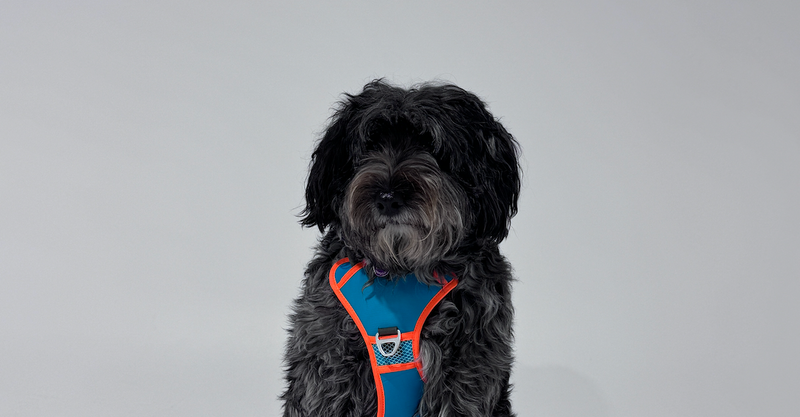
Credit: edog.co.nz
Troubleshooting Common Issues
Ensure the harness is untangled and identify the front and back correctly. Slip it over the dog’s head and adjust straps snugly around the body. Check for comfort and secure buckles, ensuring no pinching or twisting.
Getting a dog harness on your furry friend can sometimes be a bit of a challenge. You might encounter issues like resistance from your pet or discomfort due to improper fit. Tackling these problems head-on can make the process smoother for both you and your dog. Let’s explore some common issues and practical solutions to ensure a comfortable and safe experience.Handling Resistance
Is your dog squirming or backing away as you approach with the harness? You’re not alone. Many dogs resist at first, especially if they associate the harness with something negative. To ease this, try associating the harness with positive experiences. Offer treats or praise every time your dog approaches or shows interest in the harness. This can gradually build a positive connection. If your dog still resists, practice patience. Allow them to sniff and explore the harness at their own pace. Consistency is key—repeat these steps until your dog feels comfortable.Adjusting For Chafing
Chafing can be a common issue if the harness doesn’t fit correctly. A poorly fitted harness can cause irritation, leading to discomfort for your dog. First, check for any red marks or bald spots on your dog’s skin. These are clear indicators of chafing. If you notice any, adjust the harness to ensure it’s snug yet not too tight. Consider the material of the harness as well. Some dogs might react to certain fabrics. Opt for a padded harness if your dog has sensitive skin, providing additional comfort and reducing the risk of chafing. Remember, your dog’s comfort is crucial. Would you wear shoes that hurt your feet? Neither should your dog endure a harness that causes them discomfort. Always make adjustments as needed to keep your furry friend happy and comfortable.Frequently Asked Questions
How Do I Choose The Right Harness Size?
Choosing the right harness size ensures comfort and safety. Measure your dog’s chest and neck circumference. Compare these measurements with the manufacturer’s size chart. The harness should fit snugly but not too tight. Always check for room to insert two fingers between the harness and your dog.
What Are The Steps To Put On A Dog Harness?
Start by identifying the front and back of the harness. Slip the neck loop over your dog’s head. Adjust the straps around the chest. Secure the buckles and ensure a snug fit. Check the adjustment by inserting two fingers under the harness.
Ensure it’s comfortable and doesn’t restrict movement.
How Tight Should A Dog Harness Be?
A dog harness should be snug yet comfortable. You should easily insert two fingers between the harness and your dog’s body. The harness should not cause any discomfort or restrict movement. Regularly check the fit, especially if your dog grows or gains weight.
Can My Dog Wear A Harness All Day?
While a harness is safer than a collar, it’s not recommended for all-day wear. Dogs should wear a harness only during walks or outdoor activities. Remove it when indoors to prevent discomfort or skin irritation. Regularly check for signs of chafing or discomfort.
Conclusion
Putting on a dog harness can feel tricky at first. With practice, it becomes easier. Follow the steps outlined in this guide. Ensure your dog feels comfortable and secure. A well-fitted harness makes walks enjoyable. Remember to check the fit regularly.
Your dog’s safety is important. Take your time, and soon it will be a breeze. Enjoy the walks with your furry friend. They will appreciate it. Both of you deserve a fun and safe outing. Happy walking!