How to Put Dog Harness on: Easy Step-by-Step Guide
You love taking your furry friend for walks, but getting that dog harness on can feel like a wrestling match. You’re not alone!
Many dog owners face this daily struggle, often wondering if there’s a secret trick they’ve missed. The good news? There’s a straightforward way to put a harness on your dog that keeps them calm and makes your life easier. Imagine being able to clip on the harness without any fuss, knowing your pup is comfortable and secure.
This isn’t just about convenience; it’s about strengthening the bond with your dog and ensuring their safety. Ready to transform your walking routine into a seamless experience? Let’s dive into the step-by-step guide that will make you a pro in no time.
Credit: edog.co.nz
Choosing The Right Harness
Selecting the right dog harness ensures a comfortable fit. Place the harness over your dog’s head, then adjust the straps. Secure the buckles snugly, ensuring freedom of movement. Check for tightness by slipping two fingers between the harness and your dog’s body.
Choosing the right harness for your dog is crucial. It ensures comfort and safety during walks. A good harness fits well and suits your dog’s needs. Let’s explore how to pick the perfect one.Types Of Dog Harnesses
There are many harness styles available. Each type serves a different purpose:- Back-Clip Harness:Ideal for small dogs. It attaches at the back.
- Front-Clip Harness:Great for training. It helps reduce pulling.
- Dual-Clip Harness:Offers flexibility. You can use it at the front or back.
- Step-In Harness:Easy to wear. Your dog steps into it.
- Vest Harness:Provides more coverage. Suitable for anxious dogs.
Finding The Correct Size
Getting the right size is essential. An ill-fitting harness can cause discomfort or escape. Follow these steps to measure your dog:- Use a soft measuring tape.
- Measure around the widest part of the chest.
- Measure the neck, below the collar line.
- Check the manufacturer’s size chart.
Preparing Your Dog
Gently place the harness over your dog’s head, ensuring it sits comfortably on their shoulders. Secure the straps around their chest and belly, adjusting for a snug fit. Check for any tight spots to ensure comfort and safety.
Preparing your dog for a harness can make the experience smoother and more enjoyable for both of you. A calm and positive atmosphere is key to ensuring your dog feels comfortable. Here are a couple of strategies to help you prepare your furry friend for this new addition to their routine.Calming Techniques
Creating a relaxed environment is vital. Start by speaking to your dog in a soothing tone. Your voice can be a powerful tool in calming their nerves. Try gentle petting or a light massage to ease any anxiety. This physical contact can reassure them and build trust. Consider playing soft music or using calming scents like lavender to create a tranquil atmosphere. These subtle cues can help your dog feel more at ease.Creating A Positive Environment
Turn harness time into a positive experience. Encourage your dog with treats and praise. This reinforces good behavior and makes them more willing to cooperate. Make sure the room is quiet and free of distractions. A chaotic environment can heighten your dog’s stress. Try incorporating playtime before harnessing. A fun game can help burn excess energy and put your dog in a more relaxed state. Have you ever noticed your dog’s body language when they are calm? Observing these cues can guide you in creating an optimal environment.Positioning The Harness
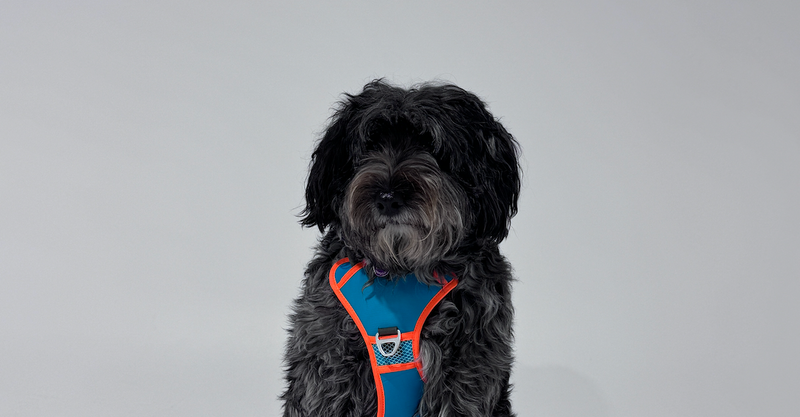
Position the harness so the chest strap is at the front. Adjust the straps to fit snugly but comfortably. Ensure the harness doesn’t rub or chafe your dog’s skin.
Positioning the harness correctly is key for your dog’s comfort. A well-positioned harness ensures safety during walks. It helps distribute pressure evenly across their body. This prevents choking or discomfort. Let’s explore how to position the harness properly.Identifying Key Parts
Understanding harness components is crucial. Most harnesses have a chest strap, back strap, and leash attachment. The chest strap goes around your dog’s chest. The back strap usually lies across the back. The leash attachment is often on the back strap. Knowing these parts helps in placing the harness correctly.Ensuring Proper Alignment
Proper alignment keeps your dog safe and comfortable. Start by placing the chest strap around your dog’s chest. Ensure it’s snug but not tight. Adjust the back strap to lie comfortably on their back. Check the leash attachment is accessible. This alignment allows free movement and prevents rubbing or pinching. Make sure the harness isn’t twisted or uneven.
Credit: www.youtube.com
Securing The Harness
Ensure the harness is the right size for your dog. Slide it over their head or step them through the loops. Adjust straps for a snug but comfortable fit, allowing two fingers to slide beneath the harness.
Securing the harness on your dog is vital for their safety. A well-fitted harness ensures comfort and control. It’s important to get the fit just right. Let’s explore how to secure it properly.Adjusting Straps
Start by loosening all straps. This allows easy placement over your dog’s head. Slide the harness over the dog’s head. Ensure the chest piece sits at the center of the chest. Pull the belly strap under your dog’s belly. Connect the buckle on the side. Gradually adjust each strap for a snug fit. Make sure the harness is not too tight. You should fit two fingers between the harness and skin.Checking For Comfort
Observe your dog moving around. Look for signs of discomfort like biting or scratching. The harness should not rub under the arms. Make adjustments if needed. Walk your dog inside the house first. Ensure there is no pinching or chafing. A comfortable harness leads to a happier walk. Your dog should feel secure and at ease.Testing The Fit
Ensure the harness fits snugly but not too tight. Slide it over your dog’s head and adjust the straps. Check that you can fit two fingers between the harness and your dog’s body.
Testing the fit of your dog’s harness is crucial to ensure both comfort and safety. A harness that fits well allows your dog to move freely without restriction, while also providing the security needed during walks. Have you ever noticed how your dog reacts when the harness is too tight or too loose? It’s essential to pay attention to these cues to make necessary adjustments.Movement Assessment
Evaluate your dog’s range of motion with the harness on. Check if it allows for natural movement in the shoulders and legs. Your dog should be able to walk, run, and play without any constraints. Observe how your dog behaves when wearing the harness. If your dog seems uncomfortable or hesitant, it might be an indication of a poor fit. Adjust the straps and try again until your dog moves easily. Does the harness seem to restrict your dog’s movements? A well-fitted harness should never limit your dog’s ability to enjoy a walk or a play session.Safety Checks
Ensure the harness doesn’t have any loose parts that could pose a risk. A harness that is too loose can slip off, while one that is too tight can cause discomfort or injury. Inspect the harness for any signs of wear and tear. A compromised harness can fail at crucial moments, risking your dog’s safety. Are the buckles and straps secure? Double-check to see that everything is fastened tightly. A secure harness provides peace of mind, knowing your dog is safe during outings.Training With The Harness
Training your dog with a harness can be rewarding and fun. It offers control and comfort for both you and your pet. Once you fit the harness properly, training becomes smoother. This section will guide you on using the harness effectively during training sessions.
Leash Connection
Connecting the leash to the harness is simple. Ensure the harness is snug but not tight. Locate the leash attachment point. It’s usually on the back or chest of the harness. Attach the leash securely. Check that the clip is closed. A proper connection prevents accidental escapes.
Walking Tips
Start with short walks to get your dog accustomed. Use gentle tugs to guide them. Praise them when they follow your lead. Keep walks interesting. Change routes to stimulate their curiosity. Consistency is key. Walk at a steady pace to keep your dog calm. Always reward good behavior with treats or affection.
Troubleshooting Common Issues
Putting a dog harness on can be tricky. Ensure the harness is untangled. Position it correctly around your dog’s body. Fasten the straps snugly, but not too tight. Adjust for comfort and safety. Practice helps ease both you and your pet into the routine.
Putting a harness on your dog can sometimes feel more challenging than it should. Even with the best intentions, you might face some common issues. These challenges can make you question if you’re doing it right. But don’t worry—you’re not alone in this. Many dog owners experience similar hiccups. Let’s tackle these common issues head-on, so you and your furry friend can enjoy your walks stress-free.Escaping From Harness
One of the most frustrating issues is when your dog manages to slip out of their harness. It’s not only annoying but can also be dangerous. Ensure that the harness fits snugly. A good rule of thumb is the two-finger test; you should be able to fit two fingers between the harness and your dog’s body. If your dog is a Houdini-like escape artist, consider a harness with additional straps or a more secure locking system. Double-checking the fit before each walk can save you from chasing a runaway pup down the street.Discomfort Signs
Your dog’s comfort is crucial. Watch for any signs of discomfort, such as your dog constantly scratching at the harness or refusing to move. These could indicate that the harness is too tight or rubbing in the wrong places. Opt for a harness made from soft, breathable material. Adjust the straps to ensure they’re not pinching or causing pressure points. Regularly inspect the harness for wear and tear, as a worn-out harness can also lead to discomfort. When was the last time you checked your dog’s harness for fit and comfort? A quick check can make all the difference in ensuring your walks are enjoyable for both of you.
Credit: www.amazon.com
Frequently Asked Questions
How Do I Adjust A Dog Harness?
To adjust a dog harness, first, loosen all straps. Slip the harness over your dog’s head or legs. Tighten each strap until snug, ensuring two fingers fit between the harness and your dog’s body. Adjust side straps to prevent slipping.
Regularly check fit to ensure comfort and safety.
Can A Dog Wear A Harness All Day?
A dog can wear a harness all day if it’s comfortable and well-fitted. Ensure it doesn’t cause chafing or irritation. Regularly check for any signs of discomfort. Remove the harness when your dog is resting or sleeping to allow skin to breathe.
Always monitor your dog’s behavior while wearing a harness.
Why Choose A Harness Over A Collar?
Choose a harness over a collar for better control and safety. Harnesses distribute pressure evenly, reducing strain on your dog’s neck. They are ideal for dogs prone to pulling or with respiratory issues. Harnesses also provide more security during walks, minimizing escape chances.
Always select a harness suitable for your dog’s size and breed.
What Type Of Harness Is Best For Puppies?
For puppies, choose a soft, adjustable harness that won’t restrict movement. A step-in or vest-style harness is ideal, providing comfort and security. Ensure it fits snugly but allows for growth. Regularly adjust as your puppy grows. Look for durable materials that are easy to clean and gentle on sensitive skin.
Conclusion
Putting a harness on your dog can be easy with practice. Start with gentle steps. Let your dog get used to the harness first. Ensure it’s comfortable and secure, but not too tight. Check the fit regularly. Adjust as needed to keep your dog safe.
Remember, patience is key. Take your time. Reward your dog with treats for cooperation. A well-fitted harness makes walks enjoyable. Both for you and your dog. Keep it simple. Enjoy your time together. Happy walking!