How Long Should a Dog Be in a Crate: Expert Insights
Are you wondering how long your furry friend should stay in their crate? You’re not alone.
Many dog owners grapple with this question, aiming to strike the perfect balance between providing a safe space and ensuring their pet’s happiness. Understanding the ideal crate time is crucial for your dog’s well-being and your peace of mind. Imagine transforming your dog’s crate from a place of confinement to a cozy sanctuary they love.
In this guide, you’ll discover how to make crate time comfortable and stress-free for both you and your dog. Stick around to learn practical tips and expert insights that will make a world of difference in your pet’s daily routine.

Credit: www.care.com
Crate Training Basics
Determining crate time depends on a dog’s age and needs. Puppies require frequent breaks, while adult dogs can stay longer. Ensure the crate is a comfortable space, not a punishment, to promote positive behavior.
Crate training is a fundamental aspect of raising a well-adjusted and happy dog. It’s more than just a containment strategy; it’s a way to provide your furry friend with a secure and comforting space. Understanding the basics of crate training will set you up for success and make the process smoother for both you and your dog.Purpose Of Crate Training
Crate training offers several benefits that make it worthwhile. Primarily, it provides your dog with a safe space that mimics a den, which is a natural instinct for them. This can significantly reduce anxiety, especially when you’re not at home. Additionally, it aids in house training by taking advantage of dogs’ natural aversion to soiling their sleeping area. A well-implemented crate training plan can help prevent destructive behavior when you’re unable to supervise your dog. Have you ever come home to find chewed-up shoes or a torn couch? Crate training can help avoid such scenarios.Choosing The Right Crate
Selecting the right crate is essential for effective training. You want a crate that’s big enough for your dog to stand, turn around, and lie down comfortably, yet not so large that it encourages bathroom accidents. Measure your dog and consider their breed’s potential growth to ensure you choose a suitable size. Material matters too. Wire crates offer ventilation and visibility, while plastic crates provide a more enclosed, den-like feel. Some dogs may prefer one over the other, so it might be worth experimenting to see which your dog feels most comfortable in. Consider the location of the crate in your home. Place it in an area where your family spends time, like the living room, so your dog doesn’t feel isolated. Wouldn’t you want to be part of the action too?Factors Influencing Crate Duration
Determining the right amount of time your dog should spend in a crate can be a tricky balancing act. Too long, and your furry friend might feel trapped and stressed. Too short, and you may miss out on the benefits of crate training. Understanding the factors influencing crate duration is crucial to ensuring your dog’s comfort and well-being.
Age And Size Of The Dog
The age and size of your dog play a significant role in deciding how long they should stay in a crate. Puppies, with their tiny bladders, typically need to relieve themselves more frequently than adult dogs. A general rule is one hour of crate time per month of age, up to a maximum of four hours for puppies.
In contrast, larger dogs may require more space to feel comfortable but can handle longer durations in the crate. Always ensure the crate is spacious enough for your dog to stand, turn around, and lie down comfortably.
Breed Specific Needs
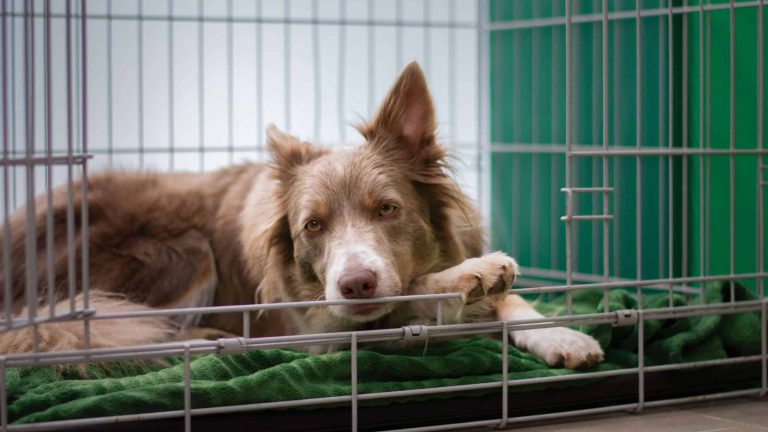
Different breeds have varying energy levels and temperaments, which can impact crate time. High-energy breeds like Border Collies may find extended crate time challenging, as they need more physical activity and mental stimulation. On the other hand, more relaxed breeds such as Bulldogs might enjoy their quiet time in a crate.
Consider your dog’s breed characteristics and adjust crate duration accordingly. Could your dog benefit from a midday break with a short walk or play session?
Health Considerations
Your dog’s health status is another crucial factor. Dogs with medical conditions, such as arthritis or hip dysplasia, may need more frequent breaks to move around and stretch their limbs. Puppies and elderly dogs often need special attention due to their developmental and health needs.
Always consult your veterinarian if you’re unsure about the appropriate crate duration for your dog’s specific health condition. Is your dog getting enough movement throughout the day to maintain good health?
Recommended Time Limits
Dogs should be in a crate for no more than four to six hours at a time. Puppies and small breeds need shorter periods. Ensuring regular breaks is crucial for their comfort and health.
Determining the right amount of time for your dog to spend in a crate is crucial for their well-being. While crates can be a great tool for training and safety, misuse can lead to stress and anxiety. Understanding the recommended time limits for different life stages can help you provide the best care for your furry friend.Puppy Guidelines
Puppies are bundles of energy and curiosity. They should not be in a crate for long periods. A good rule of thumb is one hour for each month of age. For instance, a 3-month-old puppy can handle about three hours in a crate. Always ensure they have plenty of playtime and bathroom breaks outside the crate.Adult Dog Recommendations
Adult dogs generally have more stamina and bladder control. Most can comfortably stay in a crate for about four to six hours. Make sure to give them a good walk before you leave them crated. This helps in releasing pent-up energy and ensures they rest comfortably.Senior Dog Considerations
Senior dogs have different needs compared to their younger counterparts. They may require more frequent bathroom breaks due to age-related issues. It’s important to observe their behavior and adjust crate time accordingly. Some seniors might be comfortable for only two to three hours at a stretch. Always prioritize their comfort and health by offering a cozy space with soft bedding. Being attentive to your dog’s age and needs will ensure that crate time is beneficial and not stressful. Are you adjusting crate time as your dog grows and changes? It’s something worth considering for their well-being.
Credit: carlsonpetproducts.com
Signs Of Over-crating
Dogs may become anxious or restless if crated too long. Excessive time in a crate can lead to boredom. Watch for signs of stress or reluctance to enter the crate, as these indicate over-crating.
Crating a dog can provide safety and comfort. But too much time in a crate can lead to problems. Recognizing signs of over-crating helps maintain your dog’s well-being.Behavioral Indications
Some dogs show anxiety when crated too long. They might bark excessively or become destructive. Pacing and restlessness are other signs. A dog may also refuse to enter the crate. This indicates discomfort or fear. Watch for changes in bathroom habits. Accidents in the crate suggest stress.Physical Symptoms
Physical signs can also indicate over-crating. Look for sore spots from lying in one position. Dogs might develop stiff joints or muscles. Weight changes can occur due to limited exercise. A dog may also experience lethargy. This results from lack of movement and mental stimulation. Keep an eye on your dog’s overall health. Noticing these symptoms early helps prevent further issues.Alternatives To Crating
Exploring alternatives to crating offers comfort and freedom to dogs. Consider designated safe spaces with cozy beds or interactive toys. This approach provides security while encouraging healthy habits and independence.
Crating your dog can be a helpful tool for training and safety, but it’s not always the best option for every pup or situation. If you’re looking for alternatives to crating, there are plenty of ways to keep your dog safe and happy without confinement. Imagine your dog enjoying the freedom to roam safely while still having boundaries in place. Isn’t that a win-win? These alternatives can be particularly beneficial for dogs who experience anxiety in crates or for those who need more stimulation. Let’s explore some practical and engaging alternatives that can keep your furry friend content and secure.Exercise And Play
Dogs thrive on physical activity and mental stimulation. Regular exercise and play can significantly reduce the need for crating by tiring your dog out and keeping them engaged. Take your dog for a brisk walk or a run in the park. Not only is it a great bonding experience, but it also helps to expend their excess energy. Consider interactive toys or puzzle feeders. These are excellent for mental stimulation and can keep your dog occupied for hours. You might be surprised how a simple game of fetch or tug-of-war can make your dog less likely to get into trouble when left alone. Engaging your dog in play can be a fantastic way to ensure they feel secure and loved, reducing the need for confinement.Dog-proofed Spaces
Creating dog-proofed spaces in your home can be an effective alternative to crating. These areas allow your dog to roam freely without the risk of getting into trouble. Set up a designated area in your home with gates or barriers. Ensure this space is free from hazards like electrical cords or toxic plants. Invest in durable, chew-proof furniture and decor. This minimizes the risk of damage and keeps your dog safe. Use baby gates or pet barriers to restrict access to certain rooms. This can be particularly useful in keeping your dog away from areas where they might cause harm or be harmed. By dog-proofing spaces, you provide your furry friend with the freedom they crave while ensuring their safety. It’s a great way to balance independence and security without relying solely on a crate. Wouldn’t you feel better knowing your dog has the freedom to explore while still being safe?Expert Tips For Effective Crate Use
Ensuring your dog feels comfortable and safe in their crate can seem challenging. However, with the right strategies, you can turn it into a positive and effective experience for both you and your pet. Here are some expert tips to help you create a welcoming crate environment.
Creating A Positive Experience
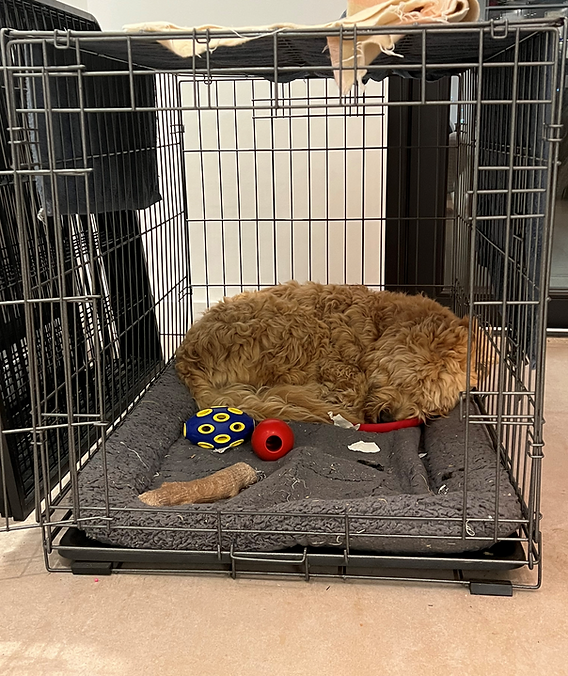
Start by introducing the crate as a friendly space. Place your dog’s favorite toys and a cozy blanket inside to make it inviting. My dog, Max, was hesitant at first, but once I added his beloved squeaky toy, he began exploring the crate willingly.
Use positive reinforcement to encourage your dog to enter the crate. Reward them with treats and praise when they go inside voluntarily. This will help them associate the crate with positive experiences, making them more likely to enjoy their time there.
Consider the location of the crate. Placing it in a quiet corner of the house can provide a sense of security, away from the hustle and bustle. You might be surprised at how quickly your dog starts to see the crate as their personal sanctuary.
Monitoring And Adjusting
Observe your dog’s behavior while they’re in the crate. Pay attention to signs of stress or discomfort, such as excessive barking or whining. These signs can guide you in making necessary adjustments.
Adjust the time your dog spends in the crate based on their comfort level and age. Puppies may need shorter periods, while adult dogs can handle longer durations. Regularly check in and adjust as needed to ensure their wellbeing.
Remember, the goal is not to use the crate as a punishment. Instead, it should be a place where your dog feels secure and relaxed. Ask yourself: Is the crate meeting your dog’s needs, or could a few changes make it more comfortable?

Credit: carlsonpetproducts.com
Frequently Asked Questions
How Long Can A Dog Stay In A Crate?
A dog should not be in a crate for more than 4-6 hours. Puppies and senior dogs need breaks more frequently. Crating for extended periods can lead to anxiety and physical discomfort. Always ensure your dog has enough exercise and bathroom breaks outside the crate.
Is Crating A Dog Overnight Okay?
Yes, crating a dog overnight is generally acceptable. Dogs often see crates as their den and feel secure. Ensure the crate is comfortable and appropriately sized. Adult dogs can typically manage an overnight stay, but always let them out for bathroom breaks before bed.
Can A Puppy Be Crated All Day?
Puppies should not be crated all day. Their small bladders need frequent bathroom breaks. Puppies under six months shouldn’t be crated for more than 3-4 hours. Regular interaction, exercise, and bathroom breaks are essential for their growth and mental health.
How To Know If A Dog Is Crated Too Long?
Signs include excessive barking, restlessness, or accidents in the crate. Your dog may also display anxiety or reluctance to enter the crate. Always monitor your dog’s behavior and adjust crate time accordingly. Ensure your dog receives enough exercise and mental stimulation.
Conclusion
Finding the right crate time is crucial for your dog’s well-being. Balance between crate time and freedom enhances their happiness. Gradually increase their crate time, but listen to your dog. Observe their behavior. Adjust accordingly. Every dog is unique. Some may need less time in a crate.
Others might benefit from a bit more. Prioritize comfort and safety. Always ensure the crate is cozy. Your dog should feel secure inside. This will make crate time pleasant. A happy dog equals a happy home. Keep their needs in mind.
They’ll love you for it.