How to Close a Dog Crate: Quick and Easy Guide
Are you finding it tricky to close your dog’s crate? You’re not alone.
Many pet owners face this simple yet frustrating challenge. But don’t worry, mastering this skill can bring peace to your home and comfort to your furry friend. In this guide, you’ll discover straightforward steps to securely close your dog’s crate, ensuring their safety and your peace of mind.
Whether you’re a new dog owner or just looking to improve your routine, this article will provide the clarity you need. Keep reading to unlock the secrets to a stress-free crate experience for both you and your dog.
Credit: www.sadiesrulesk9training.com
Choosing The Right Dog Crate
Choosing the right dog crate is crucial for your pet’s comfort and safety. A well-chosen crate provides a secure and cozy space for your dog. It also helps in training and travel. Consider several factors before purchasing a crate. These include the type, size, and material of the crate.
Types Of Dog Crates
Different types of dog crates suit various needs. Wire crates offer good ventilation and visibility. They are easy to clean and fold for storage. Plastic crates provide more privacy and are ideal for travel. They are sturdy and often airline-approved. Soft-sided crates are lightweight and portable. They are great for small dogs and temporary use. Wooden crates blend with home decor but may be less portable.
Size And Material Considerations
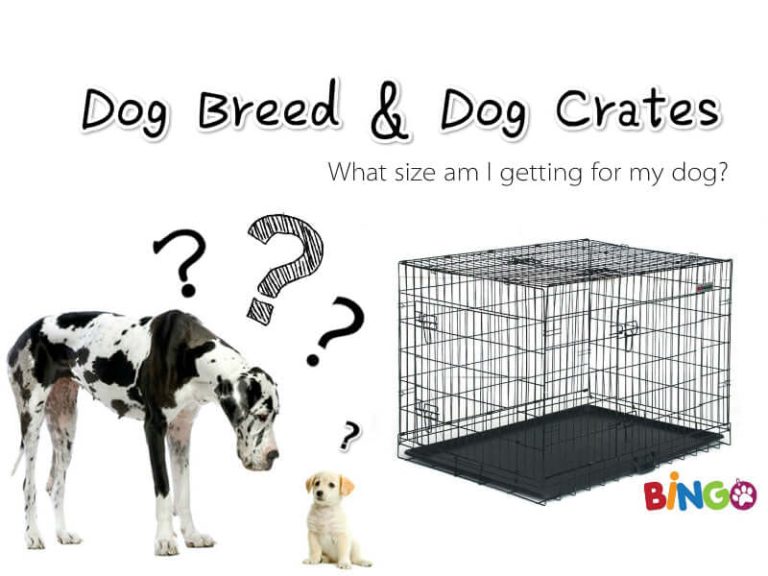
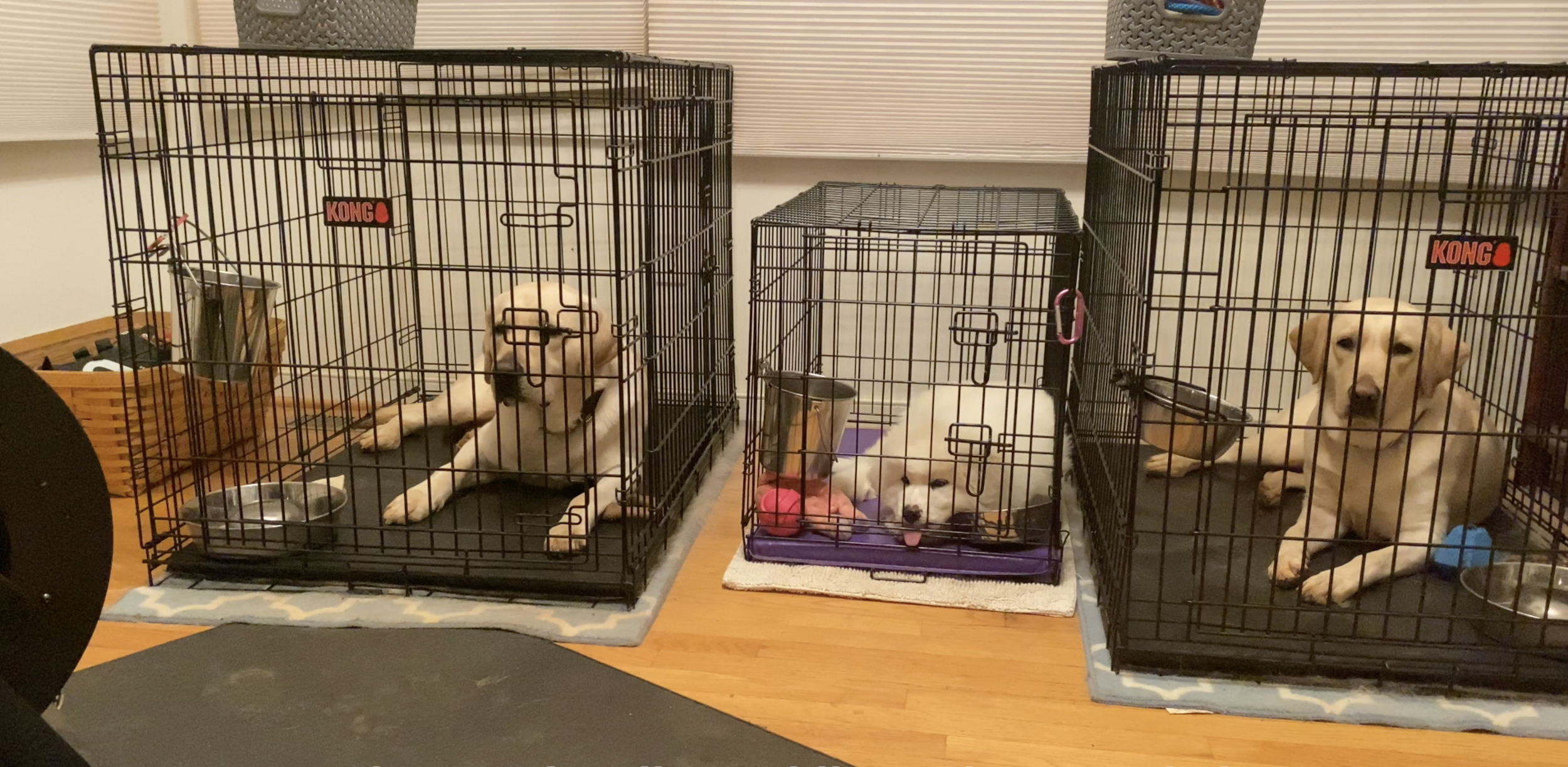
Size is important for your dog’s comfort. The crate should be large enough for your dog to stand, turn, and lie down. Measure your dog from nose to tail and from floor to head. Add a few inches to these measurements to find the right size. Consider the crate’s material based on your dog’s behavior. Chewers might need stronger materials like metal or hard plastic. Calm dogs may do well with softer materials.
Preparing The Crate For Closure
Preparing the crate for closure is a crucial step in ensuring your dog’s safety and comfort. A well-prepared crate not only keeps your pet secure but also provides a cozy space they can retreat to. This involves a few practical measures that make all the difference.
Inspecting The Crate
Before closing the crate, give it a thorough inspection. Check for any signs of wear and tear, such as loose wires or broken latches. A damaged crate can pose risks to your dog, causing injury or escape.
Ensure the crate is clean and free from sharp objects or hazardous materials. You wouldn’t want your dog to feel uncomfortable or unsafe. It’s also a good idea to test the door mechanism to ensure it shuts smoothly.
Positioning The Crate Properly
Location matters when setting up a crate. Place it in a quiet, low-traffic area where your dog can relax without disturbances. Avoid direct sunlight or drafts which could make it uncomfortable.
Ensure the crate is level on the ground, providing stability. If the crate wobbles, your dog might feel insecure or nervous, affecting their willingness to stay inside. Consider placing a non-slip mat underneath for added stability.
Think about your dog’s perspective. Would they feel cozy and secure in the spot you’ve chosen? Your crate’s position should cater to your dog’s needs and enhance their sense of comfort.
Securing The Door
Securing the door of your dog’s crate is crucial for ensuring their safety and comfort. While it might seem simple, the right approach can prevent escapes and accidents. The door is the gateway to your dog’s secure space, and a well-secured door can enhance your peace of mind. Let’s dive into how you can effectively secure the door, focusing on latch mechanisms and ensuring safety.
Latch Mechanisms
Choosing the right latch mechanism is vital. There are various types available, each offering different levels of security. Spring latches are common in many crates and are easy to use, requiring a simple push or pull to engage. These are excellent for quick access but ensure they are sturdy enough to prevent accidental opening.
For those with escape artist dogs, consider bolt latches. These are more robust and require more effort to disengage, making it harder for your dog to open the door themselves. Slide-bolt latches can be particularly effective in keeping your furry friend safe inside.
Ensuring Safety
Safety goes beyond just locking the door. Regularly inspect the latch and door frame for wear and tear. Any loose parts can compromise security, so tighten screws and replace damaged parts as needed. You might not realize how quickly these parts can wear out with regular use.
Consider adding a secondary lock if your dog is particularly clever with doors. A simple carabiner or padlock can offer extra security. Have you ever caught your pup trying to unlock their crate? It’s surprising how dexterous some dogs can be!
Finally, check the placement of the crate. Avoid areas where other pets or children might accidentally interfere with the latch. A safe location contributes to overall security and keeps your dog in a serene environment.
Ensuring Comfort Inside
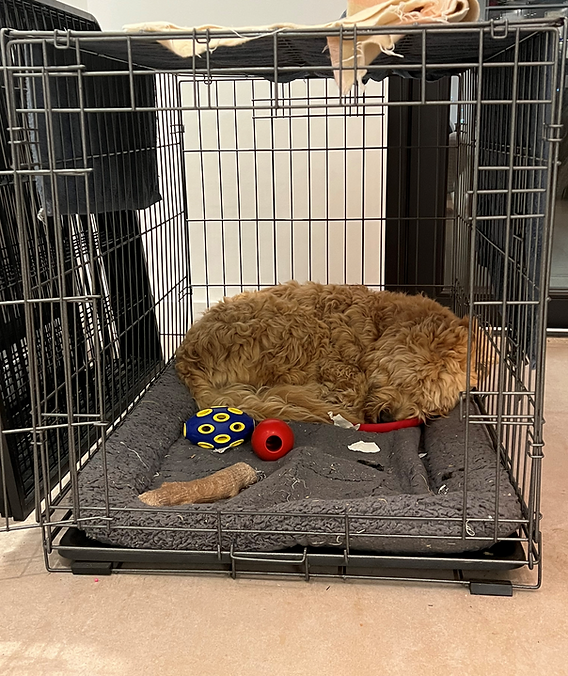
Ensure your dog’s crate is a cozy haven. Secure the latch firmly to keep your pet safe. Add a soft blanket for comfort.
Ensuring Comfort Inside Creating a cozy haven inside your dog’s crate is essential for their comfort and well-being. A well-prepared crate can make your furry friend feel safe and relaxed, turning it into a preferred resting place. Personal experiences show that when dogs have a comfortable spot, they’re happier and less anxious. But how do you ensure that comfort is maximized inside the crate?Adding Bedding
A soft, durable bedding is a must-have for any dog crate. Bedding provides cushioning, warmth, and a sense of security. Choose materials that are easy to clean and resist wear and tear. Consider your dog’s preferences; some may love plush blankets, while others might prefer a firmer mat. Have you ever noticed your dog gravitating towards a particular fabric or texture? Use that insight to select bedding that will make their crate feel like home.Providing Toys
Toys are more than just playthings; they can keep your dog occupied and mentally stimulated inside the crate. Select a variety of toys that cater to your dog’s interests, such as chew toys, puzzle toys, or plush friends. Rotate these toys regularly to maintain your pet’s interest and prevent boredom. Think about the excitement your dog shows when they receive a new toy. Bringing that enthusiasm into their crate can transform it into a space they love.Monitoring Your Dog
Closing a dog crate securely ensures your pet’s safety and comfort. Align the latch properly and confirm it’s locked firmly. Check for any gaps or loose areas to prevent escapes or injuries.
Monitoring your dog while closing their crate is vital. It ensures their comfort and safety. Observing their reactions helps you understand their needs. You can make necessary adjustments based on their behavior. This practice fosters a positive crate experience for your pet.Checking Behavior
Observe your dog’s reactions inside the crate. Notice signs of anxiety or distress. Look for excessive barking or whining. These signs suggest discomfort or fear. Monitor their body language carefully. A relaxed dog appears calm and settled. Ears back or tail tucked indicate stress. Stay attentive to any changes in behavior.Adjusting Environment
Create a comfortable crate environment. Ensure the crate is in a quiet area. Avoid placing it in high-traffic zones. Use soft bedding for extra comfort. Ensure your dog has access to water. Consider adding a favorite toy. This provides comfort and distraction. Adjust lighting to suit your dog’s preference. Some dogs prefer dim light, others like bright. Make necessary changes to enhance comfort.Common Mistakes To Avoid
Closing a dog crate might seem straightforward, but there are common mistakes that can lead to discomfort or even safety hazards for your furry friend. Avoiding these pitfalls ensures a secure and cozy environment for your dog. Let’s explore some frequent errors and how to steer clear of them.
Incorrect Latching
One of the most overlooked errors is failing to latch the crate properly. Ensure the latch clicks securely into place. A loose latch could mean a curious pup escaping or getting trapped. Double-check the lock every time you close the crate.
Have you ever seen your dog nudging the crate door? That could be a sign the latch isn’t secure. A quick inspection can prevent any unexpected escape adventures!
Overcrowding The Crate
Stuffing too many items into the crate might seem cozy, but it can actually make your dog uncomfortable. A crate should have just enough space for your dog to stand, turn, and lie down. Overcrowding can lead to anxiety and stress.
Consider the essentials: a comfy bed, a favorite toy, and maybe a water bottle. Does your dog look cramped in there? If so, it might be time to remove some items and give them room to breathe.
Tips For Ease And Efficiency
Ensure the latch is properly aligned for secure closure of a dog crate. Slide the door gently to avoid jamming. Double-check the lock mechanism for a tight fit, ensuring your pet’s safety inside.
Closing your dog crate with ease and efficiency can transform your daily routine and enhance your dog’s experience. It’s not just about securing the latch—it’s about creating a seamless process that works for both you and your furry friend. Let’s dive into some practical tips that will help make this task a breeze.Routine Establishment
Creating a consistent routine is key to making crate time stress-free. Try closing the crate at the same time each day. This helps your dog understand when it’s time to rest or relax, reducing anxiety. Incorporate a simple command or cue every time you close the crate. This reinforces the routine and makes the process predictable for your dog. Do you notice how your dog starts getting ready for bed when you dim the lights at night? The same principle applies here. You can also associate the crate with positive experiences. Placing a favorite toy or a treat inside can make your dog eager to enter, making closure smoother.Quick Closure Techniques
Speed and efficiency come with practice and technique. Use both hands to align the crate door swiftly. This can prevent any last-minute escapes or struggles. Ensure the latch is within easy reach. Adjust your setup so you can secure it without stretching or fumbling. Have you ever struggled with a sticky latch? A little lubricant like WD-40 can work wonders. Consider using a crate with a simple locking mechanism. Some crates offer one-touch locks that save time and hassle. Investing in a user-friendly model can make all the difference. By implementing these tips, closing your dog’s crate can become a quick and efficient part of your routine.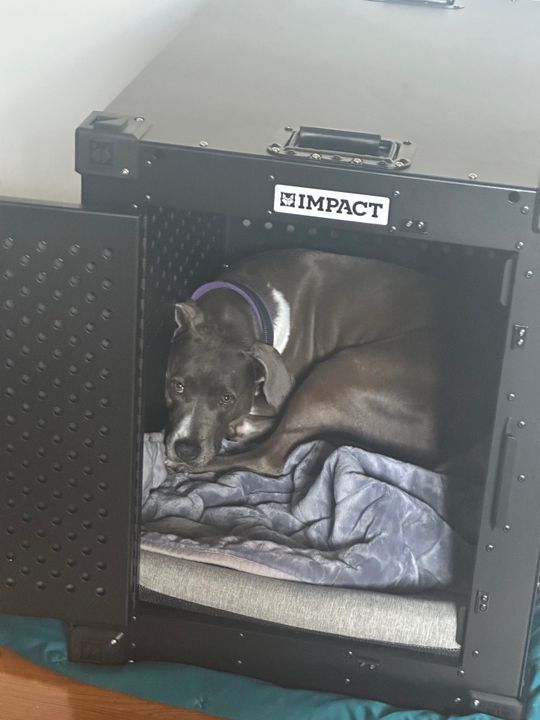
Credit: www.impactdogcrates.com

Credit: www.instagram.com
Frequently Asked Questions
How Do You Close A Dog Crate?
To close a dog crate, ensure the door aligns with its latch. Slide or click the latch securely to lock it. Double-check the closure by gently pulling the door. Ensure it’s firmly shut to prevent accidental opening, keeping your pet safe inside.
Why Is My Dog Crate Door Stuck?
A stuck dog crate door might be due to misalignment or debris. Check for obstructions in the hinges or latch. Clean any dirt or debris and realign the door properly. Regular maintenance helps prevent sticking issues and ensures the crate functions smoothly.
Can I Use A Padlock On A Crate Door?
Yes, you can use a padlock for extra security on a crate door. Choose a padlock that fits the latch design. This ensures your dog stays safely enclosed. Regularly check the padlock’s condition to prevent rust or damage, ensuring continued security.
Is Closing A Crate Door Safe For Dogs?
Closing a crate door is safe when done properly. Ensure the crate is comfortable and not too small for your dog. Always monitor your dog’s behavior inside the crate. A securely closed door prevents escape and keeps your pet safe and secure.
Conclusion
Closing a dog crate correctly ensures safety and comfort for your pet. Follow the steps carefully. Make sure the latch is secure. Double-check the door alignment. Your dog should feel safe inside. A closed crate offers security during travel and at home.
Practice closing it regularly. This builds confidence and familiarity. With patience, closing the crate becomes easy. Use these tips for a hassle-free experience. Your dog will thank you for the extra care. Happy crating! Keep your furry friend safe and sound always.