How to Stop a Dog Whining in a Crate: Proven Tips
Your dog is your best friend, but when it comes to crate time, the whining can be more than a little unsettling. You want your pet to feel comfortable, and let’s be honest, you need a break from the noise.
Imagine this: a calm, quiet dog resting peacefully in its crate, giving you peace of mind and a chance to relax. Sounds amazing, right? Achieving this serene scenario is possible, and it all starts with understanding why your dog might be whining and how you can help.
You’ll discover simple, effective strategies to stop the whining and create a happier environment for both you and your furry friend. Stick around, because the solutions you’re looking for are just a few scrolls away.
Understanding Crate Whining
Understanding crate whining involves recognizing a dog’s stress signals. Calming techniques like soothing sounds or familiar items can help. Consistent training and positive reinforcement encourage a sense of security.
Understanding crate whining is essential for every dog owner. Dogs use whining as a form of communication. This behavior can be puzzling and sometimes frustrating. To address it, we need to understand why it happens.Common Reasons For Whining
Crate whining occurs for various reasons. Dogs might feel anxious or bored. They may also need to relieve themselves. Sometimes, they just want attention or food. Puppies often whine because they miss their mother. Recognizing these reasons helps in addressing the issue.Behavioral And Emotional Causes
Behavioral causes play a significant role in crate whining. Dogs might feel trapped or scared. This is common in dogs not used to crates. Emotional causes include loneliness or separation anxiety. Dogs crave companionship. Being in a crate can make them feel isolated. Understanding these emotional triggers is key. It helps in creating a calming environment for your pet.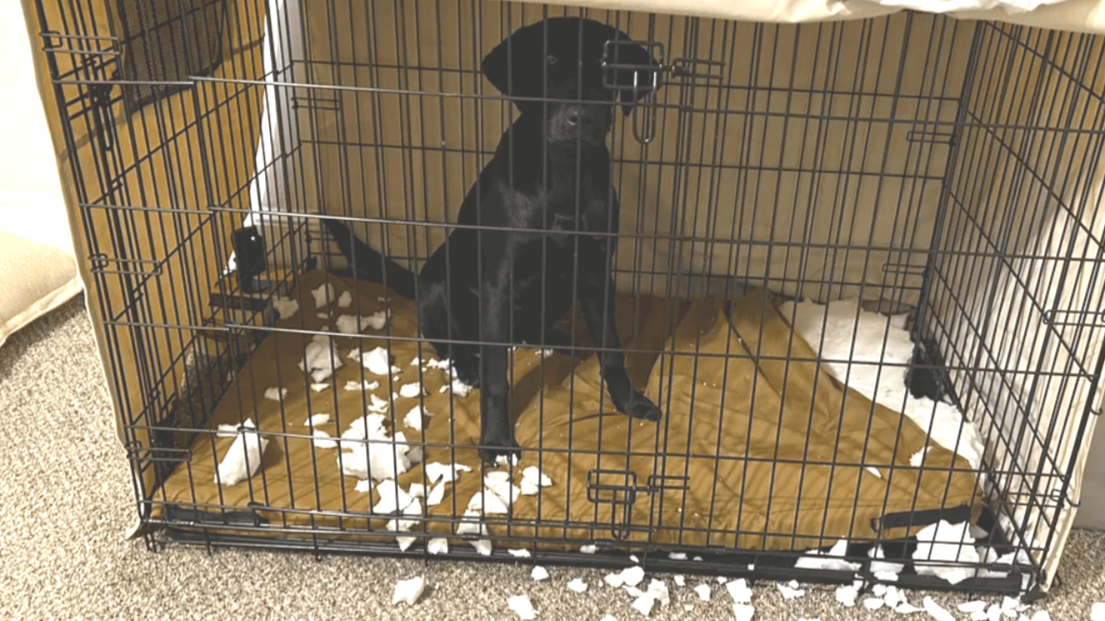
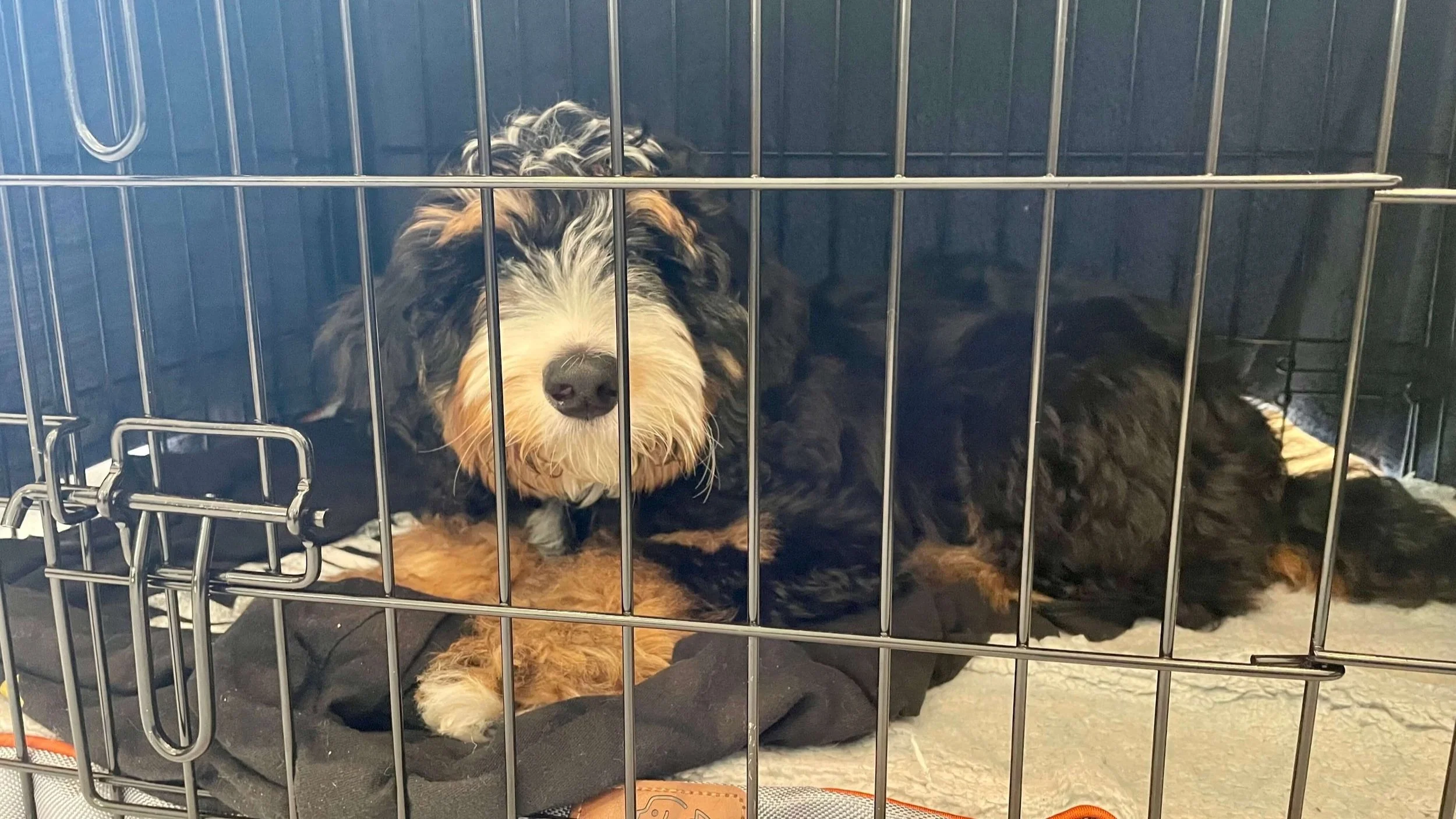
Credit: www.dogsavvylosangeles.com
Preparing The Crate Environment
Creating a comfortable crate space can help reduce your dog’s whining. Include soft bedding and toys for relaxation. Ensure the crate is well-ventilated and placed in a quiet area to promote calmness.
Preparing the crate environment is crucial for a dog’s comfort. A well-prepared space can reduce anxiety and whining. Creating a positive association with the crate helps dogs feel secure. This involves selecting the right crate and ensuring it provides comfort and safety. Let’s explore these aspects further.Choosing The Right Crate
Selecting the appropriate crate is vital. It should be spacious enough for your dog to stand and turn around. Measure your dog to ensure the crate size is suitable. Materials matter too. Choose durable and easy-to-clean options. Wire crates offer ventilation and visibility. Plastic ones offer privacy and warmth. Consider portability if you travel often. The crate should be a safe haven, not a prison.Ensuring Comfort And Safety
Comfort inside the crate is essential. Soft bedding can make a big difference. Use blankets or a dog bed for cushioning. Ensure the bedding is washable. Toys can distract and comfort your dog. Choose safe, durable toys to avoid choking hazards. Water bowls should be spill-proof. Safety is paramount. Check for sharp edges and secure latches. The crate should be escape-proof yet easy for you to open. The environment should feel welcoming, not restrictive.Training Techniques
Crate training can help reduce a dog’s whining. Introduce the crate gradually, making it a positive space. Use treats and toys to encourage comfort and calmness inside.
Training your dog to stop whining in a crate is not just about discipline—it’s about understanding and communication. Dogs whine for various reasons, and addressing this behavior requires patience and the right techniques. Let’s dive into some effective methods to help your furry friend feel comfortable and secure in their crate.Positive Reinforcement
Positive reinforcement is a powerful tool in dog training. Reward your dog every time they enter the crate quietly or stay calm inside. This could be with treats, praise, or a favorite toy. By associating the crate with positive experiences, your dog will begin to understand that being quiet earns them rewards. Imagine how much quicker your dog will settle down when they realize good behavior leads to something they love!Desensitization Strategies
Desensitization involves gradually getting your dog used to the crate. Start by letting them explore the crate without closing the door. Place treats or toys inside to encourage them to enter voluntarily. Slowly increase the time they spend inside with the door closed, always ensuring they remain calm. Have you ever noticed how small changes can create big shifts in behavior? This slow exposure can help your dog feel less anxious and more comfortable.Setting Routine And Boundaries
Dogs thrive on routine. Establish consistent times for when your dog goes into their crate, such as bedtime or when you leave the house. A regular schedule can help your dog predict when they need to be calm and quiet. Additionally, set boundaries by not responding to whining immediately. This teaches your dog that whining is not an effective way to get attention. What if your dog learned that calmness leads to interaction and playtime instead?
Credit: www.dogsavvylosangeles.com
Managing Anxiety And Stress
Helping a dog feel comfortable in a crate can reduce whining and stress. Create a cozy space with familiar toys and blankets. Establish a routine to make the crate a safe, calming environment.
Managing anxiety and stress in dogs is essential for crate training. Dogs often whine because they feel anxious or stressed. Understanding and addressing these feelings can lead to a more peaceful environment for your dog. This process involves recognizing their anxiety signs and using calming products effectively.Calming Products And Methods
Using calming products can help soothe your dog. They come in various forms like sprays, diffusers, or treats. These products release pheromones or contain ingredients known for calming effects. They mimic the scent of a mother’s dog, which can be comforting. Some dogs respond well to relaxing music or white noise machines. These sounds can mask outside noises that might be causing stress. Consider interactive toys that keep your dog busy. These toys distract them from feeling anxious. A snug-fitting anxiety wrap can provide comfort. It applies gentle pressure that can help calm your dog’s nerves. Regular exercise also plays a crucial role. A tired dog is less likely to feel stressed in a crate. Ensure your dog gets enough physical activity daily. This helps in reducing overall anxiety levels.Recognizing Signs Of Anxiety
Recognizing anxiety signs in dogs is vital for effective management. Common signs include excessive whining, pacing, or panting. Some dogs might drool more than usual when anxious. Pay attention to any changes in behavior. If your dog starts scratching or chewing on the crate, this might indicate stress. Restlessness or inability to settle down can be another sign. Watch for avoidance behavior. If they resist entering the crate, it could signal anxiety. Observe their body language. Tail tucked between legs or ears laid back can mean stress. These subtle cues can help you identify their anxiety. Understanding these signs allows you to address the problem early.Addressing Health Issues
Comforting your dog can reduce crate whining. Ensure the crate is cozy and familiar. Gradually increase crate time to ease anxiety.
Addressing health issues is crucial when dealing with a dog that whines in a crate. Sometimes, whining can be a sign of discomfort or pain due to an underlying medical condition. Understanding your dog’s health can make a significant difference in their behavior and overall well-being.Identifying Medical Problems
Observing your dog’s behavior is the first step in identifying medical problems. Watch for signs such as limping, excessive licking of a specific area, or changes in appetite. Has your dog been more lethargic than usual? Perhaps they are experiencing discomfort that needs addressing. Look for any unusual symptoms that coincide with the whining. A dog that whines in a crate may have a urinary tract infection, especially if they whine more at night.Consulting A Veterinarian
When health issues are suspected, consulting a veterinarian should be your next step. A professional can provide a thorough examination and identify any hidden ailments. Your vet may suggest diagnostic tests to ensure your dog is healthy or to pinpoint a specific issue. If your dog is diagnosed with a health problem, follow the vet’s advice carefully. Treatments such as medications or changes in diet can have a positive impact on your dog’s comfort and reduce whining. Remember, addressing health issues not only helps your dog feel better but also strengthens your bond with them. What could be more rewarding than seeing your furry friend happy and comfortable?Consistency And Patience
Consistency and patience help train your dog to stop whining in a crate. Regular routines build comfort and security. Patience reinforces positive behavior, gradually reducing anxiety and noise.
Consistency and patience are crucial when training your dog to stop whining in a crate. It’s not an overnight process, but with steady efforts, your dog will learn to feel secure and comfortable. Just like building any habit, consistency helps create a routine, while patience ensures you don’t rush or push your dog too hard.Monitoring Progress
Track your dog’s behavior to see improvements. Note how often and how long the whining lasts each time. Are there certain times when it’s worse, like when you’re leaving for work? Keeping a journal helps identify patterns and triggers. It allows you to adjust your approach and recognize small victories. Celebrate these wins, no matter how minor. Acknowledge your dog’s progress and give yourself a pat on the back too.Adjusting Techniques Over Time
As you observe changes, be ready to tweak your methods. If your dog calms down quicker, you might extend crate time slightly. Listen to your dog’s cues. If whining increases, it might signal discomfort or stress. Adjust the environment or routine accordingly. What worked last week might need a change today. Flexibility is key. Remember, every dog is unique, and what worked for your neighbor’s dog might not be perfect for yours.
Credit: zigzag.dog
Frequently Asked Questions
Why Does My Dog Whine In The Crate?
Dogs whine in crates due to anxiety, discomfort, or needing attention. Ensure the crate is comfortable and familiar. Gradually acclimate your dog to the crate, offering toys or treats. Ensure their physical needs are met before crating. Consistent positive reinforcement can help reduce whining over time.
How Can I Make The Crate Comfortable?
To make a crate comfortable, include a soft bed or blanket. Add familiar toys and ensure the crate is the right size. Maintain a consistent temperature and place the crate in a quiet, familiar location. Regularly clean the crate to keep it hygienic and inviting for your dog.
How Long Should A Dog Stay In A Crate?
A dog should stay in a crate for up to four hours during the day. Puppies require shorter periods, around two hours. Overnight crating can extend to eight hours if necessary. Always ensure your dog has regular breaks for exercise, play, and bathroom needs.
Is It Okay To Ignore Crate Whining?
Ignoring crate whining is sometimes effective if the dog is safe and needs attention. Consistently rewarding quiet behavior helps. However, ensure that whining isn’t due to discomfort, illness, or urgent needs. Gradual desensitization and positive reinforcement can help reduce unnecessary whining over time.
Conclusion
Teaching your dog to stop whining in a crate takes patience. Consistency is key. Make the crate a positive space. Use treats and toys to create comfort. Establish a routine to reduce anxiety. Ensure your dog gets ample exercise. A tired dog whines less.
Give attention when calm, not when whining. Over time, your dog will learn. Whining will decrease. Your efforts will pay off. A quiet, content dog in their crate. That’s the goal. Keep practicing these steps. Soon, both you and your dog will enjoy peaceful crate time.