Putting a dog crate together might seem daunting at first, but with a little guidance, you’ll have it ready in no time. Imagine the peace of mind you’ll feel knowing your furry friend has a safe and cozy space to call their own.
As you embark on this task, think about the comfort and security it will provide for your pet. You want the best for them, and this crate is the first step towards achieving that. You’ll find straightforward instructions and tips to make the assembly process smooth and stress-free.
Stick around, and you’ll soon be a pro at crate setup, ensuring your dog feels right at home.
Choosing The Right Dog Crate
Setting up a dog crate is straightforward. Begin by unfolding the panels and securing the latches. Ensure the base is stable before adding bedding for comfort.
Choosing the right dog crate is a crucial step in ensuring your furry friend’s comfort and security. The ideal crate serves as a safe haven for your pet, providing a sense of security while also being a practical tool for training and travel. But with so many options available, how do you determine which crate is best for your dog?Material Options
The material of the dog crate can significantly impact its durability and your dog’s comfort. – Wire Crates: These are popular for their ventilation and visibility. They are easy to clean and often collapsible, making them great for travel. However, they might not be the best choice for dogs that need more privacy or warmth. – Plastic Crates: Often used for travel, plastic crates provide a cozy, enclosed space. They offer more privacy, which can be comforting for anxious dogs. Keep in mind, they may not be as well-ventilated as wire crates. – Soft-Sided Crates: Ideal for small dogs and indoor use. They’re lightweight and portable but may not withstand a determined chewer or an escape artist. – Wooden Crates: These can double as furniture and blend with home decor. They are sturdy but usually more expensive and less portable. Your choice should reflect your dog’s temperament and your lifestyle. If you’ve had a hyper puppy, you know a sturdy material is essential to withstand those energetic bursts.Size Considerations
A crate that’s too small can be uncomfortable, while one that’s too large may not provide the security your dog needs. – Measure Your Dog: Start by measuring your dog’s length from nose to base of the tail and their height when standing. Add a few inches to each measurement to ensure they have room to move and lie down comfortably. – Consider Growth: If you have a puppy, think about their potential adult size. Some crates come with dividers, allowing you to adjust the space as your puppy grows. – Purpose of the Crate: For travel, a snugger fit is safer, but for home use, a bit more space may be preferable. Choosing the right size is not just about comfort; it can also aid in training. A crate that’s just right will discourage your dog from using one end as a bathroom, fostering better habits. Reflect on your dog’s personality and habits when making your choice. Would they prefer a den-like space, or do they enjoy watching the world around them? The right crate can make all the difference in your dog’s happiness and your peace of mind.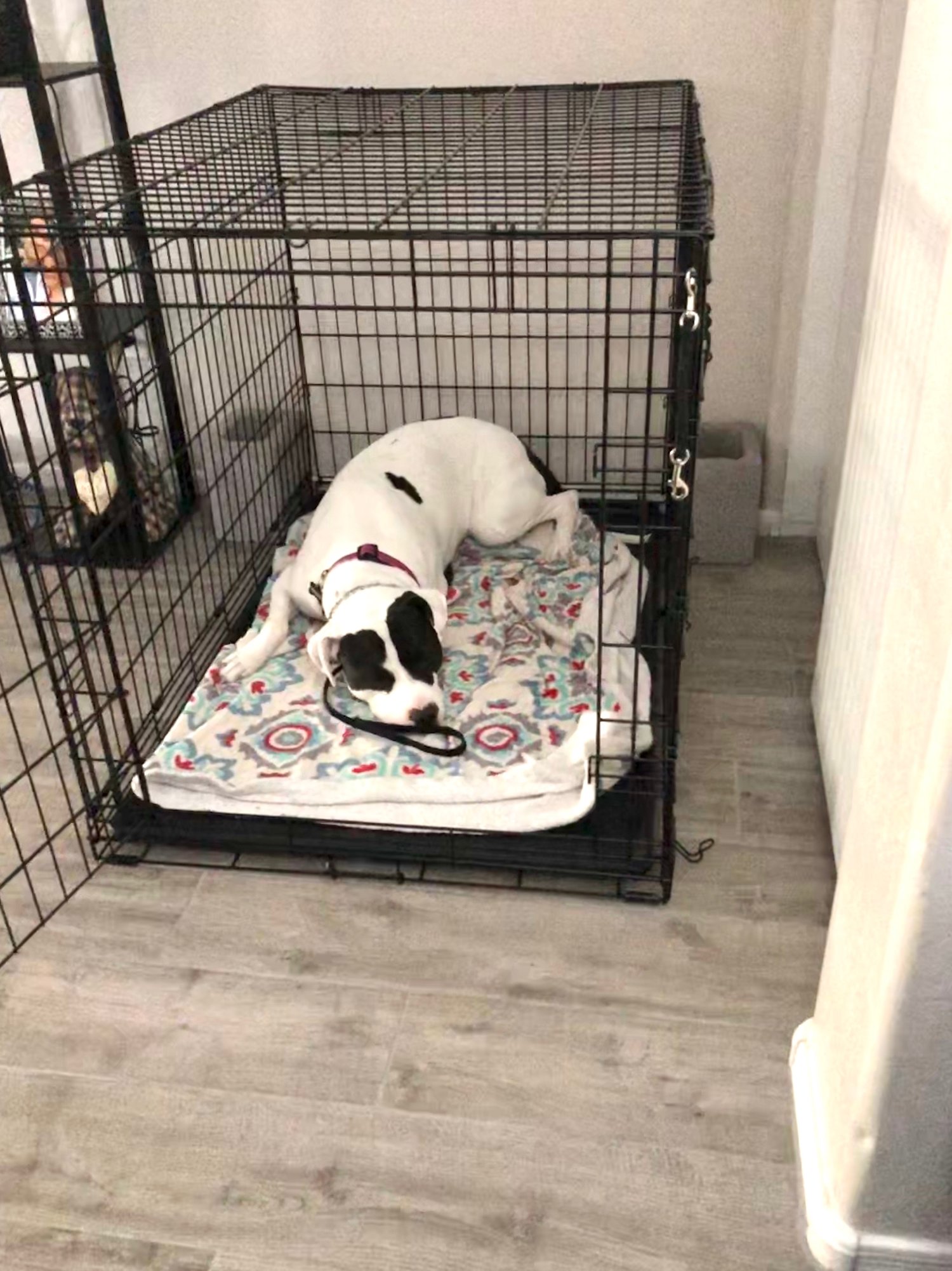
Credit: www.sadiesrulesk9training.com
Preparing The Workspace
Clear the area for assembling the dog crate. Ensure ample room for easy movement and access. Lay out all pieces and tools for a smooth setup process.
Preparing the workspace is crucial for assembling a dog crate. A well-organized area ensures a smooth setup process. It minimizes distractions and potential hazards. Before starting, focus on having everything in place. This makes assembling the crate easier and faster.Gathering Necessary Tools
First, gather all the required tools. Some crates come with tools included. Others may need a screwdriver or pliers. Check the crate manual for specific tools. Lay out each tool where you can easily reach them. A small basket or tray can help keep them organized.Cleaning The Area
Next, clean the area where you will work. Remove any clutter, toys, or other items. A clear space helps you move around freely. Ensure the floor is tidy to avoid tripping. Use a damp cloth to wipe the surface where you plan to place the crate. This keeps everything clean and safe for your dog.Unpacking The Crate Components
Unpacking the crate components is simple. Lay out all parts, including panels and screws. Follow the instructions step-by-step to assemble.
Unpacking the crate components can feel like unwrapping a mystery box, especially if you’re new to dog crates. Each piece plays a crucial role, and knowing what to expect can make the assembly process smoother. When you open the box, take a moment to lay out all the components. This will help you visualize what the finished product will look like and identify any missing parts early on.Identifying Parts
Recognizing each part is the first step in putting together your dog crate. You’ll typically find: – Panels: These form the structure of the crate, usually including a top, bottom, and sides. Check for the door panel, which may have hinges or latches. – Fasteners: Screws, bolts, or clips that hold the panels together. Different crates might use different types, so familiarize yourself with what’s included. – Optional Accessories: Some crates come with divider panels or trays. Make sure to identify these if your model includes them. Take a closer look at the instructions. They often include diagrams that match the parts to their names, helping you put the puzzle together more easily.Checking For Missing Items
Before you start assembling, ensure you have everything you need. Missing components can stall your progress and frustrate you. Here’s how to avoid this: – Count and Compare: Use the instruction manual to cross-check the number of pieces in the box. Each component should match what’s listed. – Look for Hidden Items: Sometimes smaller parts like screws or clips are tucked away in corners or inside the packaging. Double-check these spaces. – Contact Support: If you find something is missing, don’t hesitate to contact the manufacturer. They often provide replacements quickly, ensuring your assembly continues seamlessly. Have you ever started a project only to realize something crucial was missing halfway through? It’s a scenario best avoided, especially when your furry friend is eagerly waiting to settle into their new space.Assembling The Crate Frame
Assembling the crate frame is a straightforward task. Lay out all parts and follow the included instructions step-by-step. Secure the panels to ensure stability and safety for your pet.
Putting a dog crate together can be a rewarding task that enhances your pet’s comfort and safety. One of the key steps in this process is assembling the crate frame, a crucial task that ensures the structure is sturdy and reliable. Whether you’re setting it up for the first time or doing a quick reassembly, understanding how to connect panels and secure latches effectively is essential.Connecting Panels
Begin by identifying the various panels that make up the frame. Typically, these include the front, back, sides, top, and bottom panels. Look for any markings or indicators that suggest how they fit together. Arrange the panels on a flat surface where you have enough room to work comfortably. Start by connecting the side panels to the back panel. You might notice hooks or slots designed to lock these pieces into place securely. Once the side panels are attached, connect the front panel. This is often where the door will be, so ensure it aligns properly. Consider if the door swings open easily or needs adjustments. Does everything seem aligned? If not, double-check the connections.Securing Latches
After assembling the frame, securing the latches is the next critical step. This ensures the crate stays intact and provides a safe environment for your pet. Look at the latches closely; they might resemble simple clips or more complex locking mechanisms. Fasten each latch carefully. You may need to apply a bit of pressure to snap them in place. It should feel firm without being difficult to close. Test each latch by tugging gently on the panels. Are they holding securely? If any feel loose, revisit them to ensure they’re correctly fastened. As you work, think about how your dog might interact with the crate. Could they accidentally push or pull a latch? Consider any potential weak points and address them. Successfully assembling a crate frame not only guarantees stability but also peace of mind knowing your furry friend is secure. Have you experienced any challenges during assembly? Share your insights or tips with fellow pet owners in the comments!Installing The Door
Place the door in the designated opening on the crate. Align the hinges accurately for smooth movement. Secure the door by tightening the screws firmly, ensuring it opens and closes without obstruction.
Installing the door of a dog crate can seem tricky. But with a few simple steps, it becomes manageable. A properly installed door ensures your pet’s safety. It also provides easy access to the crate. Let’s break down the process into easy steps.Attaching Hinges
First, locate the hinges in your crate kit. These small metal pieces allow the door to swing open and shut. Align the door with the crate’s opening. Make sure the holes for the hinges match. Using a screwdriver, attach each hinge to the designated spot. Tighten the screws to ensure stability. The door should now hang securely on the crate.Testing The Lock
After attaching the hinges, test the lock mechanism. Close the door to check if it aligns with the lock. The lock should click into place smoothly. If it doesn’t, adjust the door alignment slightly. Ensure the lock is easy to open and close. This prevents accidental escapes and keeps your pet secure.Adding Comfort Features
Assemble a dog crate by securing panels and connecting latches. Enhance comfort with soft bedding and familiar toys. Ensure ventilation and accessibility for a cozy space.
Adding comfort features to your dog’s crate makes it a cozy retreat. A comfortable crate not only ensures your pet feels secure but also encourages positive crate behavior. Let’s explore how to make your dog’s crate inviting and comfortable.Choosing Bedding
Select soft bedding to line the crate floor. This can be a plush dog bed or a thick blanket. Ensure the bedding is washable and fits well in the crate. Avoid using bedding that can be easily chewed or shredded. Comfortable bedding helps your dog rest peacefully.Including Toys
Add a few toys to keep your dog entertained. Choose safe and durable toys that suit your dog’s size and chewing habits. Chew toys can provide comfort and help alleviate boredom. Rotate the toys regularly to keep your dog engaged. A well-chosen toy can make crate time enjoyable.Safety Checks
Ensure all parts are available before assembly. Read the manual carefully to understand each step. Check for secure locks and stable structure to guarantee your dog’s safety.
Ensuring the safety of your dog crate is crucial. Proper safety checks can prevent accidents. This step will give your pet a secure space. Always conduct a thorough examination after assembling the crate. Focus on these key areas to ensure a safe environment.Inspecting Stability
Check the crate’s stability thoroughly. Push gently from different sides. It should not wobble or tip over. A stable crate keeps your pet safe. Confirm that all latches and locks are secure. They should hold the structure firmly in place. This prevents any accidental openings.Ensuring No Sharp Edges
Feel around the edges of the crate. Look for sharp or rough spots. These can harm your pet. Use sandpaper to smooth any rough areas. Ensure that all screws and bolts are flush. They should not stick out. This will prevent injuries to your dog’s paws or skin. A smooth surface keeps your pet comfortable and safe.Training Your Dog
Assemble your dog crate by laying out all pieces. Connect panels with clips or screws, creating the frame. Attach the door securely, ensuring it swings smoothly. Insert the base tray, providing comfort. Test stability before use.
Training your dog to love its crate is a rewarding process that strengthens your bond. It requires patience, consistency, and a positive approach. Remember, the crate is your dog’s safe haven, not a punishment.Introducing The Crate
Start by placing the crate in a common area where your dog feels comfortable. Let it become a familiar piece of furniture in your home. Open the door and let your dog explore it at their own pace. You might notice your dog sniffing around or even stepping inside out of curiosity. Praise and encourage this behavior. A calm and relaxed introduction sets a positive tone for future training.Encouraging Positive Association
Make the crate a happy place by associating it with treats and toys. Toss a favorite toy or a tasty treat inside and let your dog retrieve it. This builds a connection between the crate and positive experiences. Try feeding your dog meals near or inside the crate. Gradually, this will make the crate a part of their daily routine. If your dog shows reluctance, don’t rush. Patience is key. How does your dog react when you make the crate part of playtime? Use play sessions to reinforce the idea that the crate is fun. With time and positive reinforcement, your dog will see the crate as a sanctuary.Maintenance Tips
Assemble your dog crate by unfolding the panels and connecting the sides securely. Ensure the door latches function smoothly for safety. Position a soft pad inside for comfort, creating a cozy spot for your pet.
Maintaining your dog’s crate is as crucial as assembling it. A well-maintained crate not only enhances its durability but also ensures your pet’s comfort and safety. Regular maintenance keeps the crate in top shape and helps you spot potential issues early on. Let’s dive into some essential maintenance tips.Regular Cleaning
Regular cleaning of your dog’s crate is vital to keep it hygienic and odor-free. Start by removing all bedding and toys, giving them a good wash. Use a mild detergent and warm water to clean the crate, making sure to reach all corners and crevices. Rinse thoroughly and allow it to dry completely before reassembling. You might be surprised at how much dirt can accumulate, especially if your dog enjoys muddy adventures. A clean crate makes for a happy dog!Inspecting For Wear
Frequent inspections can help you catch signs of wear and tear early. Look out for any loose bolts, bent bars, or sharp edges that might harm your dog. If you notice any rust, it’s time to consider a replacement or repair. Regularly check the latch and door hinges to ensure they function smoothly. Remember, a tiny issue today could lead to a significant problem tomorrow. Keeping your crate in tip-top shape safeguards your furry friend’s well-being.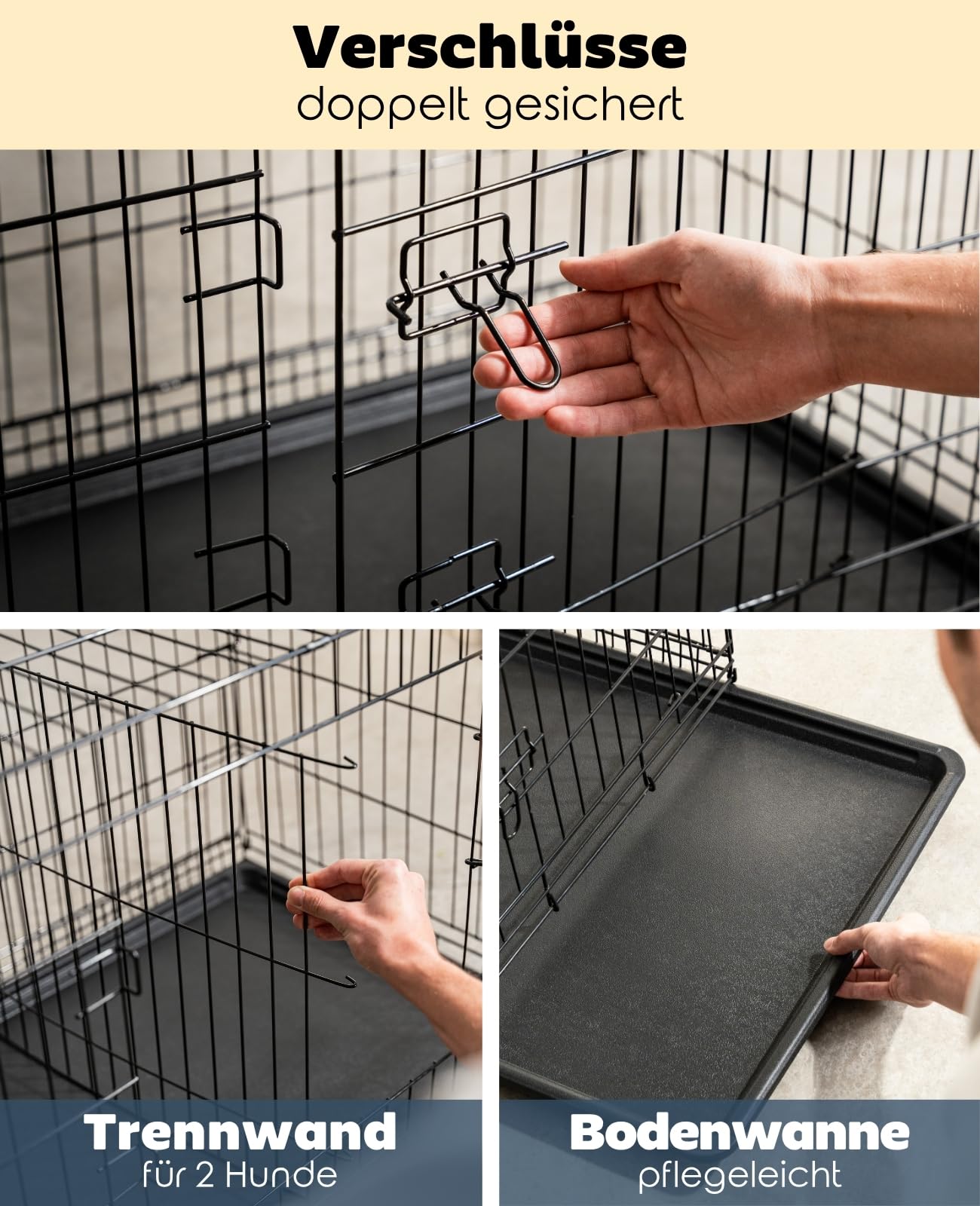
Credit: www.amazon.de

Credit: www.tiktok.com
Frequently Asked Questions
What Tools Do I Need To Assemble A Dog Crate?
Most dog crates require minimal tools for assembly. Typically, you’ll need a screwdriver or an Allen wrench. Some crates come with their own tools. Always check the crate’s manual for specific tools required to ensure a smooth assembly process.
How Long Does It Take To Put Together A Dog Crate?
Assembling a dog crate generally takes 10 to 30 minutes. The time depends on the crate’s size and complexity. Reading the instructions carefully beforehand can speed up the process, ensuring each part is correctly assembled for safety.
Can One Person Assemble A Dog Crate Alone?
Yes, one person can usually assemble a dog crate alone. Most crates are designed for easy solo assembly. However, having an extra pair of hands can make the process quicker, especially for larger crates or intricate designs.
Are All Dog Crates Assembled The Same Way?
No, dog crates have different assembly methods. Wire crates often snap together, while plastic ones might require screws. Always refer to the manufacturer’s instructions for the specific assembly process to ensure correct and safe setup.
Conclusion
Putting a dog crate together is simple with clear steps. Start by gathering all parts and tools. Follow the instructions carefully. Ensure each piece clicks into place. Safety is key for your pet’s comfort. Double-check the locks and latches. A well-assembled crate offers security.
Your dog will feel at home inside. Remember to place the crate in a quiet spot. Add a soft bed for extra coziness. Congratulations on completing this task! Your effort ensures your pet’s happiness. Enjoy the peace of mind knowing your dog is safe.