How to Introduce a Reactive Dog to Another Dog: Expert Tips
Senior Canine Nutritionist & Dog Behavior Specialist at Cozy Dog Go Wellness Lab
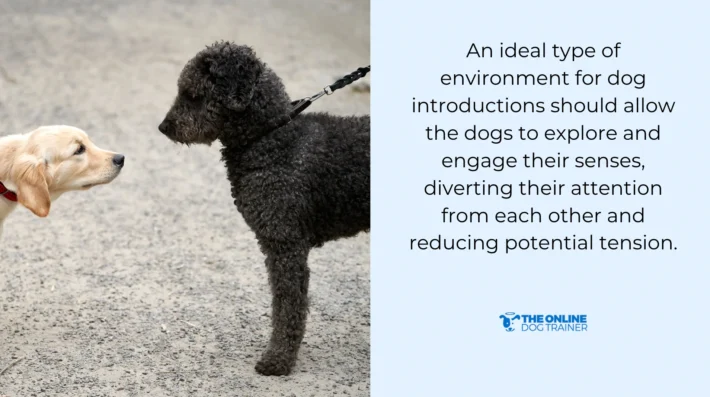
Introducing your reactive dog to another dog can feel daunting, but it’s a challenge you can conquer with the right approach. You know the scene all too well: your dog sees another canine and suddenly, the calm turns into chaos.
The good news is, you’re not alone, and help is at hand. Imagine a world where your dog can meet others without fear or anxiety. Sounds like a dream, right? This guide will walk you through practical steps to make that dream a reality.
You’ll discover techniques that ease tension, build confidence, and foster positive interactions. Ready to transform those stressful meet-ups into peaceful encounters? Let’s dive in and unlock the secrets to a harmonious introduction.
Credit: theonlinedogtrainer.com
Understanding Reactive Behavior
Introducing a reactive dog to another dog requires patience and calm energy. Start in a neutral space, keeping both dogs on leashes. Gradually decrease distance while observing their body language for signs of stress.
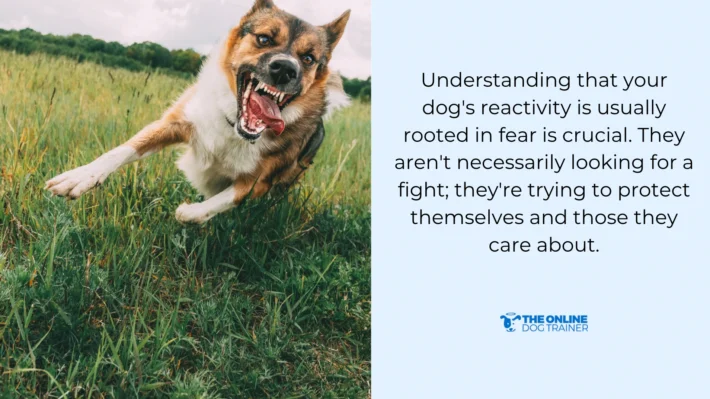
Understanding a reactive dog’s behavior is crucial when introducing them to another dog. Reactive behavior often stems from fear, anxiety, or lack of socialization. Recognizing and addressing these behaviors can lead to more positive interactions and a happier life for your furry friend.Signs Of Reactivity
Reactivity in dogs can manifest in various ways. You might notice your dog barking excessively, lunging at other dogs, or even snapping. These behaviors are signals that your dog is overwhelmed and trying to communicate their discomfort. A personal experience I had was with my dog Max. Whenever we encountered another dog on our walks, he’d start barking and pulling on the leash. It was his way of saying, “I’m not comfortable with this situation.” Have you ever noticed your dog displaying similar signs?Common Triggers
Understanding what triggers your dog’s reactivity is essential. Common triggers include unfamiliar dogs, loud noises, or even certain environments like crowded parks. Every dog has unique triggers. Some dogs might react to a specific breed, while others may respond to dogs of a certain size. Consider creating a list of situations where your dog becomes reactive. This will help you anticipate and manage these encounters more effectively. What specific triggers have you observed with your dog? Recognizing these can be the first step towards a peaceful introduction.Preparing For The Introduction
Creating a calm environment is crucial when introducing a reactive dog to another dog. Begin with separate spaces and controlled interactions to ensure safety. Gradual exposure helps both dogs acclimate to each other’s presence.
Introducing a reactive dog to another dog can feel daunting, but with the right preparation, you can set the stage for a successful meeting. Preparing for the introduction is the foundation of a positive encounter. By understanding the environment and gathering essential supplies, you are equipping yourself to handle any situation with confidence.Assessing The Environment
Before bringing your reactive dog into a new situation, take a moment to assess the environment. Consider whether the space is neutral and free from distractions that could trigger your dog. Look for areas that offer enough space for both dogs to move around comfortably. The last thing you want is a tight spot where they feel trapped. Think about potential escape routes or barriers that could help manage the dogs if things get tense. Could a park with open spaces or a friend’s backyard be ideal?Gathering Essential Supplies
Having the right supplies can make all the difference in ensuring a calm introduction. Start with sturdy leashes and harnesses to maintain control over your dog. Bring along plenty of treats to reward positive behavior. Treats can serve as both a distraction and a motivator for your dog to remain calm. Consider carrying a few toys that your dog is familiar with. They can provide comfort and help redirect attention during the meeting.Choosing The Right Time And Place
Introducing a reactive dog to another dog requires careful planning. Choosing the right time and place is crucial for a successful interaction. A calm environment can help your dog feel more at ease. It’s about finding a location and timing that minimizes stress.
Ideal Locations
Select an open area with enough space. Parks with fewer visitors are great. Avoid places with too many distractions. A quiet field or an empty beach might be perfect. These locations allow dogs to explore without feeling overwhelmed.
Timing Considerations
The right time can make a big difference. Early mornings or late afternoons tend to be quieter. Choose a time when your dog is relaxed. Avoid busy hours or crowded events. A calm day can help your dog feel secure.
Credit: theonlinedogtrainer.com
Managing The Initial Meeting
Creating a calm environment is crucial for introducing a reactive dog to another dog. Begin with neutral territory, ensuring both dogs are on leashes. Gradually let them sniff each other from a safe distance, rewarding positive behaviors.
Managing the initial meeting between a reactive dog and another dog can be a challenging yet rewarding experience. It’s crucial to approach this with patience and a well-thought-out plan. By preparing in advance, you can help ensure that the meeting is as stress-free as possible for both dogs. Understanding the dynamics at play is key. You’ll want to keep a close eye on both dogs’ comfort levels and be ready to adjust your approach as needed. Let’s explore some strategies that can help make this introduction successful.Leashed Vs Unleashed
Deciding whether to keep the dogs leashed or allow them to be unleashed can significantly impact the initial meeting. A leash provides control and safety, ensuring that you can quickly intervene if things become tense. However, it can also create a feeling of restriction for the dogs, which might heighten their anxiety. On the other hand, allowing the dogs to be unleashed in a secure area might let them express themselves more naturally. This can be beneficial, but only if both dogs are relatively calm and the environment is safe. Consider your dog’s past behavior and the setting of the meeting. Is there a fenced-in space available? Does your dog respond well to commands? These questions can guide your decision.Body Language Cues
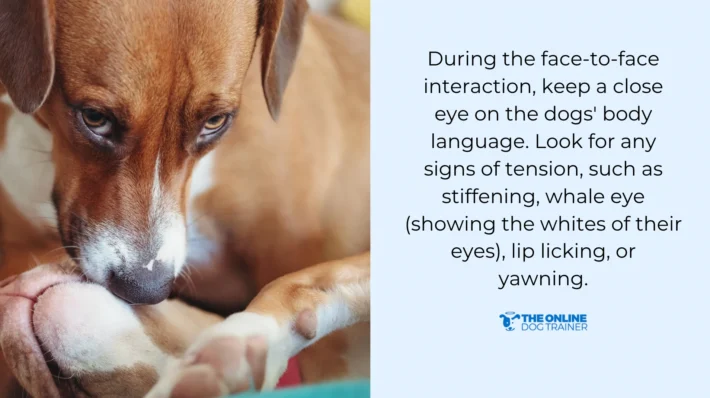
Paying attention to body language cues is essential during the first meeting. Dogs communicate a lot through their bodies, and understanding these signals can help you manage the interaction. Look for signs of relaxation, such as a wagging tail or a play bow. These indicate that a dog is comfortable and willing to engage positively. Conversely, watch for signs of stress or aggression, like stiff body posture, growling, or a tucked tail. These signals mean it’s time to step in and create some distance between the dogs. Observing my own dog’s interactions, I noticed that he would often look away when feeling overwhelmed. Recognizing this cue allowed me to intervene before tensions escalated. Are you familiar with your dog’s body language cues? Understanding these can empower you to make informed decisions during introductions, ensuring a smoother and safer experience for everyone involved.Utilizing Positive Reinforcement
Introducing a reactive dog to another dog can be challenging. Positive reinforcement is a key strategy for success. It encourages good behavior through rewards rather than punishments. This approach builds trust and confidence in your reactive dog. Using treats or verbal praise motivates the dog to remain calm. Over time, it helps your dog associate the presence of other dogs with positive outcomes. Consistent positive reinforcement can gradually reduce reactivity.
Rewarding Calm Behavior
Rewarding calm behavior is crucial in training reactive dogs. Observe your dog closely during interactions with other dogs. As soon as your dog remains calm, reward them immediately. Use treats or affectionate words to reinforce this behavior. The goal is to teach your dog that calmness leads to rewards. Over time, this will encourage your dog to repeat calm behavior more often. It helps in reducing anxiety and stress during dog introductions.
Consistency In Training
Consistency is vital for successful training. Ensure you reward calm behavior every time it occurs. This consistency teaches your dog what is expected. It helps your dog understand that calmness is a desired trait. Practice this regularly during dog introductions. Keep training sessions short and frequent to maintain your dog’s interest. Be patient and persistent for effective results.

Credit: spiritdogtraining.com
Strategies For Successful Interaction
Introducing a reactive dog to another dog requires patience and calm. Begin in a neutral area, using leashes for control. Allow them to observe each other from a safe distance, rewarding calm behavior.
Introducing a reactive dog to another dog requires patience and careful planning. Successful interaction can help reduce stress for both dogs. This process involves various strategies to ensure a peaceful meeting. Here, we explore some effective approaches.Gradual Desensitization
Start by keeping both dogs at a distance. Allow them to see each other from afar. Gradually decrease the distance over several sessions. Observe their body language closely. Reward calm behavior with treats. Use a calm voice to reassure them. Patience is key in this stage.Building Trust And Confidence
Create positive associations with the other dog. Let them share space without direct interaction. Use toys or treats to build trust. Encourage relaxed behavior with gentle praise. Take breaks if tension rises. Short, positive sessions work best. Over time, their confidence will grow.Monitoring Progress
Introducing a reactive dog to another dog requires careful planning and observation. Begin in a neutral location, allowing both dogs to become familiar with their surroundings. Gradually close the distance between them, ensuring a calm and controlled atmosphere.
Monitoring the progress when introducing a reactive dog to another dog is crucial. It’s about observing subtle changes, measuring success, and making informed decisions. With patience and consistency, you can help your dog build positive associations and improve their interactions.Recognizing Improvement
Recognizing improvement can be like spotting the first signs of spring after a long winter. You might notice your reactive dog is calmer during encounters with the other dog. Perhaps they’re showing curiosity instead of aggression, or they’re able to focus on you despite distractions. Celebrate small victories. A simple wag of the tail or relaxed body language can be significant milestones. Keep a journal to track these changes; it can be motivating to see how far you’ve come.Adjusting Techniques
If progress stalls, don’t be disheartened. It may be time to adjust your techniques. Consider varying the environment or changing the distance between the dogs during interactions. Listen to your dog’s cues. If they seem stressed, take a step back and try a different approach. Flexibility is key—what works one day might need tweaking the next. Are you using the right rewards? Sometimes switching up treats or toys can reignite motivation. Always prioritize your dog’s comfort and safety above all.When To Seek Professional Help
When a reactive dog shows aggression or fear around other dogs, expert guidance may be needed. Professional help can ensure safe introductions and reduce stress for both dogs.
When dealing with a reactive dog, introducing them to another dog can be challenging and sometimes overwhelming. There might be moments when you feel stuck or uncertain about the progress. This is when considering professional help becomes crucial. Knowing when to make this decision can greatly impact your dog’s behavior and your peace of mind.Identifying Persistent Issues
You might notice persistent aggressive behaviors such as growling, barking excessively, or lunging. If these behaviors don’t improve despite your efforts, it may be time to seek expert advice. Another sign is if your dog shows fear or anxiety around other dogs, leading to avoidance or distress. These issues can escalate if not addressed, making interactions more difficult. Have you observed your dog becoming more reactive over time? If so, it could indicate underlying issues that need professional attention.Benefits Of Expert Guidance
Professional trainers offer tailored strategies to address specific behavioral problems. They bring experience and insights that can transform your dog’s interactions with others. You receive personalized support to implement techniques effectively, ensuring both you and your dog feel confident during introductions. Expert guidance provides a structured approach, helping you track progress and adjust methods as needed. This can lead to more successful and stress-free encounters. Seeking professional help is not a sign of failure—it’s a proactive step towards a happier, more balanced life for your dog. Are you ready to take this step?Frequently Asked Questions
How Do I Prepare My Reactive Dog For A Meeting?
Start by ensuring your dog is calm and relaxed. Use positive reinforcement to reward calm behavior. Practice commands like “sit” and “stay” consistently. Gradually expose your dog to other dogs from a distance. Use treats to create a positive association.
This preparation helps reduce anxiety during introductions.
What Are The First Steps In Introducing Dogs?
Begin by walking the dogs parallel at a safe distance. Gradually decrease the distance if both dogs remain calm. Allow sniffing only if both dogs show relaxed body language. Keep leashes loose to avoid tension. Monitor their behavior closely to ensure a positive interaction.
How Can I Maintain Safety During Dog Introductions?
Always use a leash and harness for control. Keep initial meetings short and positive. Observe body language for signs of stress or aggression. Have a plan to separate them if necessary. Reward calm behavior with treats and praise. Safety should be your top priority during introductions.
What Signs Indicate A Positive Dog Interaction?
Look for relaxed body language, such as wagging tails and loose posture. Dogs may play-bow or sniff each other calmly. Their ears and mouths should be relaxed, not tense. If both dogs exhibit these signs, it’s a good indication of a positive interaction.
Always monitor their behavior closely.
Conclusion
Introducing a reactive dog to another dog requires patience and care. Start slow and maintain a calm environment. Your confidence reassures your dog. Keep sessions short and rewarding. Celebrate small wins. Recognize your dog’s limits and respect them. Use positive reinforcement to build trust.
Gradually increase their time together. Safety should always be your priority. Consult a professional if challenges persist. Remember, every dog is unique. Tailor your approach to suit their needs. Your efforts can lead to a peaceful relationship. With time, both dogs can learn to coexist happily.

Similar Posts