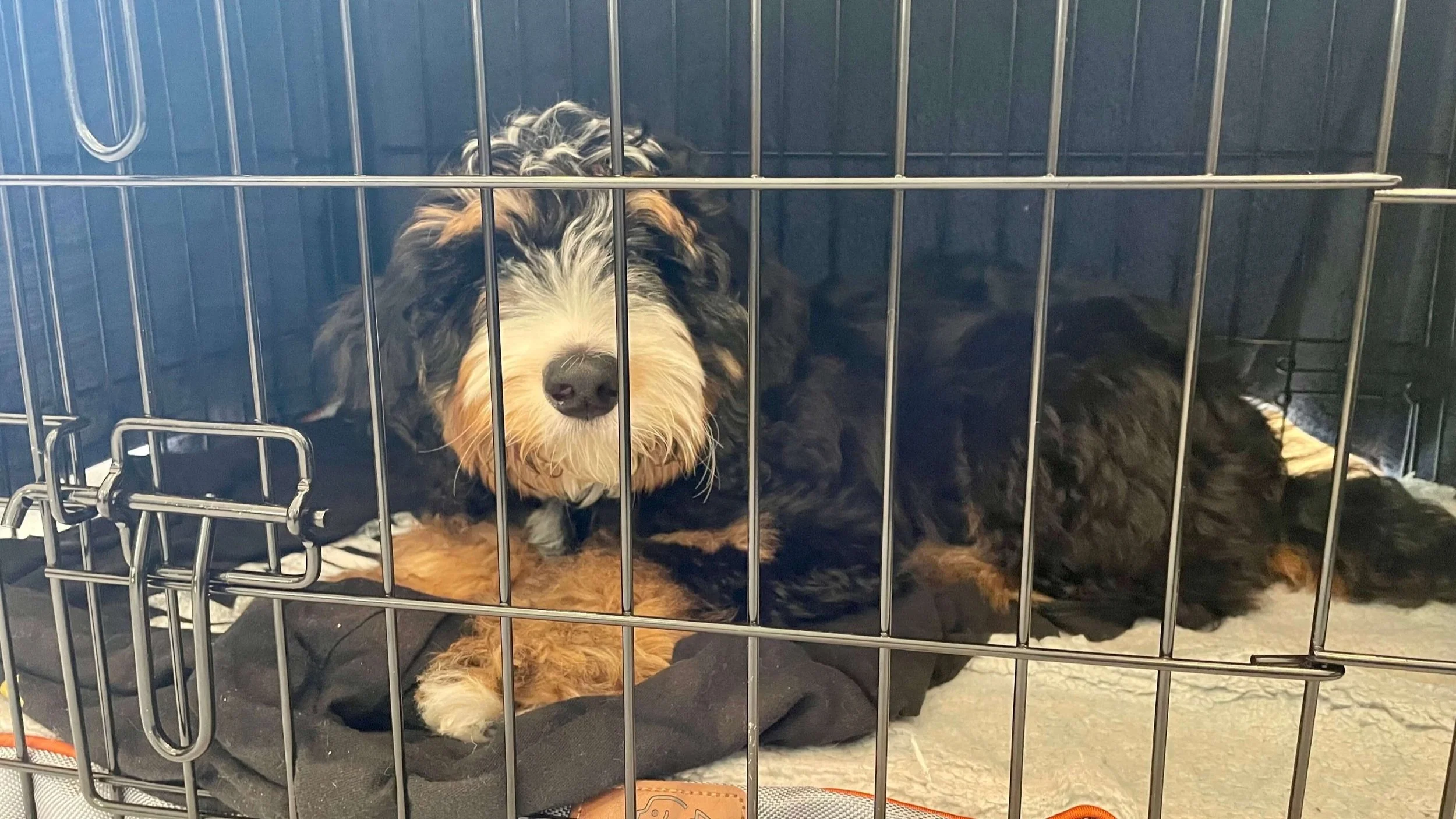
How to Stop Dog from Howling in Crate: Proven Methods
Your dog’s howling in the crate can feel like a never-ending serenade of stress. Whether you’re trying to get some sleep, work from home, or enjoy some peace, that mournful sound can tug at your heartstrings and fray your nerves.
You’re not alone in facing this challenge, and there’s hope for you and your furry friend. Imagine a future where your dog feels safe and calm in their crate, a place of comfort rather than anxiety. By addressing the root of the howling, you can transform crate time into a peaceful experience for both you and your dog.
Dive into this article to discover practical tips that will bring tranquility to your home and help your dog embrace their crate as a cozy haven.
Understanding Crate Howling
Understanding crate howling involves recognizing stress signals from your dog. Establish a comforting environment with familiar items. Gradually increase crate time while offering praise and treats for calm behavior.
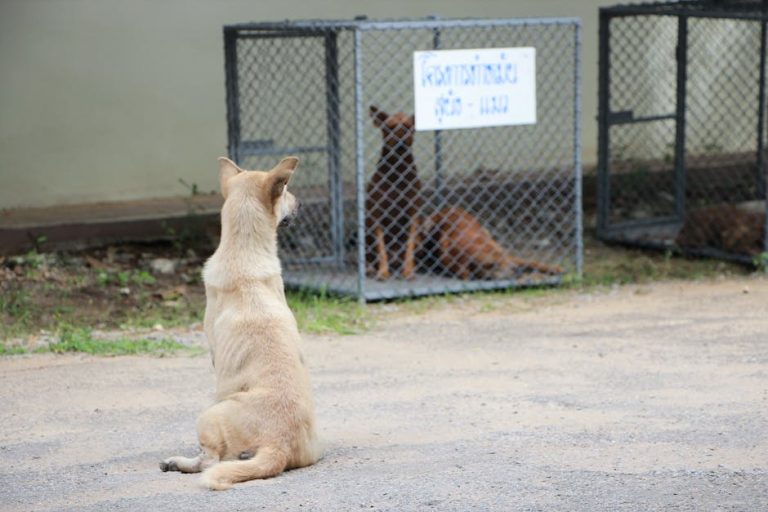
Understanding Crate Howling Dogs often howl in crates due to stress or discomfort. This behavior can be puzzling for pet owners. Understanding why dogs howl is key to solving the issue. A crate should be a safe space for dogs. But sometimes, it becomes a source of anxiety.Reasons Behind Howling
Dogs may howl for several reasons. Separation anxiety is common. Dogs miss their owners and feel lonely. Fear can also trigger howling. Loud noises or unfamiliar surroundings might scare them. Some dogs howl for attention. They seek interaction or want to be let out. If the crate is too small, they may feel trapped. This discomfort leads to vocal protests.Impact Of Howling On Dogs
Constant howling can stress a dog. It disrupts their calm and peace. This stress can affect their overall health. Dogs may become tired or anxious. Their sleep patterns might change. Howling can also strain the bond with their owner. Owners might feel frustrated or helpless. This tension can affect training and trust. A stressed dog may develop other behavioral issues. Understanding the impact is crucial for effective solutions.
Credit: www.tiktok.com
Creating A Comfortable Environment
Creating a Comfortable Environment Ensure the crate is a cozy space with soft bedding and familiar toys. Gradually increase crate time while offering treats for quiet behavior.
Creating a comfortable environment in the crate can help reduce your dog’s howling. A cozy and secure space can calm them, making the crate feel like a safe haven. Let’s explore how to create this environment effectively.Choosing The Right Crate
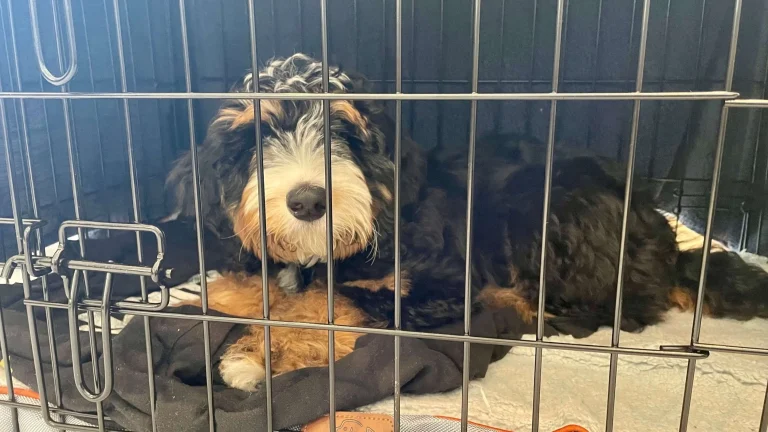
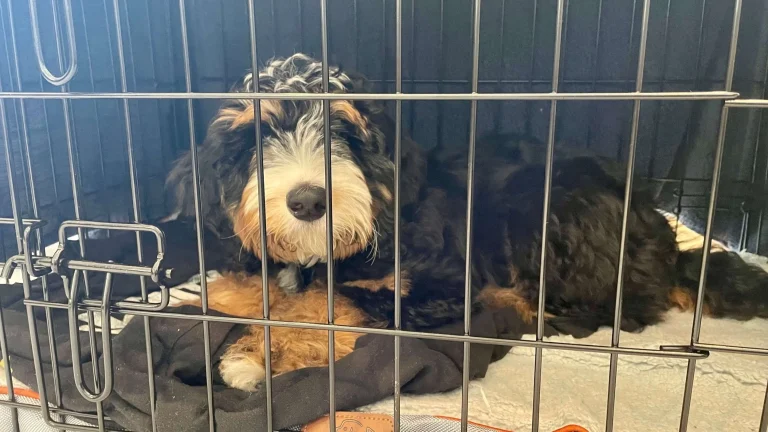
The size of the crate matters. It should be large enough for your dog to stand, turn, and lie down comfortably. Avoid a crate that is too big, as it may not feel secure. Crates with sturdy materials provide durability and safety. Consider crates with good ventilation for better airflow. This helps in maintaining a pleasant temperature inside.Making The Crate Inviting
Add soft bedding to make the crate cozy. Comfortable bedding can make your dog feel at ease. Place familiar items like their favorite toy or blanket inside. These items bring comfort and a sense of familiarity. Position the crate in a quiet area away from noise. A peaceful spot helps in reducing stress and anxiety. Using treats can make the crate more appealing. Leave a treat inside for them to find. This creates a positive association with the crate.Training Techniques
Crate training can help stop a dog from howling. Begin by making the crate a comforting space. Gradually increase crate time while rewarding calm behavior with treats.
Training a dog to stop howling in its crate requires patience and consistency. Using proven techniques can help your dog feel more comfortable and secure. These methods focus on building trust and reducing anxiety.Positive Reinforcement
Reward your dog for calm behavior. Offer treats and praise when they stop howling. This encourages them to associate quietness with positive outcomes. Keep rewards handy to reinforce good behavior consistently. Use a cheerful voice to praise them. Dogs respond well to happy tones.Gradual Desensitization
Start by letting your dog spend short periods in the crate. Slowly increase the time they stay inside. This helps them adjust without feeling trapped. Begin with a few minutes and gradually extend the duration. Stay nearby to reassure them. Your presence can ease their anxiety.Establishing A Routine
Establishing a routine helps reduce anxiety in dogs, easing crate howling. Consistent schedules provide comfort and familiarity, calming your pet.
Establishing a routine can help stop your dog from howling in its crate. A predictable schedule helps your pet feel secure. It reduces anxiety and stress. Dogs thrive on consistency. Creating a structured environment is crucial.Consistent Schedule
A consistent schedule sets clear expectations for your dog. Feed and walk your dog at the same time every day. This predictability helps your pet understand when to rest in the crate. Consistency aids in calming your dog. It teaches them when it’s time to settle down.Pre-crate Activities
Engaging in pre-crate activities prepares your dog for crate time. Spend time playing or walking with your dog. These activities help tire them out. A tired dog is less likely to howl. Mental stimulation is also key. Simple training exercises can keep your dog occupied. This ensures they are ready to rest peacefully in their crate.Addressing Anxiety Issues
Addressing anxiety issues in your dog’s crate is crucial to creating a peaceful environment for both you and your furry friend. Sometimes, a dog’s howling is not merely a call for attention but a sign of deeper anxiety. Understanding and managing this anxiety can significantly reduce howling and make crate time a positive experience.
Identifying Signs Of Anxiety
Recognizing anxiety in your dog isn’t always straightforward. Look for signs like excessive drooling, panting, or restlessness. Does your dog pace around the crate or show reluctance to enter? These behaviors often indicate underlying stress.
It’s important to differentiate between occasional discomfort and chronic anxiety. Keep an eye out for repetitive destructive behaviors or persistent vocalizations. Could your dog’s anxiety be linked to specific triggers, such as separation from you or changes in their environment?
Calming Strategies
Once you’ve identified anxiety, implementing calming strategies can help. Start with simple changes like placing a familiar blanket or toy in the crate. The scent and texture can offer comfort and security.
- Consider using a calming spray or diffuser with pheromones to help soothe your dog.
- Establish a consistent routine to create predictability and reduce stress.
- Engage in interactive play before crate time to tire your dog out, making them more likely to relax.
Training sessions focused on positive reinforcement can gradually ease anxiety. Reward your dog for calm behavior in the crate. Have you tried short crate intervals with treats to build positive associations?
It’s also worth exploring whether your dog might benefit from a little background noise. Soft music or a ticking clock can mimic the presence of a companion, providing comfort during crate time.
Utilizing Distraction Tools
Distraction tools can be effective in calming a howling dog. These tools shift your dog’s focus and provide mental engagement. This engagement can soothe anxiety and reduce howling episodes in the crate.
Interactive Toys
Interactive toys keep your dog busy and entertained. They are designed to stimulate your dog’s mind. Toys with treats inside are particularly engaging. Your dog will focus on extracting the treat, forgetting the urge to howl. Puzzle toys are another great option. They challenge your dog’s problem-solving skills. Rotate toys regularly to maintain interest. This variety keeps your dog curious and engaged.
Audio And Visual Stimulation
Audio stimulation can be calming for dogs. Soft music or white noise can soothe anxious dogs. These sounds create a relaxing environment in the crate. Visual stimulation can also distract your dog. Consider placing the crate near a window. Your dog can watch birds or passing cars. A pet-safe video on a tablet could also work. These distractions can help keep howling at bay.
Seeking Professional Help
Sometimes, a dog’s howling in a crate may need professional help. Seeking expert guidance can offer solutions tailored to your dog’s specific needs. Professional trainers and behavioral therapists have the experience to address these issues effectively. Consulting a professional can provide peace of mind and improve your dog’s well-being.
When To Consult A Trainer
If your dog continues to howl despite basic training methods, consider a trainer. Persistent howling may indicate deeper issues needing expert evaluation. A professional trainer can assess your dog’s behavior and provide personalized strategies. They can identify triggers and offer techniques to reduce anxiety. This support is crucial for dogs struggling with crate training.
Exploring Behavioral Therapy
Behavioral therapy is another option for persistent howling. It addresses underlying emotional and psychological factors affecting your dog. Therapists use specialized techniques to modify unwanted behaviors. This approach can help dogs who are anxious or fearful in crates. Sessions may include positive reinforcement, desensitization, and relaxation exercises.
Therapy aims to create a calmer, happier environment for your pet. It can be a long-term solution for dogs with severe anxiety. Consult a professional therapist for a tailored plan meeting your dog’s needs. Their expertise can make a significant difference in reducing stress and improving behavior.
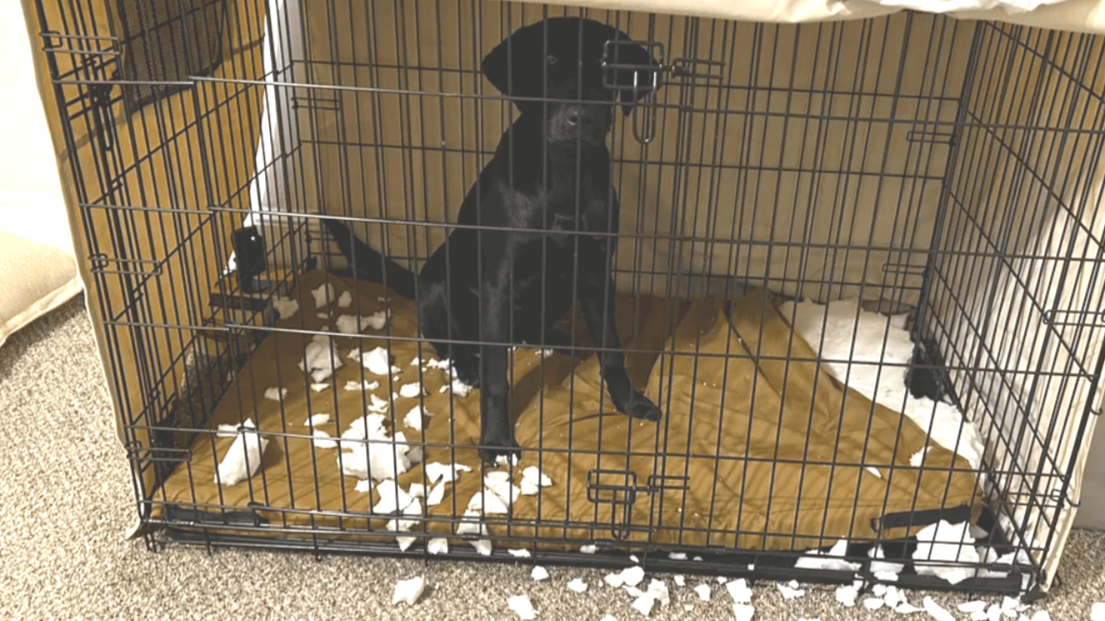
Credit: www.dogsavvylosangeles.com

Credit: www.dogsavvylosangeles.com
Frequently Asked Questions
Why Does My Dog Howl In The Crate?
Dogs often howl due to anxiety, loneliness, or discomfort. The crate might feel unfamiliar or isolating. Ensure the crate is comfortable and located in a quiet space. Gradually acclimate your dog to the crate by associating it with positive experiences like treats and praise.
Consistency is key.
How Can I Soothe My Dog In The Crate?
To soothe your dog, use calming aids like toys or blankets. A familiar scent or soothing music can help. Ensure they’ve had enough exercise to reduce excess energy. Gradually increase the time they spend in the crate, rewarding calm behavior.
What If My Dog Never Stops Howling?
If your dog persists in howling, consult a veterinarian or professional trainer. There might be underlying issues like separation anxiety. A professional can provide tailored advice and solutions. Consistent training and patience are crucial for long-term success.
Is My Dog Stressed In The Crate?
Signs of stress include excessive howling, panting, or chewing. Ensure the crate is comfortable and properly sized. Introduce the crate gradually, using positive reinforcement. Monitor your dog’s behavior and adjust the environment as needed to reduce stress.
Conclusion
Teaching your dog not to howl in a crate takes patience. Consistency is key. Try to understand your dog’s needs and feelings. Use positive reinforcement to encourage quiet behavior. Gradually increase crate time, so your dog adjusts. Make the crate a cozy, safe space.
Avoid reacting to howling, as it may encourage the behavior. Consult a vet if problems persist. Every dog is unique, so methods may vary. With dedication, your dog will learn to feel calm and secure. Keep practicing and stay patient for the best results.
Your efforts will create a happier pet and a peaceful home.