How to Make a Dog Stop Crying in Crate: Expert Tips
Senior Canine Nutritionist & Dog Behavior Specialist at Cozy Dog Go Wellness Lab

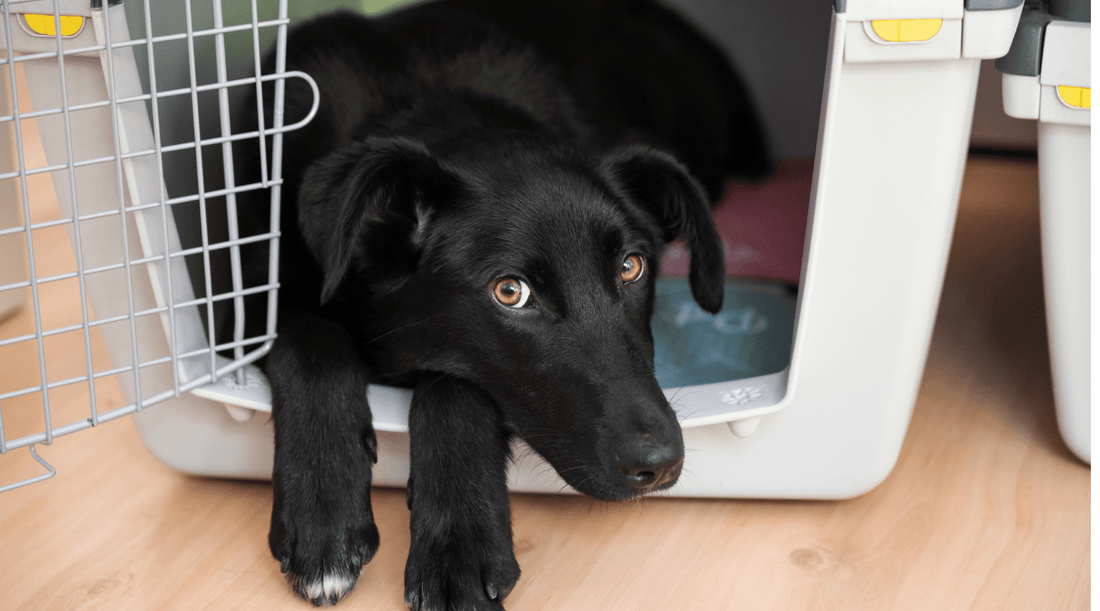
Picture this: You’ve finally managed to get your adorable pup settled into their crate, hoping for a peaceful night or a quiet afternoon. But instead, you’re met with heart-wrenching cries that seem to echo throughout your home.
It’s enough to tug at anyone’s heartstrings, leaving you feeling helpless and perhaps a bit frustrated. You’re not alone. Many dog owners face this challenge, and the good news is, there are effective strategies to help your furry friend feel more comfortable in their crate.
Imagine the relief and satisfaction you’ll feel once those cries transform into contented silence. By understanding why your dog cries in their crate, you can address the root of the problem and create a soothing environment for them. This article is your guide to turning those tearful moments into calm and happy ones. Dive in to discover the secrets to making your dog’s crate a haven rather than a source of distress. Let’s transform your dog’s crate time from a struggle to a success story.
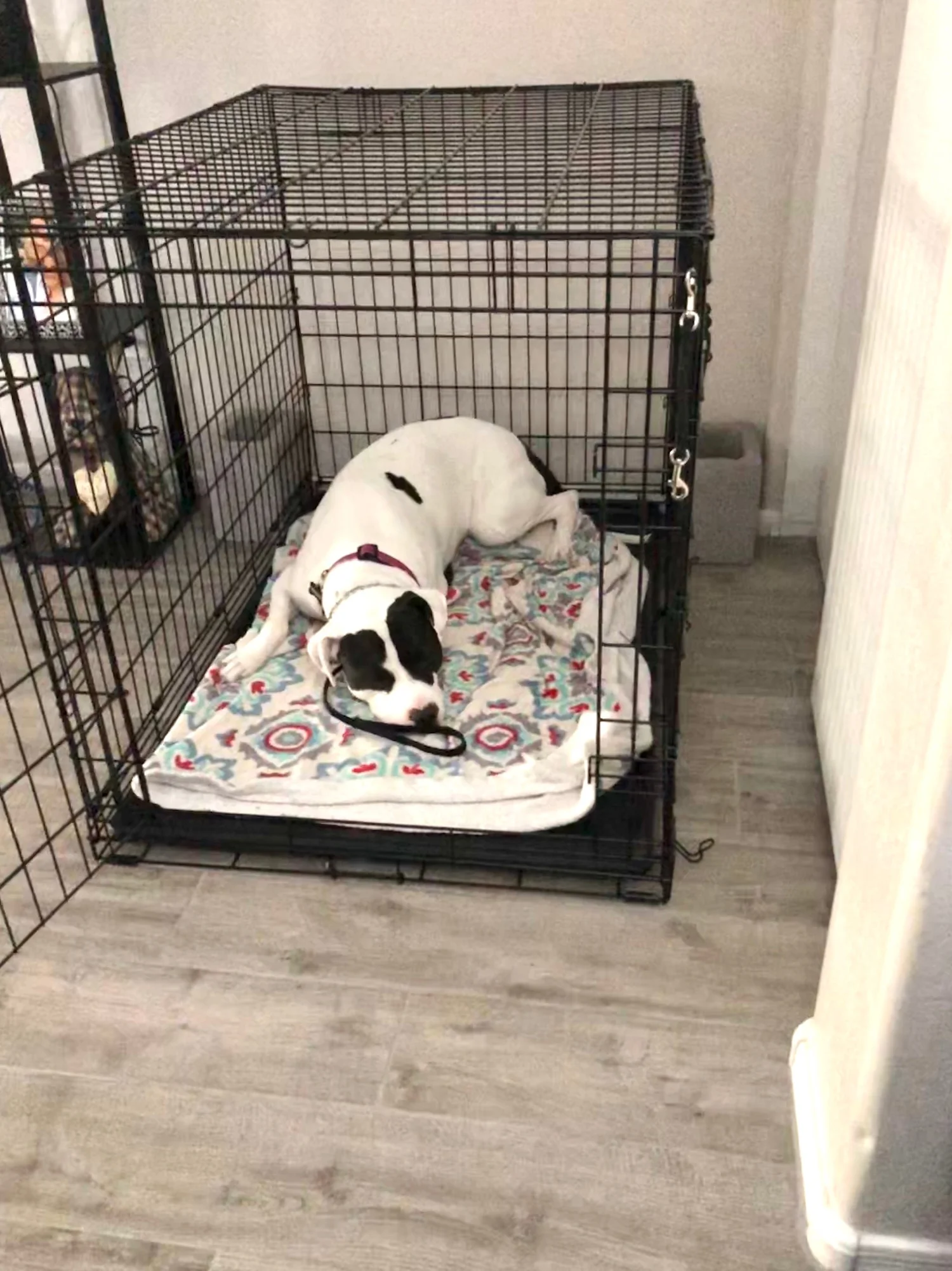
Credit: www.facebook.com
Reasons Dogs Cry In Crates
Dogs often cry in crates due to anxiety or discomfort. Ensuring comfort and gradual crate training can help reduce crying. Regular exercise and a cozy environment may also ease their distress.
Understanding why dogs cry in crates helps address the issue effectively. Dogs express emotions through crying or whining. It’s their way of communicating. Knowing the reasons behind this behavior is crucial. Here are some common causes of crate crying.Separation Anxiety
Dogs are social animals. They form strong bonds with their owners. When left alone, they may feel anxious. This anxiety often leads to crying. The crate can intensify feelings of isolation. Dogs might associate it with being apart from their loved ones. Recognizing signs of separation anxiety is important. Addressing this issue can help reduce crying.Fear And Discomfort
A crate might feel unfamiliar to a dog. This unfamiliarity can cause fear. The crate’s environment might be uncomfortable. A hard surface or a too-small space can add to discomfort. Dogs might express this through crying. Ensure the crate is a safe, comfortable space. This can help calm their fears.Need For Attention
Dogs crave attention from their owners. A crate limits interaction. This might prompt them to cry for attention. They might feel neglected or ignored. Responding to their needs is essential. Providing toys or comfort items can help. It reduces their need to cry for attention.Creating A Comfortable Crate Environment
Create a cozy crate with soft bedding and familiar toys. A calm environment helps soothe a crying dog. Positive reinforcement encourages quiet behavior.
Creating a Comfortable Crate Environment A dog’s crate should be a sanctuary, not a prison. Creating a comfortable environment within the crate is crucial to help your dog feel safe and secure. When your dog associates the crate with comfort, they are less likely to cry or feel anxious. But how do you make a crate cozy enough to stop those cries?Choosing The Right Size
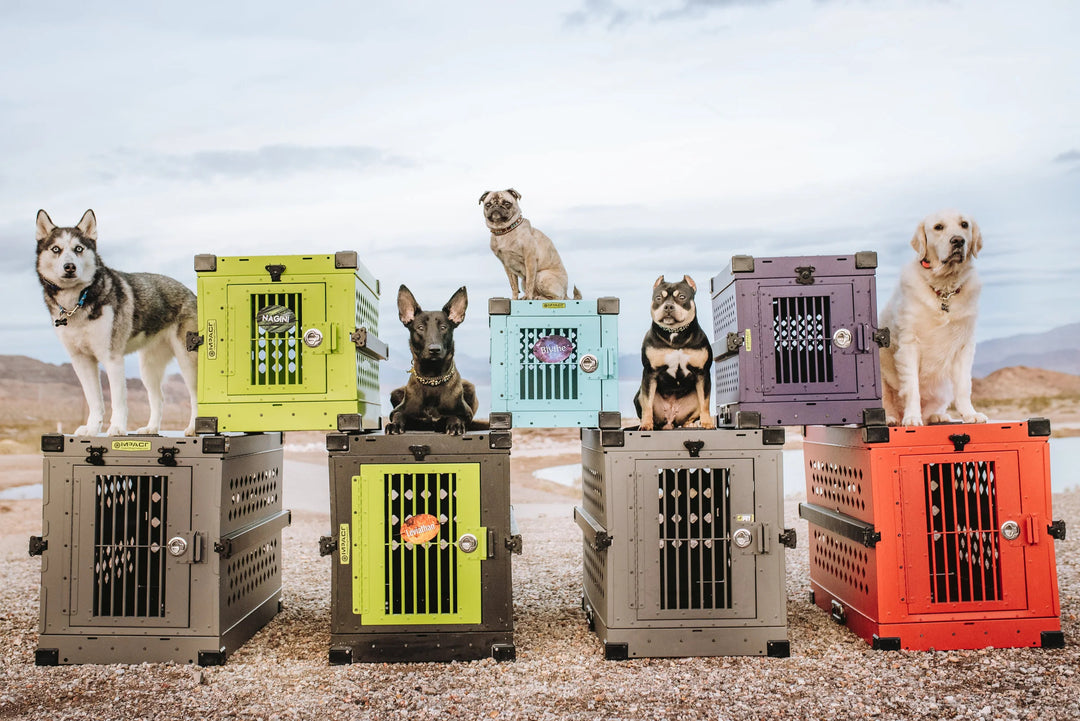
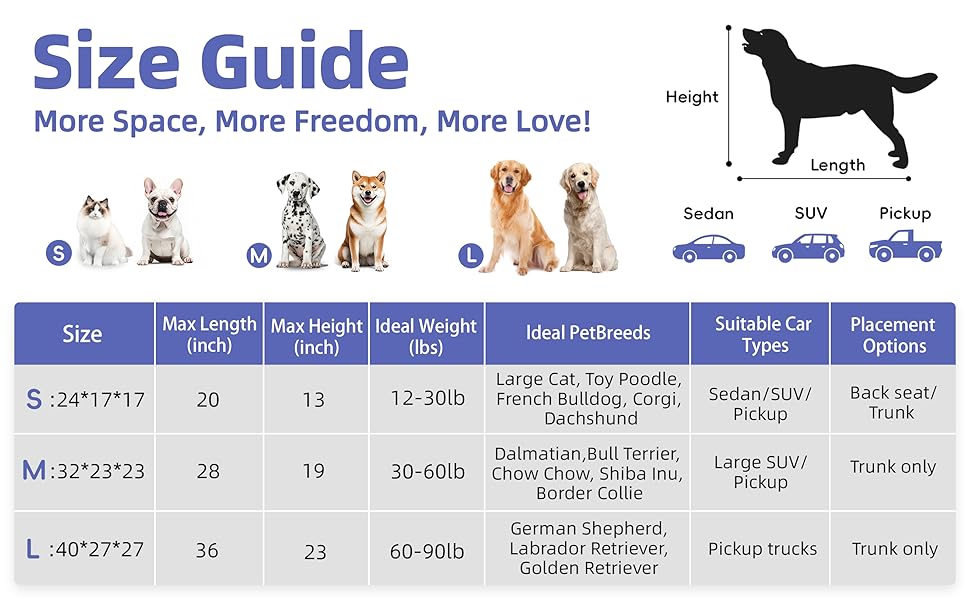
The size of the crate plays a significant role in your dog’s comfort. A crate that’s too small can make your dog feel cramped and stressed, while a crate that’s too large can lead to insecurity. Measure your dog from the tip of their nose to the base of their tail, then add a few inches to ensure they have enough space to stand up, turn around, and lie down comfortably. Have you ever noticed how your dog circles before settling down? They need room to do just that!Adding Cozy Bedding
Imagine sleeping on a cold, hard surface every night. Not very inviting, right? Adding cozy bedding can make all the difference in your dog’s comfort. Opt for soft, washable materials that can withstand occasional chewing or clawing. Some dogs prefer plush beds, while others might like the feel of a simple fleece blanket. Experiment to find what your dog loves best.Ensuring Proper Ventilation
Proper ventilation is essential to keep your dog comfortable and healthy. Crates that are poorly ventilated can become stuffy, increasing your dog’s stress and discomfort. Ensure the crate has enough openings to allow air circulation. This is especially important if your crate is in a room that gets warm or has little airflow. A well-ventilated space contributes to a fresh, welcoming environment that can ease your dog’s anxiety.Gradual Crate Training Techniques
Gradual crate training helps dogs feel secure and calm in their new space. Introduce the crate slowly, letting the dog explore and get comfortable. Use treats and praise to encourage positive feelings, making it less likely for the dog to cry.
Crate training can be a valuable tool for both you and your furry friend, but hearing your dog cry in the crate can be heartbreaking. To help ease their distress, gradual crate training techniques are essential. By slowly acclimating your dog to their crate, you can transform it from a source of anxiety into a safe haven.Positive Reinforcement
Celebrate small victories with your dog. Every time they enter the crate willingly, reward them with a treat or their favorite toy. This positive association helps them view the crate as a happy place. Consider using verbal praise or gentle petting to reinforce the idea that the crate is a good spot.Short Sessions
Start with brief periods in the crate. Five to ten minutes is enough to begin with. This short duration prevents overwhelming your dog. Gradually, as they become more comfortable, you can extend the time. Remember, patience is key; rushing the process may lead to setbacks.Increasing Duration Gradually
Once your dog seems relaxed during short sessions, extend the time in the crate incrementally. Add a few minutes each day. Observe their behavior closely—if they start to show signs of distress, pause and reassess. Is your dog feeling comfortable? Is the crate positioned in a calm environment? These are questions to consider to ensure your dog’s comfort. By taking these steps, you can help your dog associate their crate with comfort and safety, rather than anxiety.
Credit: www.dogsavvylosangeles.com
Using Toys And Distractions
Toys and distractions can help a dog stop crying in a crate. Offer chew toys or a stuffed animal to keep them busy. Soothing sounds or a ticking clock can also provide comfort.
Crate training can be challenging, especially when your furry friend starts crying. One effective approach to ease their distress is using toys and distractions. This strategy not only keeps them occupied but also helps create a positive association with the crate. Let’s dive into some practical ways to use toys and distractions effectively.Chew Toys
Chew toys are a lifesaver for many dog owners. They provide comfort and keep your dog busy. Choose toys that are safe and durable, like rubber or nylon options. You might have noticed how a dog’s focus shifts entirely when they find a chew toy they love. It’s like magic! Be sure to rotate these toys to maintain your dog’s interest.Interactive Games
Interactive games can be a fun way to distract your dog. Puzzle toys that dispense treats can be particularly engaging. They stimulate your dog’s mind and make crate time less daunting. Imagine your dog trying to figure out how to get the treat out. The time and effort they spend doing this can help reduce anxiety and crying.Sound Machines
Sound machines can be surprisingly effective. They can mask outside noises that might be causing stress. Options like white noise or soft music can create a calming environment. Have you ever noticed how music can change your mood? Dogs are no different. Experiment with different sounds to find what works best for your furry friend. By incorporating these toys and distractions, you not only make crate time less stressful but also help your dog develop independence. Remember, patience and understanding are key to successful crate training. How do you plan to make crate time more enjoyable for your dog?Addressing Anxiety And Stress
Creating a calming environment helps soothe a dog’s anxiety in a crate. Providing familiar toys and a cozy blanket offers comfort. Gradual crate training builds confidence and reduces crying.
Addressing anxiety and stress in dogs is crucial for crate training success. Dogs may cry in crates due to feeling anxious or stressed. Understanding their needs can help in calming them down. This helps them feel secure and comfortable.Calming Supplements
Calming supplements can ease a dog’s anxiety. These supplements are often natural and safe. They contain ingredients like chamomile or valerian root. They help relax the dog and reduce stress levels. Always consult a vet before giving any supplement. Ensure the supplement is suitable for your dog’s breed and size.Desensitization Exercises
Desensitization exercises help dogs get used to crates. Start with short periods of crate time. Gradually increase the duration as your dog becomes comfortable. Reward your dog with treats and praise when they enter the crate willingly. This positive reinforcement builds trust and reduces anxiety. Make the crate a pleasant place with toys or blankets.Professional Guidance
Sometimes professional guidance is needed. A dog trainer can provide expert advice. Trainers offer personalized techniques for your dog’s needs. They teach you how to understand and respond to your dog’s behavior. This support can lead to faster progress and more effective solutions. Consider seeking help if stress persists despite your efforts.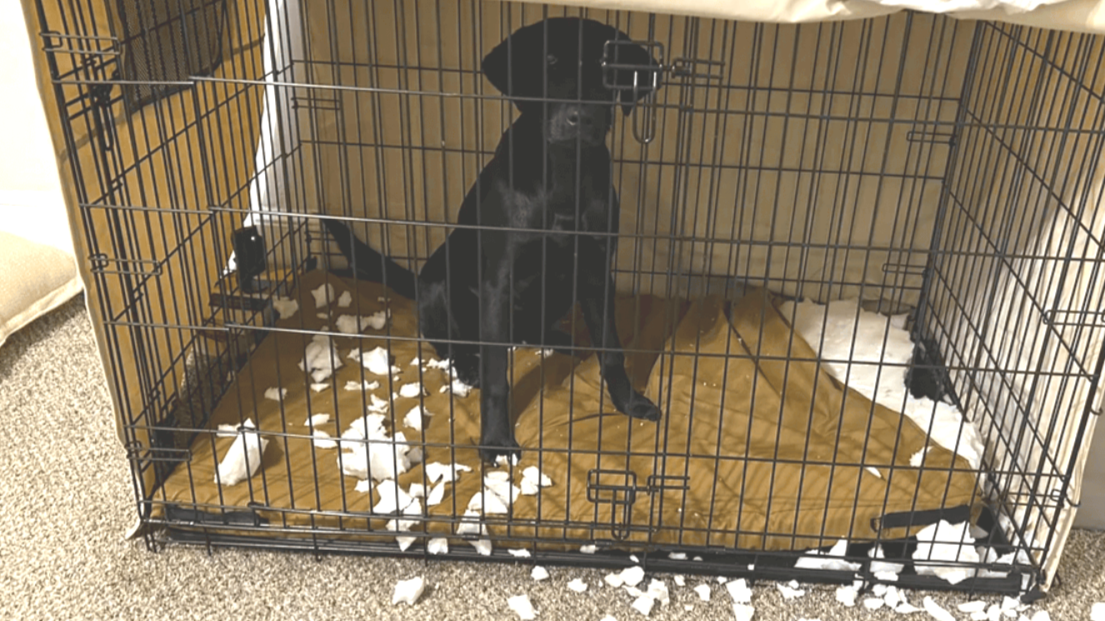
Credit: www.dogsavvylosangeles.com
Monitoring And Adjusting Crate Time
Monitoring and adjusting crate time is crucial when you want to help your dog stop crying in their crate. As a pet owner, you understand that every dog has unique needs and behaviors. By observing their responses and making necessary changes, you can create a comfortable and stress-free environment for your furry friend. Let’s explore how you can fine-tune crate time through careful observation and adjustments.
Observing Behavior
Start by closely observing your dog’s behavior in the crate. Are they restless or anxious? Do they cry immediately or after some time? These observations can reveal the root cause of their discomfort.
Perhaps your dog feels lonely or confined. Watching for specific cues, like excessive pacing or whining, can help you pinpoint what bothers them. An example from my own experience: I noticed my dog settling down when I placed a familiar blanket in the crate.
Consider how your dog reacts when you approach or leave the crate area. Does their crying escalate? This can indicate separation anxiety, which might require additional attention.
Adjusting Schedule
Adjusting the crate schedule can make a significant difference. Gradually increase crate time, starting with short intervals, to help your dog acclimate.
Establish a routine that aligns with your dog’s natural rhythms. If your dog is more active during certain hours, consider crate time during quieter periods.
Consistency is key. Regularly scheduled crate sessions can help your dog anticipate and accept time spent in the crate. What schedule changes have you tried, and how did your dog respond?
Ensuring Adequate Exercise
Exercise plays a vital role in reducing crate-related stress. A tired dog is more likely to rest calmly in their crate.
Incorporate daily walks and playtime to expend energy. This physical activity helps alleviate anxiety and promotes relaxation.
Consider interactive toys or puzzles to keep your dog engaged. Have you noticed a difference in your dog’s crate behavior after a long play session?
By observing, adjusting, and ensuring exercise, you can tailor the crate experience to your dog’s unique needs. This approach not only helps stop crying but also fosters a sense of security and comfort. What strategies will you try today to make crate time a positive experience for your dog?
Frequently Asked Questions
How Can I Comfort My Crying Dog In A Crate?
To comfort your dog, start by ensuring the crate is cozy and secure. Introduce familiar toys or blankets. Gradually increase crate time to help them adjust. Consistent routines and positive reinforcement can also ease their anxiety and reduce crying.
Why Does My Dog Cry In Its Crate At Night?
Dogs may cry due to anxiety, discomfort, or needing bathroom breaks. Ensure the crate is comfortable and appropriately sized. Establish a bedtime routine and give them ample exercise during the day to reduce nighttime crying.
How Long Will It Take For My Dog To Stop Crying?
The time varies based on the dog’s age, temperament, and previous experiences. Consistent training, patience, and positive reinforcement can help. Most dogs adjust within a few days to weeks, but some may take longer.
Are There Toys That Help Reduce Crate Crying?
Yes, toys like chew toys, puzzle toys, and comfort items can distract and soothe your dog. These toys provide mental stimulation and comfort, helping to reduce anxiety and crying when they are in the crate.
Conclusion
Helping your dog feel calm in their crate takes patience. Consistent routines build trust and security. Remember, every dog is unique. Observe their behavior and adjust techniques as needed. Use comforting toys and familiar scents. These can ease anxiety. Training takes time, so stay patient and positive.
Celebrate small victories together. This strengthens your bond. In the end, a happy dog means a happy home. Keep learning and adapting. Your efforts will pay off with a calm, content pup. Enjoy the journey with your furry friend.

Similar Posts