Do Flea Collars Work on Dogs: Effective Pest Control?
Senior Canine Nutritionist & Dog Behavior Specialist at Cozy Dog Go Wellness Lab
Have you ever found your furry friend scratching relentlessly, and you’re left wondering how to help them? You want what’s best for your dog, and keeping them free from fleas is high on the list.
Flea collars might seem like a simple solution, but do they really work on dogs? You’re not alone in asking this question. Many dog owners like you are searching for the most effective way to protect their pets. By the end of this article, you’ll have a clear understanding of whether flea collars are the right choice for your dog.
Dive in to discover the truth behind flea collars and make the best decision for your canine companion’s health and comfort.
How Flea Collars Function
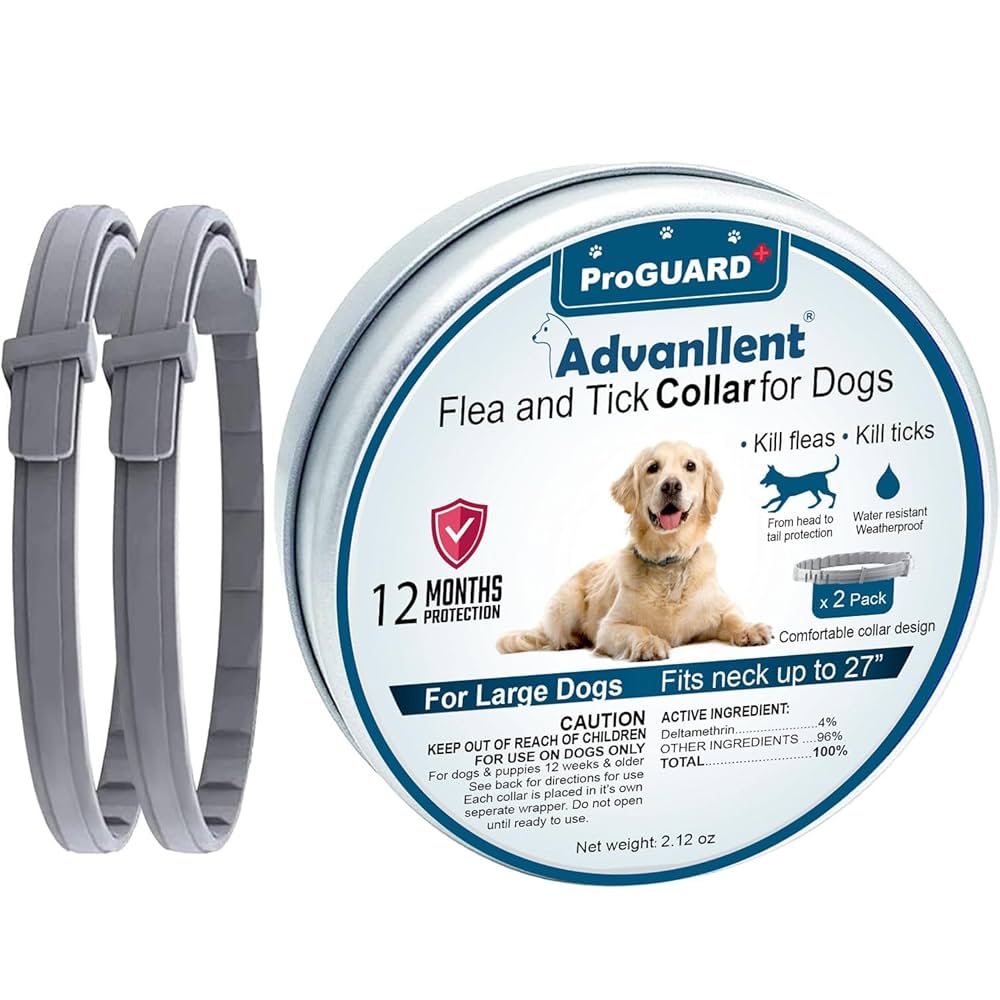
Flea collars release chemicals that repel and kill fleas. They can be effective for dogs, depending on the type and concentration of the active ingredients. Collars often provide long-lasting protection, making them a convenient option for pet owners.
Flea collars are a popular choice for pet owners looking to protect their dogs from pesky fleas. But how exactly do these collars work to keep your furry friend flea-free? Understanding the mechanics behind flea collars can help you make an informed decision about their effectiveness.Active Ingredients And Their Role
Flea collars are embedded with active ingredients that are slowly released onto your dog’s fur and skin. These ingredients, often insecticides or repellents, work to kill or repel fleas before they can infest your dog.Slow Release Mechanism
The collars are designed to release their active ingredients gradually over time. This ensures continuous protection against fleas. Think of it as a steady stream of defense that keeps your dog safeguarded for weeks or even months.Creating A Protective Barrier
Once the active ingredients are released, they spread across the dog’s body to create a protective barrier. This barrier not only targets adult fleas but can also affect flea larvae, breaking the flea lifecycle.Effectiveness Across Various Environments
Flea collars are effective in diverse settings, whether your dog is lounging indoors or exploring outdoors. The consistent release of active ingredients helps maintain protection, regardless of environmental changes.Compatibility With Other Treatments
You might wonder if flea collars can be used alongside other treatments. Many collars are designed to complement oral or topical flea medications, providing an added layer of defense.Personal Experience: A Game Changer
I once struggled with a persistent flea issue despite trying various treatments. Introducing a flea collar made a noticeable difference and gave me peace of mind. Have you experienced a similar change with your dog? As you consider flea collars for your dog, think about how these mechanisms work to provide continuous protection. Could this be the solution you’ve been searching for?Types Of Flea Collars
Choosing the right flea collar for your dog can feel like navigating a maze. With various types on the market, understanding their differences is key to making an informed decision. Flea collars come in two primary types: chemical-based and natural ingredient collars. Each type offers distinct benefits and drawbacks, and knowing these can help you find the best fit for your furry friend.
Chemical-based Collars
Chemical-based collars are popular for their effectiveness in killing fleas and ticks. They contain active ingredients like imidacloprid or flumethrin, which spread across your dog’s skin and fur.
- Quick Action:These collars start working quickly, often within 24 hours.
- Long-Lasting Protection:Some collars offer protection for up to eight months, saving you from monthly treatments.
- Consistent Results:They are reliable in high-infested areas, providing consistent results.
However, chemical collars may cause skin irritation in sensitive dogs. It’s crucial to monitor your dog after application. Have you ever noticed your dog scratching more after using a new collar? This could be an allergic reaction.
Natural Ingredient Collars
If you’re wary of chemicals, natural ingredient collars might be your answer. These collars use essential oils like peppermint, lemongrass, or cedarwood to repel fleas.
- Safe for Sensitive Skin:Natural collars are less likely to cause irritation, making them ideal for sensitive dogs.
- Eco-Friendly:They are often biodegradable and less harmful to the environment.
- Gentle Aroma:Unlike chemical collars, they emit a pleasant scent, keeping your dog smelling fresh.
But, natural collars may not be as potent as chemical ones in severe infestations. Have you considered combining natural collars with other flea prevention methods? Balancing efficacy and safety can be a challenge.
Which type of collar resonates with your needs? Whether you opt for chemical or natural, understanding your dog’s specific requirements is crucial for keeping them healthy and flea-free.
Benefits Of Flea Collars
Flea collars have become a popular choice for many dog owners. They provide an effective solution to control fleas. These collars offer several benefits that appeal to pet lovers everywhere.
Ease Of Use
Flea collars are simple to use. Just place the collar around your dog’s neck. Adjust it to a comfortable fit. There’s no need for messy sprays or powders. This makes them convenient for busy pet owners. You don’t have to remember frequent applications. The collar works continuously, requiring minimal effort from you.
Long-lasting Protection
Flea collars offer extended protection. Many collars last for several months. This means fewer treatments needed over time. They provide consistent release of flea-repelling ingredients. This ensures your dog stays protected for a long duration. It reduces the hassle of monthly treatments. Plus, it saves money in the long run. Investing in a durable flea collar is a smart choice.

Credit: www.hartz.com
Potential Risks And Concerns
Flea collars offer a convenient way to protect dogs from fleas. But they may come with certain risks and concerns. It’s crucial to understand these potential side effects before choosing this option.
Skin Irritation
Some dogs may experience skin irritation from flea collars. The collar’s chemicals can cause redness or itching. Your dog might scratch or bite at the collar area. This can lead to sores or infections if not addressed. Always check your dog’s neck for signs of irritation.
Toxicity Issues
Flea collars contain pesticides to kill fleas. These can be toxic if ingested by dogs. Dogs that chew or lick the collar may face health risks. Symptoms can include drooling, vomiting, or lethargy. In severe cases, it might cause neurological problems. Keep an eye on your dog for any unusual behavior.
Comparing Flea Collars With Other Methods
Flea collars offer a convenient solution for controlling fleas on dogs. They’re easy to use and provide long-lasting protection. But how do they compare with other methods? Let’s explore different options available to keep your dog flea-free.
Topical Treatments
Topical treatments are popular for managing fleas. They are applied directly to the dog’s skin. These treatments usually last for a month. They kill fleas and prevent their return. Some dog owners prefer them due to their effectiveness and ease of use. They can also target ticks and mites.
Oral Medications
Oral medications work from inside the dog’s system. They provide protection against fleas and other parasites. Some oral treatments act fast, killing fleas within hours. They offer a hassle-free method without any mess. Many dog owners appreciate their convenience. Regular doses ensure consistent protection.
Factors Affecting Efficacy
Flea collars can be a practical solution for keeping fleas at bay. Yet, their effectiveness can vary. Multiple factors influence how well these collars work on dogs. Understanding these factors can help in choosing the right collar.
Dog Size And Breed
Dog size plays a crucial role in flea collar efficacy. Small dogs might require collars with different dosages than larger breeds. The collar should fit snugly but not too tight. A poor fit can reduce its effectiveness. Additionally, some breeds have thicker fur. This can impact how well the collar releases active ingredients. Consider your dog’s size and fur type when selecting a flea collar.
Environmental Conditions
Environmental factors also affect flea collar performance. Dogs living in warm climates may encounter more fleas. This can demand stronger or more frequent flea control measures. Similarly, dogs that spend a lot of time outdoors may require more robust protection. Humidity levels can also impact flea reproduction. Higher humidity increases flea activity. Knowing the environmental conditions can help in choosing the right flea collar for your dog.
Choosing The Right Flea Collar
Choosing the right flea collar for your dog can feel overwhelming, given the array of options available. Not all flea collars are created equal, and selecting the wrong one could mean ongoing discomfort for your furry friend. Understanding what to look for is essential to making the best choice for your pet’s health and happiness.
Brand Reputation
When selecting a flea collar, the brand’s reputation plays a crucial role. Trusted brands often have years of research and development behind their products. They have established a track record of safety and effectiveness. Look for brands with positive reviews from other pet owners. A quick online search can reveal customer experiences and satisfaction ratings. Have you ever regretted buying a product because you didn’t check the reviews? Avoid that mistake by doing your homework.
Veterinarian Recommendations
Your veterinarian is an invaluable resource when choosing a flea collar. They have firsthand experience with various products and know what works best for different breeds and lifestyles. A recommendation from your vet can give you peace of mind that you’re making a safe choice. Many vets also stay updated on the latest developments in flea prevention, ensuring you get advice based on the most current information. Wouldn’t you want to rely on a professional’s insight rather than guesswork?
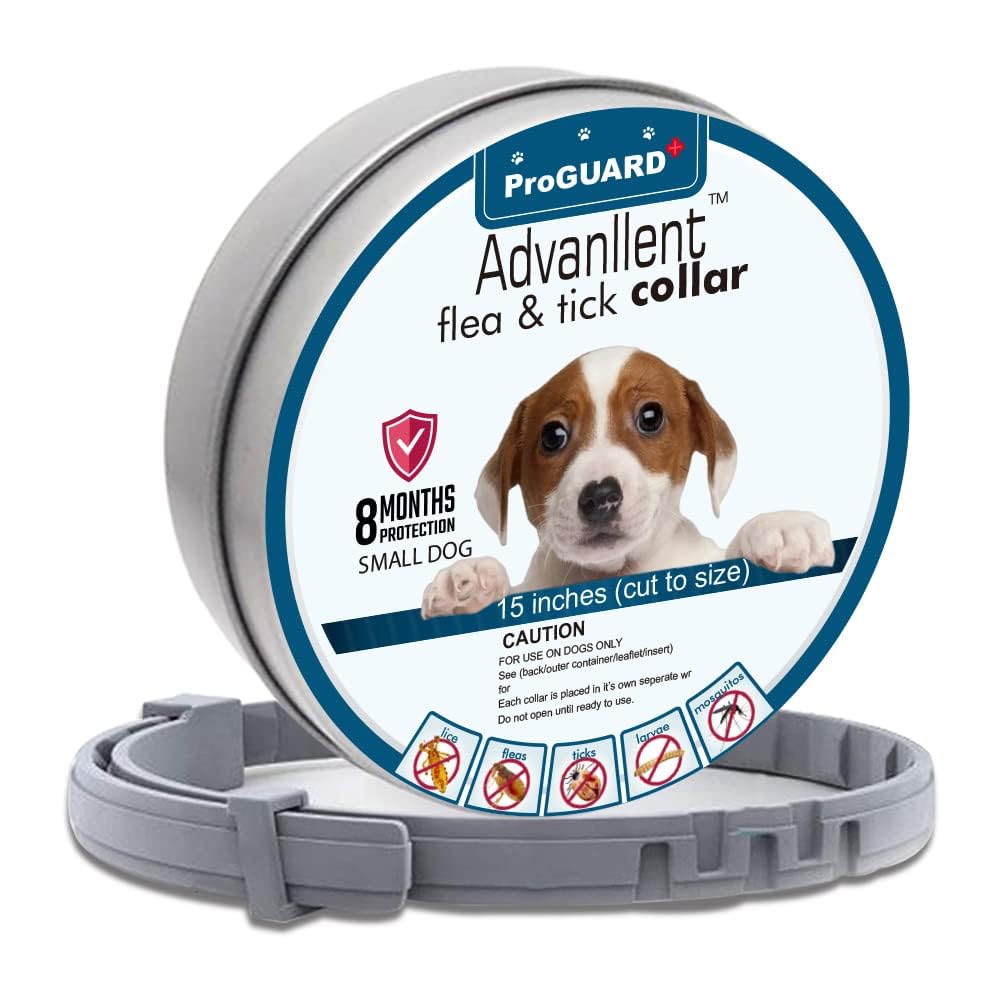
Credit: www.amazon.com
Tips For Maximizing Flea Collar Effectiveness
Choose the right size flea collar for your dog to ensure proper fit. Regularly check the collar for tightness and replace it as needed. Keep your dog’s environment clean to complement the collar’s effectiveness.
Maximizing the effectiveness of a flea collar for your dog can make a world of difference in keeping those pesky fleas at bay. While flea collars are a popular choice due to their convenience and long-lasting protection, there are several key practices you can follow to ensure they work effectively. By focusing on proper application and regular monitoring, you can enhance the benefits of using flea collars and keep your furry friend comfortable and itch-free.Proper Application
Ensuring the flea collar is applied correctly is crucial. Make sure the collar fits snugly around your dog’s neck but isn’t too tight—it should allow two fingers to slide underneath comfortably. Trim any excess length to prevent your dog from chewing on it. This simple step can prevent unnecessary mishaps and ensure continuous flea protection. Always read the manufacturer’s instructions carefully. Different brands may have specific recommendations that can optimize effectiveness.Regular Monitoring
Keep an eye on your dog’s skin condition and behavior. Regular checks can help you catch any signs of irritation or allergic reactions early. Does your dog scratch more than usual? That might be a sign the collar isn’t working effectively, or it could indicate an allergic reaction. Inspect the collar itself periodically. Ensure it remains intact and in good condition, replacing it as soon as it shows signs of wear and tear. By following these tips, you can get the most out of your dog’s flea collar, ensuring it provides the best protection possible.Alternatives To Flea Collars
Flea collars for dogs can be effective, but not for every pet. Alternatives include topical treatments, oral medications, and natural remedies like flea combs and essential oils. Each option offers varied levels of protection and convenience for both you and your dog.
Alternatives to flea collars have gained traction among dog owners seeking effective ways to combat pesky parasites. While flea collars are a popular choice, many pet parents are exploring other options to ensure their furry friends stay itch-free. Whether you’re concerned about chemicals or simply want to try something new, there are plenty of strategies to keep fleas at bay.Natural Remedies
Natural remedies can be a great starting point for those wary of chemical treatments. Essential oils like lavender and eucalyptus are known for their flea-repelling properties. You can add a few drops to your dog’s collar or dilute them in a spray bottle with water to mist your pet gently. Diatomaceous earth, a fine powder, can be sprinkled on your dog’s coat and bedding. It’s safe and works by dehydrating fleas and their eggs, effectively breaking the flea life cycle. Just make sure to use food-grade diatomaceous earth to avoid any health risks. Have you ever thought about using lemon juice? It’s a simple yet effective flea deterrent. Mix it with water and use it as a spray. Not only does it combat fleas, but it also leaves your dog smelling fresh!Integrated Pest Management
Integrated Pest Management (IPM) is a holistic approach that combines multiple strategies for flea control. It’s about prevention and maintenance, not just treating the problem when it arises. Start by keeping your home clean and vacuuming regularly to remove flea eggs from carpets and furniture. Consider washing your dog’s bedding frequently in hot water. This helps to eliminate any fleas or larvae hiding in the fabric. You can also use flea combs to physically remove fleas from your dog’s fur, providing immediate relief. Creating a flea-free yard is another essential part of IPM. You can plant flea-repelling plants like mint or rosemary in your garden. They not only deter fleas but also add beauty and aroma to your outdoor space. Ultimately, what’s your go-to flea prevention method? Whether it’s natural remedies or integrated pest management, finding what works best for your dog can lead to a happier, healthier pet.
Credit: www.terristeffes.com
Frequently Asked Questions
Do Flea Collars Effectively Prevent Flea Infestations?
Yes, flea collars can help prevent flea infestations in dogs. They release chemicals that repel or kill fleas. However, effectiveness varies by brand and dog size. Combining flea collars with other treatments often yields better results. Always consult your vet for the best flea prevention strategy for your pet.
How Long Do Flea Collars Last On Dogs?
Flea collars typically last between three to eight months, depending on the brand. Consistent use ensures continuous protection against fleas. Check the manufacturer’s instructions for specific duration details. Regularly inspect the collar’s condition and replace it as needed. Always follow your veterinarian’s advice for optimal flea control.
Are Flea Collars Safe For All Dog Breeds?
Most flea collars are safe for various dog breeds, but always check the product label. Some dogs may have skin sensitivities. Monitoring for allergic reactions is important. Consult your veterinarian if unsure. They can recommend the best flea prevention method tailored to your dog’s specific needs.
Do Flea Collars Work On Ticks Too?
Many flea collars also target ticks, offering dual protection for your dog. Always check the product label to confirm. Using a collar that repels both fleas and ticks enhances your pet’s protection. Consult your vet for recommendations tailored to your dog’s lifestyle and environment.
Conclusion
Flea collars can be effective for many dogs. They offer convenience and ease of use. Not all collars work the same, though. Some dogs may need stronger protection. Always check your dog’s reaction to the collar. Consult your vet for the best choice.
Keep your pet’s comfort in mind. Regular checks help ensure the collar’s effectiveness. Remember, a comfortable dog is a happy dog. Choosing the right flea collar can make a big difference. Protect your furry friend today.

Similar Posts