How to Treat Skin Irritation in Dogs: Expert Solutions
Your furry friend means the world to you, and seeing them uncomfortable with itchy skin can be heartbreaking. Skin irritation in dogs is a common issue, but it doesn’t have to be a puzzling one.
Imagine the relief you and your dog will feel once you know how to effectively treat and prevent these pesky problems. You want your dog to be happy and healthy, free from scratching and discomfort. This article will guide you step-by-step on how to identify and treat skin irritations, helping your dog get back to their playful, joyful self.
Stay with us, as we unravel the secrets to soothing your dog’s skin, ensuring their comfort and your peace of mind.

Credit: www.amazon.com
Common Causes Of Skin Irritation
Understanding what causes skin irritation in dogs is vital for effective treatment. Various factors can lead to itchy, red, or inflamed skin. Identifying these causes helps in providing relief and preventing future issues. Let’s explore some common culprits responsible for skin irritation in dogs.
Allergies
Allergies are a major reason for skin problems in dogs. Dogs can be allergic to foods, pollen, or even flea saliva. These allergies can cause itching, redness, and swelling. Identifying the allergen is crucial to managing the condition. A vet can help pinpoint the exact cause and recommend suitable treatments.
Parasites
Parasites like fleas, ticks, and mites can irritate a dog’s skin. They cause itching, redness, and sometimes infection. Regular check-ups and preventive treatments can keep these pests at bay. Ensure your dog is protected with appropriate flea and tick control measures.
Infections
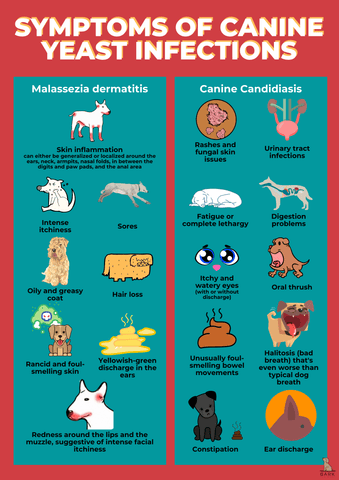
Bacterial and fungal infections can lead to skin irritation. These infections may result from cuts, scratches, or other skin damage. Symptoms include redness, swelling, and sometimes pus. A vet can prescribe antibiotics or antifungal treatments to address these infections.
Environmental Factors
Environmental factors like extreme weather, pollution, or chemicals can irritate a dog’s skin. Dry air can lead to flaky, itchy skin, while pollutants can cause allergic reactions. Keeping your dog clean and moisturized helps mitigate these effects. Consider using hypoallergenic shampoos to reduce irritation.

Credit: www.wondercide.com
Symptoms To Watch For
Skin irritation in dogs can be distressing for both you and your furry friend. Recognizing the symptoms early is crucial for effective treatment. By paying close attention to specific signs, you can help your dog stay healthy and comfortable. So, what symptoms should you be on the lookout for?
Redness And Swelling
If your dog’s skin appears red or swollen, it could indicate irritation or infection. You might notice these changes around their paws, belly, or ears. Even a small area of redness can signal an underlying issue, so don’t overlook it. Consider whether your dog has been exposed to any new environments or products recently.
Itching And Scratching
Frequent scratching or biting at their skin is a clear sign of discomfort. If your dog seems restless and constantly itching, it’s time to investigate further. Persistent scratching can lead to more severe skin issues, so addressing it promptly is vital. Is there a specific time of day when the itching worsens?
Hair Loss
Notice any bald patches or thinning areas on your dog’s coat? Hair loss can be a symptom of skin irritation or even an allergic reaction. Keep an eye on your dog’s grooming habits; excessive licking in a particular area could also lead to hair loss. Could a change in diet be impacting their coat health?
Sores Or Scabs
Finding sores or scabs on your dog’s skin is a serious sign that requires attention. These can develop from continuous scratching or as a reaction to an irritant. Check different parts of your dog’s body regularly for any unusual spots or marks. What steps can you take to prevent these sores from worsening?
Diagnosis Methods
Diagnosing skin irritation in dogs can be a complex process, but it’s essential for effective treatment. Understanding the various methods veterinarians use to pinpoint the cause of skin issues is crucial for any dog owner. This knowledge not only helps in identifying the problem but also in choosing the right treatment plan. Let’s dive into the different diagnostic methods, each offering unique insights into your furry friend’s health.
Veterinary Examination
When you first notice your dog scratching excessively, it’s time to visit the vet. A thorough veterinary examination is the cornerstone of diagnosing skin irritation. During the exam, the vet will check for visible symptoms such as redness, bumps, or lesions.
They might ask about your dog’s diet, environment, and any recent changes in behavior. This initial assessment helps in narrowing down potential causes like allergies, parasites, or infections.
Skin Tests
Sometimes, a visual examination isn’t enough. Skin tests are a practical way to delve deeper. Vets often perform a skin scraping test, collecting samples to check for parasites like mites or fungal infections.
Another common test is the patch test, used to identify allergic reactions. Small amounts of allergens are applied to your dog’s skin to observe any reactions. This method is particularly useful in identifying specific allergens that might be causing discomfort.
Blood Tests
Blood tests can provide a comprehensive insight into your dog’s overall health. These tests are crucial when skin irritation might be linked to internal issues like hormonal imbalances or autoimmune disorders.
A blood test can detect underlying conditions that a skin or visual exam might miss. This method is particularly beneficial for diagnosing chronic skin problems that persist despite other treatments.
What diagnostic method has been most effective for your dog? Sharing experiences can help other dog owners facing similar challenges. Understanding these diagnostic tools empowers you to make informed decisions about your pet’s health and happiness.
Effective Treatment Options
Dealing with skin irritation in dogs can be a challenging task, but understanding effective treatment options can make a world of difference. Whether your furry friend is suffering from allergies, a rash, or an infection, there are several approaches to help alleviate their discomfort. Let’s dive into some of the most practical solutions to manage and treat skin irritation in dogs.
Medicated Baths
Medicated baths can be a soothing remedy for dogs with irritated skin. These baths help to clean the affected area, reduce inflammation, and remove allergens that might be causing discomfort. When selecting a medicated shampoo, opt for products specifically designed for dogs, as human shampoos can worsen irritation. Consider using oatmeal-based shampoos, which are gentle and provide relief from itching.
Topical Treatments
Topical treatments are another effective method for addressing skin irritations. These can include creams, sprays, or ointments that target specific issues like rashes or hot spots. Look for products containing hydrocortisone or aloe vera, which are known for their soothing properties. Always consult your vet before applying any topical treatment to ensure it’s safe and appropriate for your dog’s condition.
Oral Medications
In some cases, oral medications might be necessary to treat severe skin irritations. These medications can range from antihistamines for allergies to antibiotics for bacterial infections. Your veterinarian can prescribe the right medication based on your dog’s specific needs. It’s crucial to follow the dosage instructions carefully and monitor your dog for any side effects.
Dietary Adjustments
Sometimes, skin irritation is linked to dietary issues. If your dog has food allergies, adjusting their diet can lead to significant improvements. Consider introducing hypoallergenic dog food or eliminating common allergens like chicken or beef. Observing your dog’s response to dietary changes can be enlightening. Could it be that a simple tweak in their meal plan is the key to soothing their skin?
Preventative Measures
Regular grooming can help prevent skin irritation in dogs. Choose hypoallergenic shampoos to reduce allergic reactions. Maintain a clean living environment to minimize exposure to irritants.
Preventing skin irritation in dogs is much easier than dealing with the discomfort it causes. By taking proactive steps, you can help your furry friend maintain healthy skin and avoid those pesky irritations. Let’s dive into some effective preventative measures you can take.Regular Grooming
Regular grooming is key to preventing skin irritation. Brushing your dog helps remove dirt, dead skin, and loose fur, reducing the risk of matting which can trap moisture and irritants. Plus, it’s a great bonding time for you and your pet! Grooming also gives you the chance to inspect your dog’s skin for any early signs of irritation or parasites. Choose the right brush for your dog’s coat type, and consider professional grooming if needed. Regular baths with a gentle, dog-specific shampoo can also help keep the skin clean and healthy.Healthy Diet
A balanced diet is essential for your dog’s skin health. Nutrient-rich food supports a strong immune system and healthy skin barrier. Omega-3 fatty acids, found in fish oil, are particularly beneficial for maintaining skin moisture and reducing inflammation. Consider adding supplements if your vet recommends them. Always ensure your dog has access to fresh water, which is crucial for overall health and hydration. Have you ever noticed how a change in diet affects your dog’s coat?Routine Veterinary Check-ups
Routine veterinary check-ups play a vital role in early detection of skin problems. Vets can identify conditions that might not be visible to the untrained eye. Regular visits ensure your dog is up-to-date on vaccinations and parasite control, which can prevent skin issues. Discuss any changes in your dog’s behavior or appearance with your vet. Establishing a good relationship with your vet can make these visits less stressful for your dog. How often do you take your dog for a check-up?Environmental Management
Your dog’s environment can greatly impact their skin health. Keep their living area clean and free from allergens. Regularly wash their bedding and vacuum to reduce dust and dander. Consider the seasons and adjust your dog’s exposure to outdoor elements accordingly. Protect their paws and skin from extreme weather conditions. Have you thought about how your home environment affects your dog’s skin? By implementing these preventative measures, you can help your dog lead a comfortable, itch-free life.
Credit: www.amazon.com
When To Consult A Veterinarian
Skin irritation in dogs can be concerning for pet owners. While some issues resolve on their own, others require expert help. Knowing when to see a veterinarian is crucial. This ensures your furry friend gets the best care possible.
Persistent Symptoms
Watch for symptoms that don’t improve within a week. Redness, swelling, and itching should start to ease. If they don’t, a vet visit is necessary. Chronic scratching or biting can worsen the condition. It may lead to secondary infections.
Severe Reactions
Severe reactions need immediate attention. This includes extreme swelling or hives. Difficulty breathing is another urgent sign. These symptoms may indicate a serious allergic reaction. Quick veterinary intervention is vital.
Behavioral Changes
Changes in behavior can signal deeper issues. If your dog seems lethargic or depressed, take note. Loss of appetite or excessive whining also matters. Such changes often accompany skin issues. A vet can determine if something more serious is at play.
Expert Tips For Managing Skin Health
Expert Tips for Managing Skin Health can make a big difference. Dogs often suffer from skin irritation, which causes discomfort and distress. Effective management ensures your furry friend stays healthy and happy. Focus on choosing the right products, monitoring skin changes, and understanding breed-specific needs.
Choosing The Right Products
Pick gentle shampoos and conditioners for your dog’s skin. These should be free from harsh chemicals. Opt for products with natural ingredients like oatmeal or aloe vera. They soothe and moisturize irritated skin. Regular bathing with the right product helps keep skin clean and healthy.
Monitoring Skin Changes
Check your dog’s skin regularly for signs of irritation. Look for redness, bumps, or dry patches. These indicate possible skin issues. Early detection allows for prompt treatment. It can prevent further complications. Keep track of any changes over time to understand your dog’s skin health better.
Understanding Breed-specific Needs
Different breeds have different skin needs. Some dogs have sensitive skin, needing special care. Others may be prone to allergies or infections. Research your breed’s common skin issues. This helps tailor care to their specific needs. Consult your vet for advice on managing your dog’s skin health.
Frequently Asked Questions
What Causes Skin Irritation In Dogs?
Skin irritation in dogs can result from allergies, parasites, infections, or environmental factors. Common allergens include pollen, dust, and certain foods. Parasites like fleas and ticks can also lead to irritation. Regular grooming and vet check-ups can help identify and treat the underlying causes effectively.
How Can I Soothe My Dog’s Irritated Skin?
To soothe irritated skin, use hypoallergenic shampoos or oatmeal baths. These can relieve itchiness and inflammation. Consult your vet for antihistamines or topical treatments if the irritation persists. Always ensure your dog is free from fleas and ticks, as they can exacerbate skin issues.
Are There Home Remedies For Dog Skin Irritation?
Yes, several home remedies can help. Aloe vera and coconut oil can moisturize and calm irritated skin. Chamomile tea rinses can reduce inflammation. However, consult your vet before trying home treatments, especially if the irritation is severe or persistent.
When To See A Vet For Dog Skin Issues?
Visit a vet if your dog’s skin irritation lasts over a week, worsens, or shows signs of infection like pus. Persistent scratching, redness, or swelling also warrant professional evaluation. Early intervention can prevent more serious health issues and provide relief to your pet.
Conclusion
Caring for your dog’s skin is essential. Quick action helps prevent discomfort. Always consult your vet for advice. They offer the best treatment options. Keep your dog’s environment clean and allergen-free. Regular grooming can reduce irritants. Watch your dog’s diet for potential triggers.
Natural remedies can soothe mild irritation. Oatmeal baths or coconut oil might help. Avoid harsh chemicals that can worsen irritation. Stay alert to any changes in your dog’s skin. Early intervention can save your dog from pain. A healthy dog is a happy dog.
Your furry friend deserves the best care possible.