What Does Dry Skin Look Like on a Dog: Expert Insights
Imagine petting your dog only to notice their skin feels rough or flaky. You might wonder, what does dry skin look like on a dog?
Discovering that your furry friend has dry skin can be concerning, but understanding what it looks like and how to help can make a big difference. You care deeply for your dog’s health and happiness, and spotting dry skin early can prevent discomfort and more serious issues down the road.
You’ll find clear descriptions and helpful tips to ensure your dog’s skin stays healthy and vibrant. Let’s unravel the mysteries of dry skin together, ensuring your pet feels their best every day. Keep reading to explore the signs and solutions that can transform your dog’s skin from dry and irritated to smooth and comfortable.

Credit: www.reddit.com
Signs Of Dry Skin In Dogs
Recognizing the signs of dry skin in dogs is crucial for maintaining their comfort and health. Dry skin isn’t just about appearance; it can indicate underlying health issues or environmental factors affecting your pet. By identifying these signs early, you can take steps to improve your dog’s skin condition and overall well-being.
Flakiness And Dandruff
One of the most visible signs of dry skin in dogs is flakiness, often resembling dandruff. You might notice white flakes on your dog’s coat, which can be especially visible on darker fur. Brushing your dog might reveal more flakes, indicating that their skin is shedding excessively.
Just like humans, dogs can suffer from dandruff, and it can be a clue to other skin issues. Have you noticed any flakes on your furniture or clothing after your dog has been around? This is a clear sign that your dog’s skin needs attention.
Redness And Irritation
Dry skin can often lead to redness and irritation, making your dog uncomfortable. Areas like the belly, paws, and ears are particularly susceptible to this irritation. When you pet your dog, do you feel any rough patches or see any red spots?
These symptoms can escalate if left untreated, potentially leading to more severe skin conditions. It’s important to gently check your dog’s skin regularly, especially if they seem to be scratching more than usual.
Excessive Scratching
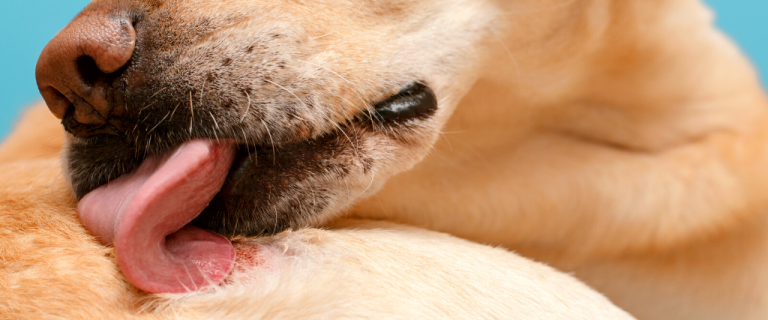
Excessive scratching is a common response to dry skin, as your dog tries to alleviate the itchiness. This behavior can sometimes be mistaken for a behavioral issue rather than a skin problem. Have you noticed your dog scratching persistently or even biting at their fur?
Continual scratching can lead to sores and infections, compounding your dog’s discomfort. Observing your dog’s behavior and noticing any patterns can help you determine if dry skin might be the culprit.
Addressing these signs early can make a significant difference in your dog’s comfort and happiness. What steps will you take to ensure your furry friend feels their best?
Common Causes Of Dry Skin
Dry skin on dogs is a common issue. Understanding its causes helps prevent discomfort and irritation. Dogs can experience dry skin due to various reasons. Identifying the root cause is key to effective treatment. Below are some common causes of dry skin in dogs.
Environmental Factors
Weather changes impact your dog’s skin. Cold air can remove moisture, leading to dryness. Indoor heating systems can also dry out the skin. Dust and pollutants in the environment may contribute to skin irritation. Regular grooming helps remove environmental irritants.
Diet And Nutrition
A balanced diet is vital for healthy skin. Poor nutrition often leads to dry skin. Essential fatty acids are crucial for skin hydration. Lack of these nutrients can cause skin problems. Providing a well-rounded diet supports skin health.
Allergies And Parasites
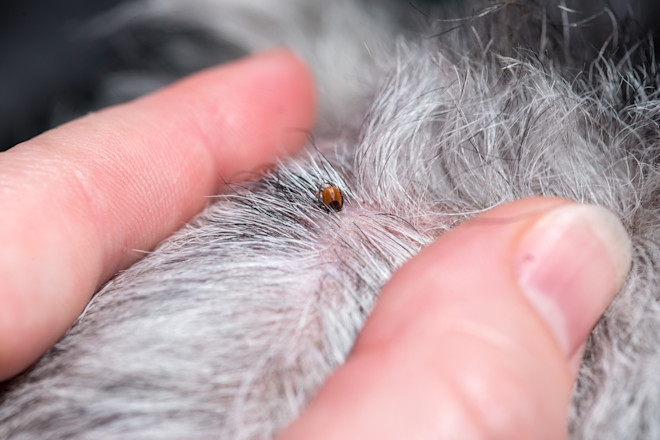
Allergies cause itching and dry patches on the skin. Common allergens include certain foods and pollen. Parasites like fleas and ticks irritate the skin, leading to dryness. Regular vet check-ups help identify and treat these issues effectively.
Impact On Dog Health
The impact of dry skin on a dog’s health can be significant. It isn’t just an aesthetic issue. Dry skin can lead to discomfort and more serious health problems. Dogs rely on healthy skin to protect their bodies. When the skin becomes dry, this protective barrier weakens. This makes dogs vulnerable to various ailments, affecting their overall well-being.
Skin Infections
Dry skin can lead to skin infections. Cracks and flakes in the skin create openings for bacteria. These bacteria can invade and cause infections. Infected skin can turn red and swollen. It might ooze or develop a crust. Your dog might feel pain and itchiness. Treating skin infections often requires medication. Quick action can prevent complications.
Behavioral Changes
Dry skin can cause behavioral changes in dogs. The discomfort might make your dog irritable. You might notice excessive scratching or licking. These actions can damage the skin further. Sometimes, dogs become withdrawn or less active. They might avoid play and interaction. Observing these changes is crucial for timely intervention.

Credit: www.reddit.com
Preventive Measures
Dry skin on a dog can appear as flaky, itchy patches. It might show redness, irritation, or excessive scratching. Regular grooming and moisturizing can help prevent these symptoms, ensuring your dog’s skin stays healthy.
Preventive measures are key to keeping your dog’s skin healthy. Dry skin in dogs can cause discomfort and lead to more serious health issues. Implementing preventive steps can help maintain your dog’s skin condition.Balanced Diet
A balanced diet is crucial for skin health. Ensure your dog gets essential nutrients. Omega-3 fatty acids are excellent for skin and coat. Include foods rich in vitamins and minerals. Consult your vet for dietary recommendations. Fresh water is vital for hydration. Proper nutrition supports overall skin wellness.Proper Grooming
Proper grooming helps prevent dry skin. Regular brushing removes dead hair and skin. Use a gentle brush suitable for your dog’s coat. Bathing should not be too frequent. Choose a mild shampoo designed for dogs. After bathing, dry your dog thoroughly. Moisturize with dog-friendly lotions if needed. Check your dog’s skin regularly for any changes.Treatment Options
Treating dry skin on your dog helps them feel comfortable. It also prevents further issues. There are several effective treatments available. They range from simple topical solutions to prescribed medications.
Topical Remedies
Topical remedies are easy to apply. They provide direct relief to affected areas. Coconut oil is a popular choice. It moisturizes and soothes the skin. You can apply it directly to your dog’s coat. Oatmeal shampoos are also effective. They relieve itchiness and reduce inflammation. Regular baths with oatmeal shampoo can help.
Aloe vera gel is another option. It cools and hydrates the skin. Apply it gently to the dry patches. Consider using omega-3 fatty acids. They improve skin health from the inside. Add fish oil supplements to your dog’s diet. This boosts their skin’s natural moisture.
Medications
Sometimes, topical treatments aren’t enough. Your vet might prescribe medications. These can include antihistamines. They reduce itching caused by allergies. Steroids are another option. They decrease inflammation quickly. Use them only under veterinary guidance.
Antibiotics may be needed. They treat infections resulting from scratching. Your vet will decide if they are necessary. Medicated shampoos are also effective. They target specific skin conditions. Your vet can recommend the right product.
Remember, always consult your vet before starting any treatment. They can guide you to the best solution for your dog.

Credit: www.facebook.com
When To Consult A Veterinarian
Dry skin on a dog often appears flaky or scaly. Watch for redness, itching, or dull fur as signs. Consult a veterinarian for persistent or severe symptoms to ensure proper care.
When your dog’s skin feels dry, it might be more than just a minor issue. Sometimes, dry skin can indicate something serious. Knowing when to consult a veterinarian is crucial for your dog’s health. If your dog’s dry skin persists or worsens, it might be time to seek professional help. Understanding the signs can ensure your pet receives the best care possible.Persistent Symptoms
When dry skin doesn’t improve with home care, it might need a vet’s attention. If your dog constantly scratches, licks, or bites their skin, it could signal an underlying problem. Redness, flakiness, or scabs that don’t heal are clear signs of concern. If these symptoms persist for weeks, a visit to the vet is essential. They can provide treatments that soothe and heal your dog’s skin effectively.Underlying Health Issues
Sometimes, dry skin hints at deeper health issues. Allergies, hormonal imbalances, or parasites can cause persistent dry skin. These conditions often need medical intervention for proper management. If your dog’s skin shows unusual patterns or textures, consulting a vet can reveal hidden health problems. Early detection and treatment can prevent complications and ensure your dog stays happy and healthy.Frequently Asked Questions
What Are Common Signs Of Dry Skin On Dogs?
Dry skin on dogs often appears as flakes, redness, or itchiness. You may notice your dog scratching more frequently. Their coat might look dull, and you might see dandruff-like flakes. It’s essential to observe these signs early to prevent further skin issues.
How Can I Identify Flaky Skin On My Dog?
Flaky skin on dogs resembles dandruff in humans. You’ll see white flakes on their fur or bedding. This flakiness is often accompanied by itching and redness. Regular grooming can help you spot these flakes early, ensuring timely intervention and care.
Does Dry Skin Cause Discomfort In Dogs?
Yes, dry skin can be uncomfortable for dogs. It often leads to itching and irritation. Your dog might scratch or lick their skin more frequently. This can lead to further skin damage and potential infections if not addressed promptly.
What Environmental Factors Contribute To Dry Skin In Dogs?
Dry air, low humidity, and cold weather can contribute to dry skin in dogs. Indoor heating during winter months can also reduce moisture in the air. Keeping your dog hydrated and using humidifiers can help alleviate these environmental impacts.
Conclusion
Dry skin on dogs needs attention and care. Look for flaky patches. Notice any redness or irritation. Check for excessive scratching or licking. Regular grooming can help. Use gentle shampoos suited for dogs. Moisturizing products may offer relief. Consult a vet for persistent issues.
Diet influences skin health too. Ensure balanced nutrition for your dog. Hydration is vital. Make sure your dog drinks enough water. A vet can offer the best guidance. Protect your dog’s skin and comfort. Healthy skin means a happier dog.
Keep an eye on changes in their skin. They’re counting on you.