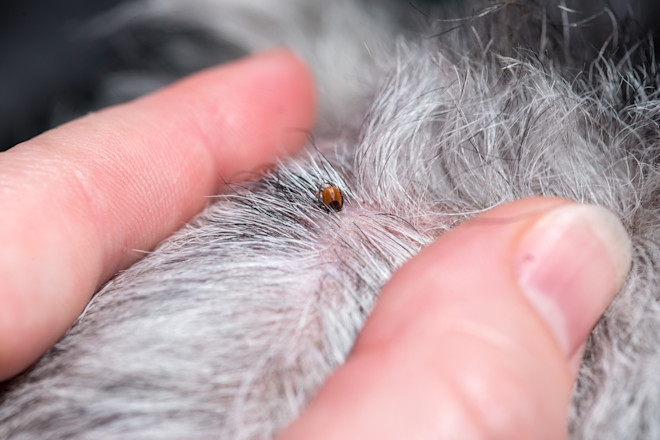
Imagine you’re giving your furry friend a good scratch behind the ears when you notice something unusual. It’s small, dark, and clinging to your dog’s skin.
Could it be a tick? If you’ve ever found yourself in this situation, you’re not alone. Ticks are pesky little creatures that can latch onto your pet without you even noticing. Understanding what a tick looks like on your dog’s skin is crucial for ensuring their health and safety.
By the end of this article, you’ll be able to confidently identify these tiny invaders and know exactly what steps to take next. Don’t let these bloodsuckers catch you off guard; keep reading to protect your beloved pet from potential harm.

Credit: www.facebook.com
Identifying Ticks On Dogs
Identifying ticks on dogs can be challenging. These tiny pests blend well with a dog’s coat. Knowing what to look for helps in early detection. This ensures your furry friend’s health and comfort.
Common Tick Species
Several tick species affect dogs. The most common are the American dog tick, deer tick, and brown dog tick. Each species varies in color and size. They also carry different diseases. Understanding these differences aids in proper identification.
Life Cycle Stages
Ticks undergo four life stages: egg, larva, nymph, and adult. Larvae and nymphs are smaller and harder to spot. Adults are easier to find due to their size. Recognizing these stages helps in effective tick control.
Physical Characteristics
Ticks have distinct physical features. They are small, oval, and flat. Before feeding, they are about the size of a pinhead. After feeding, they swell and can be as large as a pea. Their color ranges from brown to reddish-brown. Some have white or gray markings.
Signs Of Tick Infestation
Ticks on dogs appear as small, dark bumps on the skin. They may be red or brown and are often found near the ears, neck, or between the toes. Check for ticks by gently feeling your dog’s skin for unusual lumps.
Signs of tick infestation in dogs are often subtle but crucial to notice. Ticks can cause discomfort and health issues. Spotting these signs early helps protect your dog from harm.Behavioral Changes
Dogs with ticks may show unusual behavior. They might scratch or bite themselves often. This is due to the irritation caused by ticks. Restlessness is another sign. Your dog may not settle or sleep well. Reduced appetite can also occur, as discomfort distracts them.Skin Reactions
Ticks can cause visible skin changes. Look for red or inflamed areas. These are common where ticks attach. Bumps or scabs might appear. They form if your dog scratches too much. Hair loss around the affected area can also happen.Health Impacts
Ticks can transmit diseases to dogs. Lyme disease is a common threat. It can lead to fever and joint pain. Babesiosis affects red blood cells. It can cause anemia and lethargy. If your dog seems sick, consult a vet promptly. Early treatment is essential for tick-borne diseases.Visual Inspection Techniques
Ticks on a dog’s skin appear as small, dark bumps. They are often round and can be mistaken for warts. Careful inspection can reveal their tiny legs near the attachment site.
Visual inspection techniques are essential when checking your dog for ticks. These little pests can be masters of disguise, easily blending into your pet’s fur. Your vigilance can make a big difference in catching them early and preventing potential health issues. But how do you go about it? Let’s break down some effective methods.Tools For Examination
A thorough tick check requires the right tools. A fine-tooth comb can help you part your dog’s fur and spot any suspicious lumps. A flashlight is also handy, especially if your dog has dark or dense fur. Using a magnifying glass can aid in identifying smaller ticks.Areas To Check
Ticks love warm, hidden spots. Pay special attention to your dog’s ears, neck, and underbelly. Areas between the toes and around the tail are also popular hiding places for these tiny parasites. Don’t forget to check under collars or harnesses, as ticks often cling to these covered areas.Time Of Day Considerations
When is the best time for a tick inspection? Evening checks might be more effective, especially if you spend a lot of time outdoors during the day. As you settle in for the night, take a moment to inspect your dog. Making it part of your evening routine can help catch ticks before they latch on. By adopting these simple techniques, you can stay a step ahead of ticks. Have you ever found a tick on your dog? Your quick response can keep your furry friend healthy and happy.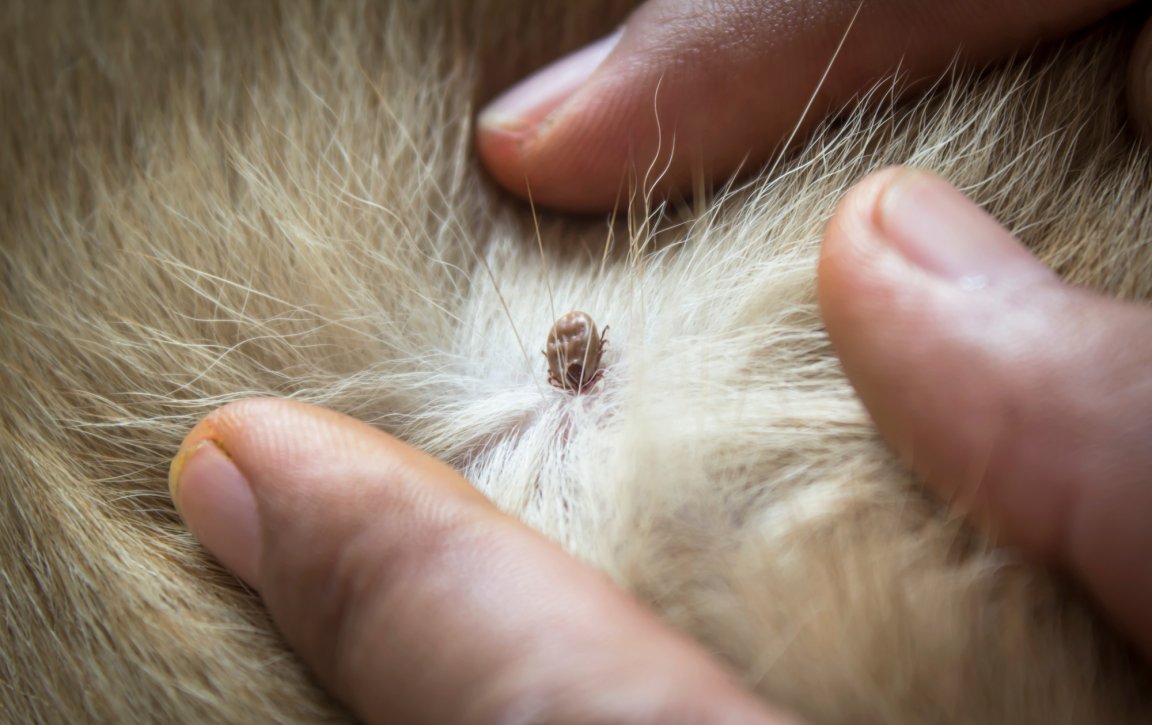
Credit: www.outdoorlife.com
Preventative Measures
Ticks on a dog’s skin appear as small, dark, and round bumps. They can vary in size, often resembling tiny seeds. Regular checks and grooming help prevent tick infestations, keeping your pet healthy and safe.
Preventative Measures are crucial in keeping your dog safe from ticks. Ticks can cause discomfort and transmit diseases. Taking proactive steps minimizes the risk of tick bites. Implementing these measures helps maintain your dog’s health and happiness.Regular Grooming
Regular grooming is essential for tick prevention. Brush your dog’s coat frequently. This helps you spot ticks early. Pay attention to areas like ears, neck, and belly. These are favorite spots for ticks. Use a fine-toothed comb to remove any ticks found. Clean brushes and combs after each use. Keep your dog’s fur trimmed, especially in warmer months.Tick Repellents
Tick repellents are effective in keeping ticks away. Choose a repellent suitable for your dog’s size and breed. Consult your veterinarian for recommendations. Apply the repellent as directed. Some repellents come as collars, sprays, or spot treatments. Read labels carefully to ensure safe use. Regular application is necessary for continuous protection.Environmental Control
Control your dog’s environment to limit tick exposure. Keep grass and shrubs trimmed. Ticks thrive in tall grass and shaded areas. Create a tick-free zone in your yard. Use tick control products on your lawn. Avoid walking your dog in tick-infested areas. Check your dog after outdoor activities. Remove any ticks immediately if found.When To Consult A Veterinarian
Tick identification on a dog’s skin is crucial for health. Small, dark, and round, ticks often appear like tiny skin lumps. Consult a veterinarian if you notice these pests to ensure proper removal and treatment.
When your beloved furry friend is plagued by ticks, it’s essential to know when it’s time to seek professional help. While some tick issues can be resolved at home, certain situations demand a veterinarian’s expertise. Recognizing these signs can make a significant difference in your dog’s health and comfort. Let’s explore when it’s crucial to consult a veterinarian.Persistent Symptoms
If your dog continues to scratch or lick the affected area even after the tick has been removed, this could be a sign of a lingering problem. Watch out for redness, swelling, or discharge. These symptoms might indicate an infection or an allergic reaction that requires a vet’s attention. A personal tip: When my dog kept scratching a spot long after a tick was gone, it turned out he had developed a skin infection. Quick vet intervention helped him recover swiftly.Multiple Infestations
Finding one tick can be alarming, but discovering multiple ticks is a red flag. This could mean there’s a larger infestation nearby or that your dog is continually exposed to tick-infested environments. A veterinarian can guide you on effective preventive measures and tick control strategies to protect your pet. Have you ever wondered why ticks seem to target certain pets more than others? Understanding your dog’s environment and habits can be key in addressing frequent infestations.Unusual Skin Conditions
Sometimes ticks leave more than just bite marks. If you notice unusual skin conditions such as rashes, lumps, or unusual texture changes, it’s time to consult a vet. These can be symptoms of tick-borne diseases like Lyme disease or Rocky Mountain spotted fever. Consider this: Even if a tick is removed, the risk of disease can remain. Early diagnosis and treatment are vital to ensure your dog’s health and well-being. Being proactive and observant can help you catch these signs early. Your dog’s health is paramount, and consulting a veterinarian ensures they receive the best care possible.
Credit: longwoodvetcenter.com
Frequently Asked Questions
What Does A Tick On Dog Skin Look Like?
A tick on a dog’s skin appears as a small, round bump. It can be brown, black, or gray, depending on its type and life stage. Ticks are often mistaken for skin tags or small scabs. They attach firmly, making removal difficult without proper tools.
How To Identify A Tick On A Dog?
To identify a tick, look for tiny, hard bumps on your dog’s skin. Use your fingers to feel for these small, round parasites. Ticks usually attach near the head, neck, feet, and ears. Their legs might be visible if observed closely.
Are Ticks Harmful To Dogs?
Yes, ticks can be harmful to dogs. They transmit diseases like Lyme disease and Rocky Mountain spotted fever. These diseases can cause serious health issues if untreated. Regular checks and prompt removal are crucial to prevent complications.
How Do Ticks Attach To Dogs?
Ticks attach to dogs by embedding their mouthparts into the skin. They secrete a cement-like substance to secure themselves. This allows them to feed on the dog’s blood for several days. Their attachment is strong, making removal challenging.
Conclusion
Ticks can cause discomfort and health issues for dogs. Small, round, and often dark, ticks attach to dog skin. Regularly check your dog for these parasites. Early detection is crucial. You can find ticks in hidden spots like ears and between toes.
Removing them quickly helps prevent infections. Use a tick comb or tweezers carefully. Always consult your vet for advice. Protect your furry friend with preventive treatments. Stay vigilant, and your dog will stay healthy and happy. Remember, a careful eye can make a big difference in your dog’s life.


