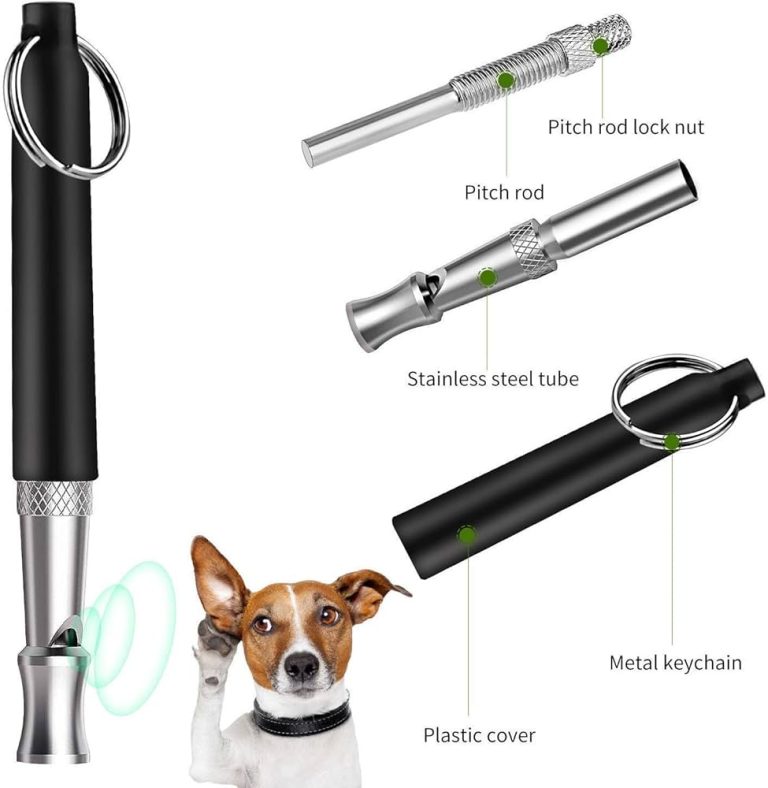
What Frequency Dog Whistle: Ultimate Guide for Dog Owners
Ever wondered why your dog perks up at certain sounds and completely ignores others? It might surprise you to learn that dogs hear differently than we do.
You’re about to discover the fascinating world of dog whistles and how they can become a powerful tool in your dog training arsenal. Imagine being able to communicate with your furry friend in a way that’s almost secretive—using frequencies they can hear but we can’t.
This isn’t just about getting your dog’s attention; it’s about strengthening your bond and improving your training sessions. Stick around to find out exactly what frequency dog whistles operate at and how you can use this to your advantage. Unleash the potential of your relationship with your dog by understanding this unique form of communication.
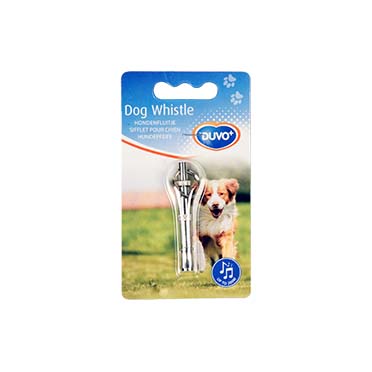
Credit: www.laroygroup.com
Understanding Dog Whistles
What Frequency Dog Whistle Dog whistles often range between 16,000 and 22,000 Hz. These high frequencies are typically inaudible to humans. Dogs can hear these frequencies, making the whistles effective for training and communication.
Understanding how dog whistles work can be fascinating. These unique tools emit sounds at frequencies beyond human hearing. They help in training dogs efficiently. Let’s explore more about these intriguing devices.History And Origin
Dog whistles date back to the 19th century. Sir Francis Galton invented the first one. It was known as the Galton’s whistle. Originally, it was for testing the range of human hearing. Later, it found use in dog training. The unique frequency helped communicate with dogs without disturbing humans.How Dog Whistles Work
Dog whistles produce high-frequency sounds. These are usually above 20,000 Hertz. Humans cannot hear these frequencies. Dogs have a wider hearing range. This allows them to detect these sounds easily. The sound can travel over long distances. This makes it useful for recalling dogs in open areas. The frequency can be adjusted. This lets trainers customize it for different dogs. Each dog may respond better to different frequencies. Dog whistles are valuable tools for trainers. They help in effective communication with dogs.Choosing The Right Frequency
Choosing the right frequency for a dog whistle is crucial. It helps ensure effective communication and training. Dog whistles use different frequencies to grab your dog’s attention. Each frequency affects dogs differently. Selecting the right one can improve training sessions and behavior correction.
Frequency Range Explained
Dog whistles typically range from 23,000 to 54,000 Hertz. This range is beyond human hearing but audible to dogs. Dogs hear higher frequencies better than humans. Each dog may respond differently to various frequencies. The best frequency depends on your dog’s hearing ability. Testing different whistles can help find the most effective frequency for your pet.
Factors Affecting Frequency Choice
Several factors influence the choice of whistle frequency. Age plays a significant role. Older dogs might have reduced hearing abilities. Breed affects the sensitivity to certain frequencies. Some breeds are more responsive to high-pitched sounds. Environmental conditions can impact frequency effectiveness. Background noise might require higher frequencies for clarity.
Consider your dog’s training goals. Specific behaviors might need different frequencies for correction. Consistency in using the same frequency enhances training results.
Training Your Dog With A Whistle
Training your dog with a whistle can be an effective way to communicate. Whistles provide a consistent sound that dogs can recognize from a distance. This method helps establish clear commands without the need for shouting. Dogs respond well to whistles because the sound is distinct and sharp. Incorporating whistle training into your routine can strengthen your bond with your dog.
Basic Commands And Techniques
Start with simple commands like sit, stay, and come. Use the whistle to signal each command consistently. For sit, blow the whistle once and give the verbal command. For stay, blow twice to reinforce the action. Always reward your dog with a treat or praise after they obey. Repeat these steps regularly to build understanding.
Advanced Training Methods
Once basic commands are mastered, move to advanced techniques. Introduce directional commands using varied whistle patterns. Use three short blows for left, and one long blow for right. Train recall with a series of rapid short blows. This encourages your dog to return quickly. Consistent practice ensures success.
Benefits Of Using Dog Whistles
What Frequency Dog Whistle Dog whistles offer effective training by emitting sound frequencies that dogs hear clearly, while remaining inaudible to humans. These specific frequencies help in capturing the dog’s attention, ensuring commands are heard even from a distance. Ideal for training without disturbing the household.
Dog whistles are more than just a training tool; they offer a unique way to communicate with your furry friend. With their high-frequency sounds, they can be a game-changer in your dog’s training regimen. Let’s explore the benefits of using dog whistles and how they can make a difference in your daily interactions with your pet.Improved Communication
Using a dog whistle can help you communicate with your dog more effectively. Unlike human voices, which can get lost in the noise of everyday life, a whistle’s sound is distinct and recognizable to dogs. Have you ever struggled to get your dog’s attention in a crowded park? A dog whistle cuts through the noise, making sure your command stands out. Moreover, the consistency of the whistle’s tone ensures your dog receives the same cue every time. This can prevent confusion and enhance your dog’s ability to respond accurately. A consistent cue is like a reliable signal between you and your pet.Behavioral Advantages
Dog whistles can also address behavioral issues. They are excellent tools for training, whether you’re teaching basic commands or more complex behaviors. Imagine being able to call your dog back from a distance without shouting—it’s not just convenient, it reinforces discipline. Whistles are particularly useful for correcting undesired behavior without causing stress. The sound doesn’t have to be loud to be effective, which means you can train your dog in a calm, non-intrusive way. Isn’t it amazing to guide your dog gently yet firmly? Incorporating dog whistles into your training routine can lead to a more harmonious relationship with your pet. Have you considered how a simple tool like this could transform your approach to dog training?Common Challenges And Solutions
Training a dog with a frequency dog whistle can be challenging. Dogs have different reactions to new sounds. Some may show resistance, while others may adapt quickly. Understanding these challenges and finding solutions is crucial for effective training.
Overcoming Initial Resistance
Some dogs might ignore the whistle at first. They may be unfamiliar with the sound or feel startled. To overcome this, associate the whistle with positive experiences. Pair the sound with rewards like treats or playtime. This creates a positive connection in the dog’s mind. Gradually, the dog will learn to respond eagerly to the whistle.
Maintaining Consistency
Consistency is key in dog training. Use the whistle regularly to establish routines. This helps the dog recognize patterns and expectations. Stick to a schedule for training sessions. Consistent use of the whistle can reinforce commands and improve the dog’s response. Ensure each family member uses the same whistle commands. This prevents confusion and strengthens the dog’s understanding.
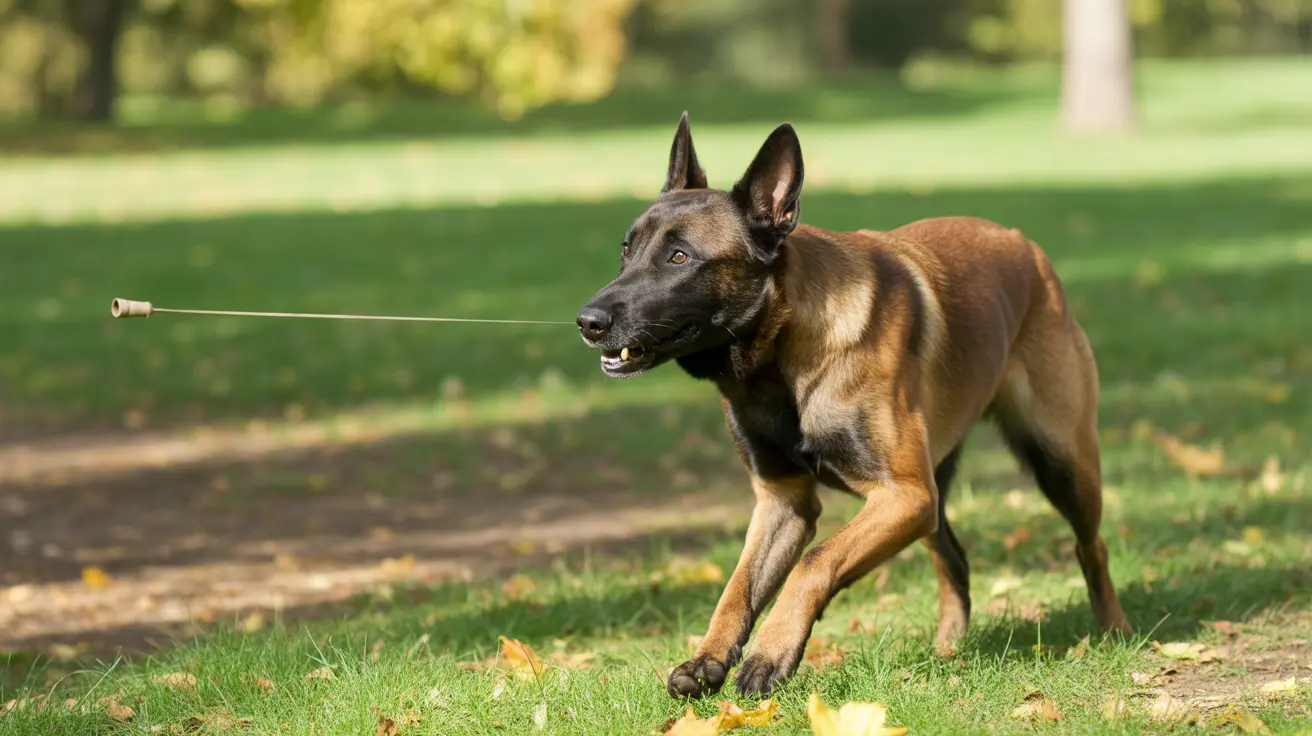
Credit: www.petscare.com
Safety And Precautions
Using a dog whistle can be a valuable tool in training, but it’s crucial to ensure the safety and comfort of your furry friend. Understanding the potential risks and taking necessary precautions can make the experience positive for both you and your dog. Let’s dive into some essential safety tips and precautions you should consider when using a dog whistle.
Potential Risks
Dog whistles emit sounds at frequencies that are often inaudible to humans but can be heard by dogs. If used improperly, these high-frequency sounds can cause discomfort or even pain for your pet. Consider the sound level and frequency you are using. A frequency too high or loud can be distressing. It’s important to observe your dog’s reaction to the whistle. If they show signs of stress, such as whining or running away, it’s time to reassess your approach.
Ensuring Your Dog’s Comfort
Your dog’s comfort should be your priority when using a whistle for training. Start with a lower frequency and gradually increase if necessary, always watching how your dog responds. Use the whistle in short bursts rather than long, continuous sounds. This helps prevent overwhelming your dog and keeps training sessions effective. Regular breaks during training can also help your dog stay relaxed and engaged. Have you noticed your dog seems more responsive after a short pause? This might be your cue to take things slow. Remember, training should be a positive experience. Reward your dog with treats or affection when they respond well to the whistle. This reinforces good behavior and makes the learning process enjoyable for your pet.

Credit: www.amazon.ca
Frequently Asked Questions
What Frequency Is Best For Dog Whistles?
Dog whistles typically operate between 16,000 Hz and 22,000 Hz. This frequency range is ideal for dogs’ hearing. It ensures effective communication without disturbing humans. Experiment with different frequencies to find what works best for your dog. Always monitor your dog’s response to the whistle.
Can Humans Hear Dog Whistle Frequencies?
Most humans cannot hear dog whistle frequencies as they operate above 20,000 Hz. This range is beyond human hearing capabilities. However, some people might faintly hear them. Always test the whistle volume to ensure comfort. Ensure the sound doesn’t disturb others around you.
Do Dog Whistles Hurt Dogs’ Ears?
Dog whistles should not hurt dogs’ ears if used correctly. They are designed to be safe and effective. Avoid prolonged use or high volume, which could cause discomfort. Always observe your dog’s reaction. If your dog shows signs of distress, stop using the whistle immediately.
How Do Dog Whistles Train Dogs?
Dog whistles are used as a training tool to capture a dog’s attention. They provide a consistent sound that commands focus. Pair whistle sounds with commands for effective training. It helps in teaching obedience and recall. Always reinforce whistle commands with positive rewards.
Conclusion
Understanding dog whistle frequency helps improve communication with your pet. Different frequencies cater to diverse training needs. Dogs respond well to these sounds, enhancing obedience. Selecting the right whistle involves knowing your dog’s sensitivity. A consistent approach boosts training success.
This tool is valuable for dog owners aiming for effective interaction. Always remember, patience is key in training. Experiment with various frequencies to find the best fit. Your bond with your dog will strengthen over time. Keep exploring and adjusting for optimal results.
Happy training!