How to Potty Train an Older Dog: Proven Tips
Senior Canine Nutritionist & Dog Behavior Specialist at Cozy Dog Go Wellness Lab
Potty training an older dog might seem like a daunting task. You’re probably feeling overwhelmed and wondering if it’s even possible.
But here’s the good news: with the right approach and a bit of patience, you can successfully teach your mature canine companion where and when to do their business. Imagine the relief of not having to worry about accidents on your favorite carpet anymore.
You know your dog deserves the best care, and a well-trained pet is a happy pet. This guide will show you simple yet effective strategies to help your older dog learn new habits. By the end, you won’t just have a well-trained dog; you’ll strengthen the bond between you and your furry friend, creating a harmonious home environment. Ready to dive in and discover the secrets to successful potty training? Let’s get started!
Assessing Your Dog’s Needs
Training an older dog to use the potty requires understanding its unique needs. Each dog is different, so assessing these needs is crucial. This helps in creating an effective potty training plan. Observing behavior and health can provide valuable insights.
Evaluating Behavioral Patterns
Observe your dog’s daily habits. Notice when it shows signs of needing the bathroom. This might include sniffing or circling. Keep track of its routine to identify patterns. Knowing these patterns helps schedule potty breaks effectively. Consistency is key in training success.
Identifying Health Issues
Health problems can affect potty training. Older dogs might have urinary tract infections or arthritis. These conditions can make it difficult to control their bladder. A vet can help identify and treat these issues. Addressing health problems can improve training outcomes. Regular check-ups ensure your dog remains healthy and comfortable.
Credit: dogs.thefuntimesguide.com
Creating A Training Plan
Creating a training plan for potty training an older dog involves consistency and patience. Establish a routine by taking the dog outside at regular intervals. Reward successful attempts with treats and praise to reinforce positive behavior.
Creating a training plan for an older dog involves patience and consistency. Older dogs may have ingrained habits. But they can learn new routines with the right approach. A well-thought-out training plan can make this process smoother.Setting Realistic Goals
Set achievable goals for your dog’s training. Consider your dog’s age and past habits. Aim for small, steady progress. Celebrate each success, no matter how small. This boosts your dog’s confidence and keeps you motivated.Designing A Consistent Schedule
Consistency is key to successful training. Create a daily schedule for potty breaks. Stick to this routine every day. Take your dog out first thing in the morning. Offer another break after meals. Include a final outing before bedtime. Consistent times help your dog predict potty breaks. This builds a reliable habit over time.Choosing The Right Tools
Potty training an older dog can be a rewarding experience when you have the right tools at your disposal. Choosing these tools wisely can make the process smoother and more effective. From the correct leash and collar to using training pads, every item plays a crucial role. The right equipment not only aids in training but also ensures your dog’s comfort and safety.
Selecting Suitable Leashes And Collars
Choosing the right leash and collar is pivotal in guiding your older dog during potty training. Opt for a leash that is sturdy yet comfortable for you to handle. A retractable leash can give your dog some freedom while keeping them under control.
Collars should be snug but not tight, allowing two fingers to fit comfortably between the collar and your dog’s neck. Consider a harness for added control and safety, especially for older dogs who may have neck sensitivity.
With the right leash and collar, you’ll find managing outdoor potty breaks easier, giving your dog the confidence to learn new habits.
Utilizing Training Pads
Training pads can be a lifesaver for indoor potty training, especially for older dogs with mobility issues. Place the pads in a designated area, preferably close to the door leading outside. This helps your dog associate the pad with going out.
Training pads come in various sizes and features, such as odor control and quick-dry surfaces. Experiment with different types to find the one your dog responds to best. Some dogs prefer pads with a grass-like texture, offering a more natural feel.
Using training pads effectively requires patience. Praise your dog when they use the pad correctly, reinforcing positive behavior. This simple tool can make a significant difference in your dog’s potty training journey.

Credit: naturesloo.com.au
Establishing A Routine
Creating a consistent routine helps older dogs learn potty habits. Begin with regular trips outside after meals and naps. Praise and reward successes to encourage positive behavior.
Establishing a routine is crucial when potty training an older dog. It helps your furry friend understand when and where they should relieve themselves, reducing accidents and stress. With patience and consistency, you can guide them towards success.Timing And Frequency
Consistency is key. Choose specific times for potty breaks based on your dog’s age, size, and habits. Smaller dogs may need more frequent breaks, while larger ones might hold it longer. Start with regular intervals, such as first thing in the morning, after meals, and before bed. Gradually adjust based on your dog’s needs. Observe their behavior. Do they sniff or circle before going? Recognizing these signs can help you anticipate when a break is needed.Designating Potty Areas
Choose a specific spot outside for your dog to do their business. Consistency in location helps them associate the area with potty time. Keep the area clean to encourage use. Dogs prefer clean spots and may avoid soiled areas. Use verbal cues like “go potty” when you reach the designated area. This reinforces the behavior and helps them understand your expectations. Have you ever noticed how dogs often return to the same spot in a park? It’s because they’re creatures of habit. Use this to your advantage by designating a potty area at home. By focusing on timing, frequency, and designated areas, you can create a reliable routine that supports your dog’s training journey. Are you ready to see the transformation in your older dog?Positive Reinforcement Techniques
Positive reinforcement is key in potty training older dogs. Reward them with treats and praise after successful bathroom trips. Consistency in routine helps them understand expectations and build good habits.
Potty training an older dog can be a rewarding experience, especially when you leverage positive reinforcement techniques. These methods focus on rewarding good behavior rather than punishing mistakes, which helps your dog learn more effectively and strengthens your bond. By using rewards, treats, praise, and encouragement, you can create a positive learning environment that motivates your furry friend to succeed.Rewards And Treats
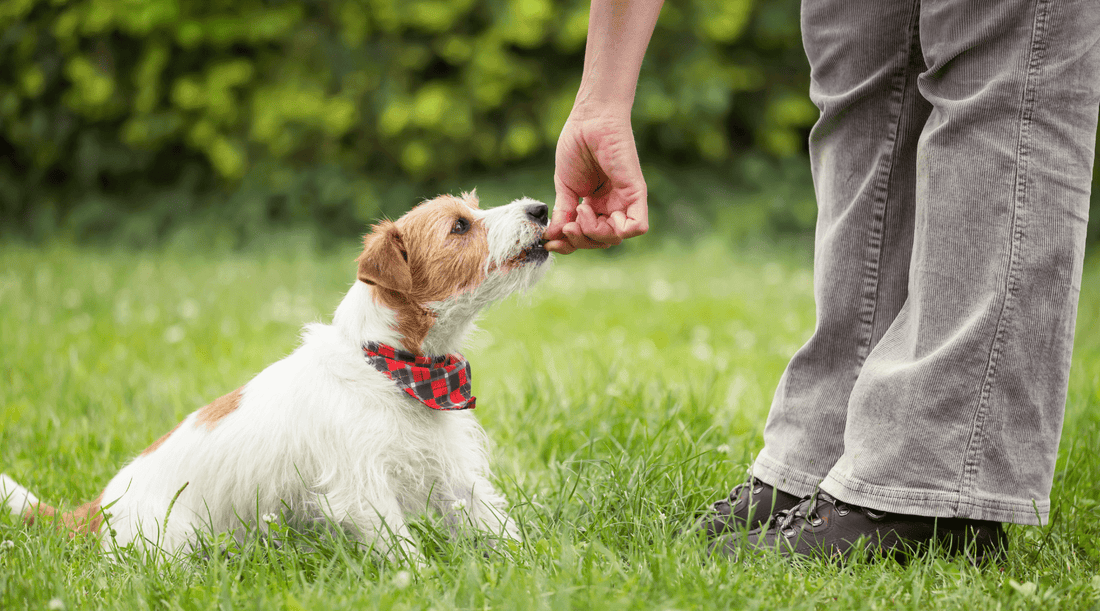
Offering rewards and treats is a powerful way to encourage your dog during potty training. Every successful bathroom break outside deserves a tasty treat or a favorite snack. This immediate reward reinforces the behavior and makes your dog eager to repeat it. Try keeping a stash of small treats handy during potty training sessions. You can even experiment with different types of treats to see which ones your dog responds to best. Consistency is key—make sure to reward your dog every time they do well.Praise And Encouragement
Don’t underestimate the power of your voice. Offering verbal praise and encouragement can be just as effective as treats. A simple “Good boy!” or “Well done!” can make your dog feel proud and motivated. It’s crucial to show your enthusiasm when your dog succeeds. Use a cheerful tone and maybe add a gentle pet or belly rub. Your dog loves your attention and will work hard to earn more of it. Have you noticed how your dog looks at you for approval? Your positive reinforcement can transform those moments into learning opportunities. Are you ready to celebrate each small win with your dog and make potty training an enjoyable journey?Managing Accidents
Managing accidents is key when potty training an older dog. Consistent routine and positive reinforcement can help. Patience and understanding make the process smoother, ensuring your dog feels supported.
Potty training an older dog demands patience and consistency. Accidents will happen. Managing them effectively minimizes stress for both you and your pet. The key is to handle accidents calmly and efficiently. This helps reinforce positive behavior in your dog.Cleaning Up Properly
Cleaning up accidents thoroughly is crucial. Use an enzymatic cleaner for the best results. It removes stains and odors that attract dogs back to the same spot. Avoid cleaners with ammonia, as they mimic the smell of urine. This may confuse your dog. Blot the area with paper towels first. This absorbs excess moisture. Follow with the enzymatic cleaner, as directed. Make sure the spot is completely dry before allowing your dog in the area again.Preventing Future Incidents
Consistency in routine is essential. Establish a regular schedule for feeding and potty breaks. This helps your dog learn when and where to go. Reward successful potty trips with praise or a treat. Positive reinforcement encourages repetition of good behavior. Identify triggers that lead to accidents. Stress, change in environment, or health issues can be factors. Address these issues promptly to prevent incidents. Supervise your dog closely after meals and naps. This reduces the chance of accidents indoors.Addressing Behavioral Challenges
Teaching an older dog to use the potty requires patience and consistency. Establish a routine and reward good behavior. Gradually, your furry friend will learn where to go.
Addressing behavioral challenges in potty training an older dog can be tricky but is certainly achievable. Dogs, like humans, often develop habits over time that become hard to break. However, with patience and consistency, you can guide your dog towards better behavior and ensure a smoother potty training process. Let’s tackle some common issues you might face during this journey.Dealing With Anxiety
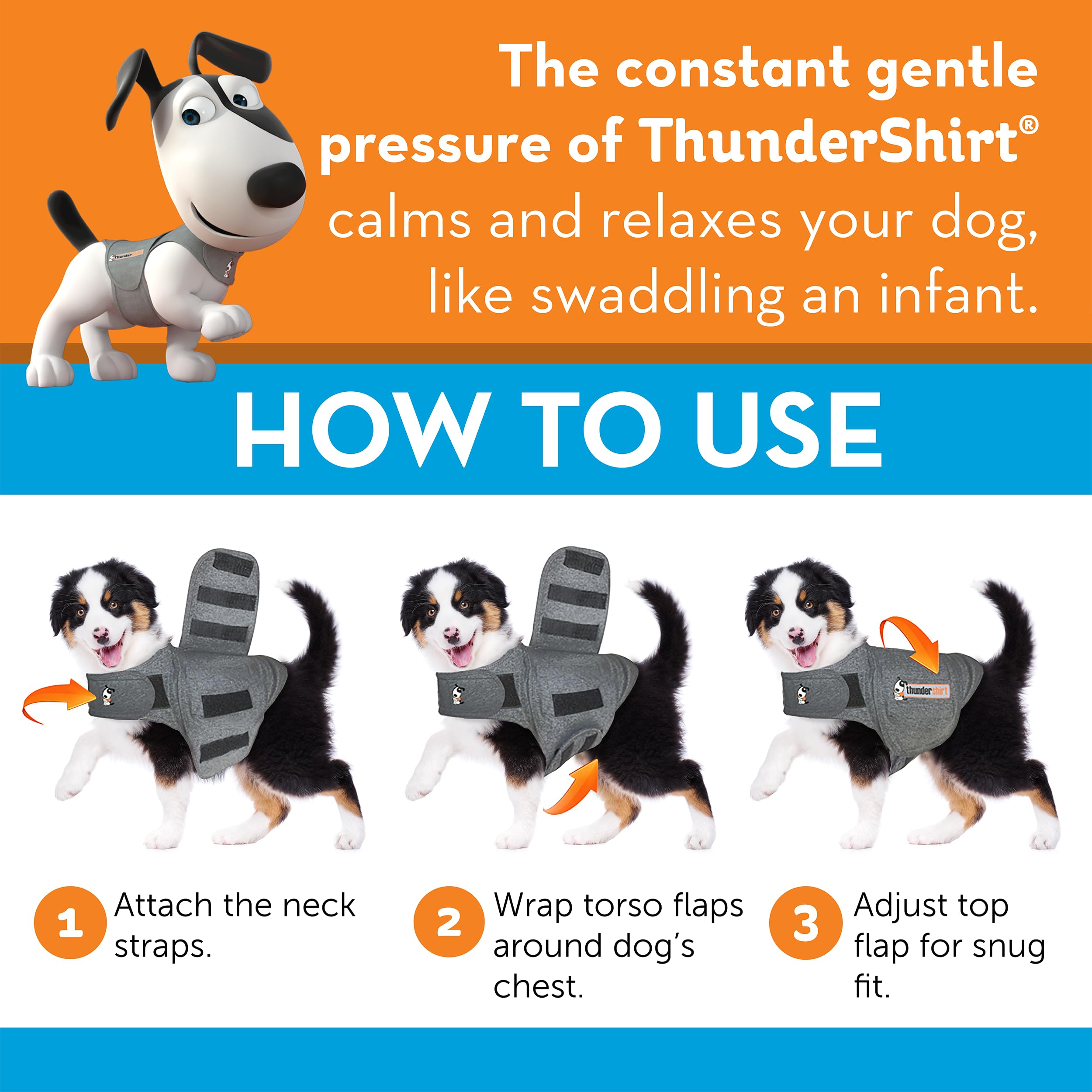
Anxiety can be a significant hurdle in potty training. Dogs who are anxious may have accidents due to stress. Creating a calm environment is crucial. Consider providing a designated safe space for your dog where they feel secure. Use positive reinforcement to encourage them to relax. Does your dog have a favorite toy or blanket? These can be comforting during training sessions. Routine also helps; try to stick to a schedule for potty breaks.Handling Stubbornness
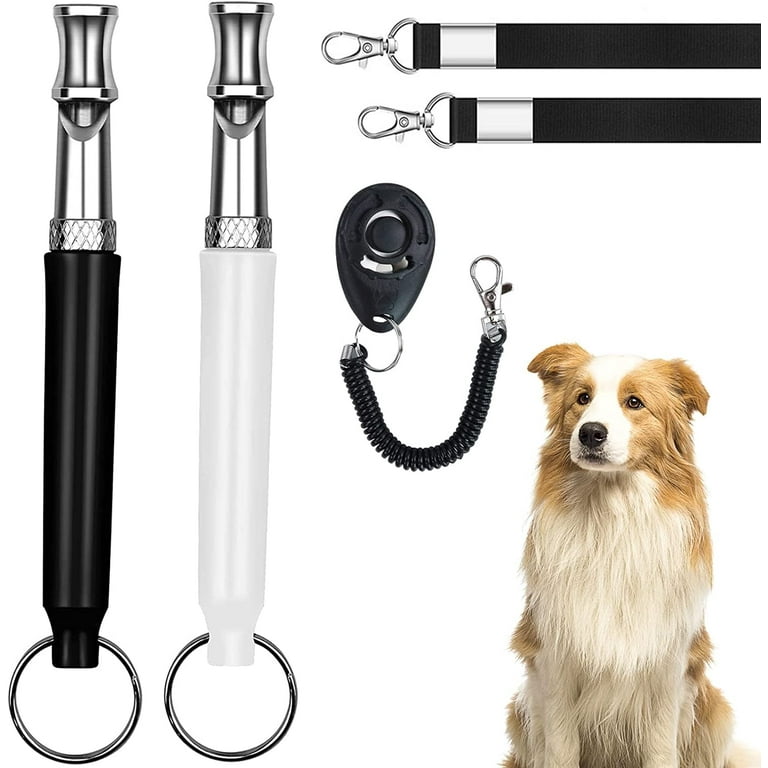
Stubbornness can be challenging, especially if your dog is set in their ways. But remember, consistency is key. Use treats and verbal praise to reward good behavior. This reinforces the idea that pottying outside is rewarding. Have you considered using a clicker? It’s a simple tool that can help communicate effectively with your dog. It’s easy to get frustrated, but patience will pay off. Celebrate small victories and remain committed to the process. Your persistence will ultimately encourage your dog to adapt to their new routine.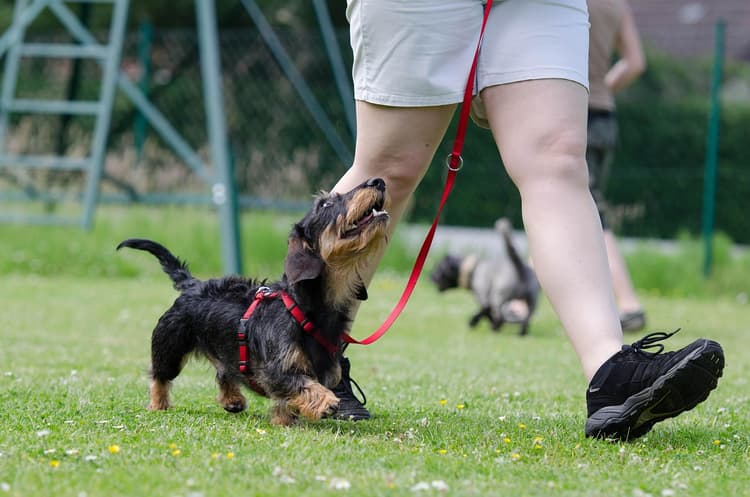
Credit: basepaws.com
Seeking Professional Help
Consulting a professional can greatly aid in potty training an older dog. Experts offer tailored strategies and guidance, ensuring effective results and a smooth transition for your pet.
Seeking professional help when potty training an older dog can be a game-changer for many pet owners. Sometimes, despite your best efforts, your furry friend might not respond as expected. In such cases, getting expert advice can provide the right guidance and solutions.Consulting A Veterinarian
If your older dog is having trouble with potty training, the first step is to consult a veterinarian. They can rule out any medical issues that might be affecting your dog’s ability to learn new habits. For instance, urinary tract infections or digestive problems could be contributing to accidents in the house. A vet visit can ensure that these problems are addressed, making the training process smoother. Moreover, veterinarians can also offer advice on diet and routines that might support better potty habits. It’s always beneficial to have a professional check if there’s an underlying health issue before proceeding with a training plan.Hiring A Dog Trainer
Hiring a professional dog trainer can be incredibly effective, especially if you’re feeling overwhelmed. A skilled trainer can assess your dog’s behavior and create a tailored training plan that suits your dog’s unique needs. They bring years of experience and tried-and-tested methods to the table. This expertise can help in overcoming specific challenges you might face during the training process. Consider attending a few sessions to learn techniques and then apply them at home. Have you ever thought about the impact of using the right commands and positive reinforcement? A trainer can show you how small tweaks can make a big difference in your dog’s learning journey. By seeking professional help, you open the door to more effective training strategies and solutions that can lead to success.Monitoring Progress
Monitoring progress is key when potty training an older dog. Watch for signs of improvement and adjust methods as needed. Celebrate successes with treats and praise.
Monitoring progress while potty training an older dog can be both rewarding and challenging. It’s important to keep track of the small victories and setbacks as they occur. This not only helps in understanding your dog’s learning pace but also in identifying what methods are working best.Tracking Improvements
Keeping a journal or a simple log of your dog’s potty training progress can be invaluable. Note the times and locations where successful bathroom trips happen. This can reveal patterns, such as specific times of the day when your dog is more likely to need a bathroom break. In my experience, jotting down these details helped me adjust the bathroom schedule and prevent accidents. Have you noticed any specific cues your dog gives before needing to go? Paying attention to these can help you anticipate their needs better.Adjusting Techniques
If you find that progress is stalling, it might be time to tweak your training techniques. Perhaps your dog responds better to a different reward or needs more frequent bathroom breaks. Flexibility is key. Consider also the environment—are there distractions that could be making it difficult for your dog to concentrate? When my own dog struggled, moving to a quieter area made a significant difference. Remember, patience is crucial. How can you adjust your approach to make the process smoother and more enjoyable for both you and your dog?Frequently Asked Questions
How Do I Start Potty Training An Older Dog?
Begin by setting a consistent routine for bathroom breaks. Use positive reinforcement like treats and praise. Take your dog outside frequently, especially after meals and naps. Be patient and consistent, as older dogs may take longer to adjust. Keep an eye on signs that your dog needs to go.
Can Older Dogs Learn To Be Potty Trained?
Yes, older dogs can learn to be potty trained with patience and consistency. Establish a routine and use positive reinforcement. Be patient, as older dogs may take longer to learn than puppies. Keep training sessions short and positive to encourage your dog’s cooperation.
How Long Does It Take To Potty Train An Older Dog?
Potty training an older dog can take several weeks to months. It depends on the dog’s previous habits and consistency in training. Be patient and consistent with your training efforts. Regular bathroom breaks and positive reinforcement can speed up the process.
What Are Common Mistakes In Potty Training Older Dogs?
Common mistakes include inconsistent routines and lack of supervision. Avoid using punishment, as it can cause fear and anxiety. Ensure regular bathroom breaks and reward successes with treats and praise. Inconsistency and impatience can hinder progress, so stay dedicated.
Conclusion
Training an older dog can be challenging, but it is possible. Patience is key. Consistency helps build trust and understanding. Celebrate small successes. Use positive reinforcement to encourage good behavior. Keep a regular schedule to avoid accidents. Understand your dog’s needs and signals.
Seek professional help if needed. Remember, every dog learns at their own pace. Stay positive and motivated. Your efforts will lead to a happier, cleaner home. With time, your older dog will adjust. Enjoy the journey with your furry friend.

Similar Posts