Why is My Potty Trained Dog Peeing in the House: Expert Tips
Have you ever walked into a room and found an unexpected wet spot? It’s frustrating, especially when your dog is supposed to be potty trained.
You’re likely asking yourself, “Why is my potty trained dog peeing in the house? ” You’re not alone, and there are reasons why this might be happening. Understanding these reasons can help you address the issue and restore harmony in your home.
Imagine the relief you’ll feel once you uncover the cause and find a solution. Whether it’s a medical issue, a change in routine, or a behavioral problem, knowing what to look for is key. Dive into this article to discover what might be triggering this behavior and learn effective strategies to help your furry friend get back on track.
Common Causes Of Indoor Accidents
Changes in routine or environment can confuse a potty-trained dog, leading to indoor accidents. Medical issues, stress, or anxiety may also contribute to unexpected peeing. Identifying the cause helps in finding a solution.
Indoor accidents can be frustrating for dog owners. Understanding why a potty-trained dog pees inside is essential. It helps in addressing the issue effectively. Several common causes may lead to these accidents. Exploring these can shed light on your dog’s behavior.Medical Issues
Health problems often cause indoor accidents. Urinary tract infections are common culprits. They make it hard for dogs to control their bladder. Diabetes is another condition that increases urination. Dogs may struggle to hold it in. Kidney disease can cause similar issues. Consulting a vet is crucial in such cases. Early diagnosis helps manage medical problems effectively.Behavioral Changes
Changes in behavior might lead to accidents. Anxiety or fear can affect a dog’s habits. New environments or people might cause stress. Dogs may mark territory due to insecurity. Lack of proper training reinforcement can also play a role. Positive reinforcement helps in maintaining good habits. Understanding your dog’s behavior is key to finding solutions.Environmental Stressors
Environmental changes can upset a dog’s routine. Moving to a new home is a significant stressor. New pets or family members can disrupt a dog’s comfort zone. Loud noises or changes in daily schedule are also stress triggers. Dogs thrive on routine and predictability. Ensuring a stable environment can reduce stress-related accidents.Identifying Medical Problems
When your potty-trained dog starts peeing in the house, it’s easy to feel frustrated and confused. But what if your furry friend is trying to tell you something more serious is going on? Identifying medical problems is a crucial step in understanding why your dog might be having accidents indoors. By recognizing potential health issues, you can address them promptly and effectively, ensuring your pup stays happy and healthy.
Urinary Tract Infections
Urinary tract infections (UTIs) can be painful and lead to frequent urination. If your dog is peeing more often and in unusual places, it might be suffering from a UTI. Watch for signs like straining to urinate, discolored urine, or excessive licking of the genital area. A visit to the vet can confirm the diagnosis and lead to quick treatment, often with antibiotics.
Diabetes
Diabetes might be the culprit if your dog is drinking more water than usual and urinating frequently. Dogs with diabetes have difficulty processing sugar, leading to increased thirst and urination. A blood test at the vet can diagnose diabetes, and management often involves insulin shots and dietary changes. Catching it early can make a significant difference in your dog’s quality of life.
Age-related Conditions
As dogs age, their bodies change, and they may develop conditions affecting their bladder control. Cognitive decline or weakened bladder muscles can lead to accidents indoors. Consider if your dog is entering its senior years and consult your vet about potential age-related issues. Sometimes, a simple change in routine or medication can help manage these conditions effectively.
Have you noticed any changes in your dog’s behavior that could suggest a medical issue? It’s essential to trust your instincts and seek professional advice to rule out or treat these common health concerns.
Behavioral Reasons For Indoor Peeing
Seeing your potty-trained dog suddenly start peeing indoors can be puzzling and frustrating. It’s essential to understand that this behavior often stems from underlying behavioral issues rather than a lapse in training. Exploring these reasons can help you address the problem effectively and restore harmony in your home.
Territorial Marking
Dogs have a natural instinct to mark their territory, especially if they sense new scents or perceive a threat. Your dog might be reacting to changes such as a new pet or even a new piece of furniture. Consider if there’s anything new that might have triggered this behavior.
Anxiety And Fear
Anxiety can be a significant factor in indoor peeing. Have there been any changes in your household routine? Loud noises, unfamiliar visitors, or a shift in your schedule can make your dog feel insecure, leading them to pee indoors as a way to cope with stress.
Attention-seeking Behavior
Sometimes, dogs resort to peeing indoors as a way to grab your attention. If your dog feels neglected or is not getting enough interaction, they might use this behavior as a signal to get more of your time. Are you unintentionally reinforcing this behavior by giving them extra attention when it happens?
Understanding these behavioral reasons can provide insight into why your potty-trained dog is peeing indoors. Reflect on your dog’s environment and interactions to pinpoint potential causes and create a plan to address them. What changes can you make to help your dog feel secure and noticed?

Credit: www.instagram.com
Impact Of Environmental Changes
Your once perfectly potty-trained dog suddenly starts having accidents indoors, leaving you puzzled and frustrated. Environmental changes can significantly impact your dog’s behavior and may be the underlying cause of these unexpected incidents. Understanding these changes can help you address the problem effectively.
New Household Members
Introducing a new family member, whether it’s a baby, partner, or even another pet, can disrupt your dog’s sense of security. Dogs can feel anxious or territorial when their environment changes suddenly. They may express this anxiety through inappropriate urination. Consider how your dog might perceive these new dynamics and whether they feel excluded or stressed.
Changes In Routine
Dogs thrive on routine, and any alteration can lead to confusion. Have your work hours shifted? Is your walking schedule inconsistent? Even small changes in meal times can affect your dog’s bladder control. Reflect on your daily schedule and identify any modifications that might have confused your furry friend.
Disruption In Space
Moving furniture or redecorating can unsettle your dog. What seems like a minor change to you might feel like a complete upheaval to them. Dogs rely on familiar scents and spaces to feel secure. Think about recent changes in your home layout and whether your dog might be struggling to adapt to these new surroundings.
Could these environmental changes be behind your dog’s behavior? Understanding their impact is the first step in helping your dog adjust and get back on track.
Training And Reconditioning Strategies
Potty trained dogs may urinate indoors due to stress, health issues, or changes in their environment. Identifying triggers helps in retraining and reconditioning strategies to reinforce positive habits. Regular vet checks and consistent routines are key to resolving this behavior.
Potty training a dog is not just about teaching them where to go; it’s about reinforcing the right behaviors over time. Sometimes, even the best-trained dogs may have accidents indoors, leading to confusion and frustration. Training and reconditioning strategies can help address this issue, ensuring your furry friend stays on track.Reinforcement Techniques
Reinforcement is key to solidifying your dog’s potty training. Whenever your dog relieves themselves in the correct spot, reward them immediately. This could be with a treat, a verbal praise, or a quick play session. Ensure the reward is something your dog values highly. Timing is crucial here; the quicker the reward follows the action, the stronger the association becomes. This technique helps your dog understand what behavior is expected.Consistency In Commands
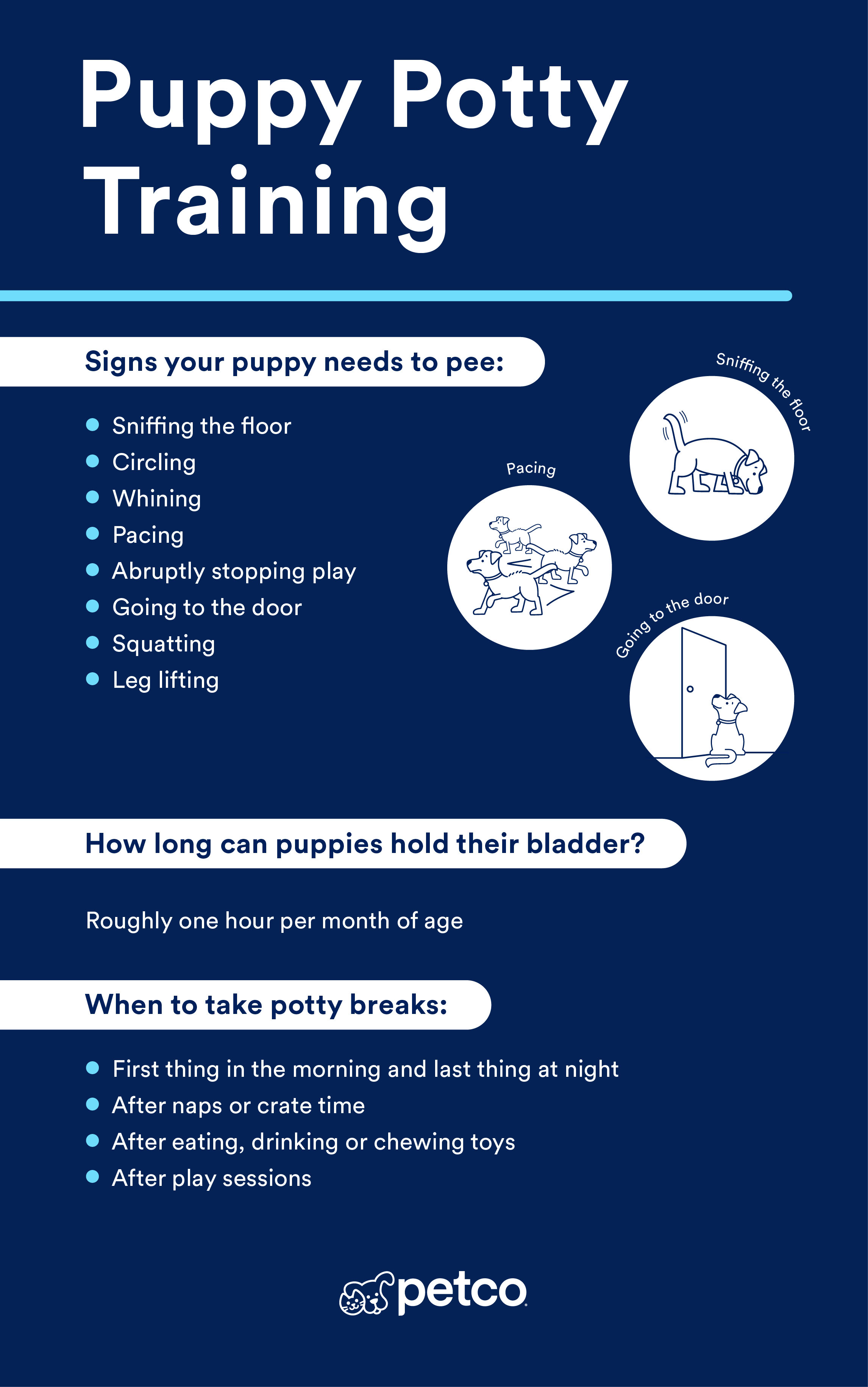
Consistency is the backbone of training. Use the same command each time you want your dog to go potty. Whether it’s “go potty” or “do your business,” your dog will learn to associate the command with the action. Stick to a routine. Take your dog out at the same times each day, like first thing in the morning and after meals. Consistency in routine and commands reduces confusion and builds a habit.Positive Reinforcement
Positive reinforcement is more than just giving treats; it’s about creating a positive environment for learning. When your dog makes a mistake indoors, avoid scolding them harshly. Instead, clean the area thoroughly to remove any scent marks. Encourage your dog when they succeed. A cheerful tone and gentle petting go a long way in making them feel appreciated. Positive reinforcement fosters a trusting relationship, making training and reconditioning much more effective. Have you tried different reinforcement methods with your dog? Share your experiences in the comments below!Consulting A Veterinarian
Even the most well-trained dogs can have accidents, and when your furry friend starts peeing indoors, it can be frustrating and puzzling. While changes in routine or stress can sometimes be the culprit, there could be underlying health issues at play. Consulting a veterinarian is a critical step in ensuring your dog’s well-being and getting to the root of the problem. A professional can offer insights and solutions that you might not have considered.
When To Seek Professional Help
It’s normal for dogs to have the occasional accident, but if your dog is consistently peeing inside, it might be time to consult a vet. If you notice additional symptoms like excessive thirst, lethargy, or changes in appetite, these could indicate a medical issue. Don’t wait too long—early intervention can prevent more serious health problems.
Diagnostic Tests
Your veterinarian might recommend a few diagnostic tests to understand the issue better. Common tests include urinalysis, blood tests, and ultrasound. These tests can uncover infections, kidney issues, or other medical conditions that might be causing your dog to urinate indoors.
Treatment Options
Treatment will depend on the diagnosis. If it’s an infection, antibiotics might be prescribed. Hormonal imbalances might require medication adjustments. In some cases, lifestyle changes like diet or increased exercise can also help manage the problem.
Have you ever wondered if your dog’s indoor accidents are a sign of something more serious? By consulting a veterinarian, you can ensure that your beloved pet stays healthy and happy.
Preventive Measures
Addressing sudden changes in your dog’s behavior is crucial. Check for any health issues or emotional stress. Reinforce their training with regular outdoor breaks and positive reinforcement.
Preventive measures are essential in ensuring your potty-trained dog stays accident-free indoors. Addressing potential issues early can help maintain a harmonious living space. Here, we explore some effective strategies.Regular Check-ups
Schedule regular vet visits to monitor your dog’s health. Health issues can cause unexpected indoor peeing. A vet can identify underlying problems. Regular check-ups ensure your dog is healthy. Peace of mind comes from knowing your dog’s well-being is monitored.Maintaining Routine
Consistency is key for a dog’s comfort. Stick to a regular feeding schedule. Take your dog out at the same times daily. Predictable routines reduce stress for your pet. A routine helps your dog know when it’s time to go outside. Fewer accidents occur when your dog knows what to expect.Creating A Safe Space
Ensure your dog has a secure environment. A comfy bed and toys can create a sense of security. Dogs pee indoors when they feel anxious. A safe space reduces anxiety. Your dog should feel relaxed and calm at home. Comfort leads to better behavior and fewer indoor accidents.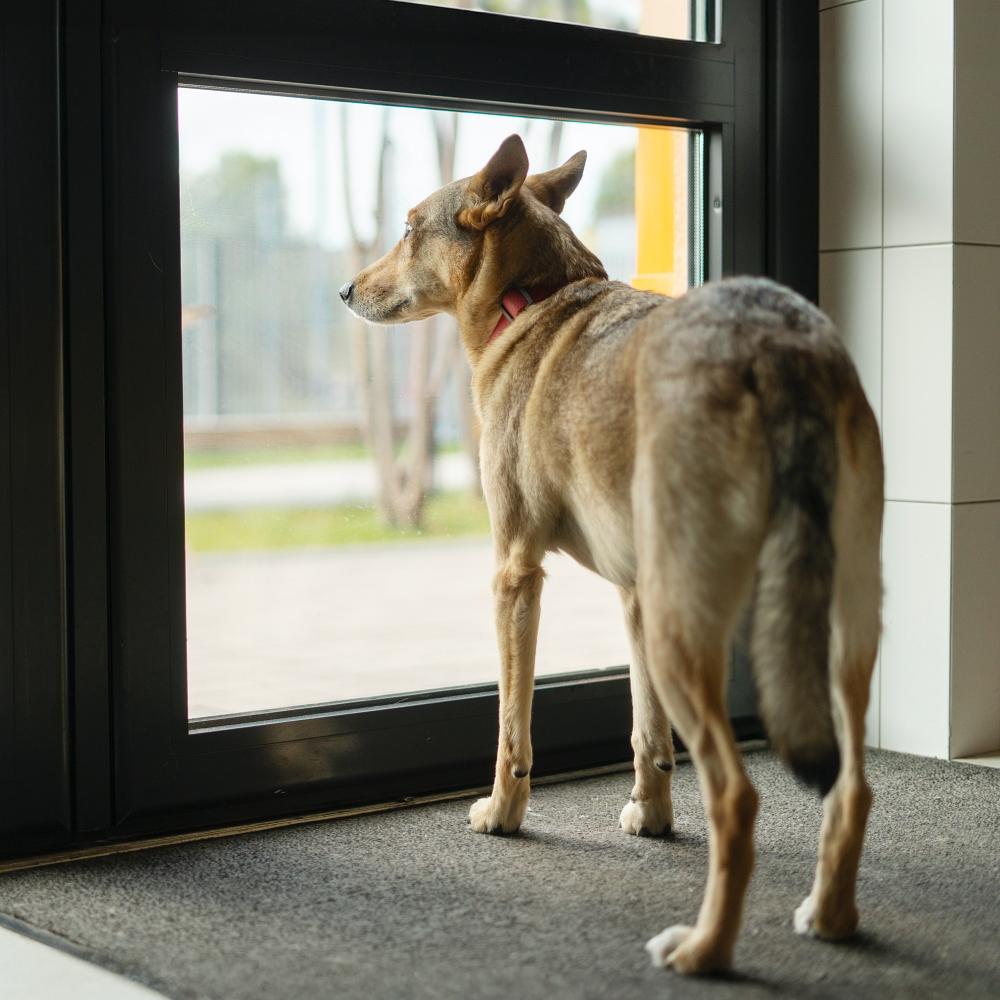
Credit: pottybuddy.co
Credit: www.petco.com
Frequently Asked Questions
Why Is My Dog Peeing Indoors Suddenly?
Sudden indoor peeing may be due to stress or medical issues. Changes in environment or routine can trigger anxiety. Health problems like urinary infections may also be the cause. Consulting a vet helps identify underlying issues.
Can Diet Changes Affect Dog’s Peeing Habits?
Yes, diet changes can impact urination frequency. Increased salt or fluid intake may lead to more frequent urination. Sudden dietary shifts might stress your dog, influencing its behavior. Consult a vet for balanced diet advice.
How Do I Stop My Dog From Peeing Inside?
Identify triggers like stress or health issues first. Reinforce training and reward outdoor peeing. Ensure a consistent routine and regular outdoor access. Consulting a vet may help if behavioral adjustments aren’t effective.
Are Older Dogs Prone To Indoor Peeing?
Yes, older dogs might face urinary incontinence. Aging can weaken bladder control, leading to accidents indoors. Regular vet check-ups help manage age-related health changes and maintain good bladder health.
Conclusion
Understanding why your dog is peeing inside is crucial. It might be a health issue. Or maybe stress. Address the problem promptly to avoid bigger issues. Consult a vet if you’re unsure. Training can regress, but it’s fixable. Patience is key.
Observe your dog’s behavior closely. This helps you find the cause faster. Remember, your dog needs guidance and love. Consistent training and care work wonders. Your efforts will lead to a happy, pee-free home.