Will a Muzzle Keep a Dog from Barking: Discover the Truth
Have you ever found yourself in a situation where your dog’s barking seems endless and unstoppable? You’re not alone.
Many dog owners face the challenge of managing excessive barking, and it’s natural to seek solutions that promise peace and quiet. One common question you might have is: “Will a muzzle keep a dog from barking? ” Before you rush to any conclusions, it’s crucial to understand how a muzzle works and whether it truly addresses the root cause of barking.
We’ll explore the ins and outs of using a muzzle, uncover the surprising truths about its effectiveness, and guide you towards making an informed decision for your furry friend. Stick around, because what you discover may just change the way you handle your dog’s vocal habits forever.
Muzzles And Their Purpose
Muzzles serve many purposes in a dog’s life. They are essential tools for specific situations. They ensure safety and control. Muzzles help manage a dog’s behavior effectively. They aren’t cruel or harmful when used correctly. Many people misunderstand their true purpose. They think muzzles are only for aggressive dogs. This is not true. Muzzles can be beneficial in various scenarios.
Types Of Muzzles
There are several types of muzzles available. Each type suits different needs and situations.
- Basket muzzles:They allow dogs to pant and drink. They provide more comfort for longer use.
- Soft muzzles:Made from fabric or leather. They are suitable for short-term use.
- Short-snout muzzles:Designed for breeds with short noses. They fit snugly around the snout.
Common Uses For Muzzles
Muzzles are used in various situations. They help prevent unwanted behavior.
- Vet visits:Dogs may feel anxious. A muzzle ensures everyone’s safety.
- Grooming sessions:Some dogs dislike being groomed. Muzzles prevent bites.
- Public outings:In crowded places, muzzles help control dogs.
- Training:Muzzles assist in modifying behavior. They are useful in training sessions.

Credit: collardirect.com
How Muzzles Affect Barking
Dog owners often seek solutions to manage excessive barking. One option considered is using a muzzle. Muzzles are tools designed for various purposes, including preventing biting and barking. Understanding how muzzles affect barking helps in making informed choices.
Can Muzzles Silence Dogs?
Muzzles can limit a dog’s ability to bark loudly. They prevent the mouth from opening fully. This reduces sound. Dogs might still produce muffled sounds. Muzzles do not completely silence dogs. Some dogs may adapt and find ways to bark softly.
Behavioral Impact Of Muzzles
Using muzzles can influence dog behavior. Muzzles may cause stress or discomfort. Dogs might display nervousness or agitation. It’s important to monitor their reactions closely. A muzzle should never be used as a long-term solution. Dogs need positive reinforcement and training.
Proper introduction of muzzles is crucial. Gradual acclimatization helps in reducing anxiety. Short periods of muzzle use are recommended. This ensures the dog feels safe and comfortable.
Alternatives To Muzzles For Barking
Many pet owners seek alternatives to muzzles for reducing dog barking. Muzzles might not address the root cause of barking. Exploring other solutions can be more effective and humane.
Training Techniques
Positive reinforcement is a proven method. Reward your dog for quiet behavior. Treats, praise, or toys can work as rewards. Consistency is key in training your dog. Use commands like “quiet” when the dog barks. Reinforce silence with a reward immediately. Avoid yelling as it might excite the dog more.
Redirecting attention can also help. Engage your dog with toys or activities. A busy dog is less likely to bark unnecessarily. Training classes or professional trainers can offer guidance. They provide structured programs that cater to specific needs.
Environmental Adjustments
Changes in the environment can reduce triggers for barking. Identify what causes your dog to bark. Is it people passing by? Other animals outside? If so, try blocking your dog’s view. Curtains or frosted windows can help.
Background noise can mask outside sounds. Use a fan or white noise machine. This can create a more peaceful atmosphere. Ensure your dog has enough exercise. A tired dog is a quiet dog.
Make sure your dog isn’t bored. Interactive toys or puzzles can engage them. A well-stimulated dog barks less often. Provide a comfortable, safe space for your dog. This helps them feel secure and reduces anxiety.

Credit: collardirect.com
Pros And Cons Of Using Muzzles
Muzzles are often used to manage dogs’ behavior, especially barking. While they can be effective, it’s crucial to understand their pros and cons. Muzzles can provide immediate results, but they may not always be the best solution for every dog. Exploring their benefits and potential risks can help in making an informed decision.
Benefits Of Muzzle Use
- Prevents unwanted barking during specific situations.
- Ensures safety when dogs are around strangers.
- Useful in training and behavior correction.
- Can reduce stress for both the dog and owner.
Potential Risks And Drawbacks
- May cause discomfort if not fitted properly.
- Can lead to increased anxiety in some dogs.
- Does not address the root cause of barking.
- Could affect the dog’s ability to pant and cool down.
Choosing The Right Muzzle
Choosing the right muzzle for your dog is crucial. It affects their comfort and safety. A muzzle can help manage barking, but only if it fits well. Let’s explore the key aspects of selecting the best muzzle for your furry friend.
Factors To Consider
Consider the material of the muzzle. Soft materials prevent discomfort. Ensure the muzzle is breathable. Dogs need to pant to cool down. Check if the muzzle is durable. It should withstand regular use. Look for easy-to-clean designs. This ensures hygiene and longevity.
Sizing And Fit
Proper sizing ensures comfort and effectiveness. Measure your dog’s snout carefully. A loose muzzle can slip off. A tight one can cause pain. Ensure the muzzle allows some movement. Dogs should open their mouths slightly. Adjustability is key for a perfect fit. Look for designs with adjustable straps.
Expert Opinions On Muzzle Use
Experts agree that muzzles can limit barking but don’t address the root cause. Training remains essential for long-term solutions.
When considering whether a muzzle will keep a dog from barking, it’s crucial to understand the perspectives of experts who are well-versed in animal behavior and health. These professionals offer insights into the benefits and limitations of using muzzles for managing barking. Their perspectives can guide you in making informed decisions about your pet’s needs.Veterinarian Insights
Veterinarians often stress that muzzles are not a long-term solution for barking. They are primarily tools for ensuring safety, especially in situations where a dog might be aggressive or anxious. However, using a muzzle solely to prevent barking might address the symptom rather than the cause of the behavior. A vet might suggest examining underlying health issues that could be causing excessive barking. Sometimes, discomfort or pain can lead to increased vocalization. A thorough check-up can help rule out any medical reasons for your dog’s barking habits.Behavioral Specialist Views
Behavioral specialists tend to focus on understanding the root causes of barking. They emphasize that barking is a natural form of communication for dogs. Simply silencing this behavior with a muzzle might ignore important emotional or environmental triggers. Specialists might recommend training and behavior modification as more effective long-term strategies. Positive reinforcement techniques, for example, can help modify unwanted barking. They encourage dog owners to observe when and why their dogs bark and to address those specific triggers. Have you ever considered what your dog is trying to tell you when they bark? Understanding this can lead to a more harmonious relationship with your pet. By combining expert advice with patience and observation, you can find solutions that respect both your dog’s needs and your peace of mind.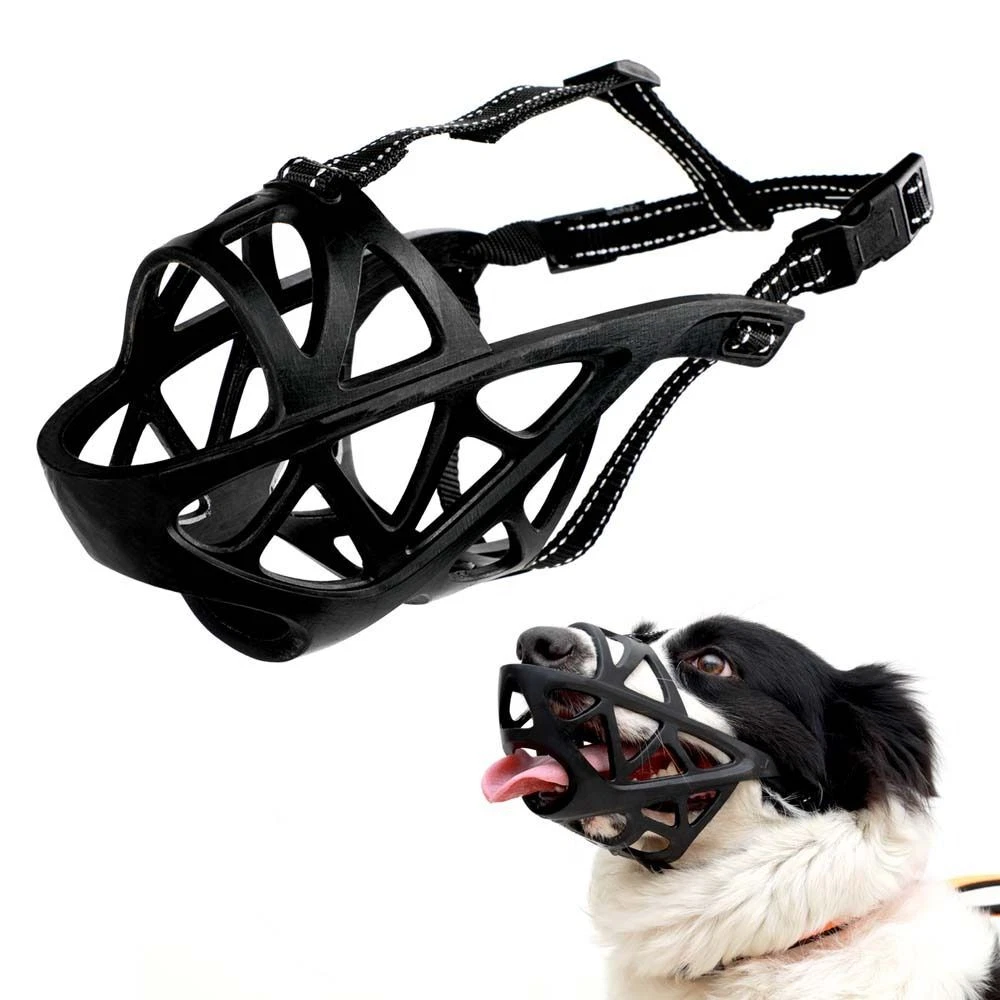
Credit: namibian.com.na
Frequently Asked Questions
Can Muzzles Completely Stop Barking?
Muzzles can limit barking but won’t completely stop it. They restrict jaw movement, making it difficult for dogs to bark loudly. However, dogs can still make noises and express themselves in other ways. Training and behavioral adjustments are essential to effectively manage excessive barking, alongside using a muzzle.
Are Muzzles Safe For Dogs?
Muzzles are generally safe when used correctly. It’s important to select a muzzle that fits well and allows the dog to pant and drink water. Introduce the muzzle gradually to avoid distress. Always monitor your dog while using a muzzle to ensure they remain comfortable and calm.
Can Muzzles Be Used For Training?
Muzzles can aid in training by reducing distractions. They help manage barking, aggression, or other unwanted behaviors. Pairing muzzle use with positive reinforcement techniques will encourage better behavior. Muzzles should not be the sole training tool but can be part of a comprehensive strategy.
Do Muzzles Cause Discomfort?
Properly fitting muzzles should not cause discomfort. They must allow the dog to breathe, pant, and drink water comfortably. Gradual introduction helps the dog acclimate to wearing a muzzle. If discomfort or distress is evident, reassess the fit and consult a professional for guidance.
Conclusion
Muzzles can help reduce barking but are not a perfect solution. Dogs bark for various reasons. They express emotions like fear or excitement. It’s essential to address the root cause of barking. Training and understanding your dog’s needs are key.
A muzzle is a tool, not a fix. Consult a vet or trainer for guidance. Patience and care are crucial for lasting change. Remember, every dog is unique. Tailor solutions to fit your dog’s personality. Keep safety and comfort in mind.
With time, you can find harmony. And a quieter home.