Imagine transforming your dog’s behavior with just a simple click. Yes, that’s right—a small device called a dog clicker can be your secret weapon in training your furry friend.
If you’ve ever wondered how professional trainers manage to teach dogs tricks, commands, and good manners effortlessly, you’re about to uncover their secret. You’re holding the key to effective communication with your pet, and in the next few minutes, you’ll learn exactly how this tool works and how it can help you achieve remarkable results.
You want your dog to listen, understand, and respond positively, and the clicker is your bridge to making that happen. Ready to discover how this little device can change the way you interact with your dog? Keep reading to unlock the potential of the dog clicker and revolutionize your training approach.
Credit: ullery-lisa.medium.com
Dog Clicker Basics
Dog clickers have become an essential tool in modern dog training, offering a simple yet effective way to communicate with your furry friend. If you’re new to clicker training, understanding the basics can open up a world of possibilities for building a strong bond with your dog. Let’s dive into the foundational elements that make a dog clicker an indispensable part of training.
How It Works
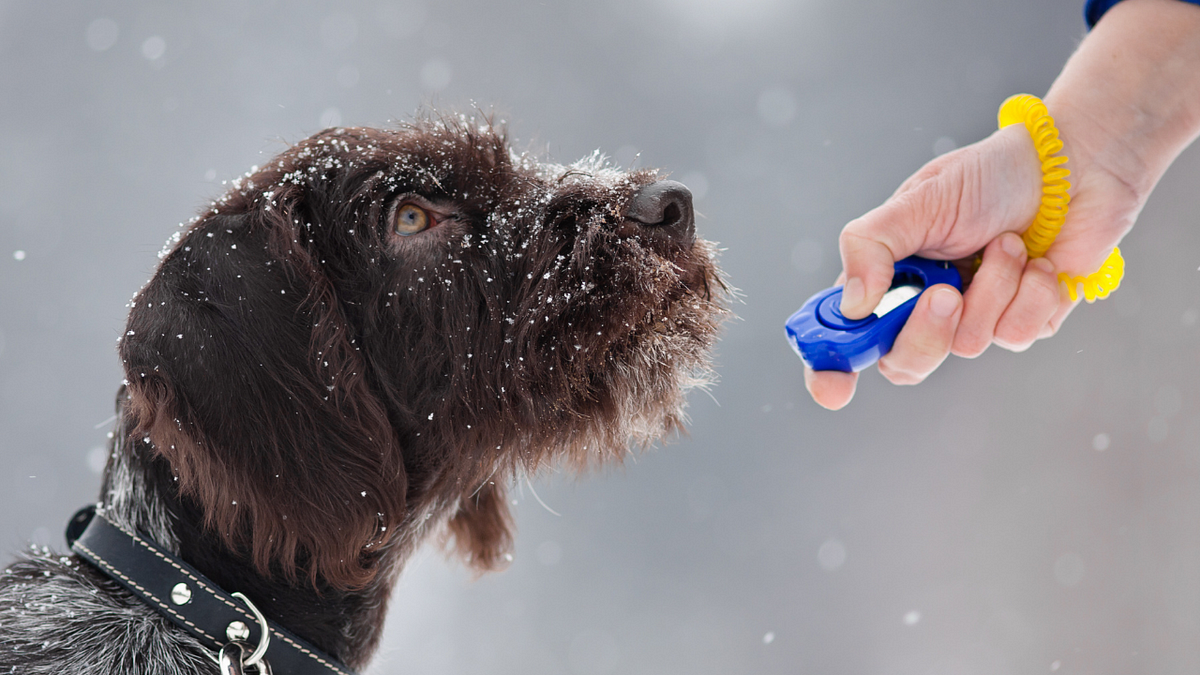
A dog clicker is a small device that produces a distinct clicking sound when pressed. This sound serves as a marker, signaling to your dog that they’ve performed the desired action correctly. Think of it as giving your dog an audible “thumbs up” at the exact moment they do something right.
Clicker training is based on positive reinforcement. Once your dog hears the click, they know a reward is coming, usually a tasty treat or affection. This encourages them to repeat the behavior. Have you ever noticed how quickly your dog responds to the rustle of a treat bag? The clicker works similarly, creating an association between the sound and the reward.
It’s important to time the click precisely. The click should occur the moment your dog performs the desired action. This accuracy helps your dog understand exactly which behavior you are rewarding. Miss the timing, and you might confuse your dog about what action earned the treat.
Components Of A Clicker
Most dog clickers are designed to be user-friendly and consist of a few simple components:
- Click Button:This is the main feature, producing the clicking sound when pressed. It’s crucial to use a clicker with a button that’s easy to press so you can deliver the click at the right moment.
- Wrist Strap:Many clickers come with a strap, allowing you to wear it on your wrist. This makes it easy to access during training sessions, ensuring you’re always ready to mark a positive behavior.
- Sound Adjustment:Some advanced clickers offer adjustable sound levels. This feature can be particularly useful if your dog is sensitive to loud noises or if you’re training in a noisy environment.
Choosing the right clicker depends on your needs and your dog’s temperament. Consider trying out a few different types to see which one works best for both of you.
Have you ever thought about how a simple click can transform your training sessions? With the right timing and consistency, a clicker can be a game-changer in effectively communicating with your dog.
Benefits Of Clicker Training
Clicker training offers many advantages for dog owners and their pets. It’s a method rooted in science and positive reinforcement. This training enhances the bond between you and your furry friend. Let’s explore how it works.
Positive Reinforcement
Clicker training uses rewards to encourage good behavior. When your dog follows a command, click and reward. This teaches them that good actions bring treats or praise. It makes learning fun and rewarding. Your dog will be eager to learn more.
Enhanced Communication
The clicker is a clear signal for your dog. It tells them exactly when they did something right. This clarity helps them understand your expectations. Miscommunication decreases. The training becomes more effective. With the clicker, both you and your dog speak the same language.
Getting Started With Clicker Training
Getting started with clicker training can be an exciting journey for both you and your dog. This positive reinforcement method makes learning fun and rewarding, creating a strong bond between you and your furry friend. Understanding the basics of clicker training will set you on the path to success, ensuring that each session is productive and enjoyable.
Choosing The Right Clicker
Not all clickers are created equal. You might find ones with varying sounds, sizes, and designs. Some clickers are louder, which might be ideal if you’re training in a noisy environment. Others have softer clicks, perfect for skittish dogs.
Test a few clickers to see which one your dog responds to best. It’s important to choose a clicker that is comfortable for you to hold and easy to activate. Consider how the clicker fits into your hand and how quickly you can press it during training.
Setting Up Training Sessions
Consistency is key to effective clicker training. Start by establishing a regular schedule for your training sessions. This helps your dog understand when it’s time to learn and focus. Keep sessions short, ideally around 10-15 minutes, to maintain your dog’s attention.
Create a distraction-free environment. You want your dog to focus solely on the task at hand. Use treats or toys as rewards immediately after the click to reinforce good behavior. What is your dog’s favorite treat? Use it as a powerful motivator!

Credit: www.calmshops.co.uk
Teaching Commands With Clicker
A dog clicker makes training easier by marking good behavior with a sound. This sound helps dogs understand commands quickly. It creates a clear connection between actions and rewards.
Teaching Commands with Clicker A dog clicker is a small device that can transform your training sessions into fun, engaging experiences. It gives a distinct sound that marks the exact moment your dog performs the desired action, helping them understand and remember commands more effectively. Imagine the joy of watching your pup master commands with ease, and it’s all thanks to this simple tool. Let’s dive into how you can teach commands using a clicker.Basic Commands
Start with basic commands that form the foundation of your dog’s training. Using a clicker, you can teach commands like “sit,” “stay,” and “come” with precision. As your dog performs the action, click immediately to signal they’ve done well, followed by a treat. Repeat the process until your furry friend associates the sound with the command. Consistency is key—practice regularly to reinforce their learning. Have you ever watched your dog respond to “sit” without hesitation? It’s a proud moment!Advanced Tricks
Once basic commands are mastered, it’s time to explore advanced tricks. With a clicker, teaching tricks like “roll over” or “shake hands” becomes a fun challenge. Break the trick into small steps, rewarding each progression with a click and treat. Gradually combine the steps to complete the trick, celebrating each milestone with enthusiasm. Imagine the excitement when your dog performs a new trick flawlessly. Have you considered creating a mini agility course at home? Dogs love challenges, and you’ll enjoy the bonding experience. A clicker is your secret weapon to unlocking your dog’s potential, one command at a time. Are you ready to take your training to the next level?Troubleshooting Common Challenges
Understanding what a dog clicker does can help improve training sessions. It serves as a sound marker, signaling correct behavior. This tool aids in reinforcing positive actions, making communication with your pet clearer and more effective.
Troubleshooting Common Challenges Training your dog with a clicker can be rewarding, but it doesn’t come without its challenges. Whether it’s overcoming your dog’s initial fear of the clicker or ensuring consistent training sessions, knowing how to troubleshoot these common issues can make the journey smoother and more enjoyable for both you and your furry friend. Let’s dive into some practical tips that can help you navigate these hurdles.Overcoming Fear Of Clicker
Some dogs might be startled by the sound of a clicker. A simple way to overcome this is by desensitizing them gradually. Start by clicking the clicker from a distance, then slowly bring it closer as your dog becomes more comfortable. Using a softer clicker or covering the clicker with a cloth to muffle the sound can also be effective. Remember, patience is key here; every dog adjusts at their own pace. Have you ever considered how your dog’s previous experiences might affect their reaction? Understanding their background can be crucial in tailoring your approach.Consistency In Training
Consistency is the backbone of successful clicker training. Create a training schedule that fits your lifestyle. Short, frequent sessions often yield better results than long, sporadic ones. It’s essential to ensure everyone in your household uses the clicker the same way. Miscommunication can lead to confusion for your dog, hindering progress. Think about how you can integrate training into everyday activities. Routine actions like feeding or going for a walk can become perfect opportunities for reinforcement.Success Stories In Clicker Training
A dog clicker is a small device that makes a clicking sound to mark desired behavior. It helps in training by signaling to dogs that they did something right, making learning faster and more effective. Success stories show how clickers can transform training sessions into positive experiences for both dogs and owners.
Success Stories in Clicker Training Clicker training has transformed how we teach dogs, making learning fun and rewarding for both pets and owners. This method has not only enhanced communication but also strengthened the bond between humans and their furry companions. Let’s dive into some real-world success stories that highlight the power of clicker training.Real-life Examples
Imagine a rescue dog named Max, who once struggled with basic commands due to his anxious nature. After a few weeks of consistent clicker training, Max not only mastered “sit” and “stay,” but his confidence soared. His owner reported a happier and more obedient pet who now eagerly participates in training sessions. In another instance, a stubborn pup named Bella was notorious for pulling on her leash. Using clicker training, her owner successfully redirected Bella’s attention, resulting in leisurely, stress-free walks. The once dreaded walk time became an opportunity for bonding and enjoyment.Testimonials From Trainers
Professional trainers often tout clicker training as a game-changer. Jane, a dog trainer with over a decade of experience, shares how clicker training turned a reactive dog into a calm and friendly companion. She emphasizes the joy of watching a dog’s transformation through positive reinforcement. Another trainer, Alex, recalls a challenging case of a hyperactive Labrador. Through clicker training, the dog learned to channel his energy into productive activities like fetching specific toys on command. Alex praises the method for its ability to engage even the most energetic dogs in a constructive way. These stories and testimonials clearly demonstrate the impact of clicker training. Have you tried clicker training with your dog? What changes did you notice?Future Of Dog Training
The future of dog training is evolving rapidly. With advancements in technology, training methods are becoming more effective and humane. Dog owners now have various tools that make training easier and more enjoyable for both pets and trainers. Understanding these future trends can help you enhance your training sessions.
Innovations In Training Tools
Technological advancements are shaping new training tools. Clickers, once simple devices, now integrate with apps. These apps track your dog’s progress, offering real-time feedback. Smart collars monitor your dog’s behavior and health. They provide insights into your pet’s well-being. These innovations make training more tailored and precise.
Expanding Training Techniques
Training techniques are expanding beyond traditional methods. Positive reinforcement is now more popular than ever. It encourages good behavior without fear or stress. Interactive games are part of new training methods. They stimulate your dog’s mind and improve focus. Group training sessions offer socialization benefits. Dogs learn better in a social setting with peers.

Credit: pupford.com
Frequently Asked Questions
How Does A Dog Clicker Work?
A dog clicker emits a distinct sound when pressed. It marks desired behaviors during training sessions. This helps dogs associate the sound with a reward. Consistent use reinforces positive behaviors. The clicker creates a clear communication channel between pet and owner.
It’s a simple yet effective training tool.
Can A Dog Clicker Improve Training?
Yes, a dog clicker can enhance training effectiveness. It offers immediate feedback, making it easier for dogs to understand desired actions. It simplifies communication between you and your dog. By reinforcing positive behavior, the clicker encourages faster learning. This results in a more enjoyable training experience.
Is A Clicker Suitable For All Dogs?
A clicker is generally suitable for most dogs. It can be used with puppies and adult dogs alike. However, some dogs may need time to adjust to the sound. Patience and consistency are key. Always consider your dog’s personality and preferences when using a clicker.
Are Clickers Easy To Use For Beginners?
Yes, clickers are beginner-friendly training tools. They require minimal setup and are simple to operate. Start by associating the click with a reward. Gradually introduce commands and behaviors. With practice, both you and your dog will find clicker training straightforward and effective.
Conclusion
Dog clickers are simple yet powerful tools for training. They help reinforce good behavior with precision. This makes learning fun for dogs and owners alike. Easy to use, clickers fit into any training routine. Consistent clicks guide dogs towards desired actions.
Positive reinforcement builds trust and strengthens bonds. It’s a rewarding experience for both sides. With patience, clicker training yields great results. Dogs learn faster and respond better to commands. This tool suits all ages and breeds. Start with small steps and enjoy the progress.
Happy training leads to happy pets!