How to Train a Dog to Potty Outside: Expert Tips
Imagine the relief of coming home to a clean, fresh-smelling house, knowing your furry friend has mastered the art of pottying outside. Training your dog to do their business outdoors is not just about cleanliness; it’s about creating harmony between you and your pet.
If you’ve ever felt the frustration of unexpected messes or the overwhelm of not knowing where to start, you’re in the right place. This guide will take you step-by-step through the process, using simple techniques that really work. You’ll discover how to communicate effectively with your dog, making the training process enjoyable for both of you.
By the end of this article, you’ll feel confident and empowered, ready to embrace the joys of pet ownership without the hassle. Ready to transform your home and strengthen your bond with your dog? Let’s dive in!
Choosing The Right Time
Selecting the right time for potty training can make a big difference. Early morning and after meals are ideal. Consistency helps your dog learn faster and prevents accidents indoors.
Choosing the right time to train your dog to potty outside is crucial for success. Timing isn’t just about when your dog needs to go; it’s also about when they’re most receptive to learning. Understanding your dog’s unique schedule can make the process smoother and more effective.Assessing Your Dog’s Age
Puppies and adult dogs have different learning capacities and bladder control. Puppies, with their small bladders, require more frequent potty breaks. Start with short intervals, gradually increasing the time as they grow. On the other hand, adult dogs might need a different approach. They may have ingrained habits that require patience to change. Consider their past experiences and be consistent with your training efforts.Understanding Potty Patterns
Every dog has its own potty pattern. Observing these patterns can help you choose the best times to take them outside. Does your dog need to go immediately after eating? Or perhaps they prefer certain spots in the yard? Keeping a potty journal can be insightful. Note the times your dog goes and any triggers that prompt them. This knowledge allows you to anticipate their needs, increasing the chances of successful potty training. Have you noticed any unexpected patterns in your dog’s routine that could help tailor your approach?
Credit: myloyalhound.com
Creating A Consistent Routine
Creating a consistent routine is crucial when training your dog to potty outside. Dogs thrive on structure, and establishing a regular schedule helps them understand when and where they should do their business. A well-maintained routine not only speeds up the training process but also reduces stress for both you and your furry friend.
Setting Regular Potty Times
Start by setting specific times during the day for potty breaks. Early morning, after meals, and before bedtime are ideal moments. Dogs have a natural urge to eliminate after sleeping, eating, and playing. Align these natural rhythms with your schedule.
Consider your dog’s age. Puppies need more frequent breaks due to their small bladders, while adult dogs can hold it longer. Adjust accordingly to meet their needs.
Keep an eye on your dog’s behavior. Signs like sniffing around or circling may indicate they need to go. Respond quickly to reinforce the schedule.
Consistency In Commands
Use clear and consistent commands during potty time. Choose a specific phrase like “go potty” or “do your business” and stick with it. This helps your dog associate the command with the action.
Always use the same tone and enthusiasm. Dogs pick up on emotional cues, and your excitement can encourage them to comply.
Reward your dog immediately after they finish. Praise or treat reinforces the behavior you want to see. Consistency in commands and rewards builds trust and understanding.
Have you considered how your tone affects your dog’s response? Experiment and observe if a change in your voice leads to quicker success.
- Be patient and give your dog time to learn.
- Don’t scold if they have accidents; redirect them calmly.
- Consistency is key for a well-trained dog.
Selecting The Ideal Potty Spot
Picking the right potty spot for your dog is crucial for successful outdoor training. Choose a quiet and consistent area, away from distractions, to encourage your dog to potty outside regularly.
Selecting the ideal potty spot for your dog is more crucial than you might think. A well-chosen area can make the training process smoother and more effective. This spot becomes a familiar territory for your furry friend, creating a routine that both of you can rely on. But what makes a potty spot “ideal”? Let’s break it down.Factors To Consider
When choosing the perfect spot, several factors come into play. Start with accessibility. The location should be easy for your dog to reach, especially during those urgent moments. Consider the time it takes to get there, as delays can result in accidents. Privacy is another important factor. Dogs, much like humans, can be shy about their bathroom habits. A secluded corner of your yard can offer the comfort they need to do their business without distractions. Think about the cleanliness and drainage of the area. Pick a spot where waste won’t accumulate and cause unpleasant odors or hygiene issues. Grass is a popular choice because it absorbs liquids well and is easy to clean.Training The Dog To Recognize The Spot
Once you’ve selected the perfect spot, the next step is training your dog to recognize and use it consistently. Begin by leading your dog to the designated area on a leash whenever it’s time to go out. Consistency is key here. The more often you guide them to the spot, the quicker they’ll associate it with potty time. Use positive reinforcement to encourage your dog. Praise them lavishly or give them a small treat each time they successfully use the spot. This creates a positive association and reinforces the behavior you want to see. Have you ever noticed how dogs tend to sniff around before choosing a place to go? This is their way of checking if the area is “marked.” Encourage this behavior by leaving a small scent trail—perhaps a piece of soiled paper or a previous deposit. This helps signal to your dog that this is their special spot. Training your dog to potty outside can be a rewarding journey. With patience and practice, you’ll both enjoy the freedom and cleanliness that comes with a well-trained pet. Have you found a spot that works wonders for your dog? Share your experiences in the comments!
Credit: cl.pinterest.com
Using Positive Reinforcement
Training a dog to potty outside involves rewarding good behavior consistently. Offer treats and praise when your dog successfully goes outside. This positive reinforcement helps your pet associate outdoor pottying with rewards, encouraging them to repeat the behavior.
Using positive reinforcement is a popular way to train dogs. This method encourages good behavior with rewards. It helps strengthen the bond between you and your furry friend. Training becomes a fun and rewarding experience for both. Positive reinforcement is not only effective but also humane.Rewards And Praise
Dogs love rewards. Treats, toys, or affection can motivate them. Every time your dog potties outside, give a reward. Praise with an enthusiastic voice. Make your dog feel special. This tells them they did a good job. Keep treats small and healthy. Use them immediately after the action.Avoiding Punishment
Punishment can cause fear and confusion. It may harm your relationship with the dog. Focus on rewarding good behavior instead. If accidents happen indoors, clean them without scolding. Stay calm and consistent. Guide your dog outside when needed. Positive methods encourage trust and understanding.Handling Accidents Indoors
Accidents indoors can be reduced by teaching your dog to potty outside. Begin with consistent potty breaks and praise them when they succeed. Use clear commands and maintain a routine to reinforce learning.
Handling accidents indoors is a common hurdle when training your dog to potty outside. It can be frustrating, but patience and consistency are key. Accidents happen, and how you handle them can make a significant difference in your dog’s learning process. If you react with anger or frustration, your dog may become anxious, which can lead to more accidents. Instead, focus on creating a positive and encouraging environment. Here’s how you can effectively manage indoor accidents to guide your dog towards success.Effective Cleanup Techniques
Cleaning up after an accident doesn’t just mean removing the mess; it’s about eliminating the scent to prevent repeat offenses. Use an enzyme-based cleaner that breaks down odors at the molecular level. Avoid ammonia-based cleaners. Ammonia smells like urine to your dog, which can attract them back to the same spot. Another tip: blot, don’t rub the area. Rubbing can push the mess deeper into the carpet fibers, making it harder to clean.Preventing Future Accidents
Prevention starts with understanding your dog’s signals. Watch for signs like sniffing, circling, or whining and take them outside immediately. Consistent bathroom breaks are essential. Create a schedule that aligns with their eating and drinking habits. Consider using a bell or other signal at the door. This can help your dog communicate their need to go outside, minimizing the chances of indoor accidents. Have you tried rewarding your dog when they do their business outside? Positive reinforcement can be a powerful motivator. A treat or a favorite toy can reinforce good behavior and help them learn faster. Finally, remember to be patient. Every dog learns at their own pace, and with time, your dog will understand that outside is the place to go.Addressing Common Challenges
Training your dog to potty outside can sometimes feel like an uphill battle, especially when you encounter a few common challenges. These obstacles can range from reluctance to step outside to a genuine fear of the outdoors. Understanding and addressing these issues is crucial for a successful training experience. Let’s dive into how you can tackle these challenges head-on.
Dealing With Reluctance
Is your dog giving you the cold shoulder when it’s time to head outside? Reluctance can stem from several factors, such as unfamiliarity with the outdoor environment or a preference for the cozy indoors. Have you ever noticed how your dog perks up at the sound of their favorite toy? Use this enthusiasm to your advantage. Try incorporating playtime into outdoor potty breaks to create a positive association. This simple trick can transform a hesitant pup into an eager participant.
Consistency is key. Create a routine that includes regular potty breaks and stick to it. If your dog knows what to expect, they’ll be more likely to cooperate. Additionally, reward them with treats and praise when they successfully potty outside. This positive reinforcement can work wonders in shifting reluctance to excitement.
Overcoming Fear Of Outdoors
Some dogs may experience anxiety about the outdoors, especially if they’re new to the environment. Have you ever considered how overwhelming a bustling street or loud noises can be for your furry friend? Start by introducing them to quieter, less intimidating outdoor spaces. This gradual exposure helps build their confidence and reduces fear.
Think about creating a safe zone for your dog outside. Bring familiar items like their bed or favorite blanket to the outdoor space to make it feel more like home. This can ease their transition and make them more comfortable. Observe your dog’s behavior closely; this will help you identify specific triggers and address them accordingly.
Have you tried leading by example? Sometimes, simply being outside with your dog and showing them there’s nothing to fear can be reassuring. Your presence can be a source of comfort and encouragement, helping them overcome their fear of the unknown.
Utilizing Training Tools
Training tools simplify the process of teaching dogs to potty outside. Reward-based systems encourage positive behavior and create effective routines. Consistent use helps dogs understand the desired actions quickly.
Training your dog to potty outside can be a rewarding yet challenging experience. Utilizing training tools effectively can make this process smoother and more efficient. These tools not only assist in communication but also reinforce positive behavior, ensuring your furry friend understands where and when it’s appropriate to go. Let’s dive into some essential training tools that can aid in this journey.Leashes And Harnesses
Leashes and harnesses are fundamental tools in potty training. They provide control, ensuring your dog stays focused during potty breaks. A secure harness can prevent pulling and discomfort, making the experience pleasant for both you and your pet. During training sessions, keep the leash short to guide your dog to the designated potty area. This consistency helps them associate the specific spot with bathroom time. Have you ever noticed how your dog is more attentive when on a leash? This focused attention is a great opportunity to reinforce commands and expectations.Potty Training Bells
Potty training bells are an innovative way to communicate with your dog. These bells are hung near the door and are rung by your dog when they need to go outside. Training your dog to use bells can minimize accidents and teach them to alert you when nature calls. Begin by ringing the bell yourself each time you take your dog out for a potty break. Over time, encourage them to nudge the bell with their nose or paw. Have you ever thought about how empowering it is for your dog to communicate their needs? This tool not only aids training but strengthens your bond with your pet. Incorporating these tools into your potty training routine can transform the process from frustrating to fun. Remember, patience and consistency are key. What other creative tools have you considered to enhance your dog’s potty training experience?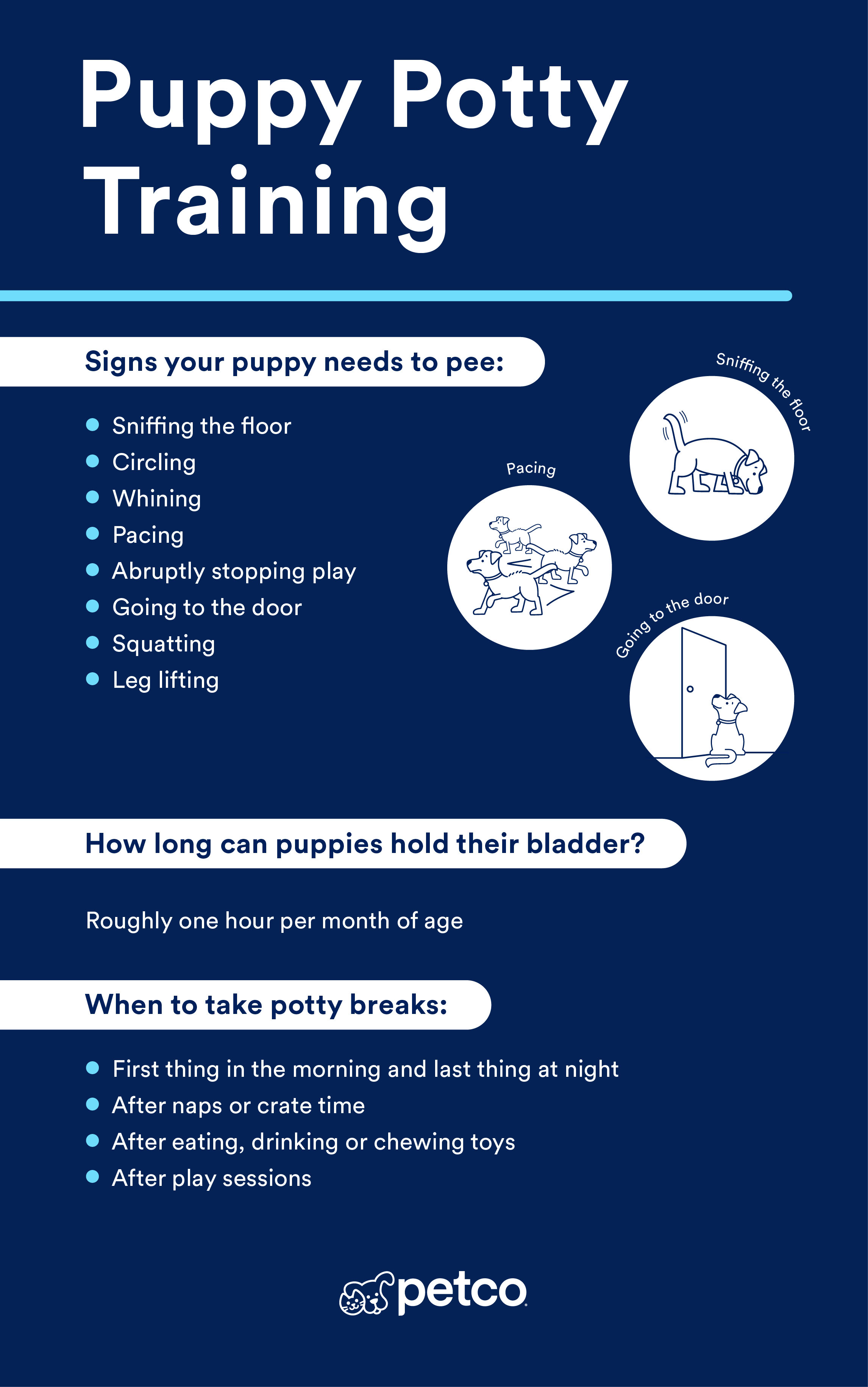
Credit: www.petco.com
Consulting A Professional
Training a dog to potty outside can be challenging. Some dogs might not respond to basic methods. In such cases, consulting a professional can be beneficial. A trained expert can offer guidance and tailor strategies for your pet. Let’s dive deeper into when and how to choose a professional dog trainer.
When To Seek Help
If your dog frequently has accidents inside, it might be time to seek help. Consistent indoor potty incidents can be stressful. If you’ve tried various methods without success, consider a professional. Dogs with anxiety might need expert assistance. A trainer can help address these issues effectively.
Choosing The Right Trainer
Finding the right trainer is crucial for success. Look for trainers with good reviews. Check their qualifications and experience. It’s important they use positive reinforcement techniques. Avoid trainers who rely on punishment or harsh methods. A good trainer will communicate clearly with both you and your dog.
Frequently Asked Questions
How Long To Train A Dog To Potty Outside?
Training duration varies by dog. Most dogs learn within weeks. Consistency and patience are key. Regular schedules help them adapt quickly. Some dogs may need more time, especially puppies. Positive reinforcement accelerates learning. Adjust training methods as needed.
Why Is My Dog Not Potty Trained Yet?
Several factors affect potty training. Inconsistent schedules confuse dogs. Lack of positive reinforcement hinders learning. Medical issues may cause accidents. Puppies require extra patience and time. Adjust training methods for stubborn dogs. Consult a vet if problems persist.
What Age To Start Potty Training A Puppy?
Start potty training at eight weeks old. Puppies learn quickly at this age. Establish a routine immediately. Use positive reinforcement consistently. Be patient and consistent. Early training prevents bad habits. Adjust methods based on puppy’s progress.
How To Deal With Potty Training Accidents?
Stay calm during accidents. Clean mess thoroughly to remove scent. Use enzymatic cleaners for effective results. Reinforce correct behavior immediately. Avoid punishment. Adjust training methods if accidents persist. Consistency and patience are crucial for success.
Conclusion
Training a dog to potty outside takes patience and consistency. Start with a routine. Praise your dog for every success. Keep commands simple and clear. Don’t rush the process. Be patient and gentle. Accidents will happen sometimes. Stay calm and positive.
Your dog will learn over time. Make outdoor potty time a fun experience. Reward your dog with treats and love. Soon, your dog will understand. Outdoor potty training strengthens your bond. Enjoy the journey together. A well-trained dog is happy and confident.
Keep nurturing that trust. Celebrate small victories every day. Your dog appreciates your effort and guidance.


