What is a Reactive Dog: Understanding Canine Behavior
Do you find yourself feeling anxious during walks with your dog, constantly on high alert for other dogs, people, or any unexpected distractions? If so, you might be dealing with a reactive dog.
Understanding what a reactive dog is can be the first step towards fostering a more peaceful environment for both you and your furry friend. But what exactly does it mean for a dog to be reactive, and how can you manage this behavior effectively?
By diving into the world of reactive dogs, you’ll discover practical insights and actionable tips to transform those stressful walks into enjoyable experiences. Are you ready to unlock the potential of a harmonious relationship with your canine companion? Keep reading to uncover everything you need to know.
Reactive Dog Characteristics
Reactive dogs often display heightened sensitivity to stimuli. Loud noises, unfamiliar people, or other animals can trigger reactions. They might bark, lunge, or become anxious, showing discomfort in certain situations.
Reactive dogs exhibit a range of characteristics that can sometimes puzzle or even frustrate their owners. Understanding these traits can help you manage your dog’s behavior better. They aren’t necessarily aggressive; they’re just responding to stimuli in a way that’s more intense than other dogs.Signs Of Reactivity
Reactivity can manifest in various ways, and being aware of these signs can help you identify them early. Common signs include barking excessively, lunging at people or other animals, and whining. Some dogs might even growl or pace nervously when they feel overwhelmed. A friend once shared how her otherwise calm dog would suddenly bark and pull on the leash whenever they encountered a cyclist. This was a sign of reactivity, and recognizing it allowed her to work on desensitization techniques. Have you noticed similar behaviors in your dog?Common Triggers
Certain stimuli can set off a reactive dog, and knowing these can help you manage situations better. Common triggers include strangers, other dogs, bicycles, and loud noises. My own dog used to be triggered by the sound of fireworks. Every New Year’s Eve was a challenge until I started preparing him with calming exercises and creating a safe space. What triggers have you noticed that send your dog into a frenzy? Understanding these characteristics and triggers is crucial. It allows you to anticipate your dog’s reactions and work on calming strategies to improve your dog’s quality of life and your own.Causes Of Reactivity
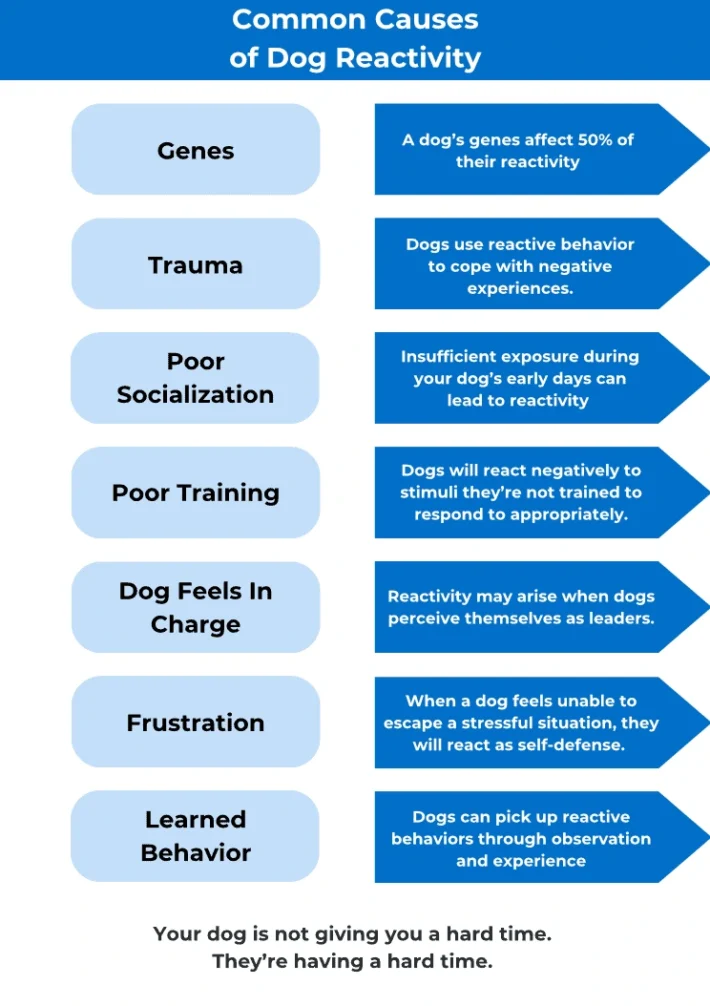
Reactive dogs often respond intensely to stimuli like other dogs, people, or noises. Fear, frustration, or lack of socialization can trigger these reactions. Understanding the underlying causes helps in managing and training reactive dogs effectively.
Reactive dogs often show intense responses to stimuli. Understanding the causes helps manage their behavior. Reactivity can stem from various factors, each influencing the dog’s response.Genetic Factors
Some dogs inherit traits that make them more sensitive. Breed characteristics play a role. Certain breeds are more prone to reactivity. Genetics can dictate a dog’s temperament. A dog’s lineage may influence its behavior significantly.Environmental Influences
The surroundings impact a dog’s behavior. Crowded places can stress dogs. Loud noises might trigger reactions. Lack of socialization affects their response to others. An unstable environment can lead to heightened reactivity.Past Experiences
A dog’s history shapes its behavior. Negative encounters leave a lasting mark. Traumatic events influence a dog’s response. Lack of positive experiences can lead to fearfulness. Past neglect may contribute to a dog’s anxiety.Types Of Reactivity
Understanding the types of reactivity in dogs is crucial for owners. Reactivity can manifest in various ways, affecting how dogs interact with their environment. Identifying the type of reactivity helps in managing behaviors effectively.
Fear-based Reactivity
Fear-based reactivity occurs when a dog feels threatened. Common triggers include unfamiliar people, loud noises, or sudden movements. Dogs may bark, lunge, or attempt to flee. This type of reactivity stems from insecurity or past trauma. Building confidence through positive experiences can help.
Frustration Reactivity
Frustration reactivity arises when a dog can’t reach a desired object or goal. It often happens on walks. Dogs might bark or pull on their leash. This is due to blocked access to something exciting. Training and patience can alleviate frustration reactivity.
Aggression Reactivity
Aggression reactivity is the most intense form. Dogs may growl, snap, or bite. This behavior is driven by a perceived threat or territorial instinct. Understanding triggers is key to managing aggression. Professional help may be necessary for severe cases.
Credit: theonlinedogtrainer.com
Impact On Daily Life
Reactive dogs can affect daily life by requiring careful planning for walks and social interactions. Their unpredictable behavior demands constant vigilance to avoid triggers, making outings more stressful. Adjusting routines becomes essential to manage their responses and ensure safety.
Living with a reactive dog can significantly affect your daily life. These dogs are often quick to react to various stimuli such as strangers, other animals, or unfamiliar environments. Understanding the impact on your routine is crucial for both your well-being and your dog’s.Socialization Challenges
Socializing a reactive dog presents unique challenges. You might find yourself avoiding dog parks or crowded areas to minimize your dog’s stress. This can limit your social interactions and make it difficult for your dog to learn positive behaviors. Meeting new people or animals requires careful planning. You’ll likely need to create controlled environments for introductions. This could mean meeting in quiet areas or inviting friends over one at a time.Exercise And Walks
Taking a reactive dog for a walk is often more than just a leisurely stroll. You must be alert to potential triggers at all times. A simple walk can become a tactical exercise in avoidance and distraction. Using specific routes that are less crowded can help. Some owners find early morning or late evening walks less stressful. Are you willing to adjust your schedule for a more peaceful experience?Living With Other Pets
If you have other pets, integrating a reactive dog can be tricky. Your household dynamics might change, requiring separate spaces or staggered routines. Patience and consistent training are key in maintaining harmony. It’s possible for reactive dogs to live peacefully with other pets. However, constant supervision and gradual introductions are essential. Have you considered seeking professional help for a smoother transition? Daily life with a reactive dog demands patience and adaptability. By understanding and planning for these challenges, you can create a more harmonious environment for both you and your pet.Managing A Reactive Dog
Reactive dogs often respond intensely to certain stimuli, like other dogs or strangers. These reactions can include barking, lunging, or growling. Understanding their behavior helps in managing their responses effectively.
Managing a reactive dog can be challenging but rewarding. Understanding your dog’s triggers is essential. It helps in addressing their reactions effectively. Reactive dogs often respond to specific stimuli, which can include other dogs, people, or noises. Managing these responses requires patience and consistency. It’s crucial to ensure your dog feels safe and secure. With the right techniques, you can improve your dog’s behavior and quality of life.Training Techniques
Training techniques help in minimizing reactions. Consistent training builds trust and confidence. Use positive reinforcement to encourage desired behaviors. Reward your dog when they stay calm around triggers. Short, frequent training sessions work best. They keep your dog engaged without overwhelming them. Practice commands like “sit” and “stay” regularly. These commands help in controlling reactions during stressful situations.Behavior Modification
Behavior modification focuses on changing the dog’s reaction. It’s about teaching the dog to respond differently. Gradual desensitization is a key method. Introduce triggers slowly and at a distance. Increase exposure gradually as your dog becomes comfortable. Redirecting attention is another effective technique. Use toys or treats to shift focus away from the trigger. Consistency is vital for successful behavior change.Stress Reduction Strategies
Reducing stress can decrease reactivity. A calm environment helps your dog relax. Provide a safe space where your dog can retreat. Regular exercise is essential for stress relief. Physical activity releases pent-up energy and tension. Mental stimulation also plays a crucial role. Puzzle toys and interactive games keep your dog mentally engaged. A balanced routine of activity and rest supports emotional well-being.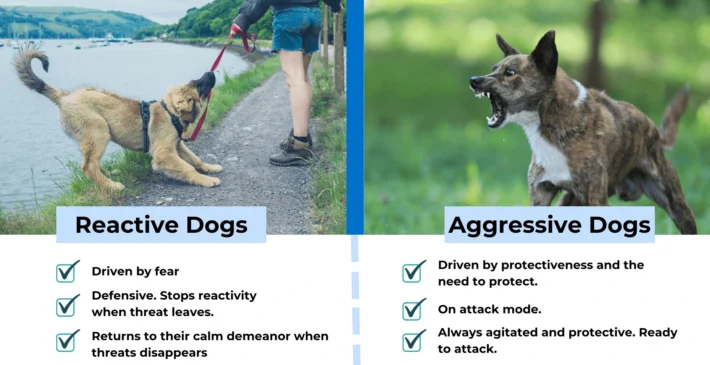
Credit: theonlinedogtrainer.com
Seeking Professional Help
Reactive dogs often show strong responses to certain stimuli, such as other dogs or strangers. Professional help can guide owners in managing these behaviors effectively, ensuring a more peaceful environment for both the dog and its family.
Seeking professional help can be a game-changer for you and your reactive dog. It’s not just about addressing your pet’s behavior but also about empowering you with the skills to handle challenging situations. Understanding when and how to seek assistance can make all the difference in your journey towards a calmer, more enjoyable life with your furry friend.When To Consult A Trainer
Recognizing the signs early can save you and your dog from unnecessary stress. If your dog’s reactivity is escalating or becoming unmanageable, it’s time to seek professional guidance. Consistent triggers that result in intense reactions are indicators that a trainer’s expertise is needed. Consider the safety of both your dog and others. If your dog’s behavior poses a risk, immediate action is crucial. Even if you’re unsure, consulting a trainer can provide clarity and peace of mind.Choosing The Right Professional
Finding the right trainer is key. Look for professionals who specialize in reactive dogs. They should use positive reinforcement methods and have a proven track record. Ask for recommendations and read reviews. Personal experiences from other dog owners can provide valuable insights into a trainer’s effectiveness. Trust your instincts; a good trainer should feel like a partner in your journey. Engage with potential trainers before committing. Discuss your dog’s specific issues and listen to their approach. Their understanding and communication style should align with your expectations and comfort level.Preventing Reactivity
Reactive dogs often overreact to certain triggers like other dogs or loud noises. They may bark, lunge, or growl. Preventing reactivity involves training and socializing to help them remain calm in these situations.
Preventing reactivity in dogs is crucial for maintaining a peaceful and fulfilling relationship with your furry friend. By addressing potential triggers early on, you can help your dog become more confident and less likely to react negatively. Understanding the importance of prevention can make a world of difference for both you and your pet.Early Socialization
Early socialization plays a pivotal role in preventing reactivity. Introducing your dog to various environments, people, and other animals can help them develop a calm demeanor. A well-socialized puppy is less likely to be startled by new experiences. Consider taking your puppy to a local dog park or arranging playdates with other dogs. This exposure helps them learn how to interact appropriately. By doing this in a controlled manner, you can ensure positive experiences.Positive Reinforcement
Positive reinforcement is a powerful tool in shaping your dog’s behavior. Rewarding your dog for calm and relaxed behavior reinforces the idea that staying calm is beneficial. Treats, praise, and play can all be effective rewards. Imagine your dog calmly watching a passing cyclist. Reward them immediately to associate the experience with positivity. This helps your dog learn that non-reactive behavior is desirable.Consistent Routines
Dogs thrive on consistency, and maintaining a routine can greatly aid in preventing reactivity. When your dog knows what to expect, they’re less likely to feel anxious or threatened. Consistent mealtimes, walks, and play sessions create a sense of security. Have you noticed how your dog becomes excited when you reach for the leash? This shows how quickly they learn routines. Establishing predictable patterns helps them understand what behavior is expected. By focusing on these practical strategies, you can effectively prevent reactivity in your dog. What steps will you take today to ensure your dog’s calm future?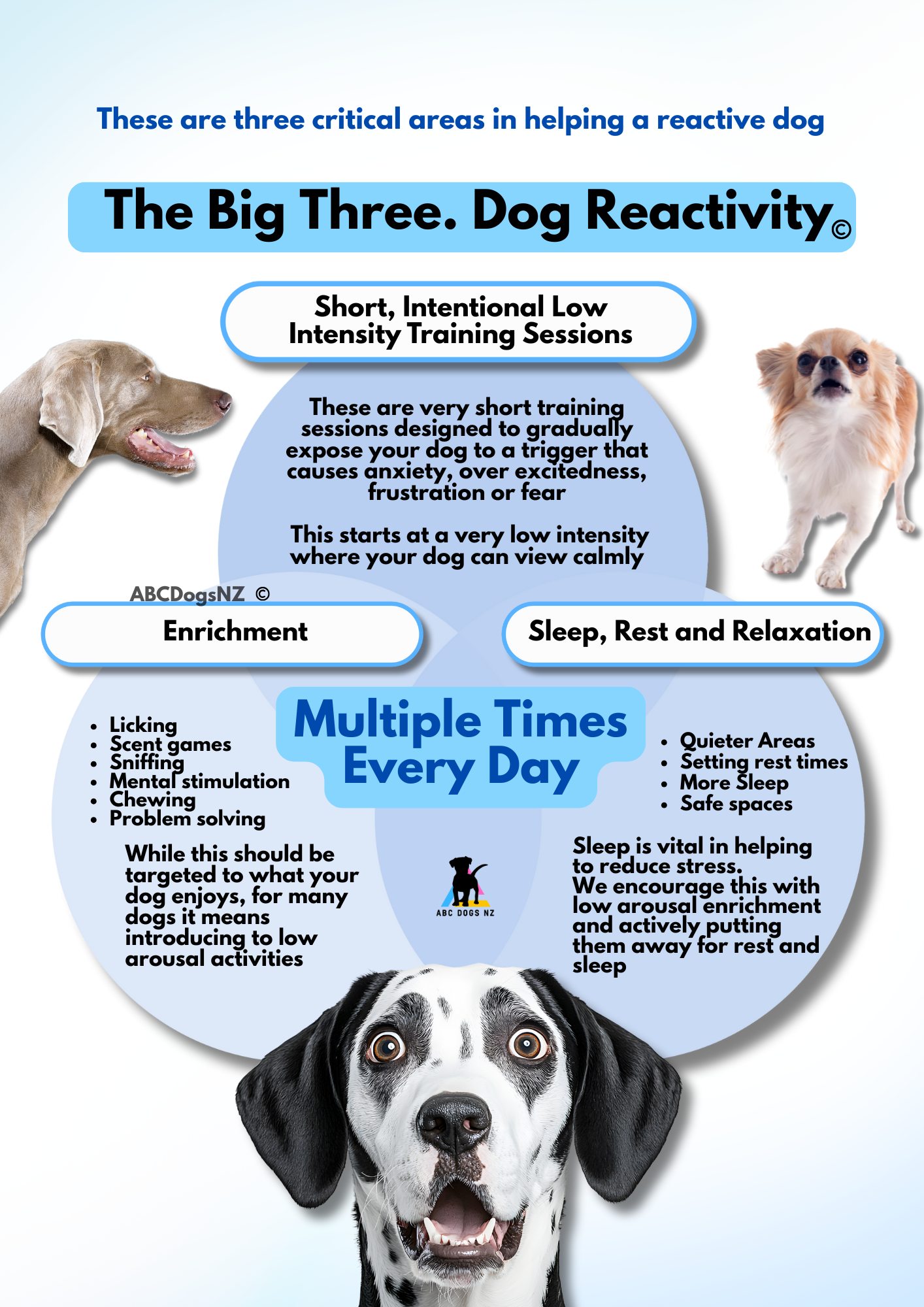
Credit: www.facebook.com
Frequently Asked Questions
What Is A Reactive Dog Behavior?
Reactive dog behavior refers to a heightened response to stimuli. This can include barking, lunging, or growling at other dogs, people, or objects. Such behavior is often due to fear, anxiety, or frustration. Understanding this behavior can help in managing and training reactive dogs effectively.
Why Do Dogs Become Reactive?
Dogs become reactive due to a variety of reasons, including fear, lack of socialization, or past trauma. Genetics can also play a role in a dog’s reactivity. Identifying the root cause is crucial for effective training and management. Professional guidance can help in addressing these issues.
How Can I Calm A Reactive Dog?
Calming a reactive dog involves consistent training and positive reinforcement. Avoid triggering situations and gradually desensitize your dog to stimuli. Use calm commands and rewards for good behavior. Patience and consistency are key in helping your dog become less reactive over time.
Are Reactive Dogs Aggressive?
Reactive dogs are not always aggressive. Reactivity often stems from fear or anxiety rather than aggression. However, without proper training, reactivity can escalate to aggression. Understanding the distinction is important for implementing appropriate behavior modification strategies.
Conclusion
Understanding reactive dogs is vital for pet owners. These dogs need patience and care. Triggers like strangers or noises can upset them. Training helps manage their reactions. Consistent efforts make a difference. Building trust is crucial. Positive reinforcement works best.
Remember, each dog is unique. Spend time learning their needs. Support from professionals can be helpful. Taking small steps brings big changes. Always stay calm and supportive. Your dog’s comfort is the priority. With love and care, progress is possible.
Keep learning and adapting. Your furry friend will appreciate it.