How to Use a Dog Training Clicker: Master Pet Training
Senior Canine Nutritionist & Dog Behavior Specialist at Cozy Dog Go Wellness Lab
Imagine having a secret weapon in your pocket that can transform your dog’s behavior almost like magic. This isn’t some mysterious gadget from a superhero film—it’s something you can easily use every day: a dog training clicker.
If you’re looking to improve your dog’s obedience, or even just teach them a fun new trick, a clicker might be the game-changer you’ve been searching for. It’s simple, effective, and can make training sessions a joyful experience for both you and your furry friend.
Ready to discover how this little tool can make a big difference in your dog’s training? Let’s dive into the world of clicker training and unlock your pet’s potential.
Benefits Of Clicker Training
Using a dog training clicker makes training efficient and fun. It provides clear communication and encourages positive behavior.
Clicker training is a popular method for teaching dogs new behaviors and reinforcing good habits. It relies on a small device that makes a distinct clicking sound, which serves as a signal to your dog that they’ve done something right. The benefits of clicker training are numerous, and they can significantly enhance your training sessions.Improved Communication
Clicker training allows you to communicate with your dog in a clear and concise manner. The sound of the clicker is consistent and can be heard from a distance, making it an effective tool for reinforcing commands. Imagine being at the park where the hustle and bustle might drown out your voice. A clicker cuts through the noise, letting your dog know they’ve nailed the trick.Faster Learning
Dogs learn faster with clicker training because it provides immediate feedback. When your dog hears the click, they know they’ve done the right thing and can expect a treat. This instant recognition speeds up the learning process. Consider how quickly they pick up on sitting when they hear that click right as their bottom touches the ground.Positive Reinforcement
Clicker training is rooted in positive reinforcement, which builds a stronger bond between you and your dog. By focusing on rewarding good behavior, your dog will be more eager to learn and please you. It’s empowering for your dog to know what they did right and to be rewarded for it, fostering a positive learning environment.Consistency
Consistency is key in dog training, and a clicker provides that. The sound is always the same, unlike verbal cues that can vary in tone or volume. This consistency helps your dog understand exactly what is expected of them. Think about how your dog might get confused if your voice is tired or excited; the clicker remains neutral and clear.Versatility
Clicker training isn’t limited to basic commands; it’s versatile enough for complex tricks and behaviors. Whether you’re teaching your dog to roll over or fetch the newspaper, the clicker can be adapted to any training scenario. Have you considered teaching your dog agility skills? The clicker is perfect for marking those precise actions needed in a fast-paced environment.Non-invasive
Clicker training is gentle and non-invasive, making it suitable for dogs of all ages and temperaments. It eliminates the need for physical corrections and focuses on encouragement rather than discipline. This approach is particularly beneficial for shy or sensitive dogs who might not respond well to traditional training methods.Enhanced Focus
Using a clicker can improve your dog’s focus during training sessions. The sound draws their attention and keeps them engaged, making each session more productive and enjoyable for both of you. Have you ever noticed how your dog perks up at the sound of a clicker? It’s like tuning into their favorite radio station, ready for the next beat.Confidence Building
Clicker training boosts your dog’s confidence by celebrating their successes. Every click signifies a job well done, encouraging your dog to try new things and trust their abilities. Imagine the pride in your dog’s eyes when they master a new trick thanks to the consistent rewards of clicker training.Easy To Use
Clicker training is easy to learn and implement, even for novice dog owners. With a bit of practice, you’ll find it straightforward to incorporate clicks into your routine, making training a breeze. Why not start with something simple like teaching your dog to sit or stay? The clicker will guide you both through the process smoothly.
Credit: k9connoisseur.com
Choosing The Right Clicker
Selecting the perfect dog training clicker enhances your training sessions. It ensures clear communication with your pet. Look for a clicker that fits comfortably in your hand and makes a distinct sound. This aids in reinforcing positive behaviors effectively.
Choosing the right dog training clicker can make a significant difference in the effectiveness of your training sessions. A good clicker should feel comfortable in your hand and produce a distinct sound that your dog can easily recognize. This simple tool can transform the way you communicate with your furry friend, turning training into a fun and rewarding experience.Sound And Tone
The sound produced by a clicker is its most crucial feature. You want a clicker with a clear, consistent tone that is easily distinguishable from other noises. Some clickers offer adjustable tones, which can be beneficial if your dog is sensitive to certain sounds.Size And Comfort
Consider how the clicker feels when you hold it. It should be easy to grip and operate with one hand. A compact design can fit conveniently into your pocket, making it handy during walks or park outings.Durability
A durable clicker will last through countless training sessions. Look for ones made from sturdy materials that can withstand drops and daily wear. A well-constructed clicker can become a long-term training companion.Additional Features
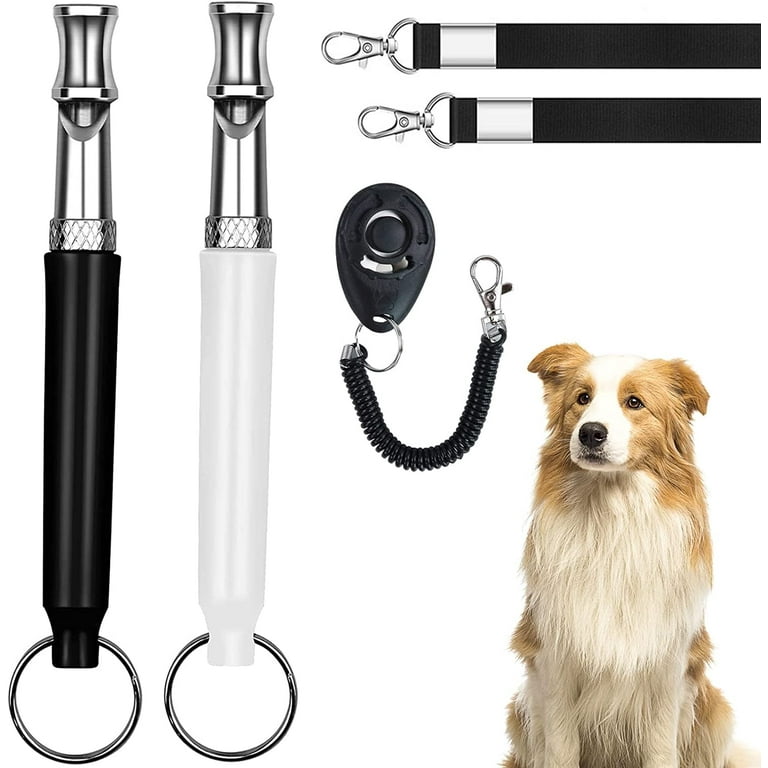
Some clickers come with additional features like wrist straps or built-in flashlights. These can add convenience to your training routine. Consider if these extras align with your training needs and environment.Cost And Value
While clickers are generally affordable, prices can vary. More expensive models might offer extra features or enhanced durability. Decide what features are essential to you and choose a clicker that offers the best value for your budget. By carefully selecting the right clicker, you lay the foundation for successful and enjoyable training sessions with your dog. Which feature do you think will be most beneficial for you and your furry friend?Getting Started With Clicker Training
Getting started with clicker training can be fun and rewarding. This method uses a small device to make a clicking sound. It helps your dog learn new behaviors quickly. Clicker training is effective because it provides clear communication. Your dog will know exactly when they did something right. Let’s explore the basics.
Introducing The Clicker To Your Dog
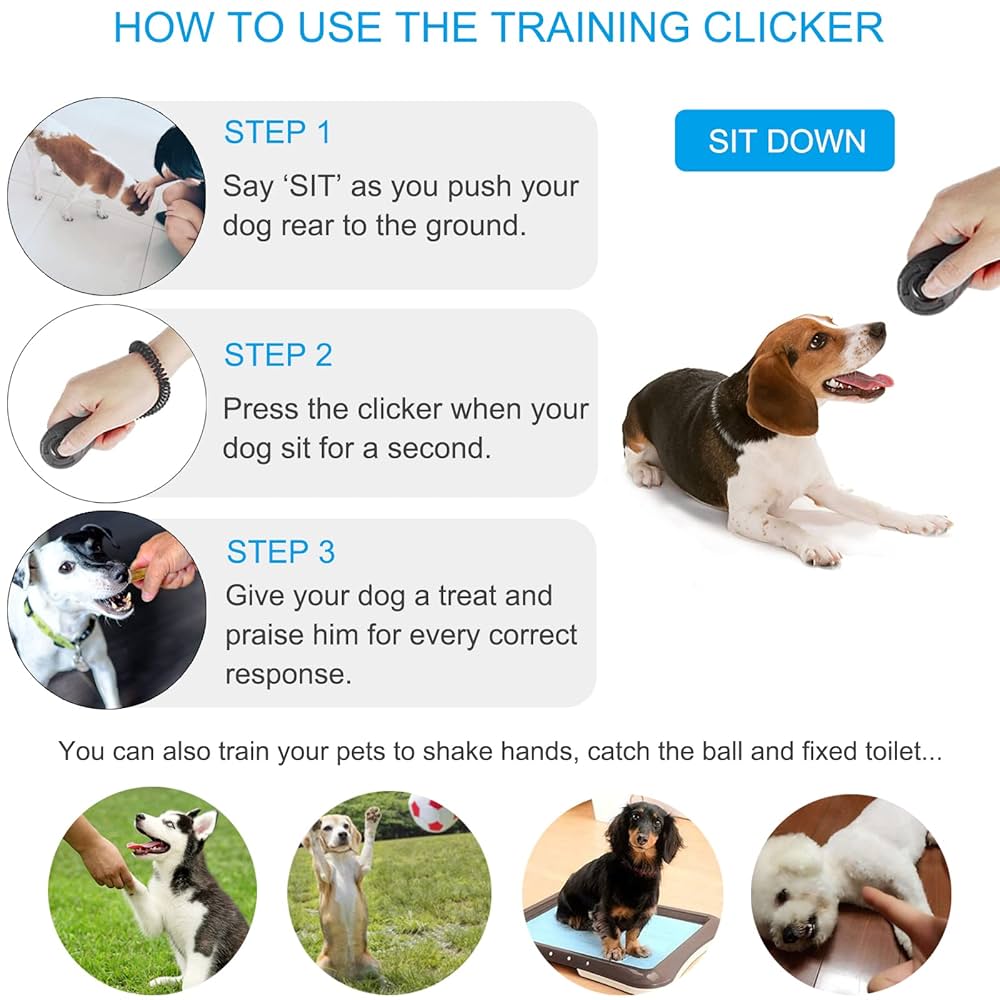
Start by showing your dog the clicker. Let them sniff and see it. Once they are curious, press the clicker to make a sound. Your dog might be surprised at first. That’s okay. Repeat this step until they are comfortable with the sound. Keep sessions short and positive.
Establishing The Clicker-reward Connection
Next, connect the clicker sound to a reward. Click the device, then give a treat immediately. This teaches your dog that a click means a reward is coming. Do this several times to build a strong link. Consistency is key. This process is the foundation for further training. Reward your dog every time you click. Soon, they will understand the connection. Your dog will become more eager to learn.

Credit: pupford.com
Basic Commands With Clicker
Training a dog with a clicker enhances communication. Click when your dog performs a desired action, then reward. Repeat for consistency, helping your pet understand commands efficiently.
Sit Command
Stay Command
Come Command
Advanced Clicker Techniques
Advanced clicker techniques can deepen your dog’s learning. They involve more complex methods. These methods require patience and practice. But the results can be rewarding. They help in building a stronger bond. Your dog learns new tricks and behaviors. Below are some advanced techniques to try.
Target Training
Target training uses a specific object. This object guides your dog’s movements. First, choose a target like a stick or a ball. Hold the target in front of your dog. Click and reward when your dog touches it. Repeat this process to reinforce behavior.
Gradually, increase the distance. Encourage your dog to follow the target. Use the clicker to mark success. This technique can teach more complex commands. Such as moving to a specific spot. Or even turning on a light switch.
Shaping Behaviors
Shaping involves breaking down a behavior. Break it into smaller parts. Reward each small step. For example, teaching your dog to roll over. Start with your dog lying down. Click and reward for lying down.
Next, encourage your dog to lie on its side. Use the clicker for each step. Gradually, your dog will complete the full roll. Shaping requires patience. But it’s effective for complex behaviors.

Credit: www.calmshops.co.uk
Troubleshooting Common Issues
Training your dog with a clicker can be incredibly rewarding, but like any tool, it comes with its own set of challenges. You might find yourself facing some common hurdles, such as your dog being scared of the clicker or getting distracted during training sessions. These issues can be frustrating, but with a little patience and some practical strategies, you can overcome them and make the most of your training efforts.
Overcoming Clicker Fear
It’s not uncommon for dogs to be initially startled by the sound of a clicker. This can hinder the training process if not addressed quickly. Start by associating the clicker sound with positive experiences. Click the device and immediately offer a treat, repeating this several times until your dog begins to associate the click with something good.
If the click sound is too sharp, try wrapping the clicker in a small cloth to muffle it. This can help ease your dog’s fear as they gradually get accustomed to the noise. Consistency is key; make sure to click and treat frequently to build positive associations.
Dealing With Distractions
Training in a distraction-filled environment can be challenging. To effectively use a clicker, find a quiet space where your dog can focus solely on you. Gradually introduce distractions by moving to different locations, like a quiet park, and slowly increase the level of distraction as your dog’s focus improves.
Utilize high-value treats that your dog really loves when introducing distractions. This will help maintain their attention on you despite the surrounding environment. Remember, patience is vital; if your dog gets distracted, calmly bring their attention back to you and continue the session.
Are there particular distractions that seem to disrupt your training more than others? Identifying these can help tailor your approach and strengthen your dog’s ability to concentrate. Addressing these common issues can significantly improve your clicker training experience, leading to a well-behaved and happy dog.
Maintaining Training Consistency
Using a dog training clicker helps reinforce positive behavior consistently. Click when the dog does something right, then reward. This simple technique aids in maintaining training consistency and improves communication with your pet.
Maintaining training consistency is crucial when using a dog training clicker. It’s the backbone of effective learning and helps your dog understand and remember commands. Consistent training fosters trust and strengthens your bond with your furry friend. It’s not just about the repetition; it’s about creating a routine that both you and your dog can enjoy and rely on. So, how can you maintain this consistency? Let’s dive into two key aspects: regular practice and adjusting training sessions.Regular Practice
Regular practice is the cornerstone of consistency. Aim to practice daily with your dog, even if it’s just for a few minutes. Short, focused sessions can be more effective than long, sporadic ones. They keep your dog engaged and eager to learn. Set aside a specific time each day for training. This helps establish a routine, making it easier for your dog to anticipate and prepare for learning. What time of day works best for you? Morning before work or evening after dinner? Choose what fits your schedule and stick to it.Adjusting Training Sessions
Every dog is unique, and so is their learning pace. Adjust your training sessions based on your dog’s progress and mood. If your dog seems distracted or bored, try breaking the session into smaller parts. Introduce variety by changing locations or adding new commands to keep things exciting. Recognize when your dog is tired or losing interest. It’s okay to cut a session short if it means maintaining a positive experience. Have you noticed your dog responds better at certain times or in specific environments? Use those insights to tailor your sessions for maximum effectiveness.Clicker Training Success Stories
Clicker training has transformed how dogs learn. Success stories abound, showcasing its power and effectiveness. Dogs once deemed untrainable have mastered commands. Owners rave about the changes. The clicker becomes a communication tool, bridging gaps between human and canine. These tales inspire hope and spark curiosity among pet lovers.
Training A Rescue Dog
Rescue dogs often struggle with past traumas. A clicker helped one owner teach basic commands. The dog learned to sit and stay within weeks. The clicker’s sound reassured and guided the dog. Trust built with each click, making the bond stronger.
Overcoming Aggressive Behavior
A dog with aggressive tendencies found peace through clicker training. The owner used positive reinforcement. Each click marked a desired behavior. Gradually, the aggression faded. The dog learned calm responses to triggers. The transformation amazed everyone.
Improving Obedience In Puppies
Puppies are bundles of energy. A clicker helped channel this energy. An owner taught a puppy to follow commands quickly. The puppy responded eagerly to the clicks. Obedience improved, and chaos turned to order. The household thrived with a well-trained pup.
Teaching Advanced Tricks
Some dogs excel in tricks. Clicker training enhanced these abilities. One owner taught their dog to fetch specific items. The clicker marked each successful attempt. The dog learned complex sequences. Friends marveled at the dog’s talent.
Building Confidence In Shy Dogs
Shy dogs often hide from the world. A clicker helped one dog emerge from its shell. Each click celebrated small victories. Confidence grew as the dog learned new skills. The once timid dog became curious and playful. Joy filled its life.
Frequently Asked Questions
What Is A Dog Training Clicker?
A dog training clicker is a small device that makes a clicking sound. It’s used to mark desired behavior in dogs. The click sound helps dogs associate the behavior with a reward. This method is effective for teaching commands and tricks quickly.
How Does Clicker Training Work?
Clicker training works by using positive reinforcement. When your dog performs a desired action, you click the clicker. This is followed by giving a treat. Over time, the dog associates the click with a reward. This encourages them to repeat the behavior.
Why Use A Clicker For Dog Training?
Using a clicker provides clear communication. It marks the exact moment a desired behavior occurs. This makes it easier for dogs to understand what you want. Clicker training is also gentle and encourages a positive bond with your pet.
Can Any Dog Be Clicker Trained?
Yes, any dog can be clicker trained regardless of age or breed. Clicker training is a versatile method suitable for all dogs. It encourages positive behaviors through reinforcement. Consistency and patience are key to successful clicker training.
Conclusion
Using a dog training clicker can boost your pet’s learning. Clickers provide clear signals to dogs. This helps them understand commands faster. Consistency is crucial in this training method. Always reward your dog immediately after clicking. Patience and practice are key.
Over time, your dog will respond well to clicks. Training sessions should be short and fun. This keeps your dog engaged. Remember, positive reinforcement builds trust. A clicker can be a valuable tool in your dog’s education journey. Keep practicing and watch your dog’s skills grow.

Similar Posts