How to Tighten Dog Harness: Expert Tips for a Secure Fit
Struggling with your dog’s harness slipping off or feeling too loose? You’re not alone.
Ensuring your dog’s harness fits just right is crucial for both comfort and safety. But how do you achieve that perfect fit without any fuss? In this guide, we’ll walk you through simple steps to tighten your dog’s harness effectively.
With the right tips, you’ll have peace of mind knowing your furry friend is secure and happy during walks. Keep reading to discover the secrets to a snug, comfortable fit that enhances your dog’s walking experience. You won’t want to miss these expert insights!
Choosing The Right Harness
Choosing the right harness for your dog is the first step in ensuring a safe and comfortable walk. A well-fitted harness can prevent injuries and make walks more enjoyable for both you and your dog. But with so many options on the market, how do you know which one to choose?
Types Of Dog Harnesses
Dog harnesses come in various styles, each designed for different needs. The most common types include:
- Back-clip harnesses:Ideal for small dogs and those who walk calmly. They have a leash attachment on the back, making them easy to use but not the best for dogs that pull.
- Front-clip harnesses:Great for training and controlling dogs that tend to pull. The leash attaches at the chest, redirecting your dog’s attention towards you.
- Dual-clip harnesses:Offer versatility with attachment points both at the front and back. Perfect for those who want flexibility during walks.
Material Considerations
The material of a harness plays a crucial role in your dog’s comfort and durability of the product. Nylon is a popular choice due to its affordability and resilience. However, for dogs with sensitive skin, a softer material like cotton or mesh may be preferable.
Reflective materials can be beneficial for nighttime walks, enhancing visibility and safety. Consider what activities you and your dog enjoy most and choose a material that complements them.
Sizing For Comfort
Proper sizing is essential for a harness to work effectively. A harness that is too tight can cause discomfort, while one that’s too loose might allow your dog to slip out. Measure your dog’s girth around the chest and refer to the manufacturer’s sizing chart.
Adjustability is key; look for a harness with multiple adjustment points. This ensures a snug fit as your dog grows or if they fluctuate in weight. Ask yourself, does your dog seem comfortable and secure? If the answer is yes, you’ve likely found the right fit.
Identifying The Correct Fit
Finding the perfect fit for your dog’s harness is crucial for comfort and safety. A well-fitted harness ensures that your furry friend enjoys a snug but comfortable experience during walks. It’s important to pay attention to how the harness sits on your dog’s body, as a misfit can lead to discomfort or even injury. But how can you tell if your dog’s harness fits just right?
Signs Of A Loose Harness
A loose harness can lead to several issues. Is your dog slipping out of the harness during walks? This is a clear indication that the harness is too loose. You might also notice the harness shifting around or riding up on your dog’s body. This can cause chafing or even a potential escape hazard.
Another sign is excessive movement when your dog is active. If the harness moves too much, it fails to provide the necessary support. A loose harness might also create unnecessary pressure points, making your dog uncomfortable.
Signs Of A Too-tight Harness
On the flip side, a too-tight harness can be equally problematic. Does your dog seem to be struggling to breathe or showing signs of distress when wearing the harness? This could indicate that it is too tight.
Check for red marks or indentations on your dog’s skin after removing the harness. These are clear signs of a harness being too tight. You should also be able to slip two fingers underneath the harness comfortably. If you can’t, it’s time to loosen things up.
Ask yourself, is your dog avoiding putting on the harness? This might be a reaction to discomfort caused by an overly tight fit. Adjusting the harness to the right size is key to ensuring your dog feels safe and happy.
Steps To Adjust The Harness
Getting the right fit for your dog’s harness is crucial for their safety and comfort during walks. A loose harness can lead to escapes, while a tight one can cause discomfort or even injury. Understanding how to adjust the harness properly ensures your dog’s well-being. Let’s look at the steps you need to follow to tighten your dog’s harness correctly.
Positioning The Harness Correctly
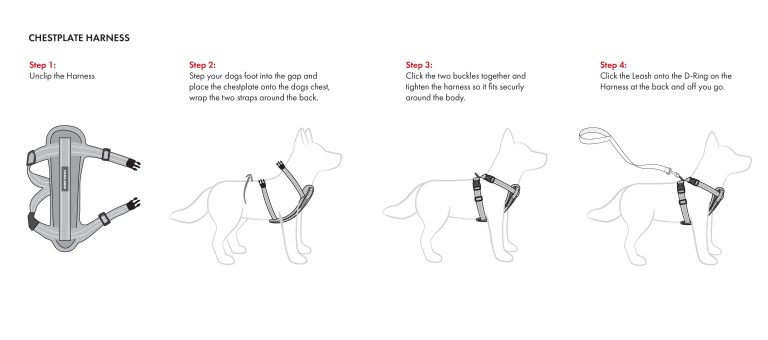
The first step is ensuring the harness is positioned correctly on your dog. Place the harness over your dog’s head, making sure the D-ring is on their back. If the harness has a chest piece, it should sit snugly on your dog’s chest, not too low or too high.
Check if the harness is centered. The straps should be evenly distributed on both sides. A centered harness prevents uneven pressure, which can cause discomfort or chafing during walks.
Imagine how you’d feel if your backpack was constantly slipping off one shoulder. Your dog feels the same way with an unbalanced harness. So, take a moment to ensure it’s perfectly positioned.
Adjusting Straps For Security
Once you have the harness in place, it’s time to adjust the straps. Start by tightening the chest strap. You should be able to fit two fingers between the strap and your dog’s body. This ensures it’s snug but not too tight.
Move to the girth strap, which goes around your dog’s belly. Again, use the two-finger rule to check the fit. A secure harness should not move excessively, but your dog should also be able to move comfortably.
Think about how you’d adjust your seatbelt – tight enough to keep you safe, but not so tight that you can’t breathe. A harness is no different.
Double-check all buckles and fasteners. Make sure they are secure and not pressing into your dog’s skin. Sometimes, a simple readjustment can make all the difference.
Have you ever noticed how your dog behaves when they’re uncomfortable? Pay attention to their signals. If they seem agitated or reluctant to move, it might be time to revisit the adjustments.

Credit: www.youtube.com
Testing The Harness Fit
Ensuring a proper fit is essential for a dog’s harness. Adjust straps so two fingers fit under them. Check for snugness around the chest and legs for comfort and security.
Testing the fit of your dog’s harness is crucial to ensure their safety and comfort. A well-fitted harness prevents them from slipping out or experiencing discomfort during walks. But how can you be sure the harness fits just right?Performing The Two-finger Test
A simple yet effective way to check the fit is the two-finger test. Slide two fingers between the harness and your dog’s body. The harness should feel snug but not tight. If you can easily fit more than two fingers, it might be too loose. Conversely, if it’s a struggle to get two fingers in, the harness is likely too tight. This test helps maintain a balance between security and comfort.Monitoring Movement And Comfort
Observe your dog as they move around with the harness on. Are they walking naturally, or do they seem restricted? Pay attention to signs of chafing or irritation. A well-fitted harness will not rub or pinch their skin. Notice if your dog is trying to scratch or bite at the harness. This can indicate discomfort or improper fit. Think about how you would feel wearing a pair of shoes that pinch or slide off. Your dog deserves the same comfort and care. Wouldn’t you want your daily walks to be enjoyable for both of you?Common Mistakes To Avoid
Ensuring a dog’s harness fits correctly is vital for safety. Mistakes in adjusting the harness can cause discomfort or even harm. Understanding common pitfalls helps keep your furry friend safe and comfortable. Below are some frequent errors dog owners make.
Ignoring Size Guidelines
Choosing the wrong size is a frequent mistake. Each harness has specific size guides. Not following them can lead to a poor fit. A harness that’s too tight causes chafing. A loose one might let your dog escape. Always measure your dog before buying a harness. Check the manufacturer’s size chart for the best fit.
Overlooking Durability
Durability is crucial for a harness. Some owners focus only on design or price. A weak harness can break easily. This poses a risk during walks. Look for strong materials like nylon or leather. Check the stitching quality. A durable harness will withstand daily use and keep your dog secure.

Credit: ezydog.co.uk
Expert Advice And Recommendations
Ensuring your dog’s harness fits correctly is crucial for safety and comfort. An ill-fitting harness can cause discomfort or allow your dog to escape. Seeking expert advice can make the fitting process easier and more effective. Below, find valuable insights and brand recommendations to help you tighten your dog’s harness properly.
Consulting A Professional
Consult a veterinarian or pet trainer for advice on harness fitting. They can assess your dog’s needs and suggest the best type of harness. Professionals can demonstrate how to adjust and tighten the harness correctly. This minimizes the risk of injury or discomfort for your pet. If possible, schedule a fitting session to learn hands-on. A proper fit prevents the harness from slipping or being too tight.
Recommended Brands And Models
Choosing a reliable brand ensures quality and durability. Consider these recommended harness brands and models:
- Ruffwear Front Range Harness:Known for comfort and adjustability. It suits active dogs well.
- Kurgo Tru-Fit Smart Harness:Features a padded chest plate for comfort and safety.
- Puppia Soft Dog Harness:Ideal for small to medium breeds. It offers a soft, comfortable fit.
Research each brand’s sizing guide to ensure a proper fit. Reading reviews can also provide insights into user experiences with these products. Investing in a well-designed harness can enhance your dog’s walking experience.

Credit: www.amazon.com
Frequently Asked Questions
How Do I Know If The Harness Is Too Loose?
Check if you can fit two fingers under the harness. If it slips easily, it’s too loose. A snug fit is crucial for safety and comfort. Adjust the straps to ensure they’re secure but not too tight, avoiding any discomfort for your dog.
What Tools Do I Need To Adjust A Dog Harness?
Most harnesses require no tools for adjustment. Simply use the sliding clips or buckles on the harness. Ensure to follow the manufacturer’s instructions for proper adjustment. If needed, a pair of scissors might help trim excess strap length.
How Often Should I Check The Harness Fit?
Check the harness fit every few weeks or after any weight change. Regular checks ensure your dog’s comfort and safety. Adjust as needed to account for growth, weight loss, or seasonal coat changes. Maintaining a proper fit prevents potential injury or discomfort.
Can A Tight Harness Harm My Dog?
Yes, a tight harness can restrict breathing and cause chafing. It may also lead to skin irritation. Ensure the harness allows comfortable movement. Always monitor your dog’s behavior for signs of discomfort. Adjust the fit immediately if you notice any redness or distress.
Conclusion
Tightening a dog harness is simple with the right steps. Always check for a snug fit. Your dog should move comfortably. Prevent slips with regular adjustments. Observe your dog’s behavior for signs of discomfort. A well-fitting harness keeps your dog safe.
Practice adjusting the harness often. This ensures a secure and happy walk. Make it a routine. Enjoy stress-free walks with your furry friend. Keep it safe, keep it simple. Your dog deserves the best care. Happy walking!