How to Remove a Dog’S Skin Tag: Simple Steps
Senior Canine Nutritionist & Dog Behavior Specialist at Cozy Dog Go Wellness Lab
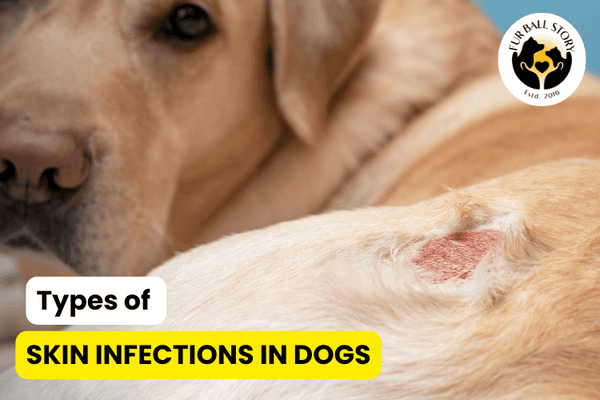
Imagine running your fingers through your dog’s fur, only to discover a small, unexpected bump. This harmless growth, often referred to as a skin tag, can be a source of concern for many pet owners.
You might find yourself wondering if it’s something serious or how you can safely remove it. You’re not alone in this; countless dog owners face the same dilemma. This guide is designed to help you understand what skin tags are and how you can remove them safely.
By addressing your concerns and providing clear, actionable steps, you’ll feel empowered to make the best decision for your furry friend’s health. Read on to discover everything you need to know about managing and removing your dog’s skin tags safely and effectively.
Credit: www.tiktok.com
Identifying Skin Tags On Dogs
Gently examine your dog’s skin for small, soft growths. Skin tags are usually harmless but can be bothersome. Consulting a vet for removal options ensures a safe, stress-free process for your pet.
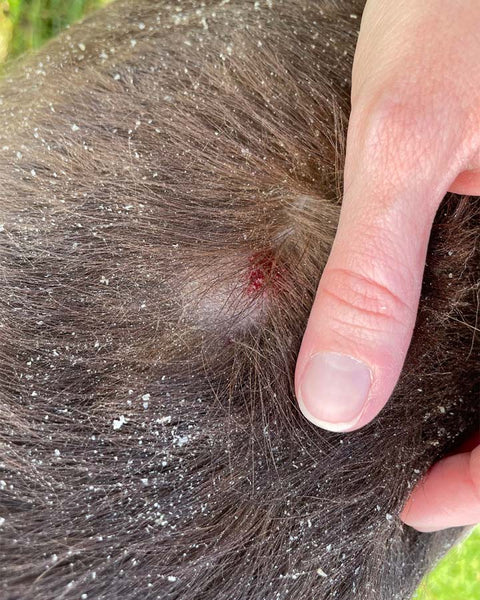
Identifying skin tags on your dog can be a straightforward task if you know what to look for. These small, benign growths often appear harmless but can cause discomfort if irritated. As a dog owner, recognizing and understanding skin tags is essential for maintaining your pet’s health and comfort.Common Locations
Skin tags can appear anywhere on your dog’s body, but they have favorite spots. The neck, chest, and underarms are common areas due to friction from collars or movement. Ears and eyelids can also be frequent sites, especially in breeds with floppy ears or excess skin. Have you ever noticed a small bump on your dog’s belly or between their toes? These are also typical places where skin tags can pop up. Keep an eye on these areas during grooming sessions for early detection.Characteristics Of Skin Tags
Skin tags are usually soft and flexible. They can be the same color as your dog’s skin or a bit darker. Unlike warts or tumors, they are often thin and may dangle from a stalk-like base. They are generally painless and don’t bother your dog unless they are rubbed or pulled. If a skin tag changes in size, color, or shape, it’s time to consult your veterinarian. Could it be something else? Always err on the side of caution. By keeping a watchful eye and knowing these characteristics, you’ll be better prepared to identify skin tags on your dog. Your furry friend will thank you for your attentive care!When To Consult A Veterinarian
Sometimes, a dog’s skin tag may need professional attention. Identifying the right moment to consult a veterinarian is crucial for your pet’s health. While most skin tags are harmless, certain signs indicate the need for expert advice. Understanding these signs ensures timely intervention and care.
Signs Of Concern
Some skin tags show unusual characteristics. If a tag grows rapidly, this could be a warning. Changes in color, especially darkening, might indicate a problem. Bleeding or discharge from the tag is another concerning sign. A tag causing discomfort to your dog is not normal. If your dog scratches or bites the tag often, consult a vet.
Professional Assessment
A veterinarian offers a thorough evaluation. They check if the skin tag is benign or needs removal. Vets use tools to examine the tag closely. They may suggest a biopsy to rule out serious issues. Professional advice ensures peace of mind and the best care for your dog. Regular check-ups help catch any changes early.
Preparing For Removal
Gently clean the area around the dog’s skin tag with mild soap and water. Use sterile scissors or clippers to carefully cut the tag at its base. Apply antiseptic to prevent infection and monitor the site for healing.
Preparing to remove a dog’s skin tag requires careful planning. This ensures the process is smooth and stress-free for both you and your pet. Taking the time to gather the right supplies and create a safe environment is crucial. It helps minimize discomfort and reduces the risk of complications.Gathering Necessary Supplies
Start by collecting all essential items. You need sterilized scissors or a scalpel. Have antiseptic solution ready to clean the area. Use cotton balls or pads for application. A styptic powder can help stop any bleeding. Consider having a cone collar on hand. It prevents your dog from licking the area. Gather these supplies in one place for easy access.Creating A Safe Environment
Choose a quiet, well-lit space. This helps your dog stay calm. Ensure the surface is clean and stable. A non-slip mat can help. Keep other pets and distractions away. Talk soothingly to your dog. This can ease their anxiety. Have a friend or family member assist you. They can help hold your dog still. This makes the process safer and more efficient.
Credit: www.amazon.com.au
Steps To Remove A Skin Tag
Gently clean the area around the dog’s skin tag. Use sterilized scissors or a clipper to carefully snip the tag. Apply an antiseptic to prevent infection and ensure healing. Always consult a vet if unsure.
Removing a dog’s skin tag requires careful attention and preparation. It’s important to follow a series of steps to ensure the process is safe and effective. These steps include cleaning the area, using sterile tools, and applying pressure. Each step plays a crucial role in minimizing discomfort and preventing infection.Cleaning The Area
Begin by washing your hands thoroughly with soap and water. This prevents bacteria transfer. Use a gentle antiseptic solution to clean the skin tag and surrounding area. Ensure the dog’s skin is dry before proceeding to the next step. This prepares the skin for the removal process.Using Sterile Tools
Select a pair of sharp, sterile scissors or clippers. It’s crucial to sterilize these tools with alcohol. This reduces the risk of infection. Make sure the tools are clean and dry before using them. Proper tool sterilization is essential for safe removal.Applying Pressure
Gently hold the skin tag between your fingers. Apply steady pressure on the base of the tag. Use the sterile tool to cut the skin tag off cleanly. Ensure you cut close to the base to prevent regrowth. Applying pressure helps control bleeding and ensures a clean removal.Post-removal Care
Proper post-removal care prevents infection after removing a dog’s skin tag. Clean the area gently with antiseptic wipes. Monitor for redness or swelling, and consult a vet if needed.
Once you’ve successfully removed your dog’s skin tag, the next crucial step is ensuring proper post-removal care. This phase is essential for your dog’s quick and healthy recovery. By focusing on monitoring the healing process and preventing infection, you can help your furry friend bounce back comfortably.Monitoring Healing
Keep an eye on the removal site to ensure it heals properly. Look for signs like redness, swelling, or unusual discharge. These could indicate complications that might require a vet’s attention. You can take photos daily to track changes and compare them. This helps you notice any minor issues early. If your dog seems to be in pain or is excessively licking the area, consider using an Elizabethan collar to prevent further irritation.Preventing Infection
Maintaining cleanliness around the wound is key to preventing infection. Gently clean the area with a vet-recommended antiseptic solution. This should be done once or twice a day, depending on your vet’s advice. Avoid using human antiseptics or ointments as they might not be suitable for dogs. Ensure your dog’s bedding is clean to reduce exposure to bacteria. You might even consider using a clean, soft cloth to cover the area when your dog goes outside. Have you ever faced a situation where you had to prevent your pet from licking a wound? It’s a common challenge, but with patience and a few tricks, you can manage it effectively.Alternative Removal Methods
Consider natural remedies for removing a dog’s skin tag, like applying apple cider vinegar. Regularly clean and monitor the area for any changes.
Alternative removal methods for a dog’s skin tag can be a great option if you’re looking for less invasive approaches. These methods offer a variety of choices, from natural solutions to modern techniques. It’s always essential to consider the best option suited for your dog’s specific needs.Natural Remedies
Natural remedies can be a gentle way to address skin tags. One popular method involves using apple cider vinegar. Soak a cotton ball in the vinegar and apply it directly to the skin tag, securing it with a bandage for a few hours daily. Another option is using tea tree oil, known for its antibacterial properties. Apply a few drops to the tag daily, but ensure your dog doesn’t lick it, as ingestion can be harmful. While these remedies are natural, it’s crucial to monitor your dog’s skin for any reactions. Have you ever tried any of these remedies with your pet?Cryotherapy
Cryotherapy is a method that involves freezing the skin tag. It’s a technique commonly used in veterinary practices. The process is quick and relatively painless for your dog. A device is used to apply extreme cold directly to the skin tag, causing it to fall off within a few days. It’s an effective option, especially for stubborn tags. Consult with your vet to see if cryotherapy is suitable for your dog’s condition. Would you consider this modern approach for your furry friend?Preventing Future Skin Tags
Regular grooming and skin checks help prevent future skin tags on dogs. Maintain a healthy diet and weight to reduce risks.
Preventing future skin tags in your dog is an achievable goal with a few proactive steps. While these benign growths are common, understanding their prevention can help maintain your dog’s skin health. It’s all about adopting a holistic approach to your pet’s lifestyle, from nutrition to regular check-ups.Diet And Nutrition
A balanced diet plays a crucial role in your dog’s skin health. High-quality foods rich in vitamins, minerals, and essential fatty acids can strengthen your dog’s immune system. Focus on foods with Omega-3 and Omega-6 fatty acids. These nutrients are known for promoting healthy skin and coat. Consider adding fresh fruits and vegetables to your dog’s meals. They are excellent sources of antioxidants, which can help combat free radicals that may contribute to skin abnormalities. Do you monitor your dog’s diet regularly? Keeping an eye on their eating habits ensures they receive all necessary nutrients, potentially reducing skin tag development.Regular Veterinary Check-ups
Your veterinarian is your best ally in preventing skin tags. Regular check-ups can catch early signs of skin issues before they develop into tags. Annual visits are essential, but consider scheduling more frequent check-ups if your dog is prone to skin conditions. These visits allow the vet to assess your pet’s overall health and provide tailored advice. During these appointments, discuss any changes in your dog’s skin, no matter how small they might seem. This proactive approach could be the key to preventing future skin tags. Ever noticed how a simple vet visit can reassure you about your dog’s health? Prioritizing these check-ups ensures your furry friend stays in top shape, minimizing skin tag risks.
Credit: www.amazon.com
Frequently Asked Questions
What Is A Dog’s Skin Tag?
A dog’s skin tag is a benign growth that resembles a small flap of skin. They are usually harmless and painless. Skin tags can vary in size and often appear on areas where the skin rubs. If concerned, consult a veterinarian for advice.
Can Skin Tags Be Removed At Home?
Removing skin tags at home is not recommended without veterinary guidance. Incorrect removal can lead to infection or complications. It’s best to seek professional advice for safe removal options. A vet can ensure the tag is benign and remove it safely.
Are Skin Tags On Dogs Dangerous?
Skin tags on dogs are generally harmless and benign. They rarely cause discomfort unless irritated. However, any change in size, color, or shape should be checked by a vet. Regular monitoring ensures they remain non-problematic and confirms no underlying issues exist.
How Do Vets Remove Skin Tags?
Vets use methods like cryotherapy, surgical removal, or cauterization to remove skin tags. Each method is safe and minimizes discomfort. The choice depends on the tag’s size and location. A vet will choose the best method for your dog’s health and comfort.
Conclusion
Removing a dog’s skin tag is simple and safe with care. Always consult a vet for advice before starting. Choose the right method for your dog’s comfort. Keep the area clean to avoid infections. Monitor the spot for any changes post-removal.
Regular checks help maintain your dog’s skin health. Treat your dog gently throughout the process. Happy, healthy skin means a happy pet! Remember, your dog’s well-being is most important. Safe practices ensure your pet stays comfortable. You can manage skin tags with ease.
Enjoy the journey with your furry friend!

Similar Posts