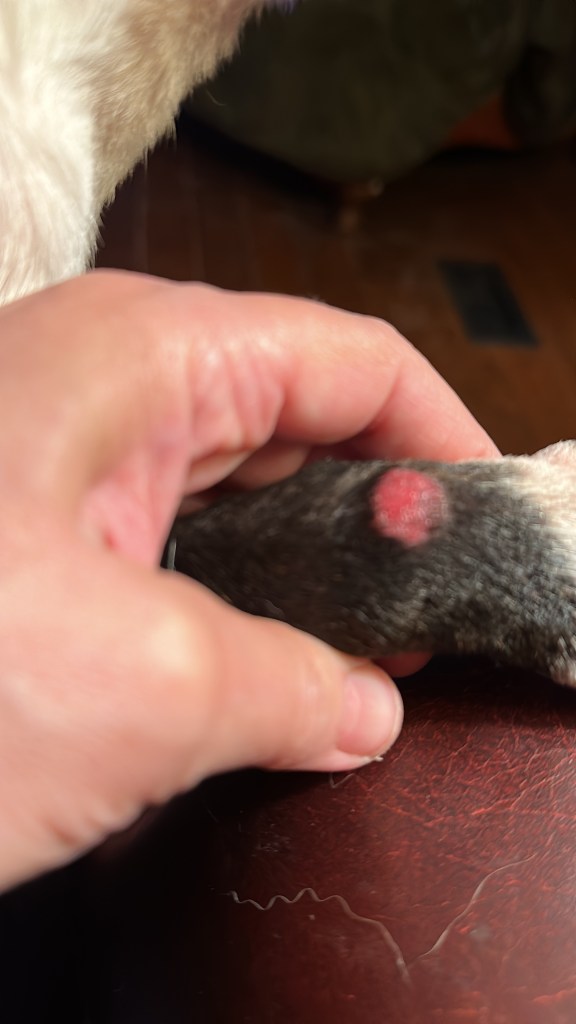
What Does Skin Cancer Look Like on a Dog: Crucial Signs
Have you ever noticed an unusual lump or bump on your dog’s skin and wondered what it could be? You’re not alone.
Many pet owners find themselves concerned about changes in their furry friend’s skin. One worry that might cross your mind is skin cancer. But what does skin cancer actually look like on a dog? It’s a question that can send any pet parent into a spiral of concern, and rightly so.
Spotting the signs early can make all the difference for your dog’s health. This article will guide you through the telltale signs to watch out for, helping you feel more confident in keeping your beloved pet healthy and happy. Dive in to discover the crucial details that every dog owner should know.
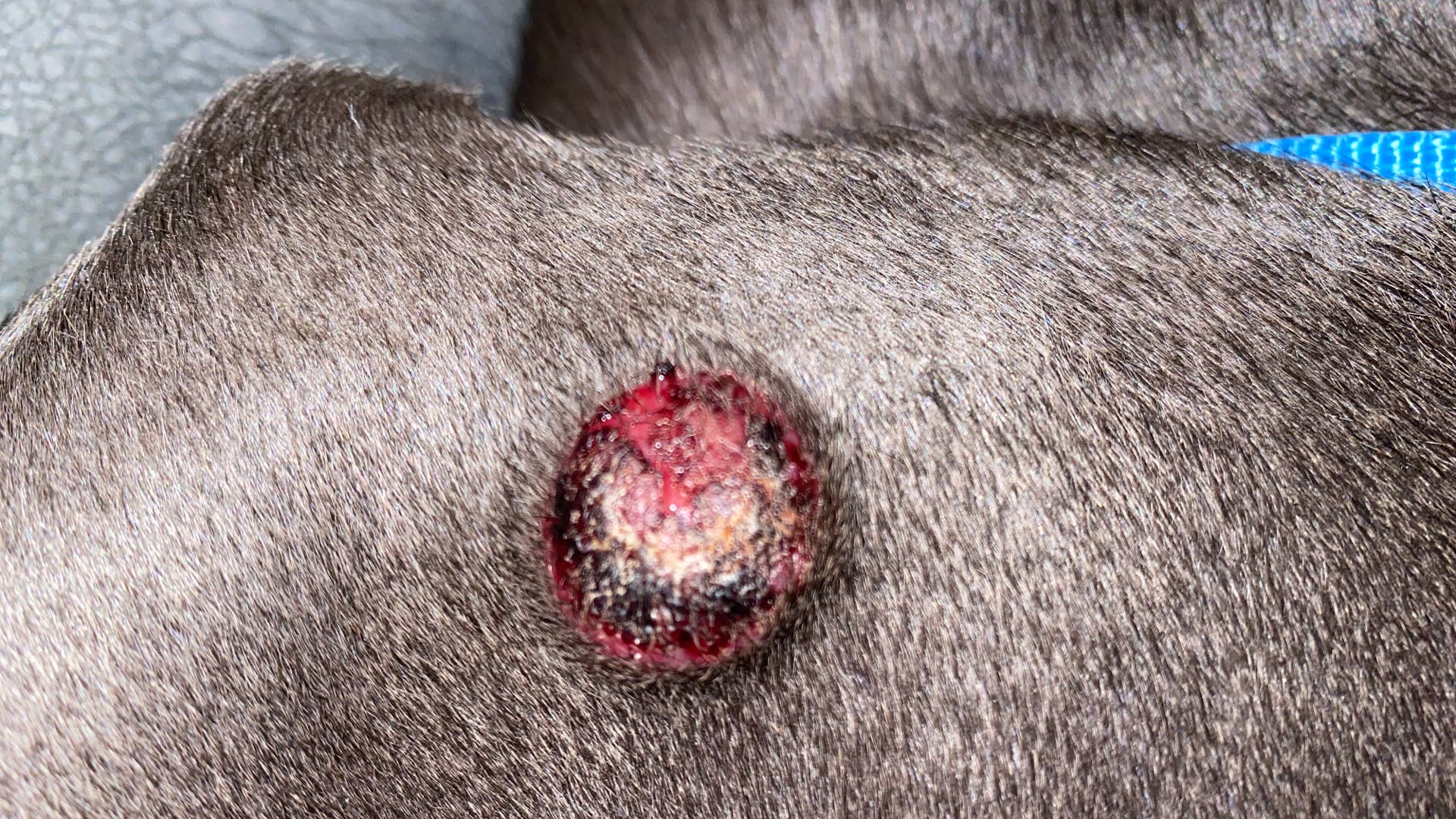
Credit: pethelpful.com
Common Types Of Skin Cancer In Dogs
Skin cancer in dogs often appears as lumps or sores on the skin. These can be red, raised, or scaly. Changes in size, color, or texture may indicate a problem.
Understanding the common types of skin cancer in dogs can help you spot potential issues early. Dogs, like humans, can develop different types of skin cancer, each with its unique characteristics. Knowing what these types look like and how they behave can be crucial for early detection and treatment.Melanoma
Melanoma in dogs often appears as a dark, pigmented mass. These tumors can develop anywhere on the skin, but are frequently found in areas like the mouth or toes. Not all melanomas are cancerous, but it’s essential to have any suspicious dark lumps checked by a vet.Squamous Cell Carcinoma
Squamous cell carcinoma typically appears as a firm, raised lesion. It may look like a wart or sore that doesn’t heal. These tumors are often found on areas exposed to the sun, such as the belly or nose, particularly in light-skinned dogs.Mast Cell Tumors
Mast cell tumors can vary greatly in appearance, making them tricky to identify. They might present as a small bump or a large, ulcerated mass. These tumors can change in size quickly, sometimes even within a single day, so any sudden growths should be evaluated promptly. Have you ever noticed your dog’s skin changing unexpectedly? It’s crucial to stay observant and proactive. Regularly checking your dog’s skin could make all the difference in catching these cancers early.
Credit: www.instagram.com
Visible Symptoms Of Skin Cancer
Observe skin lumps, sores, or discolored patches on dogs. These could indicate skin cancer. Always seek a vet’s advice for changes.
Visible Symptoms of Skin Cancer Monitoring your dog’s skin is crucial for early detection of skin cancer. Visible symptoms can be quite subtle at first, but knowing what to look for can make a significant difference. If you notice unusual changes in your dog’s skin, consult your vet promptly.Lumps And Bumps
One of the most common signs of skin cancer in dogs is the appearance of lumps or bumps. These can vary in size and texture, sometimes feeling soft and other times hard. Have you ever noticed a new bump on your dog during grooming? It’s worth getting it checked out, even if it seems harmless.Discolored Patches
Discoloration on your dog’s skin might be another indication of potential skin cancer. These patches can appear red, dark, or lighter than the surrounding area. Imagine spotting a patch of skin that looks different; this should raise a red flag and prompt a visit to the vet.Ulcerated Skin
Ulcerated or open sores that don’t heal properly might be a more serious symptom of skin cancer. These sores can be painful for your dog and often ooze fluid. If your dog has a sore that seems persistent or unusual, it’s time to consider professional advice. Keeping an eye on these signs can help you catch skin cancer early. Remember, a proactive approach leads to better outcomes for your furry friend.Behavioral Changes In Dogs
Behavioral changes in dogs can signal health issues. Skin cancer might appear as unusual lumps or sores. These can be red, flaky, or ulcerated, and may cause discomfort or itching. Early detection helps in managing and treating the condition effectively.
Behavioral changes in dogs can be an early sign of health issues. When a dog experiences discomfort or pain, their behavior may shift. Noticing these changes promptly can help in addressing potential problems like skin cancer.Excessive Scratching
Dogs may scratch more than usual if they have skin cancer. This behavior is often due to irritation or discomfort. Watch for any persistent scratching that doesn’t improve. A dog scratching more than usual might be signaling a skin issue. Look for signs like redness or swelling where they scratch. Excessive scratching can be a clue to underlying health problems.Lethargy
Lethargy in dogs can indicate several health issues, including skin cancer. Dogs may seem unusually tired or lack energy. They might sleep more or show less interest in play. A dog that becomes lethargic may be experiencing pain or discomfort. Monitor their activity levels closely. Lethargy can be a sign that something is amiss with their health.Loss Of Appetite
A sudden loss of appetite in dogs can be concerning. When a dog refuses food, it might be due to pain or discomfort. Skin cancer can cause changes in a dog’s eating habits. If your dog avoids meals or eats less, it could signal health issues. Loss of appetite should not be ignored and warrants attention.Diagnostic Methods For Skin Cancer
Diagnosing skin cancer in dogs is vital. Early detection can save lives. Several methods help identify cancer. Each method provides unique insights. Let’s explore these diagnostic tools.
Biopsy
A biopsy is a key diagnostic tool. It involves removing a small tissue sample. This sample undergoes analysis in a lab. Experts examine the cells closely. They check for cancerous changes. This method is accurate and reliable. It helps confirm the presence of cancer.
Imaging Techniques
Imaging techniques are non-invasive. They include X-rays and ultrasounds. These tools provide detailed images. They help assess the spread of cancer. Vets use them to locate tumors. Imaging guides treatment plans effectively.
Blood Tests
Blood tests offer valuable insights. They check for abnormal markers. These markers indicate cancer presence. Blood tests are simple and quick. They complement other diagnostic methods. They assist in monitoring the dog’s health.
Treatment Options For Canine Skin Cancer
Skin cancer in dogs can appear as lumps, bumps, or sores on the skin. It’s crucial to identify unusual growths early. Treatment often includes surgery, radiation, or chemotherapy, tailored to the dog’s specific needs.
Treatment Options for Canine Skin Cancer When your furry friend is diagnosed with skin cancer, understanding the treatment options is crucial. Each treatment varies in approach and effectiveness, making it important to consider what suits your dog’s specific situation. From surgical options to chemotherapy, there are several paths to explore.Surgical Intervention
Surgery is often the first choice for treating skin cancer in dogs. It involves removing the tumor along with some surrounding tissue to ensure all cancerous cells are gone. This method is particularly effective for tumors that haven’t spread. If your vet recommends surgery, you might wonder about the recovery process. Dogs usually recover quickly and can resume normal activities soon after. Always follow your vet’s post-operative care instructions to ensure a smooth healing process.Radiation Therapy
Radiation therapy is another option, especially for tumors that are difficult to remove surgically. It uses high-energy rays to target and kill cancer cells. This treatment is usually spread over several sessions. Consider whether your dog can handle frequent trips to the vet for these sessions. The therapy is painless, but sedation may be necessary to keep your dog still during treatment. Ask your vet about potential side effects and how to manage them.Chemotherapy
Chemotherapy is often used when cancer has spread or when surgery and radiation aren’t viable options. It involves administering drugs to destroy cancer cells throughout the body. This treatment can be intimidating due to potential side effects like nausea or fatigue. However, many dogs tolerate chemotherapy well with minimal discomfort. Your vet can adjust dosages to minimize side effects, ensuring your pet maintains a good quality of life. Have you considered how these treatments might impact your dog’s lifestyle? Discussing all options with your vet will help you make the best decision for your beloved companion.
Credit: www.facebook.com
Preventive Measures For Skin Cancer
Recognizing skin cancer on a dog involves spotting unusual lumps or sores. These growths can be pink, red, or black. Regular vet check-ups and monitoring changes in your dog’s skin are crucial preventive measures.
Preventive Measures for Skin Cancer Caring for your dog’s skin health is crucial in protecting them from skin cancer. Being proactive can make a world of difference. Below are essential preventive measures that every dog owner should consider.Regular Vet Check-ups
Routine veterinary visits are vital. Early detection of any unusual changes can lead to effective treatment. Make it a habit to schedule check-ups at least once a year. Your vet can identify issues that might not be visible to the untrained eye. They can also provide personalized advice based on your dog’s breed and lifestyle. This is especially important for breeds prone to skin conditions.Skin Protection
Protecting your dog from harmful UV rays is just as important as protecting yourself. Consider using pet-safe sunscreen on exposed areas like the nose and ears. Limiting sun exposure during peak hours can also help. Clothing can offer additional protection. Lightweight dog shirts or hats can shield sensitive skin. Always ensure your dog stays comfortable and not overheated.Healthy Diet
A balanced diet can boost your dog’s immune system. Provide foods rich in antioxidants and omega-3 fatty acids to promote skin health. Fresh vegetables and high-quality protein sources can be excellent additions. Hydration is also key. Ensure your dog has access to clean, fresh water at all times. A well-hydrated dog is less prone to skin problems. Taking these preventive measures can significantly decrease the risk of skin cancer. How committed are you to ensuring your furry friend stays healthy and happy?Frequently Asked Questions
What Are The Signs Of Skin Cancer In Dogs?
Skin cancer in dogs often appears as lumps or bumps. These can be dark, red, or scaly patches. Changes in size, color, or texture are warning signs. Dogs may also scratch or lick the area more than usual. Early detection is key for successful treatment.
How Common Is Skin Cancer In Dogs?
Skin cancer is one of the most common types of cancer in dogs. Certain breeds are more predisposed. Early detection and treatment can significantly improve outcomes. Always monitor your dog’s skin for any unusual changes and consult your vet regularly.
Can Skin Cancer In Dogs Be Treated?
Yes, skin cancer in dogs can often be treated effectively. Treatment options include surgery, chemotherapy, or radiation. The success of treatment depends on early detection and the cancer type. Regular vet check-ups are essential for monitoring and managing your dog’s skin health.
What Causes Skin Cancer In Dogs?
Skin cancer in dogs can be caused by genetics, sun exposure, or environmental factors. Breeds with light-colored fur and skin are more at risk. Limiting sun exposure and regular vet visits can help reduce the risk. Monitoring your dog’s skin for changes is crucial.
Conclusion
Understanding skin cancer signs in dogs is vital for their health. Early detection can save lives. Regular vet check-ups help catch problems early. Look for unusual lumps or skin changes. Notice if your dog seems uncomfortable or licks a spot often.
Healthy skin means a happier pet. Always prioritize your dog’s well-being. Consult a vet with any concerns. Your dog’s health is in your hands. Stay informed, stay proactive. A little vigilance can make a big difference. Protect your furry friend with knowledge and care.
Be attentive to changes. Your pet counts on you.