How to Treat a Yeast Infection in Dogs Skin: Expert Tips
Senior Canine Nutritionist & Dog Behavior Specialist at Cozy Dog Go Wellness Lab

Is your furry friend constantly itching and scratching? You might be dealing with a yeast infection on your dog’s skin.
These infections are not only uncomfortable for your dog but can also lead to more severe health issues if left untreated. Understanding how to identify and effectively treat a yeast infection is crucial for your pet’s wellbeing. In this guide, you’ll discover simple and proven methods to soothe your dog’s discomfort and restore their skin health.
We’ll walk you through the signs to look out for, the best treatment options, and practical tips to prevent future infections. Keep reading to ensure your dog remains healthy and happy, free from the persistent itch of a yeast infection. Your pet deserves relief, and you have the power to help them feel better.

Credit: dishydogs.com.au
Causes Of Yeast Infections In Dogs
Yeast infections in dogs often stem from allergies, moisture, or compromised immune systems. Treating involves antifungal medications, proper hygiene, and diet adjustments.
Understanding the causes of yeast infections in dogs can help you better care for your furry friend. Yeast infections, particularly on the skin, can be uncomfortable and lead to more severe health issues if not addressed. By identifying the root causes, you can take proactive steps to prevent these infections and keep your dog healthy and happy.Common Triggers
Several common triggers can lead to yeast infections in dogs. One of the primary culprits is moisture. Dogs that spend a lot of time in water or live in humid climates are more prone to these infections. Excessive bathing without proper drying can also create a breeding ground for yeast. Additionally, diet plays a significant role. High-carb diets can sometimes lead to yeast overgrowth, as yeast feeds on sugars. If your dog is constantly scratching or has a persistent odor, it might be time to evaluate their diet and consult with a vet.Underlying Health Conditions
Yeast infections might also be a symptom of an underlying health condition. Dogs with weakened immune systems are more susceptible. Conditions such as allergies, hormonal imbalances, or autoimmune diseases can increase the risk. Have you ever noticed your dog scratching relentlessly after a course of antibiotics? Antibiotics can disrupt the natural balance of bacteria and yeast in your dog’s body. Recognizing these health conditions early can prevent recurring yeast infections and improve your dog’s overall well-being. Remember, understanding the causes is the first step in effectively treating and preventing yeast infections. Have you checked the common triggers or potential underlying conditions your dog might have? Taking these steps can make a world of difference in your dog’s comfort and health.Recognizing Symptoms
Dogs with yeast infections often show signs of itching and redness. Look for flaky skin and a musty odor. These symptoms may indicate a yeast infection requiring attention.
Recognizing symptoms of a yeast infection in your dog’s skin is crucial for timely treatment and comfort. Dogs can’t verbally communicate their discomfort, so you must be vigilant in noticing physical and behavioral changes. Early detection can significantly improve your dog’s well-being and prevent the condition from worsening.Visible Signs
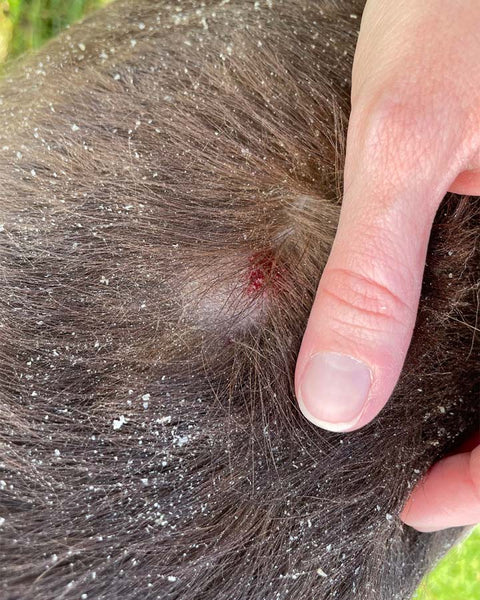
Your dog might show visible signs such as redness and irritation on the skin. You might notice flaky patches or an unusual texture in specific areas, like the paws or ears. A frequent symptom is a musty odor emanating from the affected skin, which can be quite distinct.Behavioral Changes
Behavioral changes can be subtle but telling. Your dog might scratch or lick the affected areas more than usual. Watch for signs of restlessness or discomfort, especially if your dog is avoiding certain activities or positions. A dog that was previously calm might become agitated or anxious due to the irritation. Have you ever spotted these signs and wondered if your dog was trying to tell you something? Understanding these symptoms empowers you to act swiftly and ensure your furry friend stays happy and healthy.Diagnosis Process
Diagnosing a yeast infection in a dog’s skin is essential. It helps determine the right treatment. Knowing the symptoms is not enough. A proper diagnosis is crucial. This ensures the best care for your furry friend. Let’s explore the diagnosis process.
Veterinary Examination
A veterinary examination is the first step. The vet observes the dog’s skin closely. They check for redness, itching, and odor. These are common signs of yeast infection. The vet may ask about your dog’s recent behavior. Have they been scratching or licking more than usual? This information helps the vet understand the situation better.
Laboratory Tests
Laboratory tests confirm the diagnosis. The vet might take skin samples. These are examined under a microscope. This checks for yeast cells. A culture test may also be conducted. It helps identify the specific yeast causing the issue. This precise identification is vital. It ensures the vet chooses the right treatment. Quick and accurate diagnosis leads to fast relief for your dog.
Treatment Options
Discover effective treatments for yeast infections in dogs’ skin. Antifungal shampoos, topical creams, and oral medications help soothe and heal. Consult a vet for the best approach tailored to your dog’s needs.
Treating a yeast infection on your dog’s skin can be a daunting task, but knowing the right treatment options can make all the difference. Each dog may respond differently to treatments, so understanding the choices available is crucial. Let’s dive into the various ways you can help your furry friend feel better.Topical Treatments
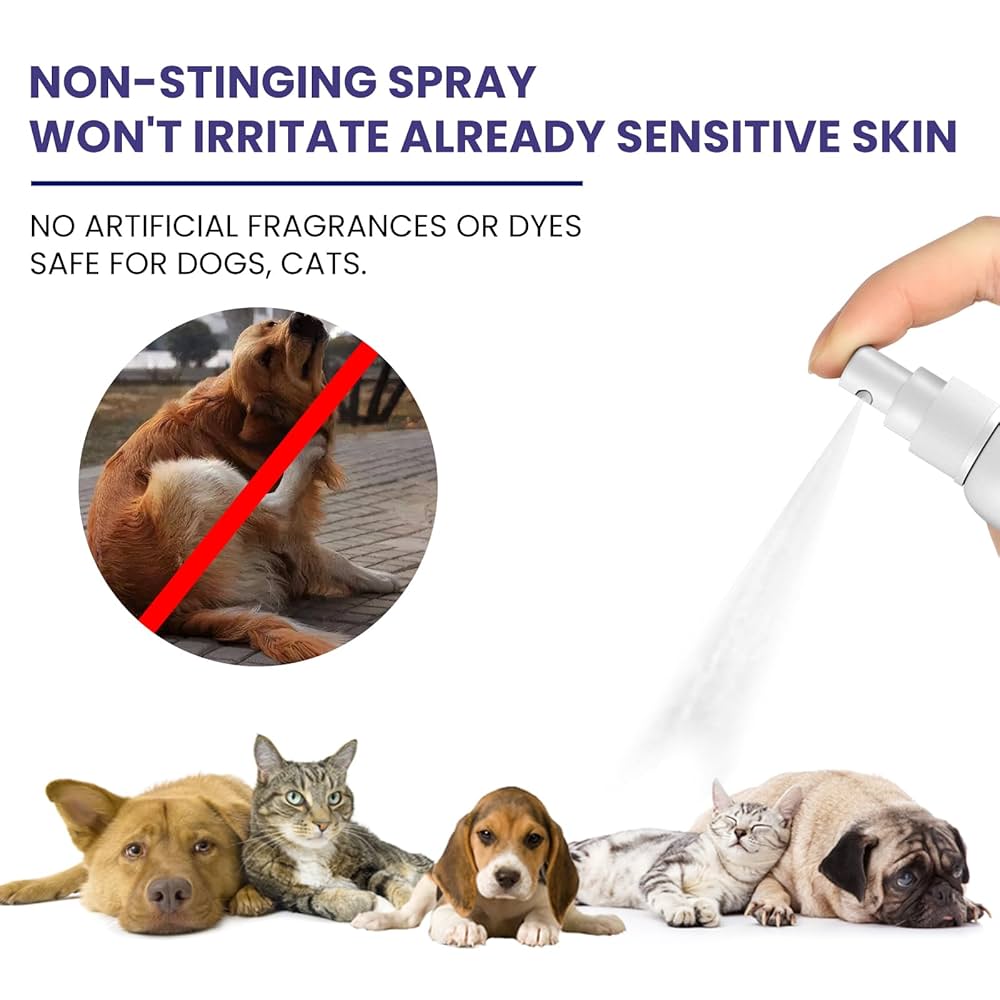
Topical treatments are often the first line of defense against yeast infections. These include antifungal creams, ointments, and medicated shampoos specifically designed for dogs. Applying these directly to the affected area can help alleviate symptoms like itching and redness. You might notice relief within a few applications. Have you tried a medicated shampoo? It can be a game-changer, especially if your dog enjoys bath time.Oral Medications
When topical treatments aren’t enough, oral medications might be prescribed by your vet. These antifungal pills work internally to combat the yeast infection from within. It’s crucial to follow your vet’s dosage recommendations closely. Oral medications can be particularly effective for severe infections that don’t respond to topical solutions. Have you considered how oral medications might complement topical treatments for faster recovery?Natural Remedies
Some pet owners prefer natural remedies for treating yeast infections. These can include coconut oil, apple cider vinegar, or herbal supplements known for their antifungal properties. While natural remedies can be helpful, it’s essential to consult your vet before trying them. Sometimes simple changes, like adding a few drops of apple cider vinegar to your dog’s bath, can make a significant impact. Are you curious if a holistic approach might suit your dog’s needs? Taking the right steps can lead to a healthier, happier dog. Which treatment path will you explore?Preventative Measures
Regular grooming can help prevent yeast infections in dogs’ skin. Ensure your dog’s skin stays dry and clean. Use antifungal shampoos as a preventative measure to maintain healthy skin.
Preventative Measures Keeping your furry friend’s skin healthy can prevent yeast infections before they even start. It’s all about maintaining a balanced lifestyle for your dog. With a few simple adjustments, you can make a big difference in their overall skin health.Dietary Adjustments
What your dog eats plays a crucial role in their skin health. Consider foods that boost their immune system and keep yeast levels in check. Adding probiotics to your dog’s diet can help maintain a healthy balance of bacteria in their gut, which can prevent yeast overgrowth. Healthy fats, like omega-3 and omega-6 fatty acids, can also support skin health. These fats can be found in fish oil supplements or foods like salmon and flaxseed. Opt for high-quality dog food that lists these ingredients prominently.Regular Grooming
Regular grooming isn’t just about keeping your dog looking good; it’s essential for their skin health too. Make grooming a routine to help remove excess oils and dirt that can contribute to yeast infections. Bathing your dog with antifungal shampoos can be particularly effective. These products are designed to keep the skin clean and free from yeast overgrowth. Remember to dry your dog thoroughly after a bath, as moisture can encourage yeast growth. Brush your dog regularly to keep their coat free from tangles and debris. This also helps you spot any changes in their skin condition early on. Regular grooming sessions can be a great bonding opportunity too, so why not make it a fun part of your week? Could these measures be the key to a happier, healthier pup?
Credit: www.amazon.ca
When To Consult A Veterinarian
Yeast infections in dogs can be uncomfortable and troubling. Sometimes, home treatments may not be enough. Knowing when to seek professional help is crucial. It ensures your furry friend receives the best care possible. Consulting a veterinarian can make a significant difference in your dog’s health.
Persistent Symptoms
If your dog’s symptoms last more than two weeks, consult a vet. Persistent itching, redness, or odor may indicate a serious problem. A veterinarian can diagnose underlying issues. They can provide a tailored treatment plan. Early intervention prevents complications.
Severe Cases
Severe symptoms require immediate veterinary attention. These include excessive scratching and skin lesions. If your dog seems distressed or in pain, act quickly. A vet can offer relief and prevent further harm. Prompt care ensures your dog’s comfort and well-being.

Credit: www.amazon.ca
Frequently Asked Questions
What Causes Yeast Infections In Dogs?
Yeast infections in dogs are often caused by an overgrowth of the Malassezia fungus. This can be triggered by allergies, a weakened immune system, or excessive moisture. Identifying the root cause is essential for effective treatment and prevention of future infections.
How Can I Identify Yeast Infection Symptoms?
Common symptoms include excessive itching, redness, and a musty odor. You may also notice skin inflammation or greasy, flaky skin. If you observe these signs, consult a veterinarian for an accurate diagnosis and treatment plan.
What Are Natural Remedies For Yeast Infections?
Natural remedies include apple cider vinegar, coconut oil, and probiotics. These can help restore the skin’s natural balance and reduce fungal growth. Always consult your vet before trying natural treatments to ensure they’re safe and effective for your dog.
Is It Safe To Use Over-the-counter Treatments?
Over-the-counter treatments can be effective but should be used with caution. It’s crucial to consult a veterinarian before starting any treatment. They can recommend the best products and ensure they’re suitable for your dog’s specific condition.
Conclusion
Treating yeast infections in dogs is straightforward with care. Start with a vet visit. Follow their advice. Use prescribed treatments diligently. Keep your dog clean and dry. Regularly check their skin. Use only vet-approved products. Maintain a healthy diet for your dog.
Boost their immune system naturally. Monitor for signs of improvement. Patience is key. If symptoms persist, consult your vet again. A happy dog means a happy home. Always prioritize your dog’s well-being. With consistent care, your dog can recover fully.
Remember, prevention is better than cure. Keep your furry friend healthy and comfortable.

Similar Posts