How Much is Adopting a Dog: Budget-Friendly Insights
Bringing a furry friend into your life is an exciting decision. But before you rush to the nearest shelter, you might be wondering about the cost involved.
How much is adopting a dog? It’s not just about the adoption fee; there are several other expenses to consider. Understanding these costs upfront can save you from unexpected surprises and ensure you’re fully prepared for your new companion. You’ll find that knowing the true cost of adoption is crucial for planning your finances.
Dive into this article to uncover the real price tag of dog adoption and discover tips to make it a rewarding experience for both you and your new best friend.

Credit: m.facebook.com
Initial Costs Of Dog Adoption
Adopting a dog involves initial costs like adoption fees, vaccinations, and basic supplies. These expenses can vary based on location and breed. Planning ahead ensures a smooth transition for your new furry friend.
Adopting a dog can be one of the most rewarding decisions you’ll ever make, but it’s essential to be prepared for the initial costs involved. While providing a loving home to a furry friend is priceless, understanding these expenses can help you budget effectively. From adoption fees to vaccinations, having a financial plan ensures a smooth transition for both you and your new companion.Adoption Fees
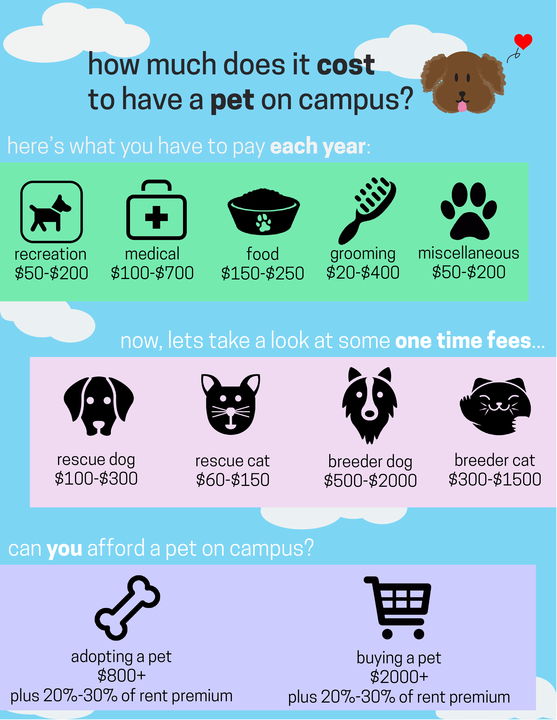
The first cost you’ll encounter is the adoption fee. This fee can vary significantly depending on the shelter or rescue organization. Some shelters may charge as little as $50, while others might ask for upwards of $300. These fees usually cover basic veterinary care, spaying or neutering, and sometimes even microchipping. While the price might seem steep, it’s a small investment for the love and joy a dog brings to your life.Vaccinations And Health Checks
Once you’ve adopted your dog, ensuring their health is a priority. Initial vaccinations are crucial to protect your new pet from common diseases. The cost of vaccinations can range from $75 to $200, depending on your vet and location. Health checks are equally important to detect any underlying conditions early on. Regular vet visits might seem daunting, but they are essential for a healthy, happy dog. Wouldn’t you want peace of mind knowing your furry friend is in top shape?Budgeting For Essentials
Adopting a dog involves costs beyond the initial adoption fee. Budgeting for essentials like food, vet visits, and grooming is crucial. Be prepared for unexpected expenses, ensuring you can provide a loving home for your new furry friend.
Budgeting for essentials is a crucial part of adopting a dog. You want to ensure your new furry friend is well-cared for without breaking the bank. Preparing financially for the basics will help you provide a comfortable life for your pet, while also managing your own expenses. Let’s dive into the essentials you need to consider.Food And Nutrition
Choosing the right food for your dog is vital for their health and happiness. Different breeds and sizes have varying nutritional needs. Aim for high-quality food that suits your dog’s specific requirements. Research brands that offer balanced diets with essential nutrients. Consider consulting your vet for recommendations. Buying in bulk can save money in the long run, especially if you find a brand your dog loves. Remember, treats are part of their nutrition too. Look for healthy options that complement their daily diet. Keeping an eye on sales and discounts can help make treats more affordable.Basic Supplies
Your dog will need some basic supplies to settle into their new home. Think about items such as a comfortable bed, a sturdy leash, and food and water bowls. These are the foundation of creating a safe environment for your pet. Consider investing in quality items that will last longer. A durable leash, for example, will save you from frequent replacements. It’s also worth checking second-hand stores or online marketplaces for deals on gently used supplies. Don’t forget grooming tools like brushes and nail clippers. Regular grooming keeps your dog healthy and happy, and buying these tools upfront can save on professional grooming costs. Have you budgeted for these essentials yet? Ensuring you’re financially prepared makes adopting a dog a rewarding experience for both you and your new companion.Healthcare Expenses
Adopting a dog involves healthcare expenses like vaccinations, regular check-ups, and potential emergencies. These costs can vary widely. Planning ahead ensures your furry friend stays healthy and happy.
Adopting a dog brings joy and responsibility. One key responsibility is healthcare expenses. These costs ensure your furry friend stays healthy and happy. Understanding potential healthcare expenses helps you budget effectively.Routine Veterinary Visits
Routine vet visits are essential for your dog’s health. These visits include vaccinations, check-ups, and dental care. Regular check-ups help detect issues early. This can save on expensive treatments later. Vaccinations protect against diseases. They are usually required by law. Dental care prevents tooth decay and gum disease. These visits cost between $50 to $250 annually. Prices vary based on location and vet clinics.Emergency Care
Emergency care is unpredictable but crucial. Accidents or sudden illnesses can happen anytime. Emergency vet visits are often costly. They range from $200 to $2,000 or more. Costs depend on the severity and treatment needed. Having a pet insurance plan can help manage these expenses. It reduces financial stress during unexpected situations. Ensure to find a reliable 24-hour vet clinic near you. This ensures quick access during emergencies.Training And Socialization
Adopting a dog involves costs beyond initial fees. Training and socialization are crucial for a happy pet. They ensure dogs adjust well to new homes, reducing stress and behavioral issues. Investing in these areas is key for a successful adoption experience.
Training and socialization are crucial when adopting a dog. These steps ensure your new pet adjusts well to its environment. Proper training fosters good behavior and strengthens your bond. Socialization introduces them to new experiences, reducing fear and anxiety. Both aspects contribute to a happy, well-adjusted dog.Behavior Classes
Behavior classes help your dog learn basic commands. They teach skills like sit, stay, and come. Classes often take place in group settings. This encourages interaction with other dogs. Professional trainers guide these sessions. They offer techniques to reinforce positive behavior. These classes vary in cost based on location and trainer. Investing in behavior classes can prevent future issues. It’s a step towards a well-mannered companion.Socialization Opportunities
Socialization is key for a dog’s emotional health. Introduce your dog to different environments. Visit parks, pet-friendly cafes, or busy streets. These outings expose them to diverse sounds and sights. Meeting other dogs and people is important. It builds confidence and reduces fear of strangers. Puppy playdates or dog meet-ups are great. They offer safe spaces for interaction. The goal is a relaxed, sociable pet. Socialization can be cost-effective. Many public places welcome dogs without extra fees.Grooming And Maintenance
Adopting a dog is a heartwarming journey, filled with wagging tails and unconditional love. Yet, the joy comes with responsibilities, especially when it comes to grooming and maintenance. Understanding these needs ensures your furry friend is healthy and happy, and helps you budget effectively. Let’s dive into the specifics.
Regular Grooming Needs
Regular grooming is more than just keeping your dog looking its best. It plays a crucial role in their health. Depending on the breed, grooming needs can vary significantly.
- Short-haired dogs might require simple brushing a few times a week.
- Long-haired breeds, like Golden Retrievers, may need daily brushing to prevent tangles and mats.
- Professional grooming every couple of months can be beneficial for dogs with complex grooming needs, like Poodles.
Consider your dog’s comfort and your convenience. Would you prefer to do it yourself or hire a professional? Balancing these choices can influence your budget.
Flea And Tick Prevention
Flea and tick prevention is essential for maintaining your dog’s health. These pests can cause serious health issues, so investing in preventive measures is crucial.
- Monthly topical treatments or oral medications are common choices.
- Natural remedies, like essential oils, can be a cost-effective alternative.
- Consulting your vet about the best options for your dog’s breed and lifestyle is wise.
Imagine a summer hike with your dog, free from worries about ticks. Isn’t that peace of mind worth the cost of prevention? By prioritizing these aspects, you protect your dog and your wallet from unforeseen vet bills.
Grooming and maintenance are integral parts of dog ownership. Are you prepared to integrate them into your routine? Your choices today will shape a healthier tomorrow for your four-legged friend.

Credit: www.azhumane.org
Saving On Pet Expenses
Adopting a dog can be a cost-effective choice for pet lovers. Initial fees often include vaccinations and spaying or neutering. This upfront expense can save money compared to buying a pet from a breeder.
Adopting a dog is a rewarding experience, but it can also come with financial considerations. While the initial adoption fee might seem significant, there are numerous ways to save on pet expenses, ensuring your furry friend receives the best care without breaking the bank. With a little creativity and resourcefulness, you can provide a loving home without compromising on quality or comfort. Let’s explore some practical ways to save on pet expenses.Affordable Pet Products
Finding affordable pet products doesn’t mean you have to compromise on quality. Many online platforms offer competitive prices on essential items like food, toys, and grooming supplies. Subscribe to newsletters for exclusive deals and discounts, often available around major holidays or pet-themed events. Local pet stores often hold sales or clearance events where you can find great bargains. Joining loyalty programs can also earn you points, leading to future discounts. Check out community buy-and-sell groups for lightly used pet items at a fraction of the cost.Discounted Veterinary Services
Veterinary costs can add up quickly, but there are options to keep these expenses manageable. Many vet clinics offer package deals or wellness plans that cover routine check-ups and vaccinations at a reduced rate. Non-profit organizations and animal shelters frequently provide low-cost or even free clinics for spaying, neutering, and vaccinations. It’s worth calling around to find a vet who might offer discounts for seniors, veterans, or multiple pet households. Consider pet insurance to help manage unexpected medical costs. While it’s an additional monthly expense, it can save you from large, unexpected bills in the future. Evaluate different policies to find one that fits your budget and your pet’s needs. Have you considered setting up a savings fund for your pet? Even a small, regular contribution can build up over time, providing a cushion for any unforeseen expenses. Being proactive about pet expenses can make a significant difference in your financial peace of mind.Long-term Financial Planning
Long-term financial planning for adopting a dog involves initial costs like adoption fees and supplies. Ongoing expenses include food, vet visits, and grooming.
Long-Term Financial Planning Adopting a dog is a heartwarming decision, but it also brings financial responsibilities that last beyond the initial adoption costs. Planning for these long-term expenses can ensure your furry friend gets the care they deserve without straining your budget. Let’s explore two critical aspects of financial planning for dog ownership.Setting Up A Pet Fund
Creating a dedicated pet fund can be a lifesaver in unexpected situations. Consider starting with a small amount each month, akin to saving for a rainy day. Why not make it a fun challenge? Try setting aside the equivalent of a daily coffee run each week. You’ll be amazed at how quickly it adds up. This fund can cover sudden vet bills or grooming needs without disrupting your monthly budget.Insurance Options
Pet insurance can be a game changer, offering peace of mind and financial relief in emergencies. Research different plans to find one that suits your dog’s breed, age, and health needs. Imagine the relief of knowing a sudden illness won’t drain your savings. Some plans even cover routine care, like vaccinations, helping you manage costs effectively. Have you considered whether insurance might suit your dog’s lifestyle? Taking the time now can save you big bucks later.
Credit: www.facebook.com
Frequently Asked Questions
How Much Does Dog Adoption Cost?
Dog adoption costs vary widely based on location and breed. Typically, fees range from $50 to $350. These fees often include vaccinations, spaying/neutering, and a health check. Some shelters may offer discounts during special events or for senior dogs. Always consider additional costs like food, toys, and vet visits.
What Factors Influence Dog Adoption Fees?
Adoption fees depend on factors like the dog’s age, breed, and health condition. Shelters may charge more for puppies and purebred dogs. Fees can also reflect the shelter’s operational costs. The location and demand for certain breeds may further impact pricing.
Researching different shelters can provide more options.
Are There Hidden Costs In Adopting A Dog?
Yes, adopting a dog involves additional costs beyond the adoption fee. You need to budget for food, toys, and grooming. Regular vet visits for vaccinations and check-ups are essential. Unexpected health issues might require extra expenses. Training classes can also be beneficial, especially for young dogs.
Is Adopting A Dog Cheaper Than Buying?
Adopting a dog is generally more affordable than buying one. Purchase prices for dogs can be several thousand dollars, especially for purebreds. Adoption fees are lower and often include basic medical care. Choosing adoption supports shelters and rescues, providing homes for dogs in need.
Conclusion
Adopting a dog involves various costs and responsibilities. From initial fees to routine care, budgeting is key. Consider vet visits, food, and supplies. Your time and love matter too. Dogs need attention and exercise. It’s not just a financial decision; it’s emotional.
Ensure you’re ready for the commitment. A dog becomes family. The joy and companionship they bring are priceless. Prepare wisely and embrace the journey. Each wagging tail is worth the effort. A well-cared-for dog enriches life immensely. Plan carefully, and enjoy the bond you’ll build.
A dog’s loyalty is forever.