Are you curious about what dog breeds are banned in Florida? Whether you’re a dog lover or considering a move to the Sunshine State, understanding these regulations is crucial.
Imagine the disappointment of not being able to bring your beloved pet with you. This article will help you navigate the complexities of breed-specific legislation and ensure you’re fully informed. We’ll explore why certain breeds face restrictions and how these laws impact you and your furry friend.
Stick with us to uncover the details and avoid any surprises.
Credit: www.miamiherald.com
Banned Dog Breeds In Florida
Florida is known for its sunny beaches and vibrant culture. But, the state also has strict rules about dog breeds. Certain breeds face bans due to safety concerns. These regulations aim to protect residents and their pets.
Overview Of Restrictions
Florida does not have a statewide ban on specific dog breeds. Instead, local governments decide restrictions. Cities and counties set rules based on community needs. Regulations may vary widely. Some areas might have no bans, while others enforce strict breed bans.
Common Reasons For Bans
Dog bans in Florida usually stem from safety issues. Aggressive behavior in certain breeds raises concerns. These breeds might pose a threat to people and other animals. Liability risks also play a role. Insurance companies often refuse coverage for certain breeds. This can lead to increased restrictions.
Credit: www.miamiherald.com
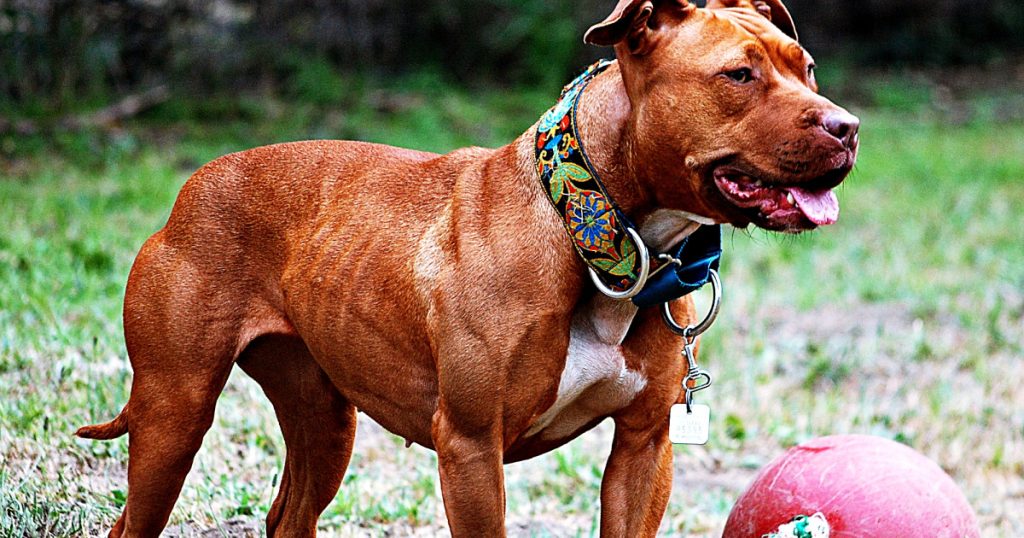
Pit Bull Terriers
Florida bans several dog breeds, including Pit Bull Terriers, due to safety concerns. These laws aim to protect residents from aggressive behavior. Owners should research local regulations before getting a pet.
Pit Bull Terriers, often misunderstood, have a controversial reputation. Known for their strength and loyalty, they can be loving family pets. Unfortunately, their image has been tarnished by reports of aggression. This has led to bans in various regions, including parts of Florida.Historical Background
The origin of Pit Bull Terriers traces back to England. They were bred for bull-baiting and later as farm dogs. Their muscular build and tenacity made them popular for dog fighting. This history contributed to their aggressive stereotype. In recent decades, incidents involving Pit Bulls have fueled public fear. Media coverage amplified these fears, portraying them as dangerous. This perception has impacted laws regarding Pit Bull ownership.Specific Florida Legislation
Florida has specific laws regarding Pit Bull ownership. Miami-Dade County has a ban on Pit Bulls. This law came after an increase in attacks. Owners face fines if found with these dogs. Other counties might have restrictions rather than bans. These laws aim to protect citizens from potential harm. They also seek to manage public safety concerns. Owners often must follow strict guidelines. These include liability insurance and secure fencing.Rottweilers
Rottweilers are among the dog breeds banned in some parts of Florida. These bans often arise due to concerns over aggression. Each locality may have different rules, so check local laws for guidance.
Rottweilers, known for their strength and loyalty, often face scrutiny. Their imposing presence and protective nature attract attention. In Florida, some areas restrict Rottweilers due to specific concerns. Understanding these issues is essential for dog owners.Behavioral Concerns
Rottweilers are powerful and assertive. Their natural guarding instincts can be misunderstood. Training and socialization are crucial for managing their behavior. Without proper guidance, they might show aggression. This can lead to dangerous situations, impacting community safety. Responsible ownership helps mitigate these risks.Local Ordinances
Florida has varied dog ordinances. Some counties ban Rottweilers based on risk assessments. These laws aim to protect residents and pets. Restrictions may include special permits or insurance requirements. Knowing local rules is vital before adopting a Rottweiler. It ensures compliance and community harmony.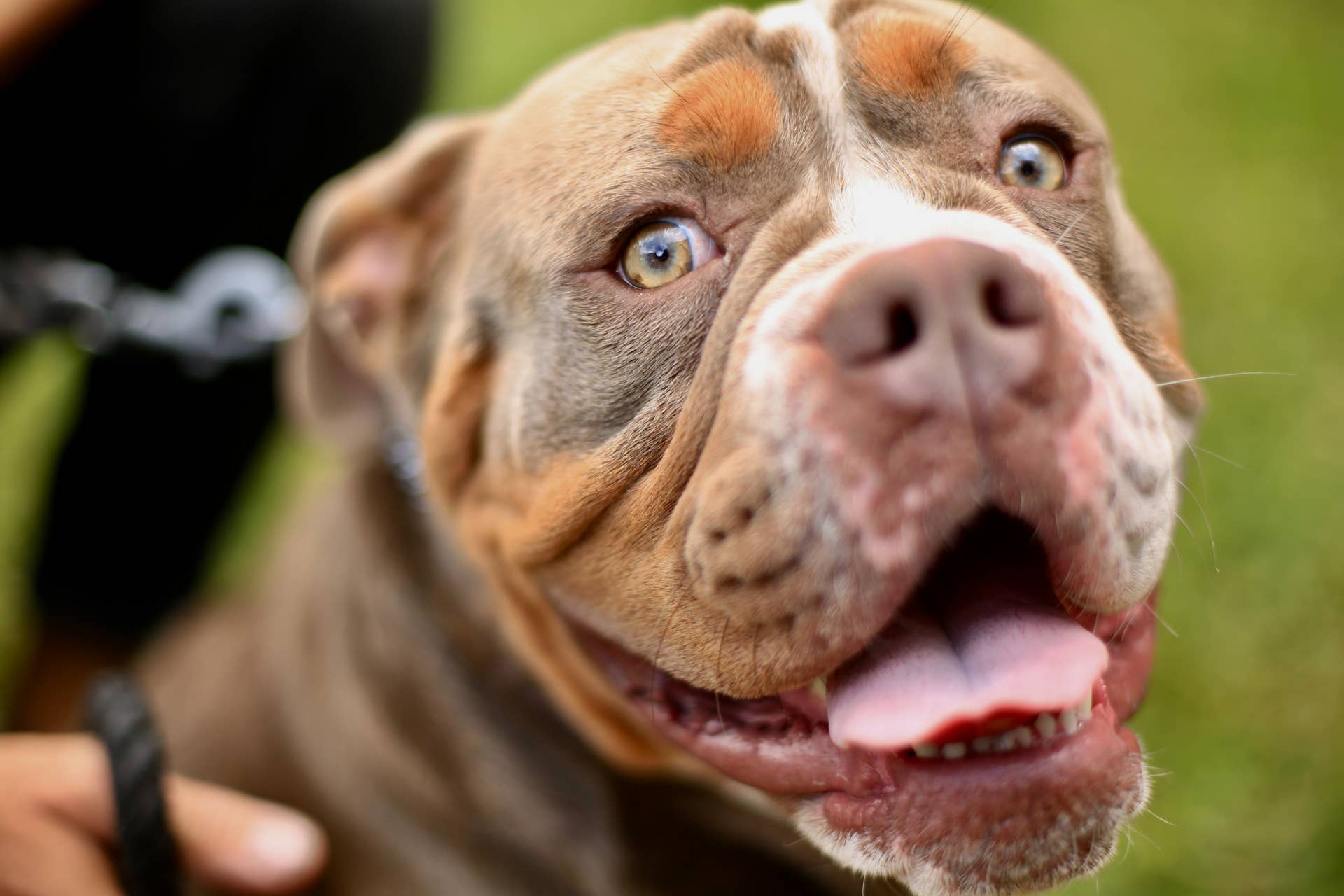
Credit: pethelpful.com
Doberman Pinschers
Doberman Pinschers are often on the list of banned breeds in Florida. Known for their protective nature, they can be seen as a liability in some areas. This leads to restrictions in certain regions.
Doberman Pinschers are often seen as the quintessential guard dogs. With their sleek coats and alert expressions, they exude confidence and intelligence. Their protective nature makes them a popular choice for families and individuals looking for a loyal companion. But in Florida, the perception of Dobermans can be mixed due to certain restrictions and societal views.Public Perception
Doberman Pinschers have a reputation that precedes them. Many people see them as fierce protectors, which can be intimidating if you’re not familiar with the breed. However, this perception doesn’t always match reality. For instance, a friend of mine owns a Doberman named Max. Contrary to popular belief, Max is gentle and loves playing with children in the neighborhood. It’s crucial to remember that a dog’s behavior often reflects its upbringing and training, not just its breed. Why do you think some breeds get labeled as aggressive without considering individual temperament? It’s a question worth pondering, especially if you’re considering adding a Doberman to your family.Statutory Regulations
In Florida, no statewide ban specifically targets Doberman Pinschers. However, some local ordinances might impose restrictions or guidelines on owning them. It’s essential to check with your local government or homeowners association for any specific rules. Interestingly, these regulations often stem from insurance companies’ reluctance to cover certain breeds. This can complicate matters for homeowners looking to ensure their properties. Before adopting a Doberman, ensure you have all the information you need about local laws. Doing your homework can save you from unexpected challenges down the road. In the end, understanding both public perception and statutory regulations can help you make informed decisions. Don’t let misconceptions steer you away from what could be a rewarding companionship with a Doberman Pinscher.German Shepherds
German Shepherds are not banned in Florida. Some other breeds face restrictions due to perceived aggression risks. Always check local laws for specific breed regulations.
German Shepherds have long been admired for their intelligence and loyalty. These dogs often serve as police and service dogs due to their abilities. In Florida, the topic of banning certain dog breeds, including German Shepherds, stirs debate. While not banned statewide, some communities have restrictions.Risk Factors
German Shepherds are strong and protective by nature. This can sometimes lead to aggressive behavior if not properly trained. Their strength and size make them capable of causing harm if they feel threatened. Inexperienced owners may struggle to manage their energy and instincts. Training is vital to prevent potential risks. Proper socialization reduces aggressive tendencies. A well-trained German Shepherd can be a gentle family companion. Without guidance, they may become defensive and unpredictable.Community Opinions
Opinions about German Shepherds vary among Florida residents. Many people believe they pose no threat with proper training. Some communities, however, fear their potential for aggression. This fear can lead to breed-specific restrictions. Supporters argue that banning breeds is unfair. They believe it punishes responsible owners. Others see these restrictions as necessary for public safety. The debate continues as communities weigh the benefits and drawbacks. Informed residents can shape local policies. Education about the breed helps reduce fear and misunderstanding.Breed-specific Legislation
Breed-Specific Legislation (BSL) aims to control certain dog breeds. These laws target breeds considered dangerous. Florida has implemented BSL in various cities. The focus is mainly on pit bulls and related breeds. BSL seeks to reduce dog attacks and enhance public safety. Critics argue that it punishes responsible owners unfairly.
Controversies And Debates
BSL remains a hot topic in Florida. Many people argue against breed discrimination. They believe behavior, not breed, should be the focus. Dogs are individuals, shaped by their upbringing. Responsible owners train their pets well. Critics say BSL ignores this fact. Animal rights groups often protest breed bans. They push for more humane solutions. Breed bans spark passionate debates statewide. These debates influence public opinion and policy.
Impact On Owners
BSL affects dog owners deeply. Some face challenges keeping their pets. They must comply with strict regulations. Sometimes, relocation becomes necessary. This disrupts families and pets alike. Owners spend money on compliance measures. Insurance and housing can become difficult. Many feel overwhelmed by breed restrictions. They worry about their pet’s future. BSL can strain pet-owner relationships. It creates stress and uncertainty for many.
Alternatives To Banning
Exploring alternatives to banning certain dog breeds in Florida can ensure safety without exclusion. Community education and proper training programs may offer practical solutions, fostering responsible pet ownership and reducing risks associated with specific breeds.
Banning certain dog breeds can seem like a quick fix, but it often ignores deeper issues. Instead of focusing on prohibition, why not consider alternatives that foster harmony between dogs and their communities? By embracing education and responsible ownership, we can create safer environments for both pets and people.Training And Education
Training is a powerful tool that can transform any dog into a well-behaved companion. Positive reinforcement techniques help dogs learn desired behaviors effectively. When communities invest in training programs, they empower owners with skills to manage their pets responsibly. Education extends beyond training dogs; it includes informing the public. Workshops and seminars can debunk myths about certain breeds and promote understanding. When people are informed, fear diminishes, and acceptance grows.Responsible Ownership
Being a responsible pet owner means more than just loving your dog. It involves understanding your pet’s needs and ensuring they are met. Regular vet visits, exercise, and socialization are key components. Community initiatives can support responsible ownership by offering resources. Local dog clubs or online groups can be great places to share tips and experiences. When owners are supported, they are more likely to raise well-adjusted pets. Wouldn’t it be great if more communities focused on these alternatives? By investing in training and supporting responsible owners, we can tackle the root causes of issues without resorting to bans.Legal Challenges And Appeals
Breed bans in Florida have sparked legal battles and appeals. Owners challenge these laws, arguing for their beloved pets. Courts face complex questions about public safety and individual rights. This section explores notable cases and the future of breed bans.
Notable Cases
Florida has seen high-profile legal battles over dog breed bans. One case involved a family fighting to keep their pit bull. The county enforced a strict ban, despite the dog’s history of good behavior. The court considered the dog’s temperament and owner responsibility. This case highlighted the emotional and legal complexities of breed bans.
Another case focused on a service dog of a banned breed. The owner argued the dog was essential for their disability. The court had to balance disability rights with public safety concerns. This case set a precedent for service dogs and breed bans in Florida.
Future Of Breed Bans
The future of breed bans in Florida remains uncertain. Legal challenges continue to reshape the landscape. Some advocates push for laws based on behavior, not breed. They argue for assessments of individual dogs. This approach could replace blanket bans.
Technological advances might influence future bans. DNA tests can determine breed mixes with accuracy. This could lead to more precise regulations. New laws might focus on owner education and accountability. Breed-specific legislation may evolve with these changes.
Frequently Asked Questions
What Dog Breeds Are Banned In Florida?
Florida does not have a state-wide ban on specific dog breeds. However, certain cities and counties in Florida have breed-specific legislation. These often target breeds like Pit Bulls. It’s important to check local laws for any restrictions.
Are Pit Bulls Banned In Florida?
Pit Bulls are not banned statewide in Florida. However, some local ordinances, like in Miami-Dade County, restrict them. Always check the specific regulations of your county or city for accurate information.
Why Are Some Dog Breeds Banned?
Some dog breeds are banned due to perceived aggression. This is often based on past incidents or reputations. Breed-specific legislation aims to reduce dog attacks, though its effectiveness is debated. Always research local laws for precise details.
How Can I Find Banned Breeds In My Area?
To find banned breeds, check local government websites or contact animal control. They provide the most accurate information on breed restrictions. Additionally, your local veterinarian may offer guidance on pet regulations.
Conclusion
Understanding dog breed bans in Florida is crucial for pet owners. Regulations vary by county, impacting where certain breeds can live. Research local laws before adopting a dog. This ensures compliance and a safe environment for your pet. Responsible ownership involves knowing these rules.
It protects you and your community. Always prioritize your pet’s welfare. Stay informed and make thoughtful decisions. Breed bans may change, so regularly check for updates. Being proactive helps avoid legal issues. Knowledge empowers responsible dog ownership. Your pet deserves a loving and lawful home.


