How to Fix Dry Skin on Dogs: Effective Solutions
Does your furry friend constantly scratch or seem uncomfortable due to dry skin? You’re not alone.
Many dog owners like you face this common issue, and it can be worrying to see your pet in distress. But don’t fret! Fixing dry skin on dogs is easier than you might think. Imagine your dog with a shiny, healthy coat, free from irritation.
This is achievable, and we’re here to guide you every step of the way. You’ll discover practical tips and solutions that will not only soothe your dog’s skin but also enhance their overall well-being. Are you ready to make your pet’s comfort a priority? Keep reading to learn how you can help your beloved companion feel their best.

Credit: lavengel.com
Causes Of Dry Skin In Dogs
Various factors can cause dry skin in dogs, including allergies, poor nutrition, or frequent bathing. Ensuring a balanced diet and using proper dog shampoo can help alleviate this issue effectively.
Understanding the causes of dry skin in dogs can be the first step in alleviating your furry friend’s discomfort. Dry skin in dogs isn’t just a cosmetic issue; it can lead to more serious health problems if left untreated. Various factors could contribute to this condition, ranging from environmental elements to specific health issues. Recognizing these causes can help you take better care of your dog and keep its skin healthy and hydrated.Environmental Factors
External elements can wreak havoc on your dog’s skin. Harsh weather conditions like extreme cold or heat can strip moisture from the skin, leaving it dry and flaky. If you notice your dog scratching more during certain seasons, it could be the weather. Indoor conditions, such as low humidity in winter, can also contribute to dry skin. Consider using a humidifier to add moisture to the air in your home.Dietary Influences
What your dog eats plays a crucial role in its skin health. A diet lacking essential fatty acids can lead to dry skin. Omega-3 and Omega-6 are vital for maintaining healthy skin and fur. Ensure your dog’s food contains these nutrients. If you’re unsure, consult your vet for advice on supplements. You might be surprised how a simple diet adjustment can make a world of difference.Underlying Health Conditions
Sometimes, dry skin is a sign of a deeper health issue. Conditions like hypothyroidism or allergies can manifest through skin problems. Keep an eye out for other symptoms like lethargy or excessive scratching. If you suspect an underlying condition, a visit to the vet is essential. Your dog’s health is too important to ignore potential red flags.Breed Predispositions
Certain breeds are more prone to dry skin than others. Breeds like Bulldogs, Labradors, and Terriers are known to have sensitive skin. If you own one of these breeds, you may need to take extra precautions. Regular grooming and using the right products can help manage dry skin. Knowing your dog’s breed-specific needs can go a long way in prevention. Understanding these causes can empower you to make informed decisions about your dog’s care. Are you addressing all these factors in your pet’s life? Taking proactive steps now could save you and your dog a lot of discomfort later.
Credit: lavengel.com
Symptoms Of Dry Skin
Recognizing dry skin symptoms in dogs is crucial for their well-being. Dry skin can cause discomfort and lead to more severe issues if left untreated. Understanding the symptoms helps in timely intervention, ensuring your furry friend stays healthy and happy.
Visible Signs
Dry skin in dogs often shows through visible signs. You might notice flaky skin, resembling dandruff, on your dog’s coat. Redness or inflamed patches on the skin are common indicators. Your dog’s fur may appear dull or have bald spots. These signs suggest the skin is not as healthy as it should be.
Behavioral Indicators
Behavioral changes can also signal dry skin. Your dog may scratch or lick certain areas excessively. This behavior indicates irritation or discomfort. Restlessness or frequent rubbing against furniture may also be observed. These actions show your dog is trying to relieve itchiness caused by dry skin.
Severity Assessment
Assessing the severity of dry skin helps in deciding the appropriate response. Mild cases may only show some flakiness or occasional scratching. Moderate cases might include persistent itchiness and visible irritation. Severe cases often have open sores or infections due to excessive scratching. Understanding the severity helps in choosing the right treatment.
Home Remedies For Dry Skin
Coconut oil can soothe your dog’s dry skin, adding moisture and reducing itchiness. Oatmeal baths are another effective remedy, calming irritation and hydrating the skin naturally. Regular grooming and proper diet also play vital roles in maintaining your dog’s healthy skin.
Home Remedies for Dry Skin Dealing with a dog’s dry skin can be challenging. It may lead to itching, discomfort, and irritation. Thankfully, there are effective home remedies to soothe your furry friend. Simple treatments can bring relief and improve skin condition. Explore these easy remedies to keep your dog happy and healthy.Moisturizing Treatments
Moisturizing is vital for soothing dry skin in dogs. Apply a gentle, dog-safe moisturizer. Choose products specifically made for pets. Check the labels for natural ingredients. Aloe vera is a great choice. It hydrates and calms irritated skin. Bathing your dog with oatmeal can help. Oatmeal baths are soothing and reduce inflammation. Ensure the water is lukewarm, not hot. After bathing, pat the fur dry gently.Natural Oils And Balms
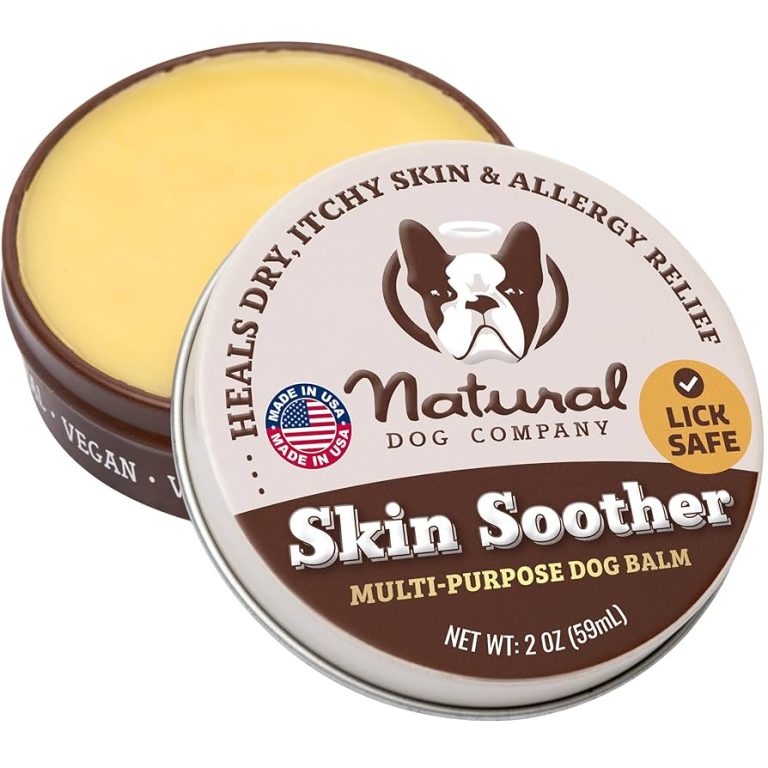
Natural oils work wonders for dry skin. Coconut oil is a popular choice. It moisturizes and fights bacteria. Rub a small amount into the skin. Do this daily for best results. Olive oil is another option. It nourishes the skin deeply. Balms made from shea butter are effective too. They create a protective barrier on the skin. These oils and balms are safe and easy to use.Regular Grooming Tips
Regular grooming keeps the skin healthy. Brush your dog’s fur often. It removes dead skin cells and stimulates circulation. Use a soft brush for sensitive skin. Avoid harsh brushes that may irritate. Check for parasites like fleas during grooming. They can worsen dry skin issues. Trim your dog’s nails to prevent scratching. Scratching can lead to infections. Follow these tips for a happier, healthier dog.Dietary Adjustments
Dietary adjustments can be a game-changer in managing your dog’s dry skin. Just like humans, dogs need a balanced diet to maintain healthy skin. By making strategic changes to your dog’s diet, you can address underlying nutritional deficiencies that may be contributing to their skin issues. Let’s dive into the essential components of a diet that supports skin health.
Nutrient-rich Foods
Start by incorporating nutrient-dense foods into your dog’s meals. Foods rich in omega-3 and omega-6 fatty acids, such as fish and flaxseed, are known to improve skin health. These healthy fats help reduce inflammation and promote a glossy coat. Consider adding cooked sweet potatoes and carrots, which are packed with beta-carotene and vitamin A, essential for skin repair and growth.
Don’t forget about protein! High-quality proteins from sources like chicken, turkey, or eggs provide essential amino acids that are vital for skin regeneration. If possible, opt for organic or natural options to avoid chemicals that might irritate your dog’s skin.
Hydration Importance
Hydration plays a crucial role in maintaining healthy skin. Make sure your dog has access to fresh, clean water at all times. Consider adding moisture-rich foods to their diet, such as cucumbers or watermelon, which can aid in hydration.
Wet dog food can also be a great alternative, as it contains higher water content than dry kibble. This not only helps keep your dog hydrated but can also improve their digestion and nutrient absorption. Is your dog getting enough water daily?
Supplements For Skin Health
Supplements can be a valuable addition to your dog’s diet. Omega-3 supplements, like fish oil or krill oil, are highly recommended for dogs suffering from dry skin. They help keep the skin supple and reduce itchiness.
Consider adding a vitamin E supplement, which acts as an antioxidant to protect and repair skin cells. You can also look into zinc supplements, as zinc deficiency can lead to skin problems in dogs.
Always consult your vet before starting any supplement regimen to ensure it’s tailored to your dog’s specific needs. Have you considered how supplements could enhance your dog’s diet?
Professional Treatments
Professional treatments for dry skin on dogs include moisturizing shampoos and conditioners. These products soothe irritation and restore skin hydration effectively. Regular vet visits ensure proper diagnosis and tailored treatment plans.
Dealing with your dog’s dry skin can be a real challenge, and sometimes, home remedies just don’t cut it. At this point, seeking professional treatments can be a game-changer. These options can provide targeted relief and ensure your furry friend gets back to feeling their best. Let’s dive into some effective professional treatments available for dry skin in dogs.Veterinary Care Options
When your dog’s skin condition persists, a visit to the vet is crucial. A professional assessment can help identify underlying causes such as allergies, nutritional deficiencies, or infections. Your vet can perform tests to pinpoint the issue and recommend a tailored treatment plan. Veterinarians can also suggest dietary changes or supplements to improve your dog’s skin health. Have you ever considered how your dog’s diet might be affecting their skin? It’s a factor worth exploring with your vet.Medicated Shampoos
Medicated shampoos are another effective professional treatment for dry skin. Vets often recommend these shampoos because they contain ingredients that address specific skin issues. Some focus on reducing inflammation, while others combat bacteria or fungi. Regularly bathing your dog with a medicated shampoo can help alleviate itching and irritation. It’s important to follow the vet’s instructions on how often to use these shampoos for the best results.Prescription Solutions
In some cases, your vet might prescribe medications to tackle severe dry skin problems. These can range from oral medications to topical treatments that target specific conditions. For example, if your dog’s dry skin is due to a bacterial infection, antibiotics might be necessary. Have you ever had to give your dog medication? It can be a bit tricky, but vets often have clever tips to make the process smoother. Prescription solutions can provide relief when other treatments have failed, ensuring your pet gets the care they need. Professional treatments offer a comprehensive approach to managing dry skin in dogs. By consulting a vet and considering these options, you can take significant steps toward improving your dog’s skin health.Preventive Measures
Regular grooming helps maintain healthy skin in dogs. Use oatmeal shampoo to soothe and hydrate dry skin. Ensure your dog has access to clean water and balanced nutrition for improved skin health.
Preventive Measures Tired of seeing your furry friend struggle with dry, itchy skin? Taking proactive steps can make a world of difference in maintaining their skin health. By incorporating a few preventive measures, you can help your dog enjoy a comfortable and itch-free life.Routine Skin Checks
Regularly examining your dog’s skin can catch issues before they escalate. Look for signs of dryness, redness, or flakiness. It’s a simple habit that can prevent more serious skin conditions. Touch their skin gently, feeling for any lumps or bumps. Noticing changes early can lead to faster treatment. You might even turn this into a bonding time—your dog will appreciate the extra attention!Environmental Control
Your dog’s environment plays a crucial role in their skin health. Ensure your home is not too dry, especially during winter. Consider using a humidifier to maintain optimal humidity levels. This small device can make a big difference in preventing dry skin. Be mindful of the surfaces your dog frequently lies on. Opt for soft, clean bedding to minimize irritation.Balanced Diet Maintenance
What your dog eats can directly affect their skin. Ensure they have a balanced diet rich in essential nutrients. Foods high in Omega-3 and Omega-6 fatty acids are great for skin health. Think fish oil or flaxseed supplements. Have you ever noticed how your dog’s coat shines when they eat well? It’s a sign that their skin is getting the nutrients it needs. Engaging with these preventive measures can transform your dog’s skin health. What steps will you take to ensure your pet’s comfort today?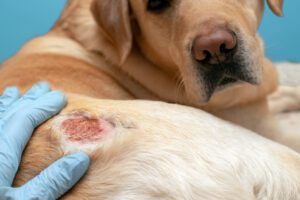
Credit: www.whole-dog-journal.com
Frequently Asked Questions
What Causes Dry Skin On Dogs?
Dry skin on dogs can result from allergies, poor nutrition, or environmental factors. Cold weather, low humidity, and frequent bathing can also contribute. Identifying the root cause is essential for effective treatment. Consult a veterinarian to determine the specific cause and appropriate solution for your dog’s dry skin.
How Can I Moisturize My Dog’s Skin?
To moisturize your dog’s skin, use a vet-recommended dog-friendly moisturizer. Regularly apply coconut oil or oatmeal-based products. Ensure your dog drinks plenty of water and maintains a balanced diet. Consult a veterinarian for personalized recommendations and treatments tailored to your dog’s specific needs.
Are There Home Remedies For Dry Dog Skin?
Yes, several home remedies can help alleviate dry skin in dogs. Coconut oil and olive oil provide natural moisture. An oatmeal bath soothes irritation and itchiness. Regularly brushing your dog’s coat helps distribute natural oils. Always consult your veterinarian before trying home remedies to ensure safety.
Can Diet Affect My Dog’s Skin Condition?
Yes, diet significantly impacts your dog’s skin health. A balanced diet with essential fatty acids supports healthy skin. Omega-3 and Omega-6 supplements can improve skin moisture. Ensure your dog receives adequate vitamins and minerals. Consult your veterinarian for a diet plan tailored to your dog’s needs.
Conclusion
Dry skin in dogs needs gentle care. Regular baths with mild shampoos help. Moisturizers soothe their skin. Ensure your dog drinks enough water. A balanced diet supports healthy skin. Look for signs of discomfort or irritation. Consult your vet for persistent issues.
They offer advice tailored to your dog’s needs. Home remedies may provide relief. But professional guidance is important for severe cases. Early treatment prevents complications. Happy dogs have healthy skin. Show them love through proper care.