How to Set Up a Dog Crate: Easy Step-by-Step Guide
Are you bringing a new furry friend into your home? Or maybe you’re looking to provide a cozy, safe space for your long-time canine companion?
Setting up a dog crate might seem straightforward, but doing it right can make a world of difference for both you and your dog. Think about it: a well-prepared crate is more than just a cage—it’s a sanctuary that can help reduce anxiety, aid in training, and give your pet a sense of security.
Imagine the peace of mind you’ll feel knowing your dog is safe and comfortable, even when you’re not around. Dive into this guide to discover how you can transform a simple crate into a welcoming retreat for your dog, enhancing their well-being and your bond.

Credit: www.ebay.com
Choosing The Right Crate
Choosing the right dog crate is vital for your pet’s comfort. A well-chosen crate provides a safe and cozy space. It helps with training and reduces anxiety. Let’s explore how to select the perfect crate for your furry friend.
Types Of Dog Crates
Dog crates come in various types. Each serves different needs:
- Wire Crates:Great for ventilation and visibility. Easy to clean and fold.
- Plastic Crates:Ideal for travel. Offers privacy and security.
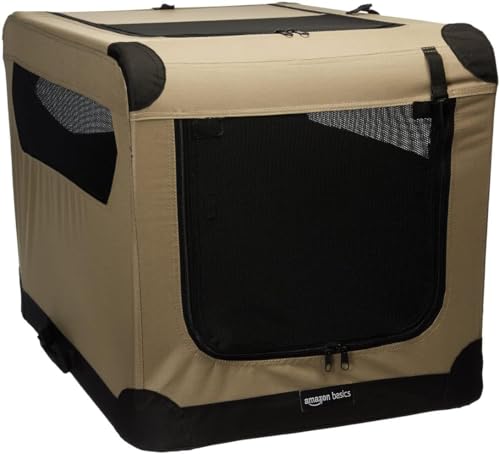
- Soft-Sided Crates:Lightweight and portable. Best for calm dogs.
- Furniture-Style Crates:Blends with home décor. Multipurpose but less portable.
Sizing The Crate
The right size is crucial for your dog’s comfort. Measure your dog from nose to tail. Add a few inches for movement. Your dog should stand and turn easily inside.
Consider your dog’s growth. If your puppy will grow, choose a size with dividers. This allows room to grow without buying a new crate.
A well-sized crate ensures your dog feels secure. Avoid crates that are too big or too small. A snug fit is best for comfort and safety.
Preparing The Crate Location
Setting up a dog crate goes beyond simply placing it in a corner. You need to consider where the crate will reside within your home to ensure your furry friend feels secure and comfortable. The right location can make your dog feel relaxed and at ease, which is crucial for successful crate training. Let’s dive into some practical tips for preparing the crate location.
Finding The Ideal Spot
Choosing the right spot for your dog’s crate is akin to selecting a prime piece of real estate in your home. Consider areas where you spend a lot of time, like the living room or kitchen. This keeps your dog feeling included and helps minimize feelings of isolation.
Avoid locations with extreme temperatures. Placing the crate near a drafty window or a heating vent can lead to discomfort. Aim for a spot with a steady temperature to maintain a pleasant environment.
Think about noise levels. A busy hallway or a room with a constantly blaring TV might not be the best choice. Find a quieter corner where your dog can rest without constant disruptions. Where do you spend most of your quiet time?
Ensuring Safety And Comfort
Safety is paramount. Ensure that the crate is stable and secure to prevent accidents. If it’s wobbly, your dog might feel anxious or even manage to escape. Double-check that all latches and locks are working properly.
Comfort is key to making your dog’s crate a haven. Place a soft blanket or bed inside to provide cushioning. This small addition can make the crate feel like a cozy nook rather than a cage.
Consider adding some toys or chewables to keep your dog entertained. A favorite toy can make the crate feel more familiar and inviting. What does your dog love to play with?
Lastly, ensure good visibility. Your dog should be able to see you from their crate, which helps reduce anxiety. This connection is vital for your pet’s peace of mind. Can you find a spot where your dog can watch you without feeling overwhelmed?
Setting Up The Interior
Create a cozy environment by placing a soft blanket inside the dog crate. Ensure adequate ventilation and light for comfort. Add a chew toy or favorite treat to make the space inviting.
Setting up the interior of a dog crate is vital for your pet’s comfort. A well-organized space helps your dog feel secure and cozy. Ensuring the interior is inviting can ease crate training. Here are some tips for creating a welcoming environment inside the crate.Adding Bedding
Bedding is essential for a comfy crate. Choose soft materials for your dog. A plush bed or blanket works well. Make sure it’s washable. Dogs can be messy, so easy cleaning is a plus. The bedding should cover the entire floor. This prevents discomfort from the hard crate surface. Avoid bedding that’s too thick. It can overheat your dog. Choose breathable fabrics.Including Toys And Chews
Toys keep your dog entertained. Include favorite toys in the crate. Chew toys are great for teeth health. They also reduce boredom. Rotate toys regularly. This keeps your dog interested. Avoid toys with small parts. They can be a choking hazard. Pick durable options. Dogs love to chew and play. Toys should be safe and engaging.Introducing Your Dog To The Crate
Setting up a dog crate involves choosing the right size and location. Make it cozy with soft bedding and toys. Gradually introduce your dog, ensuring positive experiences to foster comfort and security.
Introducing your dog to the crate is a crucial step in ensuring that they see it as a safe and comfortable space. This process requires patience and understanding, as your dog might initially be wary of this new environment. A successful introduction can make all the difference in your dog’s acceptance and eventual love for their crate.Positive Reinforcement Techniques
Start by encouraging your dog to explore the crate on their own terms. Use treats or their favorite toys to lure them inside. Reward them with praise or a treat every time they show interest or step inside the crate. This positive association will help them feel good about the crate. Consider using a clicker if you’re familiar with clicker training. It can add another layer of positive reinforcement. Each time your dog enters the crate, click and reward them immediately. This helps them link entering the crate with something enjoyable.Gradual Acclimation
Begin by leaving the crate door open during the day, allowing your dog to come and go as they please. Gradually introduce them to spending short periods inside with the door closed. Start with just a few seconds and gradually increase the time as your dog becomes comfortable. You might notice your dog showing reluctance initially. Be patient and don’t force them inside. Allow them to set the pace, ensuring each experience inside the crate is positive and stress-free. Remember, every dog is different. Some might take to the crate quickly, while others need more time. How can you make this process smoother for your dog? Observe their behavior closely, and adjust your approach based on their comfort level. The key is consistency and patience.Establishing A Crate Routine
Create a cozy space by placing a soft bed inside the crate. Introduce the crate gradually, encouraging your dog with treats. Keep the door open at first to make them comfortable. Over time, close the door for short periods to help them adjust.
Establishing a crate routine helps your dog feel safe and secure. A consistent schedule makes the crate a comforting place. It becomes a part of their daily life. Let’s explore ways to create this routine.Feeding And Resting Schedules
Align feeding times with crate time. Feed your dog before crate time. This helps them associate the crate with positive experiences. After meals, allow some time for digestion. Then, guide them to the crate for a rest. Maintain the same schedule daily. This builds a sense of predictability. Resting in the crate after meals encourages a calm environment. Dogs feel relaxed and ready for a nap. Ensure the crate is cozy. Use a soft blanket or cushion. This adds comfort and warmth.Crate Training Sessions
Start with short crate sessions. Gradually increase the time spent inside. Use treats and praise to encourage entry. Reward your dog for calm behavior. Consistency is key. Regular sessions help build familiarity. Use toys or chew items inside the crate. This keeps your dog entertained. It makes crate time enjoyable. Always supervise during initial sessions. Ensure they feel comfortable and safe. Maintain a calm demeanor when guiding them to the crate. Your attitude influences their response. Make crate time a positive experience. Over time, the crate becomes a safe retreat.
Credit: www.tiktok.com
Troubleshooting Common Issues
Setting up a dog crate can be tricky. Ensure the crate is the right size for comfort. Place it in a quiet, cozy spot to help your dog feel secure.
Setting up a dog crate can be a straightforward task, but sometimes, unexpected issues arise that can make the process challenging. Whether your dog is experiencing anxiety or attempting a daring escape, it’s crucial to address these problems effectively to ensure your furry friend’s comfort and safety. Let’s dive into some common troubleshooting tips that can make a big difference in your dog’s crate experience.Addressing Anxiety
Anxiety in dogs can manifest in various ways when they’re introduced to a crate. You might notice whining, barking, or attempts to chew through the bars. Start by making the crate a positive space. Add their favorite blanket or a soft toy inside. This gives them comfort and a sense of familiarity. Consider spending short sessions in the crate with your dog nearby to ease them into it. It’s not just about leaving them alone; it’s about building trust. Have you tried playing soothing music or using a pheromone diffuser? These subtle changes can create a calming environment for your anxious pup.Preventing Escape Attempts
Some dogs turn into Houdini when it comes to escaping crates. It’s essential to ensure the crate is secure. Double-check the locks and make sure they are dog-proof. If your dog is particularly crafty, consider zip ties as an extra measure for reinforcement. A well-fitted crate can prevent escape attempts. Ensure there’s enough room for comfort but not so much that your dog can maneuver their way out. Have you thought about observing your dog during crate time to see how they attempt their escape? It can provide valuable insights into reinforcing the weak points. Remember, every dog is unique, and what works for one might not work for another. By understanding your dog’s behavior and needs, you can tailor solutions to make the crate a safe haven rather than a source of stress.Maintaining Crate Cleanliness
Maintaining crate cleanliness is essential for a dog’s health. Regularly wash the bedding and wipe down surfaces. A clean crate ensures a comfortable and hygienic space for your pet.
Maintaining cleanliness in your dog’s crate is crucial for their health. A clean crate ensures comfort and hygiene for your furry friend. It also prevents unwanted odors and bacteria buildup. Let’s explore some practical tips to keep your dog’s crate clean and fresh.Regular Cleaning Tips
Clean the crate regularly to maintain a healthy environment. Use a mild, pet-safe cleanser and warm water. Avoid harsh chemicals that might harm your pet. Wipe down the crate’s surfaces, including corners and edges. Rinse thoroughly to remove any soap residue. Dry the crate with a clean cloth to prevent moisture buildup. Remove and wash any bedding or blankets weekly. Replace if they show signs of wear or damage.Managing Odors
Odors can develop without proper crate maintenance. Sprinkle baking soda on the crate floor to absorb smells. Leave it for a few hours, then vacuum it up. Ensure proper ventilation by placing the crate in a well-aired room. Regularly wash any toys or items your pet uses inside the crate. Consider using a pet-safe deodorizer spray for stubborn odors. Always ensure the products used are safe for pets.
Credit: www.amazon.com
Frequently Asked Questions
What Size Dog Crate Should I Choose?
Choose a crate where your dog can stand, turn, and lie comfortably. It’s essential to measure your dog’s height and length to find the perfect fit. A well-sized crate ensures comfort and security, helping with training and reducing anxiety.
Where Should I Place The Dog Crate?
Place the crate in a quiet, family-oriented room. Ensure it’s away from direct sunlight and drafts. The location should allow your dog to feel part of family activities without being overwhelmed. A comfortable spot encourages positive associations with the crate.
How Do I Make The Crate Comfortable?
Add a soft bed or blanket inside the crate. Include a few toys for entertainment. Ensure the bedding is washable and fits the crate size. A comfortable crate encourages your dog to see it as a safe, cozy haven.
How Often Should I Clean The Dog Crate?
Clean the crate weekly to maintain hygiene. Remove bedding and wash it. Wipe down the crate with pet-safe cleaners. Regular cleaning prevents odors and keeps your dog healthy. Always ensure the crate is dry before allowing your dog back inside.
Conclusion
Setting up a dog crate is simple and rewarding. First, choose the right size for comfort. Add soft bedding for warmth and relaxation. Keep favorite toys nearby for fun. Place the crate in a quiet spot. This helps your dog feel safe and secure.
Training takes patience but brings trust. With these steps, your dog will love their crate. They’ll see it as a cozy home. Enjoy the peace of mind knowing your pet is happy. A well-set crate makes a happy dog.