How to Brush Dog’S Teeth at Home: Simple Steps
Do you want to keep your dog healthy and happy? Brushing their teeth at home is a simple yet powerful way to prevent dental issues and improve their overall well-being.
Imagine a future where your dog enjoys every meal and playtime without discomfort. You have the power to make this happen right from your home! Many dog owners overlook dental care, but you can be different. You’re about to discover easy, effective techniques to ensure your furry friend’s teeth are in top shape.
Dive into this guide, and learn how you can transform your dog’s dental health with just a few minutes of your time each week. Let’s get started on keeping those tails wagging and smiles bright!
Credit: www.woofpurnayvet.com.au
Benefits Of Brushing Your Dog’s Teeth
How to Brush Dog’s Teeth at Home Brushing your dog’s teeth at home prevents plaque buildup and reduces bad breath. Regular care can help avoid expensive vet visits. Keep your pet’s mouth healthy with simple daily brushing.
Brushing your dog’s teeth at home is more than just a grooming routine—it’s an essential aspect of their overall health. Regular brushing can prevent a multitude of health issues and improve your dog’s quality of life. Understanding the benefits of this simple practice can motivate you to make it a regular part of your pet care routine.Improved Oral Health
Brushing your dog’s teeth regularly helps remove plaque and tartar, which are the primary culprits of gum disease. This preventive measure can save your dog from painful dental issues like gingivitis or periodontal disease. Healthy gums and teeth lead to a happier, more comfortable dog.Fresher Breath
Nobody enjoys bad dog breath! Regular brushing can significantly reduce the bacteria in your dog’s mouth, leading to fresher breath. This makes those puppy kisses much more pleasant for both you and your furry friend.Prevention Of Serious Health Issues
Oral bacteria can enter the bloodstream and affect vital organs like the heart, liver, and kidneys. By keeping your dog’s mouth clean, you lower the risk of these serious health problems. It’s a simple action with a significant impact on your pet’s overall well-being.Cost Savings On Vet Bills
Regular brushing can save you money in the long run by reducing the need for expensive dental cleanings or treatments. Investing a few minutes each day can help avoid costly procedures down the line. Why not take a proactive approach and keep more money in your pocket?Strengthened Bond With Your Dog
Brushing your dog’s teeth can be a bonding experience. It’s a great opportunity to spend quality time with your pet and show them that you care. Plus, your dog will likely enjoy the attention and affection during this special one-on-one time.Early Detection Of Oral Issues
When you brush your dog’s teeth regularly, you become familiar with their mouth’s normal condition. This familiarity allows you to spot any unusual changes early on. Detecting issues like loose teeth or swollen gums early can lead to prompt treatment and better outcomes. Making brushing a regular habit can transform your dog’s dental health and overall well-being. Are you ready to make this simple change for your furry friend’s sake?Choosing The Right Tools
Choosing the right tools for brushing your dog’s teeth is crucial. Proper tools ensure comfort for both you and your dog. Selecting the correct toothbrush and toothpaste makes the process easier and more effective.
Selecting A Dog Toothbrush
Dog toothbrushes come in various shapes and sizes. Some resemble human toothbrushes, while others fit over your finger. Finger brushes offer more control, especially for small dogs. Long-handled brushes work well for larger breeds. Look for soft bristles to avoid hurting your dog’s gums. Regular brushing keeps your dog’s mouth healthy.
Dog-friendly Toothpaste Options
Human toothpaste can be harmful to dogs. Choose a toothpaste made specifically for dogs. These are safe and often flavored to appeal to your pet. Popular flavors include chicken, beef, and peanut butter. A flavor your dog enjoys makes brushing easier. Read labels carefully to ensure the toothpaste is safe for dogs.
Preparing Your Dog
Brushing your dog’s teeth at home can be a rewarding experience. Proper preparation makes the process smoother for both you and your dog. Ensuring your pet is comfortable and relaxed is key. Start by creating a calm environment. Help your dog feel at ease with the tools you’ll use.
Creating A Calm Environment
Your dog senses your mood. Stay calm and positive. Choose a quiet place, free from distractions. Soft music can help relax your pet. Ensure the area is well-lit for visibility. Keep necessary items within reach to avoid interruptions.
Getting Your Dog Comfortable
Familiarize your dog with the toothbrush. Let them sniff and explore it. Use treats to create positive associations. Start gently by touching their mouth with your fingers. Gradually introduce the toothbrush. Praise your dog for calm behavior.
Step-by-step Brushing Guide
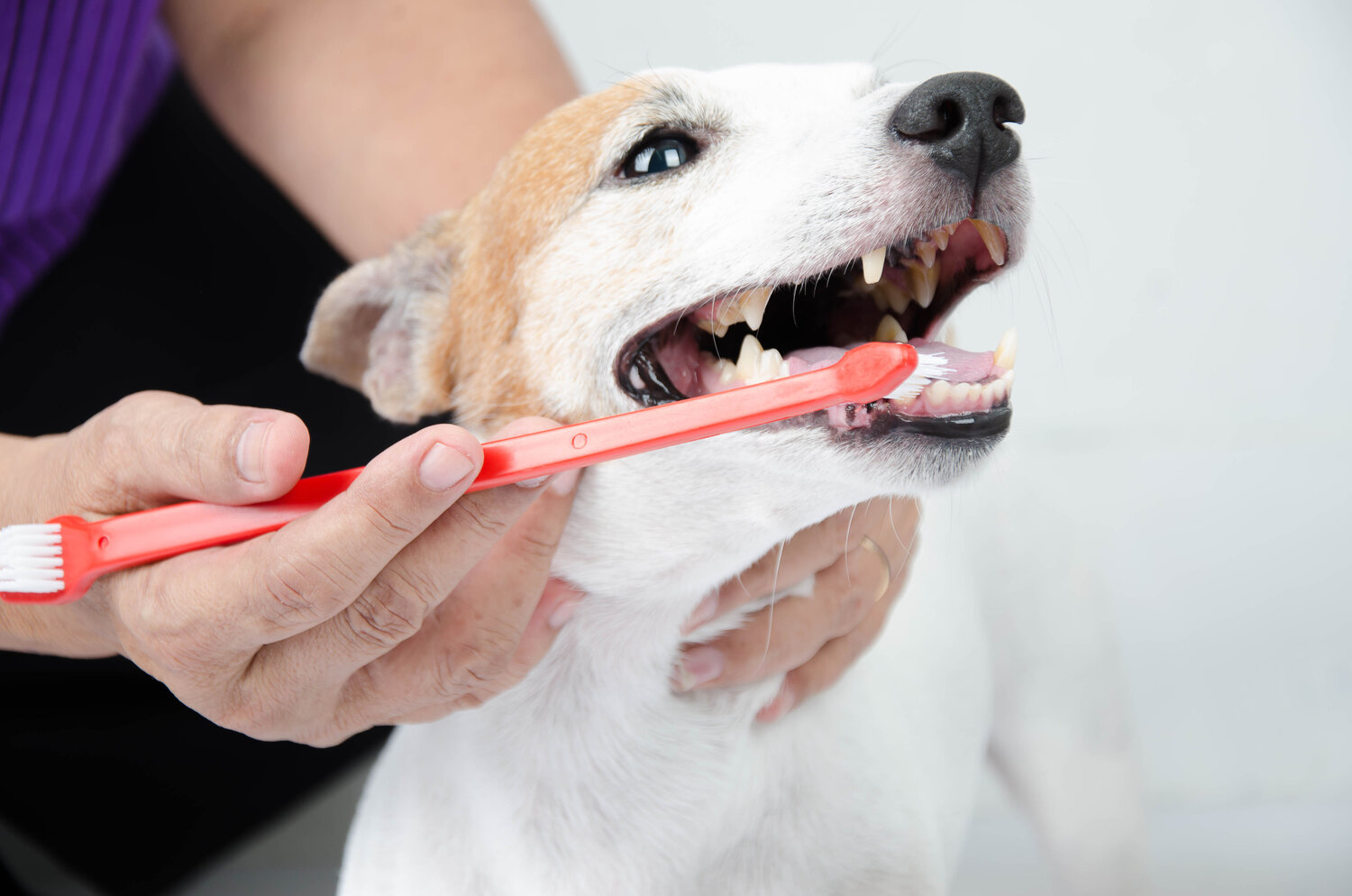
Begin by gathering supplies like a dog-safe toothbrush and toothpaste. Gently lift the dog’s lip to expose teeth. Brush in small circles, reaching all surfaces for thorough cleaning.
Brushing your dog’s teeth at home can seem daunting, but with a structured approach, it becomes manageable and even enjoyable. A step-by-step guide can help you gradually introduce this routine to your furry friend, ensuring their oral health is maintained effectively. Let’s explore how you can make this a positive experience for both you and your dog.Starting With Small Sessions
Begin by familiarizing your dog with the toothbrush and toothpaste. Choose a time when your dog is calm. Let them sniff and lick the toothpaste, making it a treat. Keep the first few sessions short. Aim for 30 seconds to a minute. Gradually increase the duration as your dog becomes more comfortable. A consistent schedule helps. Try brushing at the same time each day to build a routine that your dog can anticipate.Proper Brushing Technique
Position your dog in a comfortable spot. Sitting on the floor with them can create a relaxed atmosphere. Use a gentle approach. Place the toothbrush at a 45-degree angle to your dog’s teeth. Focus on brushing in small circles. Cover the gum line and all surfaces of the teeth. Remember to praise and reward your dog throughout the process. Positive reinforcement encourages cooperation and makes future sessions smoother. Would you be surprised to learn that many dogs love the taste of dog toothpaste? Finding a flavor your dog enjoys can make a huge difference in their willingness to participate.Handling Resistance
Handling Resistance Gently introduce the toothbrush to your dog. Allow them to sniff and explore it first. Gradually, start brushing in short sessions. Reward your dog with treats and praise to create positive associations. Stay patient and calm to reduce their anxiety.
This makes brushing a more enjoyable experience for your pet.
Brushing your dog’s teeth at home can be challenging. Many dogs resist having their teeth brushed. This resistance can make the process difficult for both you and your furry friend. Understanding how to handle this resistance is crucial. It ensures a smoother experience and promotes better dental health for your dog.Tips For Nervous Dogs
Nervous dogs may shy away from dental care. Start by letting your dog sniff the toothbrush and toothpaste. This helps familiarize them with the items. Use a calm voice and gentle gestures. This can reduce anxiety. Try brushing in short sessions. Gradually increase the duration as your dog becomes comfortable. Create a routine. Dogs feel secure with predictable schedules.Positive Reinforcement Techniques
Positive reinforcement encourages cooperation. Reward your dog with treats or praise after brushing. This makes the experience rewarding for them. Use favorite toys or activities as incentives. Playtime or a walk can be great motivators. Make brushing a bonding activity. Your dog will associate it with positive interactions. Keep rewards consistent. Consistency helps reinforce good behavior.
Credit: dogtrotting.net
Frequency And Routine
Establishing a routine to brush your dog’s teeth helps maintain oral health. Aim for brushing their teeth twice weekly. Use a dog-friendly toothbrush and toothpaste for effective cleaning.
Brushing your dog’s teeth at home is crucial for their overall health and well-being. Establishing a consistent routine helps prevent dental issues and keeps their breath fresh. But how often should you brush their teeth, and what routine should you follow? Let’s dive into some practical tips to ensure your furry friend’s oral hygiene is well-maintained.Establishing A Brushing Schedule
Creating a brushing schedule tailored to your dog’s needs is essential. Ideally, you should aim to brush your dog’s teeth daily. If that’s too challenging, strive for at least three times a week. Consider your dog’s behavior and energy levels when planning the time of day for brushing. Some dogs might be more cooperative in the morning, while others might be calmer in the evening. Test different times to find what works best for both of you.Signs Of Oral Health Issues
Understanding the signs of oral health issues can help you stay proactive. Look out for red or swollen gums, which could indicate gingivitis. Persistent bad breath is another sign that something might be amiss. If your dog experiences difficulty eating or seems to favor one side when chewing, it could point to dental pain or infections. Regularly checking for these signs ensures you catch potential issues early and seek veterinary advice promptly. Integrating teeth brushing into your dog’s routine doesn’t have to be a daunting task. Have you noticed a difference in your dog’s behavior after establishing a regular brushing routine? Share your experiences and tips with us.Additional Dental Care Tips
Brushing your dog’s teeth at home keeps their mouth healthy. Use a dog-friendly toothbrush and toothpaste. Brush gently in small circles, focusing on the gum line. Start slowly to make them comfortable. Regular brushing prevents plaque and bad breath.
Caring for your dog’s dental health doesn’t end with brushing. To keep your furry friend’s teeth in tip-top shape, consider additional dental care tips that can make a significant difference. These strategies not only support oral hygiene but also contribute to your dog’s overall well-being.Dental Chews And Toys
Dental chews and toys are fun and effective tools for maintaining your dog’s oral health. They help remove plaque and tartar as your dog chews, keeping those pearly whites clean. Look for products with the Veterinary Oral Health Council (VOHC) seal to ensure their effectiveness. Chewing is a natural behavior for dogs, and providing the right items can satisfy this instinct while promoting dental health. Have you noticed your dog enjoying a particular toy or chew? It might be doing more good than you realize, engaging their mind and cleaning their teeth simultaneously.Professional Dental Checkups
Regular professional dental checkups are crucial for maintaining your dog’s oral health. Your vet can spot issues early, preventing bigger problems down the road. It’s a chance to get expert advice tailored to your dog’s specific needs. How often should you schedule these checkups? Typically, an annual visit is recommended, but some dogs may need more frequent cleanings depending on their oral health status. Discuss with your vet to determine the best schedule for your furry companion.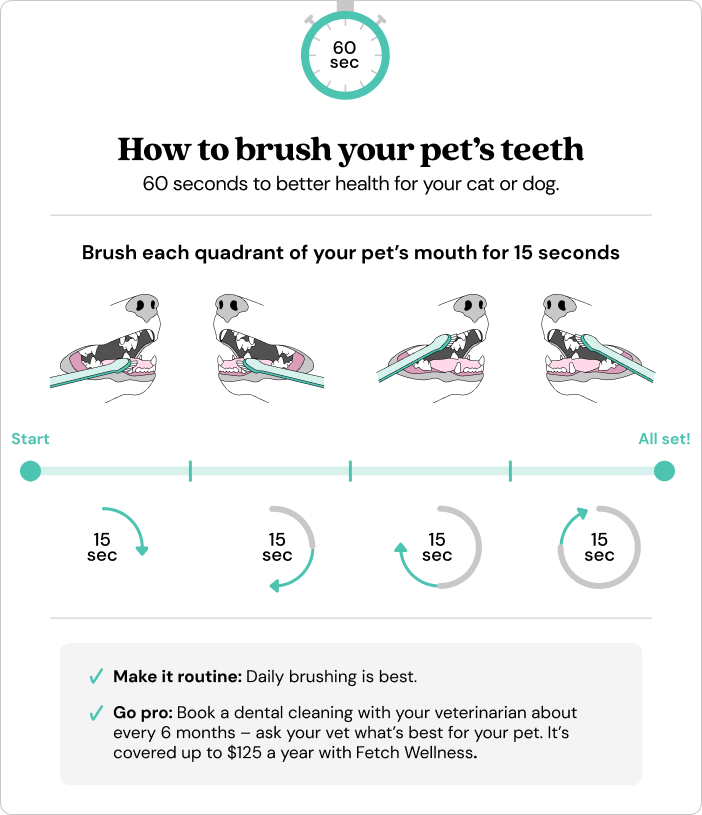
Credit: www.fetchpet.com
Frequently Asked Questions
What Tools Do I Need To Brush Dog’s Teeth?
To brush your dog’s teeth, you’ll need a canine toothbrush and toothpaste. Avoid using human toothpaste, as it can harm dogs. A finger brush can be an alternative for small dogs. You might also use dental wipes to clean the teeth if your dog resists brushing.
How Often Should I Brush Dog’s Teeth?
Brushing your dog’s teeth daily is ideal for maintaining oral health. However, brushing at least 2-3 times a week can still be beneficial. Regular brushing prevents plaque buildup and reduces the risk of gum disease. Consistency is key to keeping your dog’s teeth healthy.
Can I Use Human Toothpaste For Dogs?
No, you should not use human toothpaste for dogs. Human toothpaste contains ingredients that can be toxic to dogs. Instead, use toothpaste specially formulated for dogs, which is safe for them to ingest. Flavors like chicken or beef can make brushing more appealing to your pet.
How To Make Dog Comfortable During Brushing?
To make your dog comfortable, start slowly and let them sniff the toothbrush and toothpaste. Gradually introduce brushing in a calm environment. Use treats and praise to reward your dog. Consistent routine helps your dog get accustomed to the process over time.
Conclusion
Brushing your dog’s teeth at home keeps them healthy and happy. It prevents plaque and bad breath. Start gently with the right tools. Be patient, and reward them after. Regular brushing becomes easier with practice. Your dog will appreciate your care.
Healthy teeth mean fewer vet visits. Simple steps can lead to great health benefits. Make it a fun routine for you both. Your bond will grow stronger. Keep brushing a regular habit. Your dog’s smile will thank you!