Do You Have to Brush Dogs Teeth: Essential Care Tips
Senior Canine Nutritionist & Dog Behavior Specialist at Cozy Dog Go Wellness Lab

Are you wondering if you really need to brush your dog’s teeth? You’re not alone.
Many pet owners find themselves asking the same question. Your furry friend’s dental health might not seem urgent, but it’s more crucial than you think. Just like humans, dogs can suffer from dental issues that lead to pain and more severe health problems.
Imagine how you’d feel skipping brushing your teeth for days. Not great, right? Your dog feels the same way. But don’t worry; by the end of this article, you’ll discover why brushing your dog’s teeth is a game-changer for their health and happiness. Ready to give your pup the best care possible? Let’s dive in.
Credit: www.facebook.com
Importance Of Dental Health In Dogs
Dental health in dogs is often overlooked, yet it’s crucial for their overall well-being. Just like humans, dogs can suffer from a variety of dental issues. Regular dental care can prevent pain, discomfort, and more serious health problems.
Why Dental Health Is Essential For Dogs
Dental health affects more than just your dog’s mouth. Poor oral hygiene can lead to infections that may spread to vital organs such as the heart and kidneys. Ensuring your dog has healthy teeth and gums is a significant step towards a long, healthy life.
Moreover, dental problems can lead to severe pain and difficulty eating. Imagine your dog struggling with each bite because of a toothache. Addressing dental health early helps avoid such distressing situations.
Common Dental Problems In Dogs
- Gum Disease:This is the most common issue, affecting nearly 80% of dogs by age three. It can lead to tooth loss if not treated.
- Tooth Decay:Just like in humans, dogs can get cavities. This can cause severe pain and infection.
- Bad Breath:Often a sign of underlying dental issues, not just a simple inconvenience.
If you’ve ever noticed your dog having difficulty chewing or avoiding certain toys, these could be signs of dental trouble. Regular check-ups with your vet can catch problems early before they escalate.
Signs Your Dog Needs Dental Care
Be on the lookout for signs of dental distress. Does your dog have persistent bad breath? Are they pawing at their mouth or drooling excessively?
Other indicators include bleeding gums, discolored teeth, or a change in eating habits. These signs suggest it’s time for a dental check-up.
Ignoring these symptoms could lead to more serious health issues. Pay attention to your dog’s behavior and take action promptly.
Steps To Maintain Your Dog’s Dental Health
Wondering how you can keep your dog’s teeth in top shape? Start by brushing their teeth regularly. Aim for a few times a week using a dog-specific toothbrush and toothpaste.
Introduce dental chews into their routine. These can help reduce plaque and tartar build-up. Your vet can recommend the best options for your dog.
Schedule regular dental cleanings with your veterinarian. Professional cleanings remove tartar that brushing alone cannot. This proactive approach can save you and your dog from future health woes.
Have you incorporated dental care into your dog’s routine? If not, now is the perfect time to start. Your dog’s health and happiness depend on it.
Signs Of Dental Issues
As a loving dog owner, you might wonder if brushing your furry friend’s teeth is necessary. The truth is, dental care is crucial for your dog’s health. Identifying signs of dental issues early can make all the difference in their comfort and well-being.
Signs Of Bad Breath
Have you noticed your dog’s breath isn’t as fresh as it used to be? Persistent bad breath, or halitosis, can indicate a buildup of plaque and bacteria. While a little odor is normal, an overpowering smell might suggest a dental problem that needs attention.
Difficulty Eating
Is your dog struggling with their meals? If they’re avoiding their kibble or seem uncomfortable chewing, it could be due to dental pain. Dogs are naturally enthusiastic eaters, so a sudden change in their eating habits should raise a red flag.
Swollen Or Bleeding Gums
Have you peeked inside your dog’s mouth lately? Swollen or bleeding gums can be a sign of gum disease or infection. Healthy gums should be pink, so any redness or bleeding during chewing or playtime warrants a visit to the vet.
Excessive Drooling
Is your dog drooling more than usual? While some breeds naturally drool more, sudden excessive drooling can indicate dental discomfort. It might be a reaction to pain or an attempt to soothe irritated gums.
Visible Tartar Build-up
Have you noticed any yellow or brown stains on your dog’s teeth? Tartar build-up is a visible sign that dental hygiene has been neglected. Tartar can lead to more serious issues, like tooth decay, if not addressed promptly.
By keeping an eye out for these signs, you can take proactive steps to ensure your dog’s dental health stays in top shape. Remember, a healthy mouth contributes to a happy and playful pup.
Benefits Of Regular Brushing
Brushing dogs’ teeth regularly helps prevent plaque buildup and gum disease. It reduces the risk of bad breath, keeping your pet’s mouth healthy. Regular brushing also contributes to overall oral hygiene, improving their quality of life.
Brushing your dog’s teeth may seem like a chore. Yet, it brings many benefits that are worth the effort. Regular brushing helps maintain your dog’s oral health. It prevents plaque and tartar buildup. This can lead to serious dental issues if ignored. Keeping your dog’s mouth clean also reduces bad breath. A fresh breath makes your pet more pleasant to be around. Brushing is a simple way to boost your dog’s overall health.Prevention Of Dental Diseases
Regular brushing helps ward off dental diseases. It keeps gums healthy and strong. Healthy gums reduce the risk of infections. Plaque buildup leads to conditions like gingivitis. Brushing removes plaque before it turns into tartar.Improved Overall Health
Good oral health supports your dog’s general well-being. Oral bacteria can enter the bloodstream. This may affect heart and kidneys. Brushing reduces these risks. A healthy mouth means a healthier body.Enhanced Bond With Your Pet
Brushing can strengthen your bond with your pet. It involves close interaction. Dogs appreciate the attention and care. This routine can be a comforting experience. It builds trust and affection.Cost Savings On Veterinary Bills
Regular brushing saves money on dental treatments. Dental procedures can be expensive. Prevention is cheaper than treatment. Keeping teeth clean avoids costly vet bills. It is a wise investment in your pet’s health.Credit: dogtime.com
Choosing The Right Toothbrush And Toothpaste
Brushing your dog’s teeth is essential for their dental health. Choose a soft-bristled toothbrush and a toothpaste made for dogs. Regular brushing helps prevent plaque and tartar buildup, keeping your pet’s mouth healthy.
Choosing the right toothbrush and toothpaste for your dog is crucial for maintaining their oral health. Just like humans, dogs need a toothbrush and toothpaste that suit their needs. But how do you know which products are best for your furry friend?Understanding Dog-specific Toothbrushes
Dog toothbrushes come in various shapes and sizes to cater to different breeds. A small dog might need a smaller brush, while larger breeds require a bigger one. Look for brushes with soft bristles to protect your dog’s gums.Why Finger Brushes Are A Good Option
Finger brushes are a popular choice among pet owners. They fit over your finger, allowing you more control and a closer reach to those tricky spots. Many find these brushes easier to use, especially if their dog is new to brushing.Choosing The Right Toothpaste
Never use human toothpaste on your dog. Dog toothpaste is specially formulated to be safe if swallowed. They come in flavors like chicken or beef, making brushing a tasty experience for your pet.Considering Your Dog’s Preferences
Every dog has different likes and dislikes. Some might prefer a particular flavor or brush type. It’s important to try a few options to see what makes your dog comfortable and happy.How Often Should You Replace Dog Toothbrushes?
Just like human toothbrushes, dog toothbrushes need to be replaced regularly. A good rule of thumb is every three to four months. If the bristles become frayed, replace the brush sooner to ensure effective cleaning.Is A Dental Kit Worth The Investment?
Dental kits often include a toothbrush, toothpaste, and sometimes even dental wipes. These kits can be a convenient way to start your dog’s dental routine. They are often cost-effective and provide all the essentials in one package. Choosing the right tools can make a significant difference in your dog’s dental hygiene routine. Have you found the perfect toothbrush and toothpaste for your dog yet?Step-by-step Brushing Guide
Brushing your dog’s teeth is crucial for their health. Regular brushing prevents plaque and tartar buildup. It also keeps their breath fresh. Follow this simple guide to brush your dog’s teeth effectively.
Gather Your Supplies
Choose a dog-friendly toothbrush. Select toothpaste made for dogs. Human toothpaste can harm dogs.
Find A Comfortable Position
Make sure your dog is calm. Sit or stand beside them. Comfort is key for both of you.
Introduce The Toothpaste
Let your dog sniff the toothpaste. Allow them to taste it. This helps them get used to the flavor.
Start With The Front Teeth
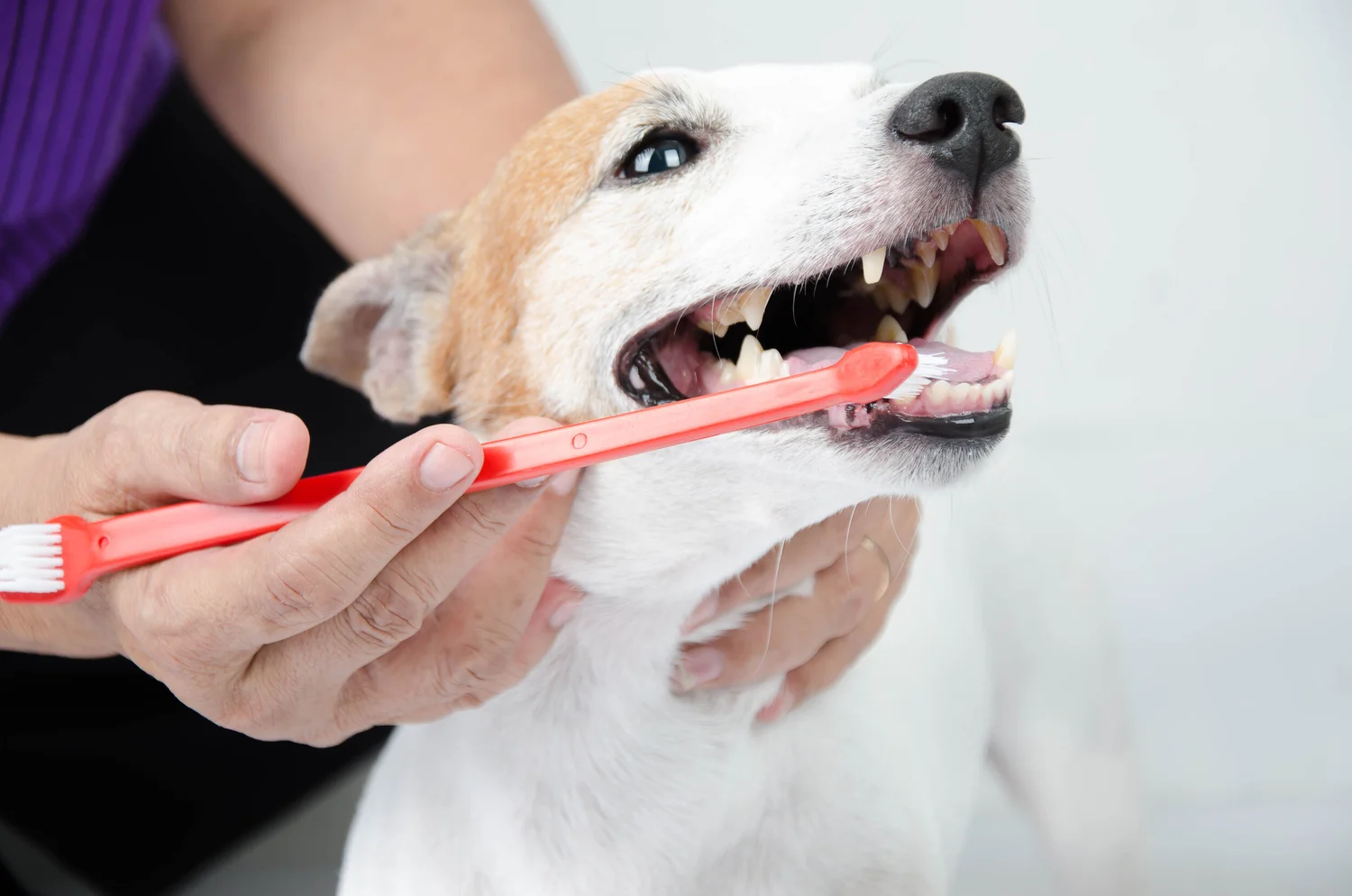
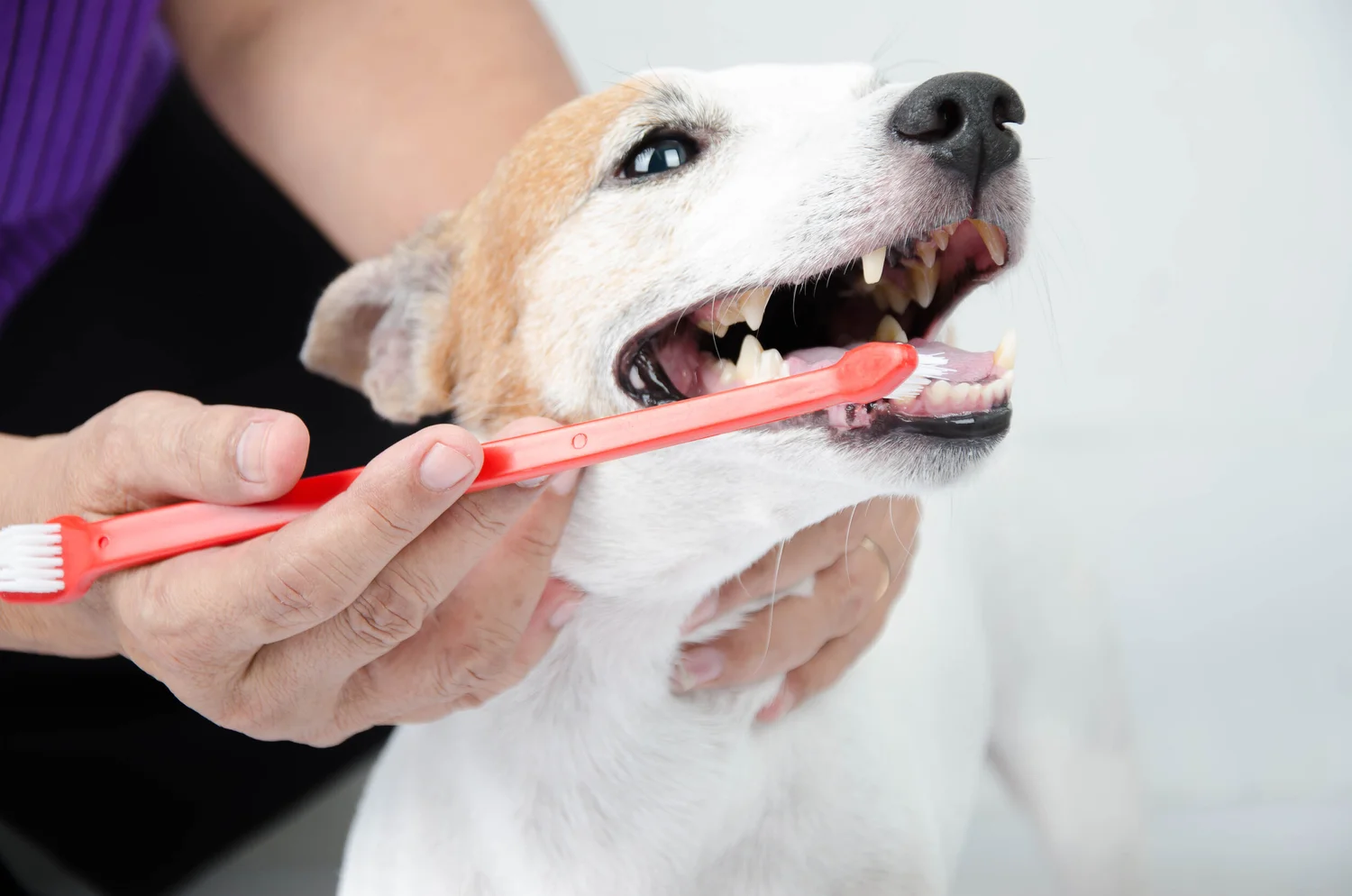
Lift your dog’s lip gently. Brush the front teeth first. Use small circular motions.
Move To The Back Teeth
Brush the back teeth next. Be gentle and thorough. Cover all surfaces of the teeth.
Focus On The Gum Line
Angle the brush at 45 degrees. Clean along the gum line. This helps remove plaque effectively.
Reward Your Dog
Give them a treat after brushing. Praise them warmly. Positive reinforcement encourages cooperation.
Alternative Dental Care Options
Many pet owners wonder about alternatives to brushing their dog’s teeth. While brushing is effective, there are other dental care options. These methods can help maintain your dog’s oral health.
Dental Chews And Toys
Dental chews can help reduce plaque and tartar. They encourage dogs to chew, which cleans their teeth naturally. Always choose chews that suit your dog’s size and chewing habits. Toys also play a role in dental care. Chew toys can massage gums and clean teeth. Look for durable toys that withstand heavy chewing.
Professional Cleaning
Professional cleanings offer a thorough dental care option. Veterinarians perform these cleanings under anesthesia. This allows them to clean below the gum line. Regular professional cleanings help prevent dental diseases. Discuss with your vet the best schedule for your dog. Always follow their advice for optimal results.
Frequency And Routine
Brushing your dog’s teeth is crucial for their health. Dogs need regular dental care to prevent gum disease and bad breath. Establishing a brushing routine helps maintain their oral hygiene.
How Often Should You Brush Your Dog’s Teeth?
Brush your dog’s teeth at least three times a week. This frequency keeps plaque and tartar at bay. Daily brushing provides the best protection against dental issues.
Creating A Brushing Routine
Set a specific time for brushing your dog’s teeth. Consistency helps your dog get used to the routine. Choose a calm time, like after a walk or meal.
Tools You Need
- Dog-specific toothbrush
- Dog-safe toothpaste
Never use human toothpaste on dogs. It can harm them.
Steps To Brush Your Dog’s Teeth
- Start by letting your dog taste the toothpaste.
- Lift their lip gently to expose their teeth.
- Brush in small, circular motions.
- Focus on the gum line where plaque builds up.
- Reward them with praise or a treat after brushing.
Signs Of Dental Problems
Watch for signs like bad breath or red gums. These could indicate dental issues. Regular vet check-ups are vital for detecting problems early.
Addressing Challenges And Tips
Brushing your dog’s teeth can prevent dental issues and bad breath. Use dog-specific toothpaste for safety. Start by gently introducing the toothbrush to your pet. Gradually increase the brushing time as your dog becomes comfortable. Regular dental care can lead to a healthier and happier pet.
Brushing your dog’s teeth is vital for their health. Many owners face challenges with this task. Dogs may resist or feel anxious, leading to frustration. Understanding these challenges can make the process easier. With patience and the right approach, brushing can become a positive experience.Dealing With Resistance
Some dogs dislike having their mouths touched. This can lead to resistance during brushing. Start slowly to build trust. Use gentle movements and speak calmly to reassure them. Introduce the toothbrush gradually. Let them sniff and explore it before attempting to brush. Choose a dog-friendly toothpaste with flavors they enjoy.Making It A Positive Experience
Turn brushing into a bonding time. Reward your dog with praise or treats afterward. Create a routine that they can look forward to. Find a quiet spot free of distractions. Maintain a calm demeanor to keep your dog relaxed. Use a soft brush for comfort. End each session with a positive note.Monitoring Dental Health
Brushing your dog’s teeth is crucial for preventing dental diseases. Regular brushing helps remove plaque and tartar, maintaining overall health. Dogs need clean teeth to avoid pain and infections.
Monitoring Dental Health Taking care of your dog’s teeth is more than just brushing; it’s about keeping an eye on their overall dental health. Dogs, like humans, can suffer from dental issues that may lead to more serious health problems if left unchecked. Regular monitoring of your dog’s dental health can prevent pain, infections, and costly vet visits.Signs Of Dental Problems
Be on the lookout for signs that may indicate dental issues in your dog. Bad breath is often the first noticeable sign, hinting at plaque or tartar buildup. If your dog is drooling more than usual or seems reluctant to eat, these could be warning signals.Regular Dental Check-ups
Schedule regular dental check-ups with your vet to catch any issues early. A professional cleaning once a year can make a world of difference for your dog’s dental hygiene. Your vet can also provide guidance on the best practices for at-home dental care.Daily Dental Care Routine
Incorporate a daily dental care routine to maintain your dog’s oral health. Use dog-safe toothpaste and a soft-bristled brush to clean their teeth. Chew toys and dental treats can also help to reduce plaque and tartar.Understanding Dental Tools
Familiarize yourself with dental tools and products designed for dogs. Finger brushes and dental wipes can be useful alternatives if your dog resists a traditional toothbrush. There are also water additives that can help to maintain oral health between brushings.When To Seek Veterinary Help
If your dog shows signs of dental distress, it’s crucial to seek veterinary help promptly. Bleeding gums, loose teeth, or severe bad breath are signs that require professional attention. Ignoring these symptoms can lead to more serious health complications.Sharing A Personal Experience
I once noticed my dog was hesitant to chew his favorite toy. A quick vet visit revealed a dental issue that, thankfully, was caught early. This experience taught me the value of regular dental checks and the importance of being attentive to subtle changes in behavior. By staying vigilant and proactive, you can help ensure your dog enjoys a healthy, pain-free life. Have you noticed any changes in your dog’s dental health? Perhaps it’s time for a closer look!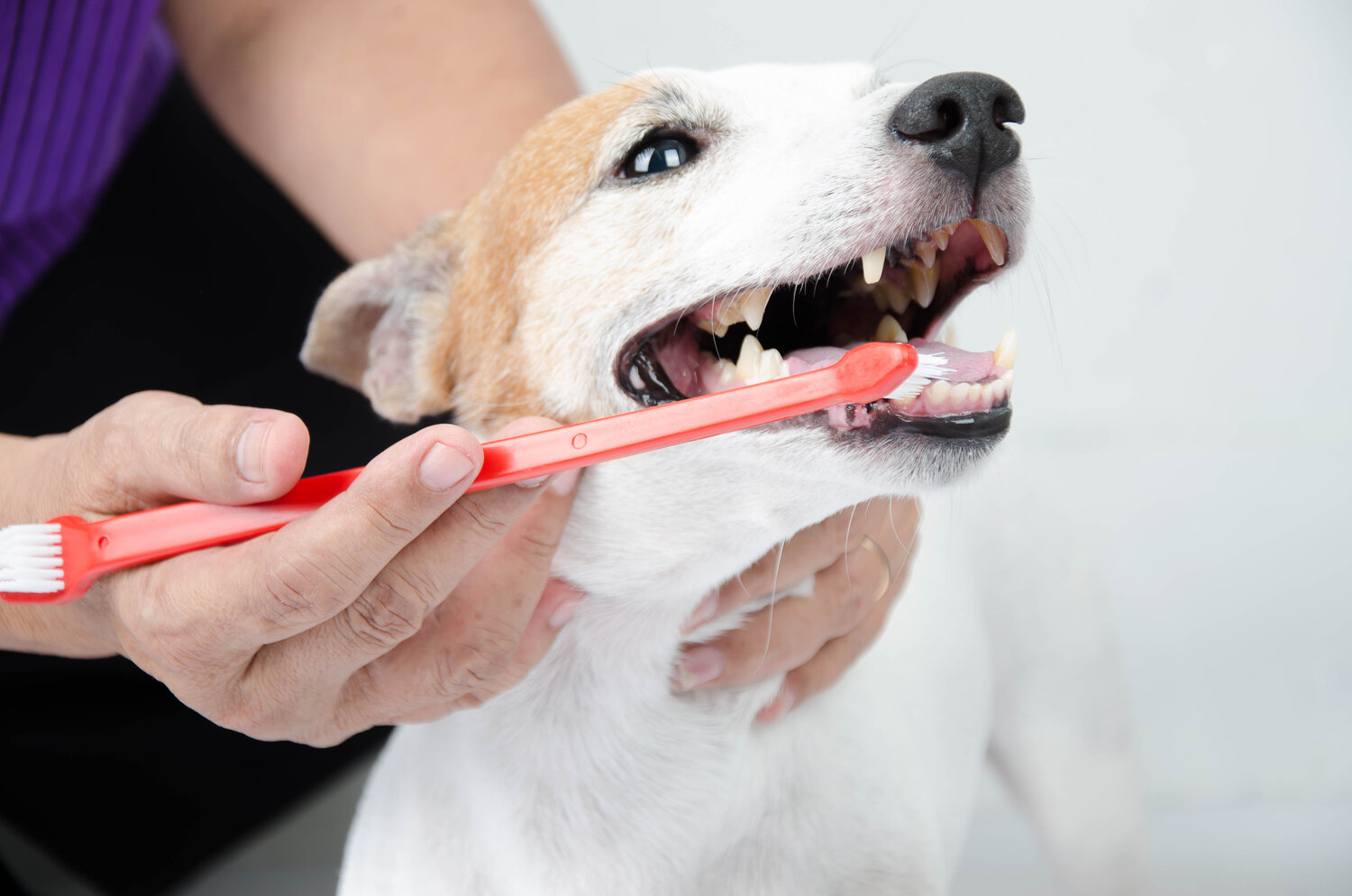
Credit: www.woofpurnayvet.com.au
Frequently Asked Questions
Why Is Brushing Dogs’ Teeth Important?
Brushing your dog’s teeth is crucial for preventing dental diseases. Regular brushing helps remove plaque and tartar buildup. This can lead to better oral health and fresher breath. Additionally, it reduces the risk of painful gum infections and tooth loss.
Maintaining your dog’s dental health is essential for their overall well-being.
How Often Should You Brush A Dog’s Teeth?
Ideally, you should brush your dog’s teeth daily. If that’s not possible, aim for at least three times a week. Regular brushing helps maintain oral hygiene and prevents dental issues. Consistency in brushing can make a significant difference in your dog’s dental health over time.
Can You Use Human Toothpaste On Dogs?
No, human toothpaste is not safe for dogs. Human toothpaste contains ingredients that can be harmful if ingested by dogs. Instead, use toothpaste specifically designed for dogs. These products are safe and often come in flavors that your dog will enjoy, making the brushing experience more pleasant.
What Tools Do You Need For Brushing?
To brush your dog’s teeth, you’ll need a dog toothbrush and dog toothpaste. Dog toothbrushes are designed to reach all areas of your dog’s mouth. Dog toothpaste is formulated to be safe for them to swallow. These tools make the brushing process effective and safe for your pet.
Conclusion
Regular dental care is crucial for your dog’s health. Brushing helps prevent gum disease. It reduces bad breath too. Start slowly with patience. Use dog-friendly toothpaste and brushes. Build a routine your dog enjoys. Healthy teeth mean a happy pup.
Invest time in your dog’s oral care. It pays off in the long run. Keep it simple and consistent. Your dog deserves a bright smile. Take steps now for better health. Your furry friend will thank you.

Similar Posts