How to Deal With a Reactive Dog: Expert Tips
Does your dog bark excessively, lunge at strangers, or seem overly anxious during walks? If so, you’re not alone.
Many pet owners face the challenge of managing a reactive dog. It can be overwhelming, but there’s hope. Understanding your dog’s behavior is the first step towards a calmer, happier pet. Imagine transforming daily walks from stressful to enjoyable, creating a peaceful environment at home, and feeling confident in social settings.
This article will guide you through practical strategies to help your dog become more relaxed and responsive. With patience and the right techniques, you can foster a stronger bond and a more harmonious life with your furry friend. Let’s dive into how you can make this positive change happen.
Causes Of Dog Reactivity
Understanding the causes of dog reactivity helps in managing it effectively. Fear, anxiety, and past experiences often trigger such behavior. Identifying these factors is key to improving a dog’s response in different situations.
Understanding the causes of dog reactivity can aid in managing behavior. Reactivity in dogs often stems from various factors. Identifying these factors is the first step towards effective handling.Genetic Factors
Some dogs inherit a predisposition to reactiveness. Certain breeds are naturally more alert. This can lead to heightened reactivity. Genetics play a role in how dogs respond to stimuli. It’s important to know your dog’s breed traits. This knowledge can help in managing expectations.Lack Of Socialization
Dogs need early and consistent socialization. Without it, they may react fearfully to new experiences. Meeting different people and animals helps dogs adjust. A lack of such exposure can lead to overreaction. Regular socialization can reduce anxiety in unfamiliar situations.Traumatic Experiences
Past trauma can make dogs reactive. A frightening event can trigger lasting fear. Dogs remember negative experiences. This can cause them to react defensively. Recognizing signs of trauma is crucial. Patience and understanding can help in their recovery.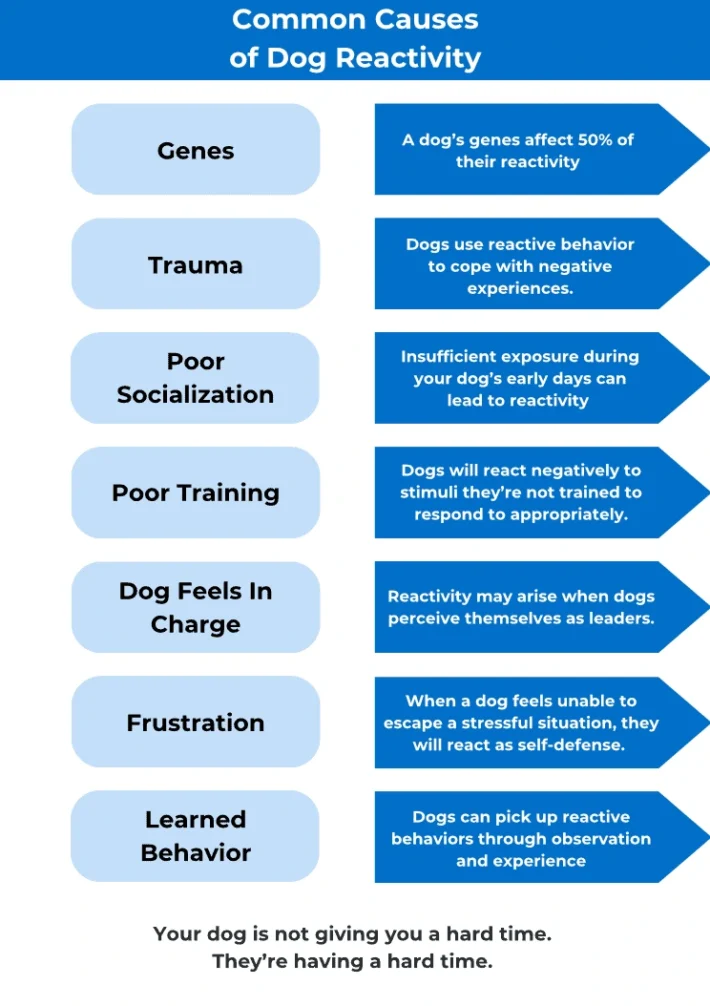
Credit: theonlinedogtrainer.com
Signs Of Reactivity In Dogs
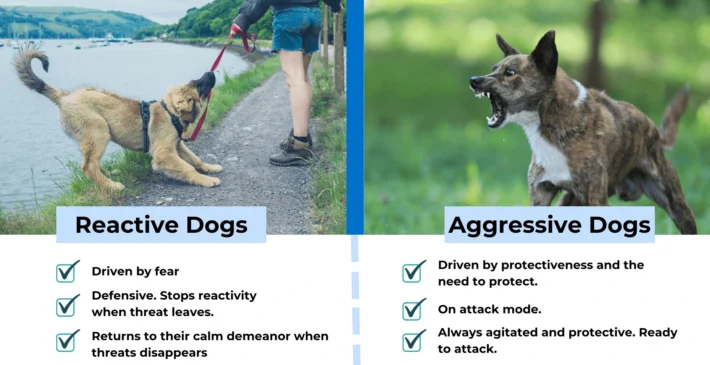
Recognizing a reactive dog involves observing intense barking, lunging, or growling at unfamiliar stimuli. Creating a calm environment and using positive reinforcement can help manage these behaviors. A consistent routine and patience are key to supporting a reactive dog’s emotional well-being.
Understanding the signs of reactivity in dogs is crucial for any dog owner. Reactivity can manifest in various ways, and recognizing these signs early can help you manage your dog’s behavior effectively. Whether it’s through body language, vocalizations, or specific behavioral patterns, being attentive to these cues can make a significant difference.Body Language Cues
Your dog’s body language is a powerful indicator of how they’re feeling. Watch for stiff body posture or a frozen stance, which often signal tension. Raised hackles and a closed mouth can also suggest your dog is on high alert. Notice if your dog avoids eye contact or suddenly starts fixating on an object or another animal. These are common signs that your dog might be feeling reactive. A personal story: I once noticed my dog, Max, lowering his ears and tensing up whenever he saw another dog. Recognizing these cues helped me redirect his focus and ease his anxiety.Vocal Indicators
Dogs often express their reactivity vocally. Barking is the most obvious sign, but listen for growling or whining, which can indicate discomfort or fear. Pay attention to the pitch and frequency of these sounds. A high-pitched whine or rapid barking might mean your dog is overwhelmed. Consider this: how often do you hear your dog barking unnecessarily? Identifying patterns in vocal indicators can help you pinpoint triggers and address them.Behavioral Patterns
Reactivity can also be seen in specific behavioral patterns. Lunging towards people or other animals is a clear sign. Some dogs may start pacing or spinning, indicating stress. Observe if your dog pulls on the leash aggressively or tries to retreat. These actions often mean they are uncomfortable in their environment. Think about your dog’s routine. Are there certain times or situations when these behaviors are more frequent? Identifying patterns can lead to effective strategies to minimize reactivity. By keeping an eye on these signs, you can better understand your dog’s needs. This awareness can guide you in providing the support and training your dog needs to feel safe and confident. How will you start observing your dog’s reactivity signs today?Effective Training Techniques
Training a reactive dog requires patience and consistency. Focus on gradual desensitization and positive reinforcement. Reward calm behavior and slowly increase exposure to triggers.
Dealing with a reactive dog can be challenging, but with effective training techniques, you can transform your dog’s behavior. By focusing on positive reinforcement, desensitization strategies, and counterconditioning methods, you can help your dog respond more calmly to various stimuli. These techniques not only help in managing reactivity but also strengthen the bond between you and your furry friend. Let’s dive into practical ways to address your dog’s reactivity.Positive Reinforcement
Using positive reinforcement is a powerful way to encourage desired behaviors in your dog. Reward your dog with treats, praise, or play whenever they display calm behavior in situations that typically trigger reactivity. This approach creates a positive association with the once-stressful situation. Consider this: if your dog reacts to strangers, rewarding them for staying calm can shift their focus from fear to expectation of a reward. Consistency is key. The more you reinforce calm behavior, the more your dog will learn that staying relaxed is beneficial.Desensitization Strategies
Desensitization involves gradually exposing your dog to the trigger that causes reactivity. Start with a low-intensity version of the trigger and gradually increase exposure as your dog becomes more comfortable. Imagine you’re at the park. If your dog reacts to other dogs, begin by observing from a distance. Slowly reduce the distance as your dog remains calm. This method helps your dog get used to the trigger without becoming overwhelmed. It’s important to progress at your dog’s pace. Pushing too fast can lead to setbacks. Gauge your dog’s comfort level and adjust exposure accordingly.Counterconditioning Methods
Counterconditioning involves changing your dog’s emotional response to a trigger. Pair the trigger with something positive, like a favorite treat or toy, so the dog learns to associate it with positive experiences. For instance, if your dog reacts to the sound of the doorbell, you can offer a treat each time the bell rings. Over time, your dog will begin to anticipate the treat rather than react negatively to the sound. Patience is crucial here. Gradual exposure and consistent positive reinforcement can transform your dog’s perception of triggers, leading to calmer reactions. Have you tried any of these techniques? What changes have you noticed in your dog’s behavior? Share your thoughts and experiences. Remember, every dog is unique, and finding the right approach might take time, but the rewards are well worth the effort.Managing Reactive Situations
Understanding a dog’s triggers helps prevent reactive behavior. Remain calm and redirect focus with positive reinforcement. Consistent training builds confidence and reduces stress in challenging situations.
Managing reactive situations with your dog can feel like navigating a minefield. However, with the right strategies, you can turn challenging encounters into opportunities for growth. Let’s explore some effective methods to handle these situations gracefully.Safe Handling Practices
When managing a reactive dog, safety should be your top priority. Always use a sturdy leash and harness to maintain control. If necessary, use a muzzle for added security, especially in crowded areas or around other dogs. Keep a safe distance from potential triggers. This gives your dog the space they need to feel comfortable and reduces the chance of an incident. Confidently guide your dog through situations, showing them they can rely on you. Your calm demeanor can help soothe their anxiety.Using Distraction Tools
Distraction tools can be lifesavers when handling a reactive dog. Carry treats or toys that your dog loves, and use them to redirect attention during tense moments. Engage your dog with commands they know well, like “sit” or “focus.” This shifts their mindset from reactive to responsive. I once managed to calm my dog, Max, by using his favorite squeaky toy. It was amazing to see his focus shift from barking at a passing car to eagerly awaiting the toy.Avoiding Triggers
Understanding what sets your dog off is crucial in avoiding reactive situations. Identify and list these triggers—whether it’s other dogs, cyclists, or loud noises. Plan your walks and activities around these triggers. If mornings are quieter, opt for an early stroll to help your dog feel more at ease. Adapt your route if you notice potential triggers ahead. This proactive approach minimizes stress for both you and your dog. How do you handle it when your dog suddenly reacts? By being prepared and staying calm, you can navigate these situations effectively.Professional Help For Reactive Dogs
Dealing with a reactive dog requires patience and understanding. Professional help can offer tailored strategies to manage and improve behavior. Consistent training and positive reinforcement play vital roles in creating a calmer environment for both pet and owner.
Dealing with a reactive dog can feel overwhelming, but you don’t have to tackle it alone. Engaging professional help can be a game-changer, offering structured solutions and support for both you and your furry friend. With the right expertise, you can transform challenging behaviors into positive actions, creating a more harmonious relationship with your dog.Finding A Qualified Trainer
Seek out trainers with a strong track record in handling reactive dogs. Look for certifications from reputable organizations, as these indicate a solid foundation in canine behavior. A personal recommendation can also be invaluable—ask fellow pet owners about their experiences. When you meet a potential trainer, observe their approach. Are they patient and understanding with your dog? They should encourage positive reinforcement techniques, which are both effective and humane.Behavioral Therapy Options
Behavioral therapy can be crucial in addressing the root causes of reactivity. Techniques might include desensitization, where your dog is gradually exposed to triggers in a controlled way, reducing fear over time. Consider enrolling in a group therapy session. It provides socialization opportunities for your dog while reinforcing the training in a real-world environment. Does your dog respond better to individual attention? One-on-one sessions might be more effective.Consulting A Veterinary Behaviorist
Sometimes, reactivity can stem from underlying medical issues. Consulting a veterinary behaviorist can offer insights that a regular vet may overlook. These professionals combine medical knowledge with behavioral expertise. They may suggest diagnostic tests to rule out health problems contributing to your dog’s reactivity. Based on their findings, they could recommend a tailored treatment plan, which might include medication along with behavior modification strategies. By understanding the unique needs of your reactive dog, you can make informed decisions about the professional help that will benefit both of you.Building Confidence In Reactive Dogs
Building confidence in reactive dogs requires patience and understanding. Consistent training can help manage reactions and improve behavior. Positive reinforcement encourages calm responses, fostering a trusting relationship.
Building confidence in reactive dogs is crucial for both their well-being and your peace of mind. A reactive dog often responds out of fear or anxiety, and helping them to feel secure and confident can transform their behavior. Whether your dog becomes anxious around other dogs, unfamiliar people, or loud noises, fostering an environment where they feel safe can lead to a happier, more balanced life. Let’s explore some practical ways to help your reactive dog build confidence.Structured Play Sessions
Structured play sessions offer a safe space for your dog to have fun while learning to manage their emotions. Start with simple games like fetch or tug-of-war, which can be controlled easily. These activities not only provide physical exercise but also encourage positive interactions between you and your dog. Observe your dog’s cues—are they enjoying the game or showing signs of stress? Adjust the intensity and duration accordingly, ensuring each session ends on a positive note.Gradual Exposure Techniques
Gradual exposure techniques involve slowly introducing your dog to the stimuli that trigger their reactivity. Create a list of situations or objects that make your dog uneasy. Begin by exposing them to these triggers from a distance where they feel comfortable. Over time, as they become more relaxed, gradually decrease the distance. Patience is key here—celebrate small victories and give plenty of rewards.Encouraging Social Interaction
Encouraging social interaction with other dogs and people can help your reactive dog feel less isolated. Join local dog groups or arrange playdates with friends who have well-behaved dogs. This provides a controlled environment for social learning. Be proactive in managing interactions to ensure your dog feels safe. Use positive reinforcement to reward calm behavior during these sessions. Building confidence in your reactive dog is a journey that requires patience and understanding. How will you help your dog take the first step?Preventing Future Reactivity
Building confidence and ensuring consistent training can help reduce a dog’s reactivity. Positive reinforcement encourages calm behavior in various situations. Regular socialization with different environments and people is essential.
Preventing future reactivity in your dog is a journey that involves patience and dedication. It’s not just about correcting behaviors but setting up an environment where your dog can thrive. By focusing on continuous training, maintaining a consistent routine, and ensuring regular socialization, you create a foundation for a calmer, more responsive pet.Continuous Training
Consistent training builds trust and communication between you and your dog. Short, daily sessions can reinforce commands and reduce anxiety. Have you noticed how much more relaxed your dog is when they know what’s expected of them? Training isn’t just about commands but also about engaging your dog’s mind. Puzzle toys and interactive games can be great additions to their learning routine. These activities not only keep them entertained but also mentally stimulated.Consistent Routine
Dogs thrive on routine, and knowing what to expect helps them feel secure. Try to feed, walk, and train your dog at the same times each day. This predictability can significantly reduce stress and uncertainty. If your schedule changes, gradually adjust your dog’s routine to minimize disruption. Have you ever experienced how small shifts in your day can unsettle your dog? A consistent routine can be a comforting anchor for them.Regular Socialization
Exposing your dog to various environments, people, and animals can help them become more adaptable. Consider regular trips to the park or playdates with other dogs. These experiences can help your dog learn to cope with new situations calmly. Socialization isn’t just for puppies; adult dogs benefit too. Have you tried introducing your dog to a new friend or pet lately? Regular social interactions can reduce fear and build confidence over time.
Credit: www.instagram.com
Credit: theonlinedogtrainer.com
Frequently Asked Questions
What Causes A Dog To Be Reactive?
Reactive behavior in dogs often stems from fear, frustration, or anxiety. It can be triggered by unfamiliar situations, other animals, or people. Understanding the cause helps in managing and reducing reactivity. Identifying triggers is key to effective training and behavior modification.
How Do I Calm A Reactive Dog?
Calming a reactive dog involves patience and consistent training. Use positive reinforcement to reward calm behavior. Gradually expose your dog to triggers in controlled settings. Practice commands like “sit” or “stay” to redirect attention. Professional training may be beneficial for persistent issues.
Can A Reactive Dog Be Trained?
Yes, a reactive dog can be trained with consistency and patience. Positive reinforcement techniques are effective in modifying behavior. Gradual exposure to triggers helps desensitize the dog. Professional trainers can provide additional support and guidance, ensuring long-term success.
What Is The Best Leash For Reactive Dogs?
A front-clip harness is ideal for reactive dogs. It provides better control and reduces pulling. It helps guide the dog calmly without causing discomfort. Pair with a sturdy, non-retractable leash for safety. Consult with professionals to choose the right equipment for your dog’s needs.
Conclusion
Dealing with a reactive dog takes time and patience. Remember to stay calm. Use positive reinforcement to encourage good behavior. Avoid situations that trigger reactions. Keep training sessions short and consistent. Always observe your dog’s body language. Understand their fears and needs.
Consult a professional trainer for additional help. Celebrate small victories with your dog. Building trust and confidence is key. Over time, your dog can learn to manage reactions better. Stay committed to the process and be patient. Your efforts will lead to a happier, more relaxed dog.