How Much to Adopt a Dog: Your Essential Guide
Senior Canine Nutritionist & Dog Behavior Specialist at Cozy Dog Go Wellness Lab

Adopting a dog is a decision that can change your life for the better. You get to enjoy the companionship, loyalty, and joy that a furry friend brings.
But before you jump into this exciting adventure, it’s important to understand the costs involved. You might be wondering, “How much does it really cost to adopt a dog? ” Knowing the financial commitment can help you make an informed decision and ensure that you’re fully prepared to welcome a new family member.
We’ll break down the expenses you need to consider, from adoption fees to ongoing care costs, so you can feel confident and ready for this rewarding experience. Dive in to discover what it takes to give a dog a forever home and how you can make it work for your budget.
Benefits Of Dog Adoption
Adopting a dog often costs less than buying from breeders. Shelters provide vaccinations, spaying, and neutering services. This reduces initial medical expenses.
Adopting a dog can bring immense joy and satisfaction. It offers numerous benefits, both for the dog and the owner. The act of adoption transforms lives and creates new beginnings. Let’s explore these benefits further.1. Emotional Support And Companionship
Dogs are excellent companions. They provide emotional support and unconditional love. They help reduce feelings of loneliness and isolation. Their presence can uplift your mood instantly.2. Health Benefits
Owning a dog encourages physical activity. Regular walks improve cardiovascular health. It also aids in reducing stress levels. Dogs can even help lower blood pressure.3. Saving A Life
Adopting a dog from a shelter saves a life. It gives the dog a second chance. Shelters are often overcrowded, and your adoption helps create space. It also reduces the need for euthanasia.4. Cost-effective Option
Adopting a dog is more affordable. Adoption fees are usually lower than buying from breeders. Many shelters also cover initial medical expenses. This includes vaccinations and spaying or neutering.5. Teaching Responsibility
Caring for a dog teaches responsibility. It encourages routine and discipline. Families with children find this especially beneficial. Kids learn to care for and respect animals.6. Supporting Animal Welfare
Adoption supports animal welfare efforts. It contributes to the reduction of puppy mills. This promotes ethical treatment of animals. Supporting shelters helps them continue their good work.7. Building Community Connections
Dog adoption can foster community interactions. Walks in the park lead to meeting fellow dog owners. It encourages social engagement and creates new friendships. Each of these benefits enriches the experience of owning a dog. It’s a rewarding journey that enhances life in many ways.Credit: www.instagram.com
Budgeting For Unexpected Costs
Adopting a dog involves more than just the initial fee. Unexpected costs like vet bills and grooming can add up. Budgeting for these expenses ensures you’re prepared to provide the best care for your new furry friend.
Budgeting for unexpected costs is vital when adopting a dog. While the initial adoption fee is clear, unforeseen expenses can arise. Being prepared ensures your dog has a safe and happy life. Consider setting aside funds for emergencies and specialized care.Emergency Medical Care
Dogs can suddenly fall ill or get injured. These situations require immediate attention. Emergency vet visits can be expensive. Costs may include x-rays, surgeries, or medications. Regular vet check-ups help prevent severe issues. Yet, accidents and unexpected illnesses still happen. Having a financial safety net is wise.Behavioral Training
New dogs might need behavioral training. Some dogs have anxiety or aggression issues. Professional trainers can help solve these problems. Training sessions can add up quickly. Investing in training ensures a well-behaved pet. A well-trained dog is happier and safer. Budget for these sessions early on.Cost-saving Tips For Dog Owners
Adopting a dog brings joy, but it can be costly. There are smart ways to manage expenses while ensuring your furry friend gets the best care. From grooming to supplies, discover helpful tips that save money without compromising on quality.
Diy Grooming
Professional grooming adds up fast. Consider doing it yourself to cut costs. Basic tools include brushes, nail clippers, and shampoo. Grooming at home strengthens your bond with your dog. Watch online tutorials for guidance. This approach keeps your dog clean and healthy.
Affordable Pet Supplies
Pet supplies can strain your budget. Look for deals at discount stores or online. Bulk buying is another way to save. Choose durable toys that last longer. Check local thrift stores for affordable options. These choices help provide for your dog without overspending.
Choosing The Right Dog
Adopting a dog involves various costs like initial adoption fees, vaccinations, and necessary supplies. Expenses can vary greatly depending on the breed, size, and age of the dog. Planning a budget for ongoing care, including food and veterinary visits, ensures a smooth transition for your new furry friend.
Choosing the Right Dog Adopting a dog is an exciting journey, but it’s crucial to find a furry friend who fits seamlessly into your life. The right dog can bring joy and companionship, while the wrong match can lead to stress and frustration. By considering factors like size, breed, and lifestyle compatibility, you can ensure a successful adoption experience.Size And Breed Considerations
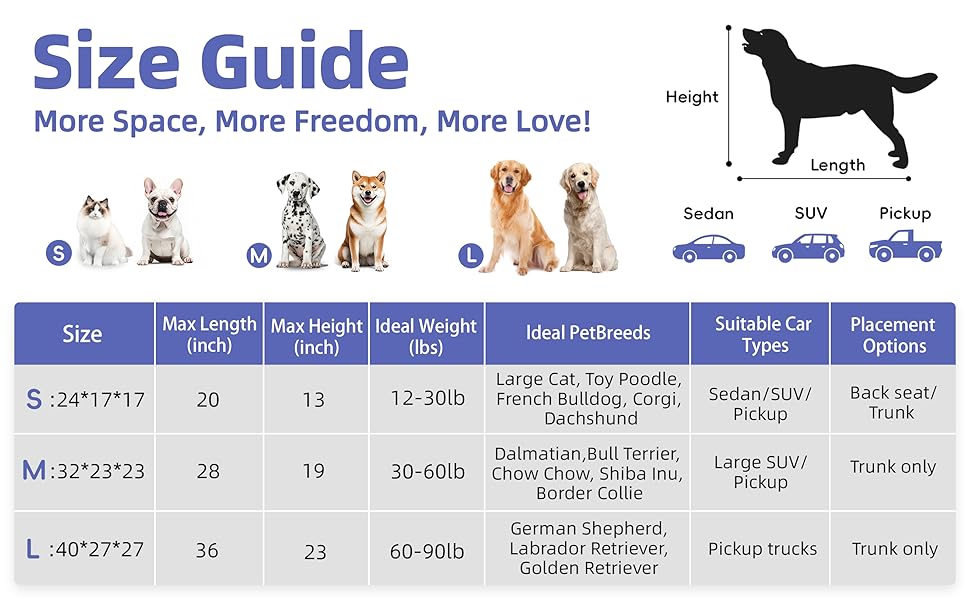
When selecting a dog, size and breed are two critical factors. Large breeds, like Golden Retrievers, need more space and food, while smaller breeds, like Dachshunds, are easier to manage in apartments. Consider your living situation and available resources before making a decision. Breeds also have different temperaments and activity levels. A Border Collie may thrive in an active household, while a Basset Hound might be better suited for a more relaxed environment. Researching breed characteristics can help you understand what to expect.Lifestyle Compatibility
Your lifestyle plays a significant role in choosing the right dog. Are you a busy professional with little time at home, or do you enjoy long hikes on weekends? Dogs like Beagles require lots of exercise, whereas a Shih Tzu might be content with shorter walks and more downtime. Think about your daily routine and how a dog will fit into it. If you travel frequently, consider if you have support for pet care. A friend once adopted a high-energy dog, only to realize her work schedule left no time for play. She eventually found a better-suited home for her pet and opted for a more low-maintenance breed. Would you be ready to make such a hard choice? Assessing these factors thoughtfully ensures a harmonious relationship with your new canine companion.Adoption Process Simplified
Adopting a dog brings joy and companionship to your life. The process can seem overwhelming, but simplifying it makes it enjoyable. Understanding key steps helps you navigate the adoption journey smoothly.
Finding Reputable Shelters
Start by researching local animal shelters. Look for those with positive reviews and good reputations. A reputable shelter ensures dogs are healthy and well-cared for. Visit the shelter in person. Observe cleanliness and staff interaction with animals. Ask about the shelter’s adoption policies and fees. Some shelters offer discounted fees, making adoption affordable. Always choose a shelter committed to animal welfare.
Preparing Your Home
Before bringing your new friend home, prepare your living space. Create a safe, welcoming environment for your dog. Remove hazards like sharp objects and toxic plants. Set up a comfortable sleeping area. Provide clean bedding and a cozy spot. Stock up on essential supplies. Food, water bowls, toys, and a leash are must-haves. Consider your dog’s size and breed when choosing items. Preparation ensures a smooth transition and a happy homecoming.

Credit: worldanimalfoundation.org
Frequently Asked Questions
How Much Does Dog Adoption Cost?
Dog adoption costs vary widely based on factors like location and breed. Generally, adoption fees range from $50 to $300. These fees often cover vaccinations, spaying/neutering, and microchipping. Additional costs may include supplies like food, bedding, and toys, which can add to the initial expenses of adopting a dog.
Are There Hidden Costs In Dog Adoption?
Yes, there are potential hidden costs in adopting a dog. Beyond the adoption fee, you’ll need to budget for regular veterinary care, grooming, training, and food. Emergency medical expenses can arise unexpectedly. It’s crucial to consider these costs to ensure you’re financially prepared to care for your new pet.
Can I Adopt A Dog For Free?
While rare, some shelters and rescue organizations offer free adoption events. These events aim to encourage pet adoption and reduce overcrowding in shelters. However, even if the adoption fee is waived, you’ll still need to budget for initial supplies and ongoing care expenses to ensure the well-being of your new dog.
What Factors Affect Dog Adoption Fees?
Dog adoption fees are influenced by several factors, including the dog’s age, breed, and health status. Purebred dogs and puppies often have higher fees due to demand. Adoption fees also reflect veterinary care provided by the shelter, covering vaccinations and spaying/neutering, helping ensure your new pet is healthy.
Conclusion
Adopting a dog is a rewarding experience. Costs vary based on breed, size, and needs. Shelter fees are usually affordable, covering basic care. Budget for food, toys, and vet visits. Some dogs may need training classes. Pet insurance can help with unexpected health costs.
Prepare your home for a new furry friend. Consider your lifestyle and time availability. Adoption is a commitment, not just a purchase. Bringing a dog into your home brings joy and companionship. Make sure you’re ready for this lifelong responsibility.
Enjoy the journey with your new best friend.

Similar Posts