How Long Should Dogs Be Crated: Expert Guidelines
Senior Canine Nutritionist & Dog Behavior Specialist at Cozy Dog Go Wellness Lab

Are you wondering how long your furry friend should spend in their crate? You’re not alone.
Many dog owners grapple with this question, seeking to strike the perfect balance between safety and freedom for their beloved pets. Crating can be an essential tool for training and safety, but it can also be confusing and daunting. Too much time in a crate can lead to anxiety and restlessness, while too little might compromise your dog’s training progress.
This article will unravel the mystery of crating times, helping you make informed choices that benefit both you and your dog. You’ll discover practical tips and expert insights that ensure your pup feels secure, comfortable, and happy in their crate. Read on to find out how to use crating as a positive experience for your pet, fostering their growth and contentment.
Credit: www.facebook.com
Signs Of Over-crating
Crating is a useful tool for dog owners, offering a safe space for your furry friend and aiding in training. However, it’s important to recognize when crating might be excessive and leading to negative consequences. Over-crating can manifest in various signs that affect your dog’s behavior and physical health. Understanding these signs can help you provide the best care for your beloved pet.
Behavioral Issues
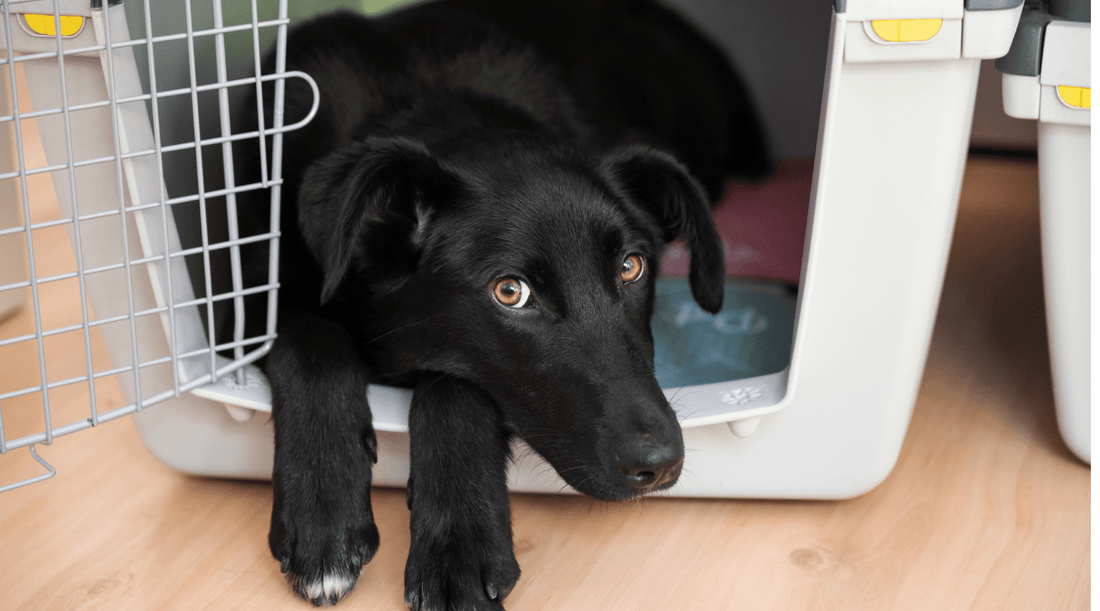
Dogs that spend too much time in crates can develop behavioral problems. You might notice your dog becoming increasingly anxious or agitated. This can lead to destructive behavior outside the crate, like chewing on furniture or barking excessively.
Consider this: your dog may start refusing to enter the crate, showing signs of distress at the mere sight of it. This aversion can be a clear indication of over-crating. It’s crucial to balance crate time with ample opportunities for play and interaction.
Physical Symptoms
Physical symptoms of over-crating are just as concerning. Your dog might begin to show signs of stiffness or difficulty moving, a result of limited mobility in a cramped space. Such physical discomfort can eventually lead to more serious health issues.
Additionally, prolonged periods in a crate can contribute to weight gain due to lack of exercise. Regular physical activity is essential for maintaining your dog’s health, so ensure they get enough exercise and freedom to roam.
Are you noticing any changes in your dog’s appetite or bathroom habits? These could be subtle indicators of stress from too much crate time. Be attentive to these changes and adjust crate routines accordingly.
Alternatives To Crating
While crating can be a helpful tool for managing your dog’s behavior and safety, it’s not the only solution. Have you ever wondered what other options are available to keep your furry friend safe and happy while you’re away? Let’s explore some practical alternatives that might just be the perfect fit for your lifestyle and your dog’s needs.
Dog-proofed Rooms
Setting up a dog-proof room is a great way to give your dog freedom while ensuring their safety. Choose a room with minimal furniture and no hazardous items. Remove any items that could be chewed or swallowed, and ensure electrical cords are out of reach. Consider adding a comfortable bed, some toys, and a water bowl to keep your dog entertained and hydrated. Is there a window your dog can look out of? Many dogs enjoy watching the world go by, which can keep them engaged for hours. Dog-proof rooms also allow for more movement than a crate, which can be beneficial for larger breeds or more active dogs. Have you tried this method with your own pet? It can be a game-changer for those who worry about crating for long periods.
Pet Sitters And Daycare
Hiring a pet sitter or enrolling your dog in daycare can be excellent alternatives to crating. A pet sitter can provide personalized attention and exercise, ensuring your dog’s needs are met even when you’re not there. Doggy daycare offers socialization opportunities that are invaluable for many dogs. They get to interact with other dogs and people, which can reduce anxiety and improve behavior. Could this be the solution for you? Daycare might be more expensive than other options, but the benefits of having a well-socialized and mentally stimulated dog could outweigh the costs.
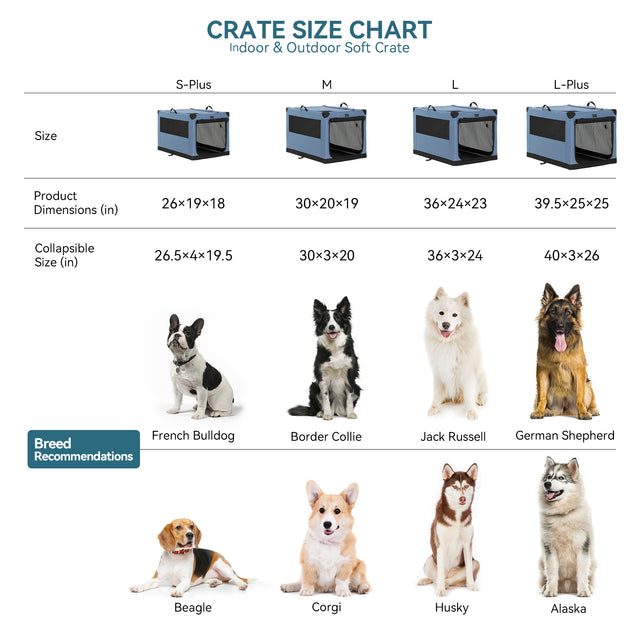
Credit: petsfit.com
Expert Tips For Crate Training
Crate training can be a valuable tool for dog owners. It provides a safe space for dogs and aids in house training. Understanding expert tips ensures the process is smooth and effective. Proper crate training helps reduce stress and anxiety for dogs.
Creating A Positive Experience
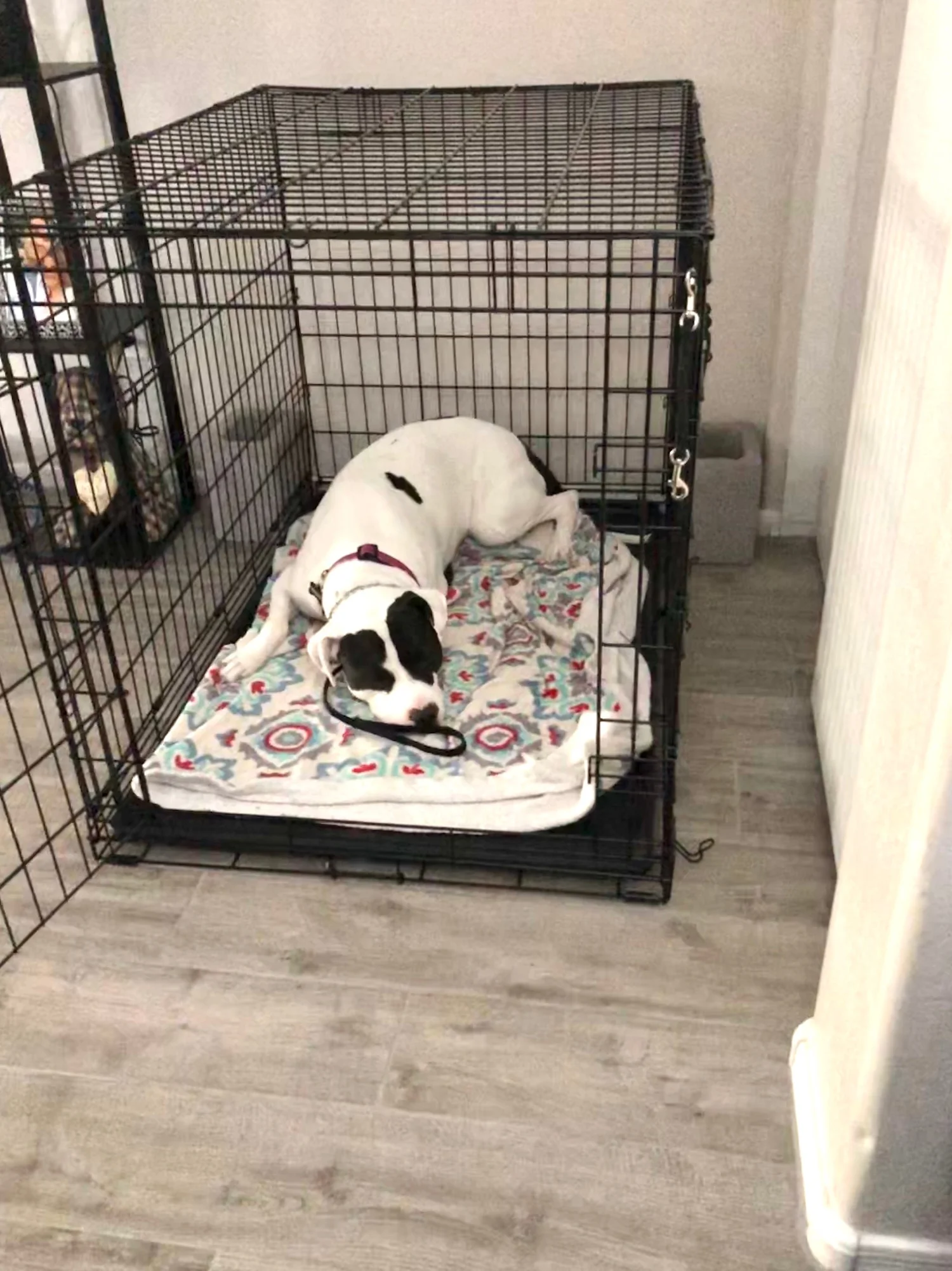
Start with a welcoming crate environment. Place soft bedding inside for comfort. Add favorite toys to make it inviting. Use treats to encourage entry into the crate. Praise your dog when it goes inside. Make the crate a happy place.
Never use the crate for punishment. This creates negative associations. Keep the crate in a quiet area. Ensure it feels safe and secure. Let your dog explore the crate at its own pace.
Gradual Increase In Crating Time
Begin with short periods in the crate. Allow the dog to adjust slowly. Start with five to ten minutes. Gradually increase the time each day. Watch your dog’s behavior closely.
If the dog seems comfortable, extend the time. If anxious, reduce the time and try again. Building up crate time takes patience. Consistency is key to successful crate training.
Frequently Asked Questions
How Long Can A Dog Stay In A Crate?
Dogs should not be crated for more than 6-8 hours. Puppies need shorter periods, around 3-4 hours. Crating longer can lead to discomfort and anxiety. Always ensure your dog has breaks, exercise, and interaction to maintain their well-being. Consider age, health, and breed when determining crating duration.
Is Crating Dogs Overnight Safe?
Crating overnight is safe if done correctly. Ensure the crate is comfortable and spacious. Introduce the crate gradually to prevent stress. Provide water and a cozy bed. Overnight crating helps with potty training and prevents destructive behavior. Monitor your dog’s comfort and adjust as needed.
How Do I Make My Dog Comfortable In A Crate?
Make the crate inviting by adding bedding and toys. Ensure it’s in a quiet area, away from disturbances. Gradually introduce your dog to the crate with treats and positive reinforcement. Avoid using the crate as punishment. Regularly check for your dog’s comfort and adjust accordingly.
Can Crating Cause Anxiety In Dogs?
Crating can cause anxiety if done improperly. Ensure the crate is not used for punishment. Introduce the crate gradually, with positive reinforcement. Provide comfort items like toys and bedding. Monitor your dog’s behavior and adjust crating times. Always prioritize your dog’s mental well-being.
Conclusion
Finding the right crate time for your dog matters. Balance is key. Short periods can be beneficial. They offer comfort and safety. Too long, and it might stress your pet. Observe your dog’s behavior. Adjust accordingly. Each dog is unique.
Listen to their needs. Use crates responsibly. Create a positive environment. Build trust with your furry friend. Happy dogs make happy homes. Crate wisely, and your dog will thrive. Make time outside the crate enjoyable. Play, exercise, and bond. These moments matter.
Keep your dog’s well-being a priority. They deserve love and care.

Similar Posts