Are Pork Skins Bad for Dogs: Unveiling the Truth
Are you wondering if pork skins are a safe snack for your furry friend? You’re not alone.
Many dog owners find themselves questioning what treats are truly good for their pets. After all, your dog’s health and happiness are a priority. Imagine the peace of mind you’ll feel knowing exactly what you can safely share with your four-legged companion.
We’ll explore whether pork skins are a healthy choice for dogs. Stick with us, and you’ll uncover the facts that every responsible pet owner should know. Get ready to gain insights that could make a difference in your dog’s diet and well-being.
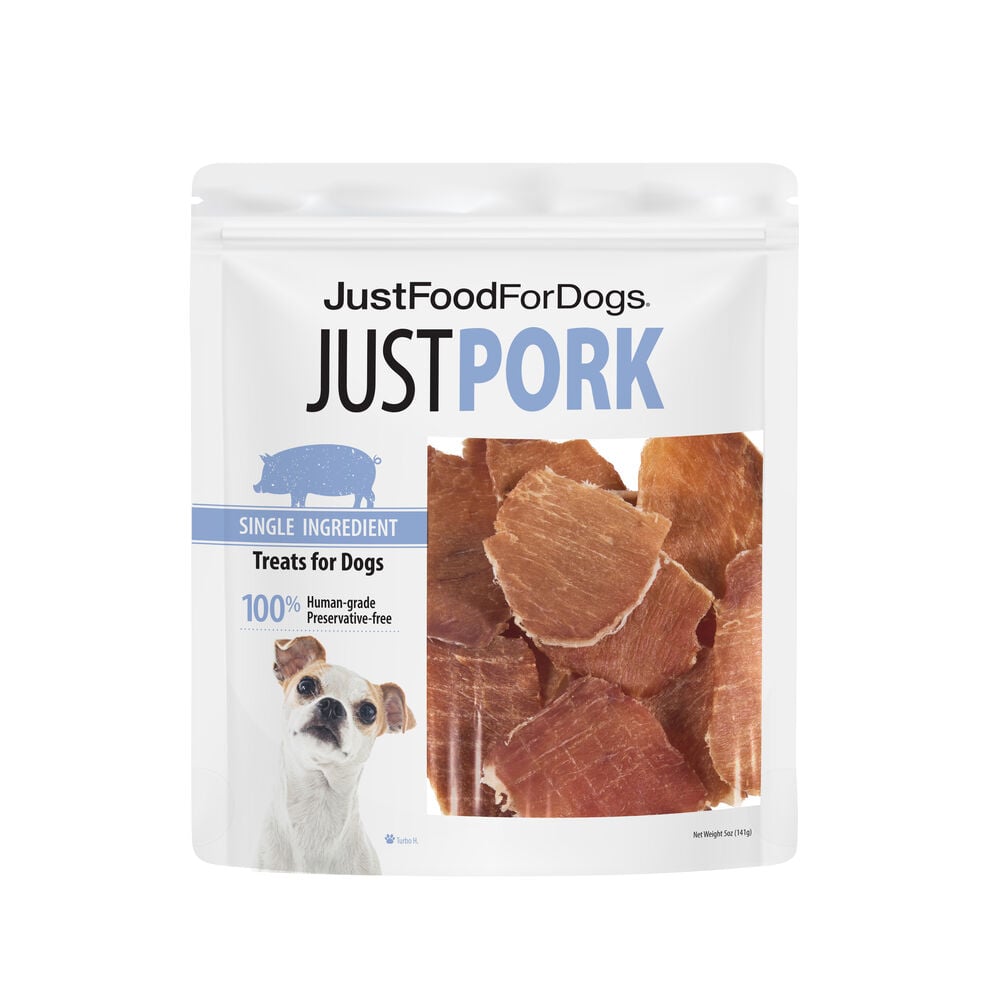
Credit: www.justfoodfordogs.com
Nutritional Content Of Pork Skins
Understanding the nutritional content of pork skins is crucial before offering them to your furry friend. While they might seem like a tasty treat, it’s essential to know what you’re really feeding your dog. Let’s break down the key components: caloric values, fat content, and protein levels.
Caloric Values
Pork skins are calorie-dense, packing a significant number of calories into small servings. This can be problematic for dogs, especially if they’re not highly active. A few pieces can equal a meal’s worth of calories for your pet, potentially leading to weight gain.
Think about it—would you want your dog consuming a snack that could tip their caloric intake over the daily limit? It’s like giving them an extra meal without the nutrients they need.
Fat Content
These crunchy treats are loaded with fat. While some fat is necessary for your dog’s health, too much can lead to obesity and other health issues. Pork skins contain high levels of saturated fats, which can be harmful in large quantities.
Imagine your dog consuming a bag of chips every day. Not ideal, right? Monitor their intake to ensure they stay healthy and fit.
Protein Levels
Though pork skins do offer some protein, it’s not substantial enough to provide real nutritional value for dogs. Your dog needs more balanced sources of protein to support muscle growth and overall health.
Ask yourself: Is this snack contributing positively to your dog’s diet? Protein from lean meats or specialized dog foods is far more beneficial.
Ultimately, while pork skins can be a tempting treat, they may not be the best choice for your dog’s health. Consider healthier alternatives that offer balanced nutrition without the excess calories and fat.
Potential Health Risks
Potential health risks associated with feeding pork skins to your dog may often be underestimated. While they might seem like a tasty treat, it’s crucial to understand the potential negative impacts on your furry friend’s health. Let’s delve into some specific areas of concern that every responsible dog owner should be aware of.
Digestive Issues
Pork skins can be tough on a dog’s digestive system. They are often fried and contain high levels of fat, making them difficult to digest. This can lead to vomiting or diarrhea, especially if your dog has a sensitive stomach.
Imagine having to clean up after an upset stomach episode, not the best way to spend your day, right? Be mindful of this possibility before offering pork skins as a snack.
Weight Gain Concerns
Pork skins are calorie-dense, which can contribute to weight gain. Over time, this can lead to obesity, a significant health issue for dogs. Obesity can put unnecessary stress on your dog’s joints and lead to other health problems like diabetes.
Consider how easy it is for us to gain weight from snacking; it’s the same for dogs. Is it worth risking your dog’s health for a temporary treat?
Allergic Reactions
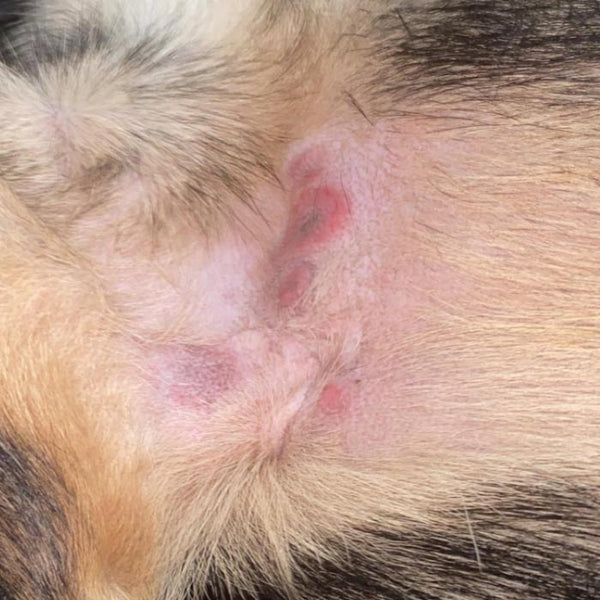
Some dogs may be allergic to pork or the additives used in processing pork skins. Allergic reactions can manifest as skin irritations, itching, or more severe symptoms like swelling and difficulty breathing.
If your dog scratches more than usual after consuming pork skins, it might be time to reconsider this treat. Always keep a keen eye on your dog’s behavior after introducing new foods.
Are pork skins worth the potential health risks for your beloved pet? It’s essential to weigh the pros and cons and make informed decisions about your dog’s diet.
Benefits Of Pork Skins
Are Pork Skins Bad for Dogs Pork skins can be a tasty treat for dogs when given in moderation. They are high in protein and can help clean your dog’s teeth. Always check with your vet to ensure they’re safe for your dog’s diet.
When considering whether pork skins are bad for dogs, it’s important to look at the benefits they can offer. Pork skins can be more than just a tasty treat; they might provide valuable nutrients and enjoyment for your furry friend. Have you ever wondered why dogs seem to love them so much?Protein Source
Pork skins are a surprising source of protein. Protein is essential for your dog’s growth, repair, and overall health. Incorporating pork skins into your dog’s diet can help supplement their protein intake. They are a natural option, offering a break from processed dog foods. However, moderation is key to ensuring your dog gets balanced nutrition. Could this be a simple way to boost your dog’s protein intake?Chewing Satisfaction
Dogs love to chew, and pork skins offer a satisfying crunch. Chewing is not just fun; it helps keep their teeth clean and strong. Pork skins can be a great alternative to synthetic chew toys. They provide a natural texture that dogs enjoy, promoting dental health. Have you noticed your dog spending hours chewing happily on a pork skin treat? The benefits of pork skins might make them a valuable addition to your dog’s treat rotation. While it’s crucial to monitor portion sizes, these skins can offer both nutritional and dental benefits.Safe Serving Practices
When considering whether pork skins are safe for your dog, it’s crucial to focus on serving practices that ensure your furry friend’s health and happiness. While pork skins might seem like a tasty treat, knowing how to serve them safely can make all the difference. Let’s dive into some safe serving practices to keep your dog’s tail wagging without any worry.
Moderation Guidelines
Pork skins should be given to dogs in moderation. Overindulgence can lead to digestive issues or weight gain. A small piece occasionally is fine, but turning it into a regular snack isn’t recommended.
Think of pork skins as a special treat rather than a staple in your dog’s diet. Monitor your dog’s reaction after eating a small portion. If your pet seems happy and healthy, you can offer it again later. Remember, moderation is key to a balanced diet.
Preparing Pork Skins
Preparing pork skins properly can enhance their safety for dogs. Start by choosing plain pork skins without added flavors or spices, as these can be harmful to dogs.
Ensure the pork skins are well-cooked and crispy. Avoid any raw or undercooked pieces, as they might contain bacteria that could upset your dog’s stomach.
Consider breaking them into smaller, manageable pieces. This prevents choking and makes it easier for your dog to enjoy the treat safely.
Have you ever noticed how your dog reacts to different textures in food? Using crispy pork skins can be a delightful treat while ensuring safety through proper preparation.
Alternatives To Pork Skins
Pork skins can be a tempting snack for dogs, but they aren’t always the best choice. They are often fried and high in fat, which can lead to health problems. It’s important to consider safer alternatives that provide the same joy and satisfaction for your furry friend.
Healthy Treat Options
Explore nutritious treats that dogs love. Fresh vegetables like carrots and sweet potatoes make great snacks. They are low in calories and rich in vitamins. Apples are another tasty option, but remember to remove the seeds.
Look for dog treats specifically made for health benefits. Some treats are fortified with omega-3 fatty acids, which support healthy skin and coat. Choose options with limited ingredients to avoid potential allergens.
- Carrots
- Sweet potatoes
- Apples (seed-free)
- Omega-3 enriched treats
Natural Chew Alternatives
Natural chews satisfy a dog’s urge to gnaw without harmful effects. Bully sticks are popular. They are made from natural beef muscle and last long. Antlers from deer or elk are another durable choice. They are rich in minerals and safe for dogs.
Rawhide-free chews are available for dogs with sensitive stomachs. Choose chews made from vegetables or meat that are easier to digest. Ensure the chew size is appropriate for your dog’s breed and size.
- Bully sticks
- Deer or elk antlers
- Rawhide-free chews

Credit: medium.com
Veterinarian Insights
In the world of pet care, understanding what is safe for your furry friend to eat can be overwhelming. Many dog owners wonder if pork skins, a popular snack among humans, are harmful to their pets. Consulting veterinarians can provide clarity and peace of mind. This section delves into the insights shared by professionals in the field, ensuring your beloved pet’s health is prioritized.
Professional Opinions
Veterinarians often caution against feeding dogs pork skins due to their high-fat content. These snacks can lead to digestive issues and pancreatitis, which could harm your pet’s health significantly. Dr. Smith, a seasoned vet, emphasizes the importance of understanding the risks, noting that dogs’ digestive systems are not equipped to handle such fatty snacks.
Moreover, pork skins are usually processed with salts and spices, which are not suitable for dogs. The high sodium content can lead to dehydration and other health concerns. Have you ever noticed your dog drinking more water after indulging in salty treats? This could be a sign that their body is reacting negatively.
Recommended Dietary Adjustments
Instead of pork skins, consider healthier alternatives that provide nutritional benefits. Veterinarians recommend snacks like carrot sticks or apple slices, which are low in fat and calories. These options can satisfy your dog’s craving for a crunchy treat without compromising their health.
Adjusting your dog’s diet to include more natural and unprocessed foods can enhance their overall wellbeing. Have you tried incorporating lean proteins like chicken or fish into your pet’s meals? These adjustments can offer valuable nutrients without the risks associated with high-fat snacks.
Remember, your dog’s diet plays a crucial role in their health and happiness. By consulting with your veterinarian, you can tailor their meals to support a balanced lifestyle. It’s worth asking: are the treats you’re giving your dog truly benefiting their health?

Credit: www.youtube.com
Frequently Asked Questions
Can Dogs Safely Eat Pork Skins?
Pork skins are not safe for dogs. They are high in fat and salt, which can lead to obesity and sodium poisoning. Furthermore, processed pork skins might contain harmful additives. Always consult your vet before introducing new foods to your dog’s diet.
What Happens If A Dog Eats Pork Skins?
If a dog eats pork skins, they might experience digestive issues like vomiting or diarrhea. High-fat content can lead to pancreatitis. Monitor your dog for any adverse reactions and contact your veterinarian if symptoms persist or worsen.
Are There Healthier Alternatives To Pork Skins For Dogs?
Yes, there are healthier alternatives. Consider dog-friendly treats like carrots, apples, or specially formulated dog chews. These options are lower in fat and provide nutritional benefits. Always ensure the treats are safe and appropriate for your dog’s dietary needs.
How Often Can Dogs Have Pork Skins?
Dogs should not have pork skins regularly. Their high fat and salt content can harm your dog’s health over time. It’s best to avoid them entirely and opt for healthier, dog-approved treats instead.
Conclusion
Pork skins pose risks for dogs. They can cause digestive issues. Too much fat can lead to weight gain. Choking is another danger. Dogs need balanced diets for health. Small bites might be safe occasionally. Always monitor your pet after eating pork skins.
Consult your vet for advice. They know what’s best for your dog. Remember, safety first. Prioritize your dog’s well-being. Healthy treats are a better choice. Choose wisely for your furry friend. Your pet deserves the best care. Keep them happy and healthy.