Can Dog Shampoo Be Used on Cats: Safety Tips Unveiled
Senior Canine Nutritionist & Dog Behavior Specialist at Cozy Dog Go Wellness Lab

Have you ever been faced with the dilemma of running out of cat shampoo, only to have an abundance of dog shampoo staring back at you? It’s a common scenario that might leave you wondering: can dog shampoo be used on cats?
As a pet owner, you want the best for your furry friends, and making the right choice can be daunting. This decision could affect your cat’s health and happiness, so it’s crucial to know the facts. We’ll explore the differences between dog and cat shampoos and whether using dog shampoo on your cat is a safe option.
You’ll discover what ingredients to look out for, the potential risks involved, and the best practices for keeping your kitty clean and healthy. By the end, you’ll have the confidence to make informed decisions about your pet’s grooming routine. Don’t leave your cat’s well-being to chance—read on to ensure you’re doing what’s best for your feline friend.
Differences Between Dog And Cat Skin
Dog and cat skin have distinct pH levels and sensitivities. Dog shampoo often contains ingredients unsuitable for cats. Cats require products specifically formulated for their unique skin needs.
Dogs and cats may both be furry companions, but their skin has distinct characteristics. Understanding these differences is key when choosing grooming products. Using dog shampoo on cats can lead to skin irritation and other issues. Let’s explore why their skin types demand unique care.Understanding Skin Ph Levels
Cats have more acidic skin than dogs. Their skin pH usually ranges between 6.0 to 6.5. Dog skin pH is closer to neutral, around 7.0. This difference affects how their skin reacts to shampoos.Skin Sensitivity
Cats have more sensitive skin than dogs. They can easily develop rashes or allergies. Dog shampoos often contain ingredients that may be harsh for cats.Oil Production
Dogs produce more natural oils than cats. These oils protect and moisturize their skin. Cat skin has less oil, making it prone to dryness. Using dog shampoo can strip away the little oil cats have.Hair Follicles And Density
Cats have more hair follicles per inch than dogs. Their fur is denser, requiring specific cleansing agents. Dog shampoos might not clean cat fur effectively.Allergic Reactions
Cats are more likely to have allergic reactions to new products. Dog shampoos often contain fragrances and chemicals that cats can’t tolerate. Always check ingredients before using any product. Understanding these differences helps ensure our pets stay healthy and comfortable. Choose the right products for their unique needs.Common Ingredients In Dog Shampoo
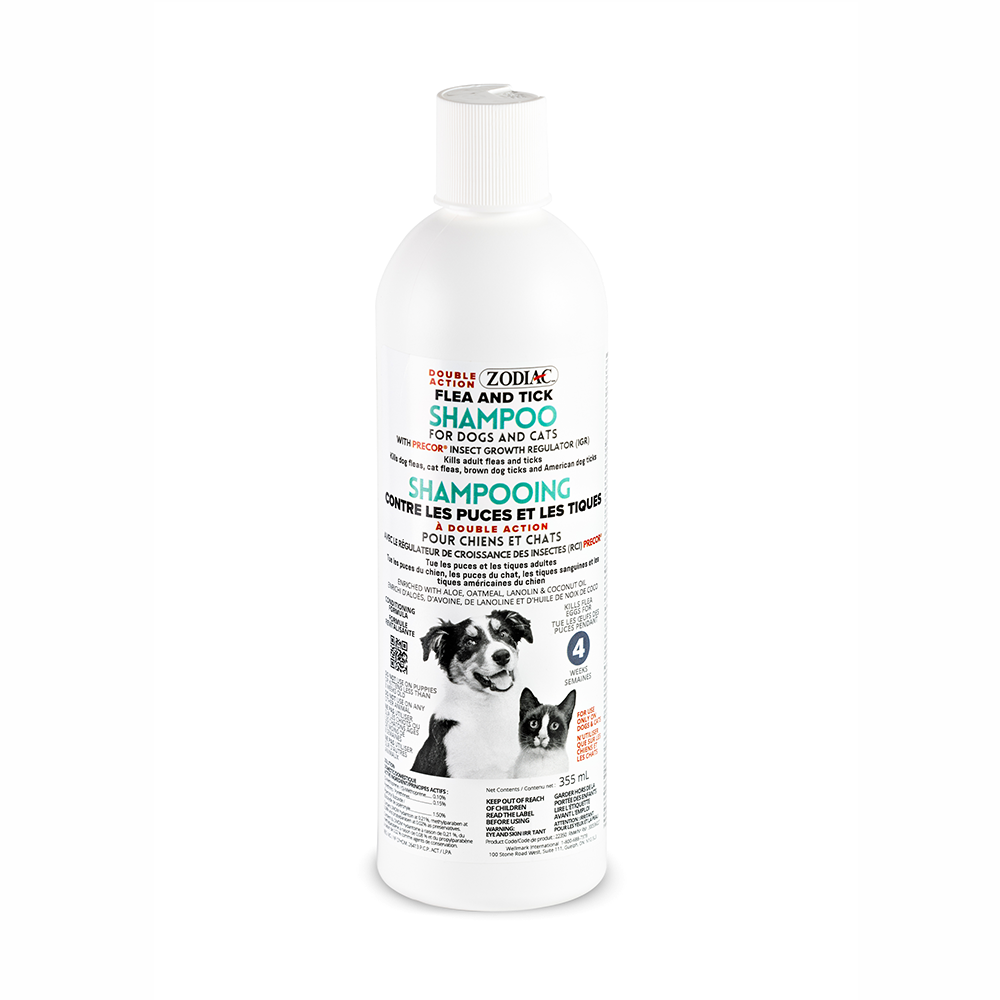
Dog shampoo often contains ingredients like aloe vera, oatmeal, and essential oils. Cats may react differently to these components. Ensure the shampoo is safe for feline use to avoid skin irritation.
Dog shampoos are formulated with a variety of ingredients aimed at tackling different issues such as odor, fleas, and skin irritation. When considering using dog shampoo on cats, it’s crucial to understand these components to ensure safety and effectiveness. Let’s explore some common ingredients found in dog shampoos and discuss whether they’re suitable for your feline friend.Water
Water is the primary ingredient in most shampoos. It acts as a solvent to dissolve other components and provides the base for the shampoo. While water is safe for both dogs and cats, it’s how other ingredients interact with it that matters.Sulfates
Sulfates, such as sodium lauryl sulfate, are common in dog shampoos for their cleansing properties. They can effectively remove dirt and oil from fur. However, sulfates may irritate a cat’s sensitive skin and could lead to dryness.Fragrances
Many dog shampoos contain fragrances to keep pets smelling fresh. While pleasant for humans, these scents may be overwhelming for cats and could trigger allergic reactions or stress. Cats have a more acute sense of smell than dogs, making them more sensitive to strong odors.Essential Oils
Essential oils are often added for their antibacterial and aromatic benefits. While they can be beneficial for dogs, some oils are toxic to cats, such as tea tree oil. It’s vital to check the label for any oils that may be harmful to your cat.Herbal Extracts
Herbal extracts like chamomile and aloe vera are used for soothing skin. These ingredients are generally safe for cats; however, always ensure they are listed in safe concentrations. Overuse can lead to skin irritation or allergic reactions.Conditioners
Conditioners in dog shampoos help detangle and soften fur. While beneficial for grooming dogs, cats have different fur textures and may not require the same conditioning agents. In some cases, these can weigh down a cat’s coat, making it look greasy. Before using any product on your cat, consider their specific needs and sensitivities. Have you checked the ingredient list of your pet products recently? It’s always better to be cautious and consult with your veterinarian if you’re unsure about any ingredient.Potential Risks For Cats
Using dog shampoo on cats may seem convenient, but it poses risks. Cats and dogs have different skin pH levels. Dog shampoos can disrupt the natural balance in cats, leading to various problems. Understanding these potential risks ensures your feline friend’s safety and comfort.
Skin Irritation
Dog shampoos often contain ingredients not suitable for cats. This can lead to skin irritation. Cats have more sensitive skin than dogs. Harsh chemicals or fragrances in dog shampoos may cause redness and itching. Prolonged exposure might lead to severe skin conditions. Always choose cat-specific shampoos to avoid irritation.
Allergic Reactions
Allergic reactions are another risk of using dog shampoo on cats. Cats may react to ingredients safe for dogs. Symptoms include sneezing, coughing, or breathing difficulties. Some cats might also show signs of digestive upset. If you notice any unusual behavior, consult a veterinarian immediately. It’s vital to use products made specifically for cats.
Signs Of Adverse Reactions In Cats
Using dog shampoo on cats may cause adverse reactions like skin irritation or allergic responses. Cats may show signs such as excessive scratching, redness, or unusual behavior. Always choose products specifically designed for feline use.
Cats have sensitive skin and fur. Using dog shampoo on them can cause adverse reactions. It’s essential to monitor your cat after using any shampoo. Recognizing signs of a reaction can help in seeking timely care.Skin Irritation
Redness or swelling may appear on your cat’s skin. They might scratch frequently, indicating discomfort. Keep an eye on any unusual skin changes.Excessive Licking
Cats might lick the area where the shampoo was applied. This behavior can lead to further irritation or hair loss.Hair Loss
Noticing bald patches after using shampoo? This can be a sign of an adverse reaction. Monitor any increase in shedding or hair thinning.Behavioral Changes
Cats may become lethargic or hide. Watch for any decrease in activity or unusual behavior.Vomiting Or Diarrhea
Your cat may have an upset stomach. If vomiting or diarrhea occurs, consider the shampoo as a potential cause.Respiratory Issues
Coughing or sneezing might develop after using the shampoo. Observe any breathing difficulties or increased respiratory rate.Ear Problems
Shampoo might irritate the ears. Look for signs of shaking head or scratching ears often. React quickly if you notice these signs. Consult a veterinarian for advice. Your cat’s health is a priority.Safe Alternatives For Cat Grooming
When it comes to grooming your feline friend, using the right products is crucial. While dog shampoo might seem like an easy alternative, it may not be safe for cats due to differences in their skin and fur needs. Cats have sensitive skin that can react adversely to the ingredients found in dog shampoo. So, what are the safe alternatives for cat grooming? Let’s explore options that ensure your cat’s coat remains shiny and healthy.
Cat-specific Shampoos
Cat-specific shampoos are formulated with your feline’s unique needs in mind. These shampoos are designed to be gentle and cater to a cat’s sensitive skin, ensuring they don’t cause irritation or allergic reactions. Many brands offer hypoallergenic options that are free from harsh chemicals, making them ideal for regular use.
When choosing a cat shampoo, look for products that contain soothing ingredients like aloe vera or oatmeal. These ingredients are known for their calming properties and can help in maintaining a healthy skin barrier. The added bonus is that these products often leave your cat smelling fresh without overwhelming fragrances.
Natural Remedies
Natural remedies can be a wonderful alternative for cat grooming. These solutions often come straight from your pantry and can be effective in maintaining your cat’s fur. For instance, a simple mix of water and apple cider vinegar can act as a natural cleanser, helping to remove excess oils and dirt.
You might also consider using a baking soda paste. This can be applied sparingly to your cat’s fur to neutralize odors and absorb oil. Ensure you rinse it thoroughly to prevent any residue from irritating your cat’s skin. Always test a small area first to ensure your cat doesn’t have a negative reaction.
What unconventional methods have you tried for your cat’s grooming routine? Sometimes the best solutions are the simplest, hidden right in your kitchen cupboard.
Credit: www.petsradar.com
Consulting Veterinarians
Consulting veterinarians advise against using dog shampoo on cats due to different skin pH levels. Cats may experience irritation and dryness from dog-specific formulas. Always choose products designed for feline use to ensure their safety and comfort.
When it comes to deciding whether dog shampoo is suitable for your feline friend, it’s crucial to consult with veterinarians. These professionals have the expertise needed to guide you through the potential risks and benefits. They can provide insights that you might not have considered, ensuring the safety and well-being of your pet.Why Consult A Veterinarian?
Veterinarians are trained to understand the unique needs of both dogs and cats. They can advise you on whether the ingredients in dog shampoo are safe for cats, who have different skin pH levels and sensitivities. A quick chat with your vet can prevent potential skin irritation or allergic reactions in your cat.Understanding Ingredient Sensitivity
Cats have a more sensitive skin than dogs, and some ingredients in dog shampoo could cause harm. Consulting a vet helps you identify any harmful substances that might be present. They may even recommend a specific cat-friendly product tailored to your pet’s needs.Personalized Pet Care
Every pet is different, just like people. Your vet can assess your cat’s specific needs, considering factors like age, breed, and any existing health conditions. This personalized advice ensures that your pet’s bathing routine is both safe and effective.Frequent Vet Visits And Their Benefits
Regular visits to the vet are not just for emergencies. They help maintain your pet’s overall health and catch potential issues early on. During these visits, you can discuss any concerns about grooming products, including the use of dog shampoo on cats.Building A Trusting Relationship With Your Vet
A strong relationship with your veterinarian fosters better communication and trust. When you trust your vet, you’re more likely to follow their advice and recommendations. This trust ensures that you’re making informed decisions about your pet’s care, leading to a happier, healthier cat. Have you ever consulted a vet about using dog shampoo on your cat? What advice did they give you? Share your thoughts and experiences in the comments below!Diy Cat Shampoo Recipes
Dog shampoo may not be safe for cats due to differing skin pH levels. Cats need a gentle, tailored formula. DIY cat shampoos often use natural ingredients like oatmeal or chamomile, ensuring safety and comfort for your feline friend.
Creating your own cat shampoo can be both fun and rewarding. Not only do you get to ensure that the ingredients are safe, but you also save money in the process. Plus, it’s a great way to avoid the harsh chemicals often found in commercial products. Let’s dive into the ingredients you should avoid and safe alternatives you can use.Ingredients To Avoid
When making DIY cat shampoo, it’s crucial to steer clear of certain ingredients that can harm your furry friend. – Essential Oils: Despite being natural, many essential oils are toxic to cats. Their bodies can’t process them, leading to potential health issues. – Human Shampoo Ingredients: Ingredients like sulfates and artificial fragrances can irritate a cat’s sensitive skin. They strip away natural oils, leaving the skin dry and itchy. – Alcohol and Parabens: These can cause skin dryness and allergic reactions. Cats are particularly sensitive, so it’s best to avoid them altogether.Safe Ingredients
Now, let’s focus on the ingredients you can confidently use in your DIY cat shampoo. – Castile Soap: A gentle, vegetable-based soap that cleans without stripping natural oils. It’s mild enough for a cat’s delicate skin. – Aloe Vera Gel: Known for its soothing properties, aloe vera can calm any skin irritation. It’s a great addition for cats with sensitive skin. – Apple Cider Vinegar: This natural deodorizer helps balance the skin’s pH levels. Use it sparingly to avoid overpowering smells. Creating a DIY cat shampoo allows you to customize according to your cat’s needs. Have you ever considered what your cat’s skin might be reacting to? By using safe, natural ingredients, you ensure your feline friend stays clean and comfortable.Tips For Bathing Cats
Using dog shampoo on cats can be harmful due to different pH levels. Cats need specially formulated cat shampoos to avoid skin irritation and allergies. Always choose products made specifically for feline care.
Bathing cats can be challenging. They aren’t fond of water. Yet, sometimes, it’s necessary. Whether due to dirt or fleas, a bath can help. With the right approach, it becomes easier. Follow these tips for a smoother experience.Preparation
Set up everything before starting. Gather shampoo, towels, and a comb. Choose a quiet spot. Ensure warm water is ready. Trim their nails to prevent scratches. Brush their fur to remove knots. This keeps the process smooth.Bathing Technique
Use gentle methods. Fill the tub slightly with warm water. Hold the cat firmly but gently. Wet their fur using a cup or spray. Apply shampoo and massage gently. Avoid getting water in their eyes and ears. Rinse thoroughly to remove all soap. Dry them with a soft towel. Use a hairdryer on low if needed. Keep them warm afterward.Maintaining Cat Hygiene
Using dog shampoo on cats is not recommended. Cats have different skin pH levels and sensitivities. Always choose products specifically designed for feline care to ensure their safety and well-being.
Maintaining your cat’s hygiene is essential for their health and happiness. Cats are meticulous groomers, but they still need a little help from you to stay clean and healthy. Understanding how to maintain their hygiene can enhance your bond and keep your feline friend feeling their best.Regular Grooming
Regular grooming is more than just brushing your cat’s fur. It involves checking their skin for any unusual signs, trimming their nails, and cleaning their ears. Consistent grooming sessions can help you detect potential health issues early, such as skin irritations or parasites. Brushing your cat not only prevents matting but also reduces shedding and hairballs. Invest in a quality brush suitable for your cat’s coat type. Make grooming sessions enjoyable by using treats or gentle praise.Importance Of Cleanliness
Cleanliness is crucial for preventing infections and other health issues. A clean cat is a happy and healthy cat. But did you know that some shampoos meant for dogs are unsafe for cats? Cats have different skin pH levels than dogs, making certain dog shampoos harmful. Always choose cat-specific products to avoid allergic reactions or skin problems. Ensuring your cat’s environment is clean is equally important. Regularly wash their bedding and clean their litter box to keep germs at bay. A tidy environment contributes to your cat’s overall well-being, reducing the risk of disease. How do you ensure your cat stays clean and content? Regular grooming and maintaining cleanliness are key steps in your cat’s hygiene routine.
Credit: pethealthpros.com

Credit: pethealthpros.com
Frequently Asked Questions
Can I Use Dog Shampoo On My Cat?
Using dog shampoo on cats is not recommended. Cats have sensitive skin and different pH levels. Dog shampoos may contain ingredients harmful to cats. Always choose a shampoo specifically formulated for cats to ensure their safety and health.
What Are The Risks Of Using Dog Shampoo On Cats?
Dog shampoos may contain flea treatments or essential oils toxic to cats. Cats’ skin can react negatively, leading to irritation or allergies. It’s important to use cat-specific products to avoid these risks and ensure your cat’s well-being.
How Do I Choose The Right Shampoo For My Cat?
Select a shampoo specifically formulated for cats. Look for natural ingredients and avoid harsh chemicals. Ensure it’s pH-balanced for cats’ skin. Consulting your veterinarian can also help in choosing the best product for your feline friend.
Are There Any Alternatives To Cat Shampoo?
Yes, you can use hypoallergenic baby shampoos as an alternative. Ensure they are fragrance-free and gentle. Always test a small area first. However, it’s best to use shampoos made for cats to maintain their coat health.
Conclusion
Choosing the right shampoo is key for your pet’s health. Cat skin is sensitive. Dog shampoo might cause irritation. Always read labels before using pet products. Consult your vet if unsure. They can recommend safe options. Remember, cats need special care.
Their needs differ from dogs. Using the wrong shampoo can harm them. Keep your feline friend safe. Use products made for cats. Your pet’s well-being depends on your choices. Prioritize their health with proper grooming. It’s worth it for their happiness.

Similar Posts