Can Dogs Eat Turkey Skin: Safety Tips for Pet Owners
Is turkey skin safe for your furry friend? As a dog owner, you’re often faced with questions about what your beloved pet can and can’t eat.
Turkey, a popular holiday treat, might seem like a healthy snack for your dog. But what about the skin? You’re not alone in wondering if it’s a safe choice. This article will delve into the dos and don’ts of sharing turkey skin with your dog.
You’ll discover the potential risks and benefits, helping you make an informed decision. Don’t leave your dog’s health to chance; read on to ensure your pet’s diet is both safe and satisfying.
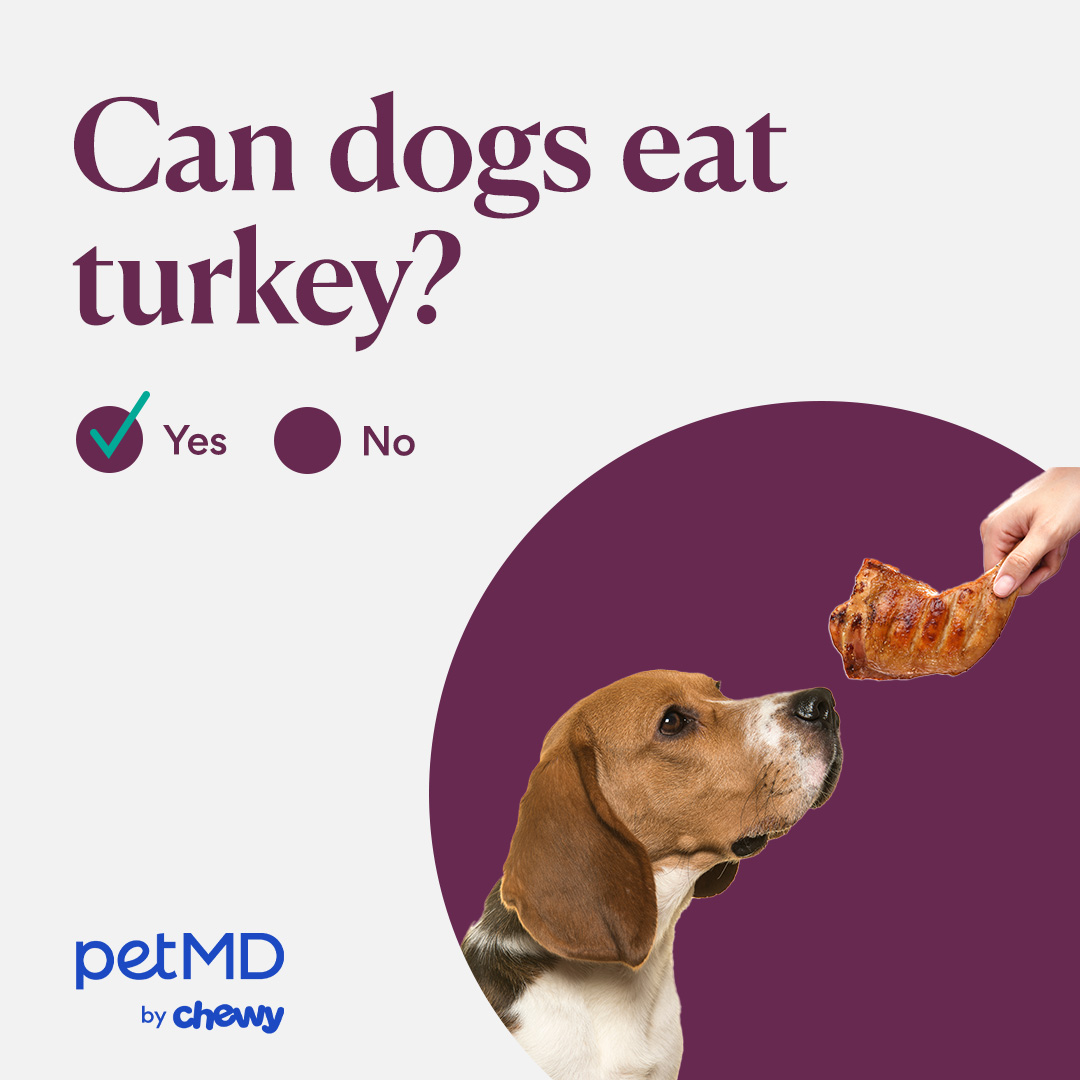
Credit: www.facebook.com
Turkey Skin And Dogs
When Thanksgiving rolls around, many pet owners find themselves wondering if their furry friends can indulge in some of the feast, particularly the turkey skin. Turkey skin might seem like a harmless treat for your dog, but it’s essential to understand its implications. Let’s dive into the details to ensure you’re making the best decision for your pet’s health.
Nutritional Content Of Turkey Skin
Turkey skin is rich in fats and oils, which can be enticing for dogs due to the taste and texture. However, it’s important to note that these fats are primarily saturated. While fats are a necessary part of a dog’s diet, excessive saturated fats can lead to health issues.
Turkey skin also contains a significant amount of calories. If your dog consumes it regularly, it could contribute to weight gain. This can be especially concerning if your dog is not very active or is predisposed to obesity.
Common Concerns
One of the primary concerns with feeding turkey skin to dogs is the risk of pancreatitis. The high-fat content can overwhelm your dog’s digestive system, leading to this painful condition. Symptoms of pancreatitis include vomiting, diarrhea, and abdominal pain.
Another concern is the seasoning often found on turkey skin. Spices like garlic and onion can be toxic to dogs. Even if you scrape off visible seasoning, residues might still remain, posing a risk to your pet’s health.
Have you ever noticed how your dog reacts after eating something they shouldn’t? It’s crucial to monitor any changes in behavior or digestion after they consume something new. This way, you can act quickly if something doesn’t sit right.
Risks Of Feeding Turkey Skin
Feeding turkey skin to dogs poses health risks. High fat content can lead to pancreatitis. Spices on the skin may upset their stomach.
Feeding turkey skin to dogs might seem harmless during festive feasts, but it’s essential to understand the risks involved. While your furry friend may eagerly gobble it up, turkey skin can lead to health issues that you might not anticipate. Let’s dive into some of the potential hazards associated with giving your dog turkey skin.High Fat Content
Turkey skin is notoriously high in fat, which can be problematic for dogs. Consuming foods rich in fat can lead to obesity and other health problems. Even a small piece of turkey skin can pack more fat than your dog’s regular meal. Consider this: Would you feed your dog a meal of pure bacon fat? Turkey skin is not far off. Excessive fat intake can lead to digestive issues. You might notice your dog experiencing diarrhea or vomiting after consuming fatty turkey skin. It’s a sign that their body is struggling to process the overload.Potential For Pancreatitis
One of the more serious risks is pancreatitis, a painful condition triggered by high-fat foods. Pancreatitis causes inflammation of the pancreas, leading to severe abdominal pain and potentially life-threatening complications. Imagine your dog in distress, unable to enjoy their usual playful antics because of discomfort. Symptoms of pancreatitis in dogs include lethargy, loss of appetite, and abdominal pain. If you suspect your dog has eaten turkey skin and is showing these signs, a trip to the vet might be necessary. Is the taste of turkey skin worth risking your dog’s health and happiness? Consider these risks before sharing festive treats with your pet.Allergic Reactions
Dogs might enjoy turkey skin, but it can trigger allergic reactions. Fatty skin can upset their stomachs and cause issues. Always consult a vet before sharing human food with pets.
Turkey skin can cause allergic reactions in dogs. These reactions may vary from mild to severe. Knowing the signs helps in early detection and treatment.Signs Of Allergies
Dogs show different signs when allergic. Itching is common. You might see redness on their skin. Sneezing and coughing can occur. Watch for vomiting or diarrhea. These are symptoms too. Swelling around eyes and face is serious. Breathing difficulties need immediate attention.Preventive Measures
Prevent allergies by taking simple steps. Introduce turkey slowly. Monitor your dog for any signs. Start with a small amount. Gradually increase if no symptoms appear. Consult a vet for advice. They can suggest safe feeding practices. Avoid giving turkey skin if unsure.Safe Alternatives
Turkey skin can be risky for dogs due to its high fat content. Opt for lean turkey meat instead. Vegetables like carrots or pumpkin make safe and tasty treats for your furry friend.
When it comes to sharing Thanksgiving leftovers with your furry friend, you might wonder about turkey skin. Unfortunately, it’s best to steer clear due to its high fat content, which can be harmful to dogs. But don’t worry, there are safe alternatives to keep your dog happy and healthy. Let’s explore some delicious and nutritious options for your canine companion.Turkey Meat
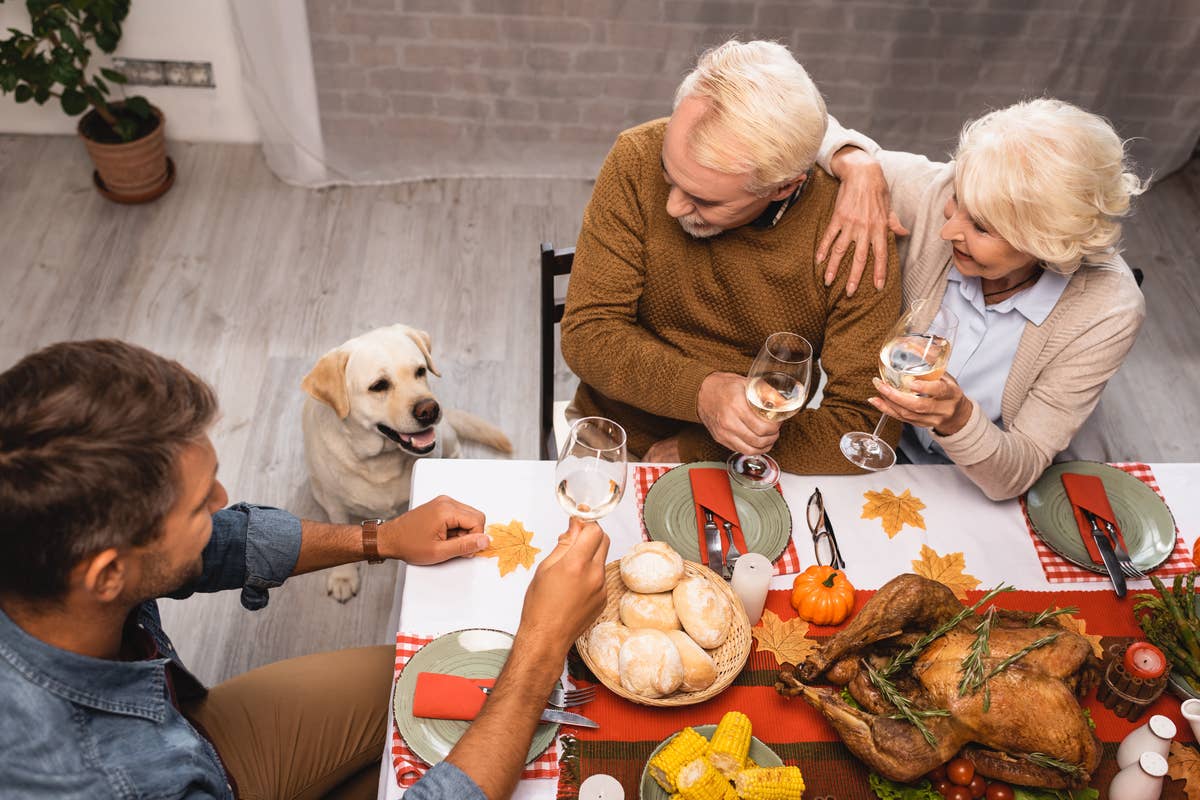
Turkey meat is a fantastic option for your dog. It’s a lean protein source that can be a tasty treat without the risks associated with turkey skin. Just ensure the meat is cooked thoroughly and unseasoned. Spices and additives can upset your dog’s stomach. Have you ever noticed your dog waiting eagerly by the table during family dinners? Treat them to some plain turkey meat, cut into small, manageable pieces. This way, you’re not only sharing a moment but also ensuring your pet gets a healthy snack.Healthy Dog Treats
If you’re looking for alternatives beyond turkey, consider healthy dog treats. You can find a variety of options at your local pet store or even make them at home. Homemade treats can be tailored to your dog’s taste and dietary needs. Why not try making simple treats with ingredients like pumpkin, peanut butter, or oats? These are not only nutritious but also safe for your dog. Plus, creating treats at home can be a fun activity for you and your family. Engaging with your dog’s diet by providing safe alternatives can enhance their health and happiness. What do you usually give your dog during festive meals? Making mindful choices can prevent health issues and keep those tails wagging.Tips For Safe Feeding
Turkey skin can be unhealthy for dogs due to high fat content, possibly causing digestive issues. Remove skin before feeding turkey to your dog. Always consult a vet for safe feeding practices.
Feeding your dog turkey skin might seem harmless, but it requires some careful thought. Turkey skin is rich and fatty, which can lead to upset stomachs or more serious health issues in dogs. Before you share your Thanksgiving leftovers, consider these tips for safe feeding to keep your furry friend healthy and happy.Portion Control
It’s easy to be generous when your dog eagerly waits at your feet, but portion control is crucial. A small amount of turkey skin is less likely to cause digestive issues. You might think a small piece isn’t enough, but your dog’s digestive system processes food differently than yours. Try offering a piece the size of your thumbnail to start. Observe how your dog reacts. You know your dog best, so adjust portions based on their size and breed. Always err on the side of caution to prevent overfeeding.Avoiding Seasonings
Turkey skin often comes heavily seasoned, posing a risk for your dog. Garlic, onions, and other common seasonings can be toxic. Avoid giving your dog skin that has been seasoned, especially with ingredients like salt, which can lead to excessive thirst or even sodium ion poisoning. If you plan to share turkey skin, set aside a plain piece before adding any spices or marinade. Your dog will appreciate the treat without the risk of harmful additives. Have you ever considered the ingredients in your leftovers before sharing them with your pet? Remember, what might taste great to you could be dangerous for your dog.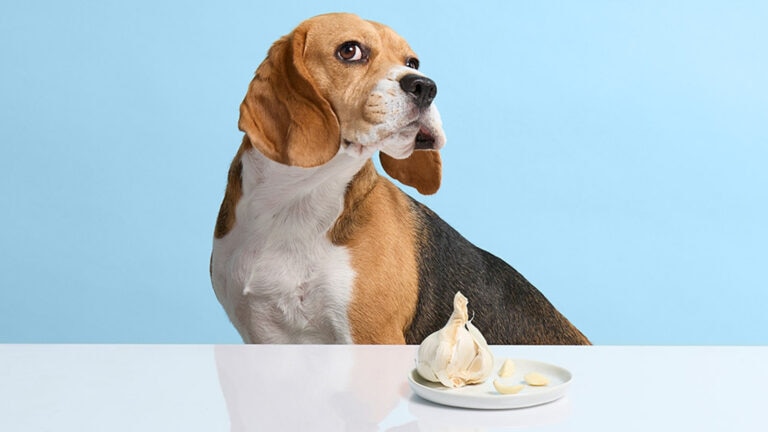
Credit: www.chewy.com
Consulting A Veterinarian
When considering what treats to offer your furry friend, it’s essential to consult a veterinarian, especially when it comes to foods that may be questionable. Turkey skin, for instance, might seem harmless but can pose health risks for dogs. Your vet can provide personalized advice tailored to your dog’s unique needs and dietary restrictions.
Professional Advice
Veterinarians have extensive knowledge of animal health and nutrition. They can offer guidance on whether turkey skin is safe for your dog. They might suggest alternatives that are both tasty and healthy. Discussing your pet’s diet with a vet ensures that you are making informed decisions that contribute to your dog’s overall well-being.
Emergency Situations
If your dog accidentally consumes turkey skin and starts showing signs of distress, such as vomiting or diarrhea, contact your vet immediately. Quick action can prevent more serious complications. Having your vet’s contact information readily available can make a difference in emergency situations.
Credit: paradepets.com
Frequently Asked Questions
Is Turkey Skin Safe For Dogs?
Turkey skin is not safe for dogs. It’s high in fat and can cause digestive issues. Consuming turkey skin may lead to pancreatitis, a serious condition in dogs. Always remove the skin before feeding turkey to your pet.
Can Dogs Digest Turkey Skin?
Dogs struggle to digest turkey skin due to its high-fat content. This can lead to gastrointestinal problems. Fatty foods like turkey skin can cause vomiting and diarrhea. It’s best to avoid giving turkey skin to dogs.
What Happens If A Dog Eats Turkey Skin?
If a dog eats turkey skin, it may experience digestive upset. Symptoms include vomiting, diarrhea, and abdominal pain. In severe cases, it could lead to pancreatitis. It’s crucial to monitor your dog and consult a vet if symptoms persist.
How Much Turkey Skin Is Harmful To Dogs?
Even small amounts of turkey skin can be harmful to dogs. Its high-fat content poses a risk of digestive issues. Larger quantities increase the risk of pancreatitis. It’s best to avoid giving any turkey skin to dogs.
Conclusion
Turkey skin might seem tempting for dogs. It’s crispy and flavorful. But it’s not safe for them. Fatty skin can upset a dog’s stomach. It may cause diarrhea or vomiting. In severe cases, it leads to pancreatitis. Always choose safer treats for your furry friend.
Consider lean turkey meat instead. It offers protein without the risks. Keep your dog healthy and happy. A balanced diet ensures they thrive. Your pet’s wellbeing comes first. Stay informed about what they can eat. Your care makes all the difference.
Make wise choices for your dog’s diet.