What to Do for Dogs With Dry Skin: Expert Solutions
Senior Canine Nutritionist & Dog Behavior Specialist at Cozy Dog Go Wellness Lab

Does your furry friend seem to be scratching more than usual? Is their once shiny coat now looking a bit dull and flaky?
Dry skin in dogs can be more than just an annoyance; it can lead to discomfort and even health issues for your beloved pet. But don’t worry, you’re not alone in this. Many dog owners face the same challenge and want to see their pets happy and healthy again.
In this blog post, you’ll discover practical solutions and tips that can transform your dog’s skin from rough and itchy to smooth and comfortable. Dive in to learn how you can make your dog’s skin troubles a thing of the past and bring back that wagging tail and joyful energy. Your pup deserves it!

Credit: petfriendlybox.com
Causes Of Dry Skin In Dogs
Dry skin in dogs can be quite bothersome for your furry friend, leading to itchiness and discomfort. Understanding the causes is crucial to addressing the issue effectively. From environmental changes to dietary habits, several factors can contribute to your dog’s dry skin. Let’s explore them in detail.
Environmental Factors
Changes in weather can significantly affect your dog’s skin. Cold and dry climates often lead to skin dryness, just as they do in humans. If you notice your dog scratching more during winter months, it’s likely due to the reduced humidity in the air. Indoor heating systems can further exacerbate the problem by drying out the air.
Consider how frequently your dog is bathed. Over-bathing can strip away natural oils, leaving the skin dry and flaky. Using harsh shampoos can also contribute to the problem, so it’s wise to opt for moisturizing or hypoallergenic options.
Dietary Influences
Your dog’s diet plays a vital role in skin health. A lack of essential fatty acids, such as omega-3 and omega-6, can lead to dry and itchy skin. These nutrients help maintain skin moisture and elasticity.
Have you checked the ingredients in your dog’s food? Low-quality food may lack necessary nutrients, leading to skin issues. Consider supplementing with fish oil or feeding a diet rich in these essential oils to support their skin health.
Allergies And Sensitivities
Allergies can be a major cause of dry skin in dogs. Environmental allergens like pollen or dust mites can trigger skin reactions. Food allergies or sensitivities are another potential culprit. If you notice your dog scratching or licking excessively, an allergy might be the issue.
Have you tried an elimination diet? By removing certain foods from your dog’s diet, you can identify specific allergens and adjust their meals accordingly. This approach can bring relief to your dog and prevent further skin problems.
Underlying Health Conditions
Sometimes, dry skin is a symptom of a more serious health issue. Conditions such as hypothyroidism or Cushing’s disease can affect skin health. These diseases alter hormone levels and can lead to dry, flaky skin.
If you’ve ruled out environmental and dietary causes, it’s worth considering a vet check-up. Early detection of underlying health problems can lead to more effective treatment, improving your dog’s overall well-being.

Credit: www.amazon.com
Signs Of Dry Skin
Dogs can suffer from dry skin, just like humans. Recognizing the signs early helps prevent discomfort. Understanding these signs is crucial for your dog’s health. Dry skin can lead to more serious problems if ignored. In this section, we will explore the visible symptoms and behavioral changes that may indicate your dog has dry skin.
Visible Symptoms
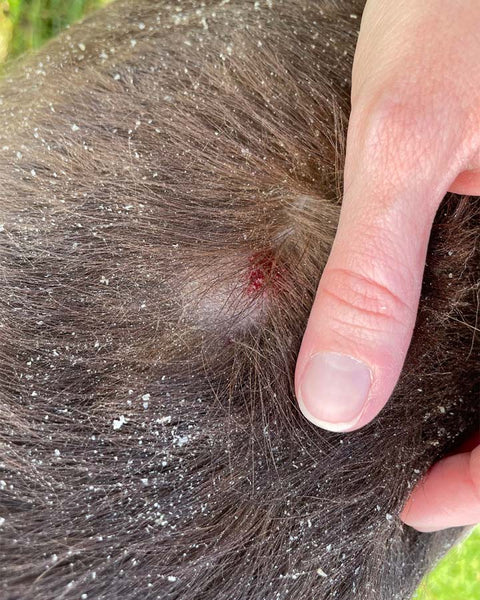
Dry skin in dogs often shows clear signs. Keep an eye out for flaky skin. This appears as white flakes, similar to dandruff. You may notice redness or irritation. The skin might look rough or crusty. Hair loss can also occur. Patches of missing fur may develop. A dull coat can be another indicator. Healthy fur is usually shiny. Dull fur signals potential skin issues.
Behavioral Changes
Behavioral changes can signal dry skin. Watch for excessive scratching. Your dog may scratch more than usual. Licking or biting at the skin is common. This is often due to itchiness. Dogs may rub against furniture or the floor. This is an attempt to relieve discomfort. Pay attention to any restless behavior. A dog with itchy skin might seem agitated. They may struggle to relax or sleep comfortably.
Immediate Relief Techniques
Coconut oil can soothe your dog’s dry skin. A gentle oatmeal bath offers quick relief and hydration. Regular brushing helps distribute natural oils, improving their skin condition.
Dry skin in dogs can be uncomfortable and even lead to scratching or irritation. You might be wondering how to provide immediate relief to your furry friend. Thankfully, there are simple techniques you can use to soothe their skin and make them feel more comfortable.Hydrating Bath Solutions
A hydrating bath can be a quick and effective way to moisturize your dog’s dry skin. Consider using a gentle oatmeal shampoo, which is known for its soothing properties. Oatmeal can help reduce itching and promote moisture retention. Adding a few drops of coconut oil to the bath water can also enhance hydration. Coconut oil acts as a natural moisturizer, leaving your dog’s skin soft and nourished. Make sure the water is lukewarm, as hot water can further dry out the skin. Keep bath time short to prevent your dog from feeling cold and uncomfortable.Topical Treatments
Topical treatments can offer immediate relief for dry patches. Applying aloe vera gel is a great option as it has anti-inflammatory properties. Aloe vera can soothe irritated skin and promote healing. Another effective topical solution is vitamin E oil. Gently massage a few drops onto the dry areas. Vitamin E can help repair damaged skin and restore moisture balance. You might also try using a dog-specific moisturizer. These products are formulated to be safe for canine use and can provide instant relief from dryness. Have you ever noticed how your dog’s skin reacts to different treatments? Observing their response can guide you in finding the most effective solution.
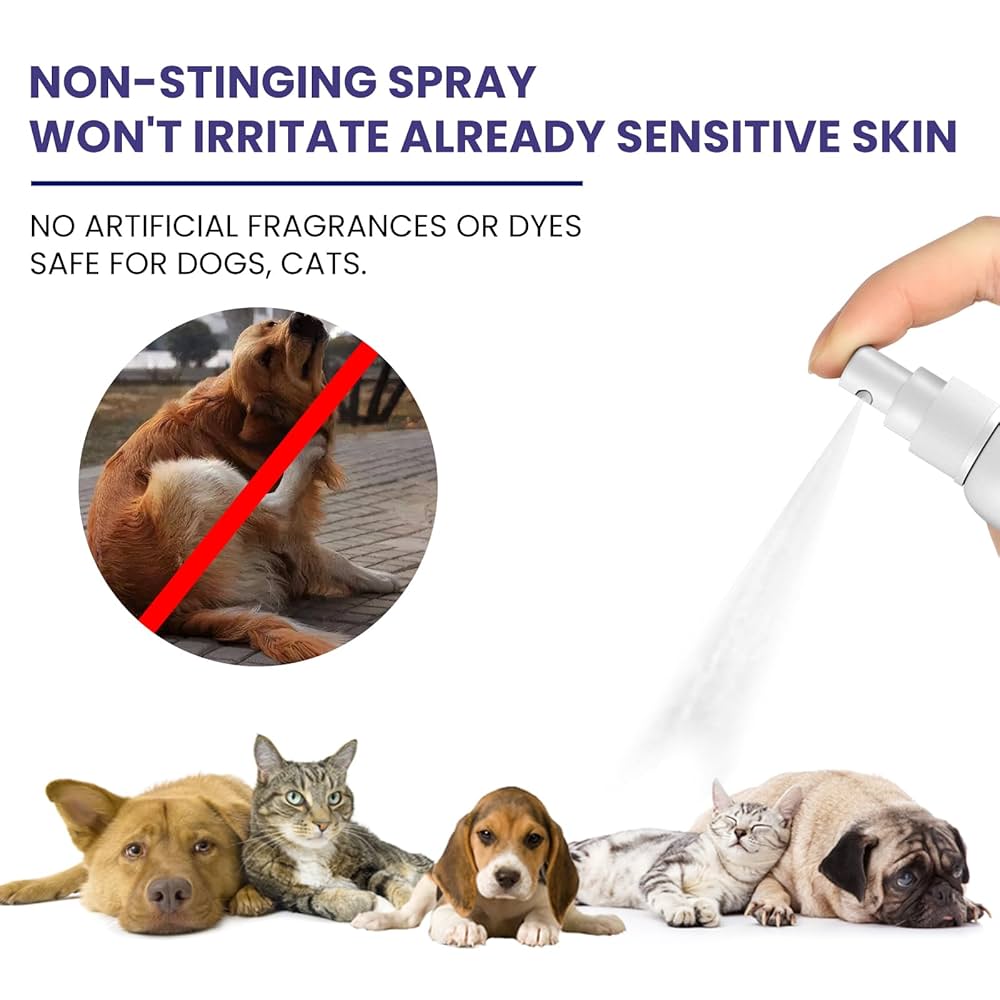
Credit: www.amazon.com
Long-term Management Strategies
Regular baths with mild shampoo can soothe dry skin in dogs. Balanced diet rich in omega-3 fatty acids helps maintain healthy skin. Consult a vet for appropriate supplements.
Long-term management of your dog’s dry skin is essential to ensure their comfort and health. By addressing the root causes and implementing consistent care routines, you can help your furry friend maintain a healthy coat and skin. Here are some strategies that will make a significant difference over time.Dietary Adjustments
What your dog eats can have a major impact on their skin condition. Ensuring a balanced diet rich in essential fatty acids, like omega-3 and omega-6, can help nourish their skin from the inside out. Consider adding fish oil supplements or switching to a high-quality dog food formulated for skin health. Always check with your veterinarian before making dietary changes. They can provide recommendations tailored to your dog’s specific needs. An appropriate diet can improve not only their skin but also their overall well-being.Regular Grooming Practices
Consistent grooming is key to managing dry skin in dogs. Brushing your dog’s coat regularly helps distribute natural oils, reducing dryness and flakiness. It also provides an excellent opportunity to check for any skin issues or irritations. Use gentle, moisturizing shampoos designed for sensitive skin. Avoid over-bathing, as it can strip the skin of its natural oils. Aim for a grooming routine that keeps your dog comfortable and clean without exacerbating dryness. By implementing these strategies, you can effectively manage your dog’s dry skin in the long term. Remember, your efforts today can lead to a happier, healthier pet tomorrow.Preventive Measures
Ensure your dog stays hydrated to combat dry skin. Include omega-3 rich foods in their diet for healthy skin. Regular grooming helps distribute natural oils, alleviating dryness.
Preventive measures can play a crucial role in maintaining your dog’s skin health, especially if they are prone to dryness. Imagine the relief both you and your furry friend will feel when dry skin becomes a rarity rather than a regular concern. By focusing on environmental control and routine health checks, you can create a nurturing and balanced habitat for your dog.Environmental Control
Take a moment to assess your dog’s surroundings. Dry air, particularly from heating systems in colder months, can strip moisture from your dog’s skin. Consider using a humidifier to add moisture back into the air, especially in rooms where your dog spends most of their time. Think about their bedding too. Materials like wool can irritate sensitive skin, so opt for soft cotton or hypoallergenic fabrics. Outdoor elements also play a part. Limit exposure to extreme temperatures and harsh winds, which can exacerbate dryness. Are you mindful of the grooming products you use? Shampoos with harsh chemicals can worsen dry skin. Choose gentle, moisturizing shampoos designed for sensitive skin to keep your dog clean without stripping natural oils.Routine Health Checks
Routine health checks are pivotal in catching potential skin issues before they become serious. Regular visits to the vet can help identify underlying health problems that may contribute to skin dryness, such as allergies or hormonal imbalances. Observe your dog closely. Changes in behavior, like excessive scratching or licking, may signal a skin issue. Discuss these observations with your vet to ensure your dog receives appropriate care. Would you recognize the signs of nutritional deficiencies? A balanced diet rich in omega fatty acids can promote skin health. Consult your vet about dietary adjustments if you suspect nutritional gaps. By taking proactive steps in environmental control and health monitoring, you ensure that your dog enjoys a comfortable, itch-free life. Isn’t it time your dog felt their best every day?When To Consult A Veterinarian
Dry skin in dogs can often be managed with some at-home care and adjustments in their routine. However, there are times when it’s crucial to seek professional help from a veterinarian. Knowing when to consult a veterinarian can prevent minor issues from becoming serious health problems.
Persistent Symptoms
If your dog’s dry skin persists despite trying various remedies, it might be a sign of an underlying condition. Simple solutions like changing their diet or adding omega-3 supplements should show some improvement within a few weeks. If the dryness remains or worsens, it’s time to reach out to your vet.
Consider how long the symptoms have been present. A week or two of dry skin might be normal, but anything beyond that should be checked out. Don’t wait too long, as prolonged issues might indicate something more serious.
Signs Of Infection
Dry skin can sometimes lead to infections, especially if your dog scratches excessively. Look for signs such as redness, swelling, or pus, which can indicate bacterial or fungal infections. These need immediate veterinary attention to prevent spreading or worsening.
Does your dog seem uncomfortable or in pain? If they are constantly licking or biting at their skin, this could be a sign of infection. Your veterinarian can provide the necessary treatments and advice to ensure your dog’s speedy recovery.
Frequently Asked Questions
What Causes Dry Skin In Dogs?
Dry skin in dogs can be caused by various factors. Common causes include allergies, poor diet, environmental factors, and parasites. Seasonal changes and low humidity can also contribute. Identifying the root cause is essential for effective treatment and prevention. Consult your veterinarian for a proper diagnosis and tailored care plan.
How Can I Treat My Dog’s Dry Skin Naturally?
To treat your dog’s dry skin naturally, consider using coconut oil or oatmeal baths. These remedies can soothe and moisturize the skin. Ensure your dog has a balanced diet rich in omega-3 fatty acids. Regular grooming and using a humidifier can also help maintain skin moisture.
Is Dry Skin A Sign Of Allergies In Dogs?
Yes, dry skin can be a sign of allergies in dogs. Allergies can be triggered by food, environmental factors, or parasites. If you suspect allergies, consult your veterinarian for testing and treatment options. Identifying allergens early can help manage symptoms and improve your dog’s skin health.
Can Diet Improve My Dog’s Dry Skin?
A balanced diet can improve your dog’s dry skin. Include foods rich in omega-3 and omega-6 fatty acids. These nutrients help maintain healthy skin and coat. Consider high-quality dog food formulated for skin health. Consult your veterinarian for dietary recommendations tailored to your dog’s specific needs.
Conclusion
Caring for a dog with dry skin is simple. Pay attention to diet. Ensure hydration. Choose a gentle shampoo. Moisturize the skin regularly. Keep your home humid. Consult a vet for persistent issues. Small changes make a big difference. Your dog deserves comfort and care.
Happy dogs have healthy skin. A little effort leads to a happier pet. Remember, each dog is unique. Find what works best for yours. Enjoy the bond with your furry friend. They bring joy every day. Treat them well. They love unconditionally.
Dry skin shouldn’t dampen their spirit. Love and care keep them thriving.

Similar Posts