Do Dogs Need a Coat in the Winter? Essential Insights
Senior Canine Nutritionist & Dog Behavior Specialist at Cozy Dog Go Wellness Lab

As the chilly winds of winter begin to blow, you might find yourself bundling up in cozy layers. But what about your furry friend?
Does your dog need a coat in the winter, or is their natural fur enough to keep them warm? This question might have crossed your mind as you watch your pet playfully chase snowflakes or accompany you on brisk walks.
Understanding how to keep your dog comfortable during the colder months is crucial for their health and happiness. We’ll explore the factors that determine whether your dog needs a winter coat. By the end, you’ll have a clear picture of how to keep your canine companion warm and happy all season long. So, grab a warm drink, get comfortable, and let’s dive into what your dog truly needs to enjoy the winter wonderland with you!
Dog Coat Necessity
As winter approaches, many dog owners ponder a crucial question. Do dogs need a coat in the winter? The answer isn’t straightforward. Various factors determine whether a dog requires extra warmth during colder months. Some dogs thrive in winter, while others shiver and need protection. Understanding the necessity of a dog coat involves assessing several key aspects.
Factors Influencing Need
The need for a dog coat depends on several factors. Climate plays a significant role. Dogs in colder regions might need coats more than those in milder climates. Outdoor activities also matter. Dogs spending lots of time outside in winter might benefit from a coat. Indoor dogs may not need one. Temperature tolerance varies among dogs, affecting their need for additional warmth.
Breed-specific Considerations
Different breeds have varying tolerance to cold. Breeds with thick fur, like Huskies, often handle winter well. Short-haired or small breeds might struggle in low temperatures. Breeds with low body fat may need extra protection. Understanding your dog’s breed characteristics helps determine if a coat is necessary.
Age And Health Impact
Age influences a dog’s ability to withstand cold. Puppies and senior dogs often need more warmth. Their bodies struggle to regulate temperature effectively. Health conditions also impact a dog’s warmth needs. Dogs with medical issues or thin coats might benefit from a winter coat. Always consider your dog’s health status when deciding on winter clothing.

Credit: waudog.com
Types Of Dog Coats
Dogs have various coat types, like short, long, curly, and double-layered. Winter may require extra warmth for breeds with short or thin coats. Double-coated dogs often manage cold better due to their insulating fur.
Dogs need protection from cold weather, just like humans. Choosing the right coat for your dog can make winter walks more comfortable. Different coats offer various benefits. Understanding the types available helps you select the best option for your furry friend.Material Options
Dog coats come in various materials. Fleece offers warmth and softness. Wool provides excellent insulation against cold. Nylon is durable and easy to clean. Choose a material that suits your dog’s needs and climate.Waterproof Vs. Insulated
Waterproof coats protect against rain and snow. They keep your dog dry during wet weather. Insulated coats focus on warmth. They are ideal for extremely cold temperatures. Consider your environment when choosing between these options.Style And Functionality
Dog coats vary in style and functionality. Some have easy-to-use Velcro closures. Others feature zippers for a snug fit. Reflective strips enhance visibility during nighttime walks. Select a style that suits your dog’s personality and your practical needs.Benefits Of Dog Coats
Dog coats provide warmth and protection during cold winter months. They help prevent hypothermia in chilly weather. Keeping your dog cozy and comfortable ensures they enjoy outdoor adventures, even when temperatures drop.
Dog coats are more than just a fashion statement. They offer practical benefits that can contribute significantly to your dog’s well-being during the chilly months. Beyond the adorable factor, dog coats can provide real advantages that help keep your furry friend comfortable and healthy. Let’s delve into the essential benefits they offer.Protection Against Cold
A dog coat acts as an extra layer of insulation, helping to maintain your dog’s body heat. This is particularly important for smaller breeds, dogs with short fur, or those who are older or have certain health conditions. Think about how you feel stepping outside without a jacket in freezing temperatures. Your dog experiences something similar. Keeping them warm isn’t just about comfort; it’s about safeguarding their health.Preventing Skin Issues
Cold weather can be harsh on a dog’s skin, leading to dryness and irritation. A coat can serve as a protective barrier against the elements, reducing the risk of skin issues. If your dog has ever come inside with red, itchy patches from the cold, you know how uncomfortable it can make them. Using a coat to shield their skin can prevent these problems from developing.Comfort And Mobility
While it might seem like an extra layer could restrict movement, a well-fitted dog coat should do the opposite. It keeps their muscles warm, enhancing mobility. Dogs that shiver in the cold may become stiff, making movement painful. A coat can help maintain muscle flexibility, ensuring your dog can still run and play without discomfort. When I first put a coat on my dog, I was amazed at how much more energetic he seemed on our winter walks. Could a simple layer make that much difference? Absolutely! By understanding these benefits, you ensure your dog can enjoy winter comfortably and safely. Have you tried a coat for your dog yet?
Credit: www.petlovers.com
Signs Your Dog Needs A Coat
Shivering, reluctance to go outside, or curling up more often can signal your dog needs a coat in winter. Short-haired breeds and small dogs might feel colder, needing extra warmth. Be mindful of extreme weather conditions to keep your furry friend comfortable.
Determining if your dog needs a coat during the winter is crucial. Dogs, like humans, can feel the cold. Some breeds cope well, while others struggle. Knowing the signs helps you keep your furry friend comfortable and healthy.Behavioral Indicators
Dogs show behavior changes when cold. They may shiver or tremble. Reluctance to go outside is another sign. Your dog might also seek warmth more often. These are clear indicators.Physical Symptoms
Cold affects dogs physically. Watch for dry skin or a dull coat. Cold ears or paws are noticeable signs. If your dog curls up tightly, it might be feeling cold. Monitor their health closely.Weather Conditions
Weather plays a huge role. Consider temperature, wind, and precipitation. Frost, snow, or icy winds are harsh. Small or short-haired dogs suffer more. Always check local weather forecasts.Choosing The Right Coat
Choosing the right coat for your dog during winter is crucial for their comfort and protection against the cold. Not every coat will suit every dog, so it’s essential to consider various factors before making a purchase. A well-chosen coat not only shields your furry friend from harsh weather but also makes those chilly walks more enjoyable.
Size And Fit Considerations
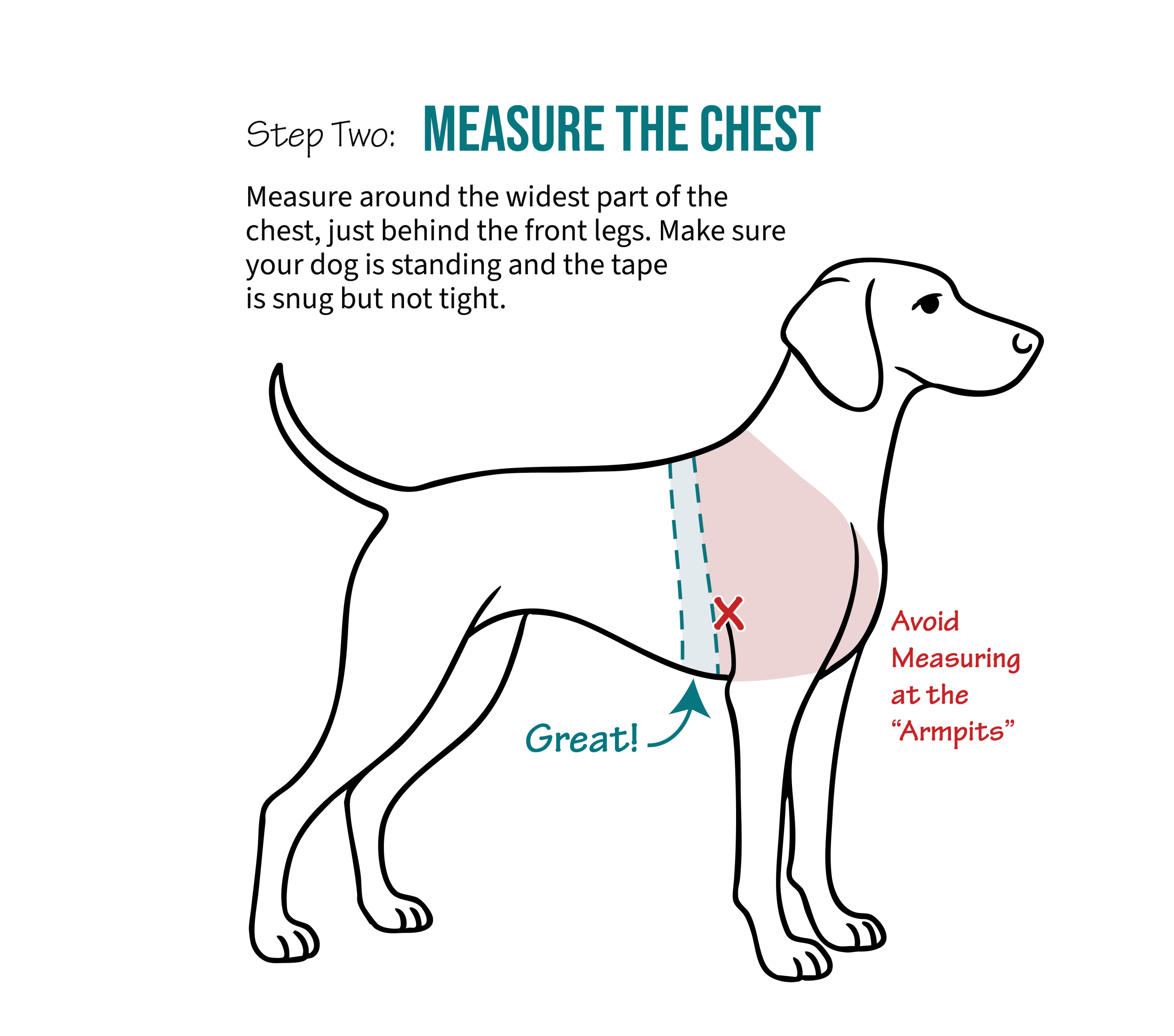
Ensuring the coat fits properly is key. A coat that’s too tight can restrict movement, while one that’s too loose might not provide enough warmth. Measure your dog’s neck, chest, and length from neck to tail before shopping. Remember, a comfortable fit allows your dog to move freely and stay cozy.
Think about your dog’s breed and size. A small Chihuahua will need a different coat than a large Labrador. Look for adjustable straps and closures that can accommodate your dog’s unique shape.
Durability And Maintenance
Durability is important, especially if your dog is active and loves to play outdoors. Choose materials that can withstand wear and tear. Opt for waterproof or water-resistant fabrics to keep your dog dry during wet conditions.
Consider how easy the coat is to clean. Some coats can be machine washed, while others may require special care. An easy-to-maintain coat saves time and keeps your dog looking fresh.
Cost Vs. Quality
Balancing cost and quality can be tricky. While it’s tempting to go for a cheaper option, it might not offer the durability or warmth your dog needs. Invest in a coat that will last and provide adequate protection.
Quality doesn’t always mean the most expensive. Look for trusted brands and read reviews from other dog owners. A well-reviewed coat often indicates a good balance of price and performance.
When selecting a winter coat for your dog, consider these factors carefully. A thoughtful choice ensures your dog stays warm, comfortable, and ready for any winter adventure. What experiences have you had with dog coats? Share your thoughts below!
Alternatives To Dog Coats
Winter can be a challenging time for our furry friends, especially if you live in a colder climate. While dog coats are a popular choice to keep them warm, they’re not the only solution. There are several alternatives that can ensure your pup stays cozy and healthy during the chilly months. Let’s explore some effective and practical ways to keep your dog warm without relying solely on outerwear.
Indoor Warmth Solutions
Enhancing your dog’s indoor environment is crucial. Have you considered adding extra blankets or a heated pet bed? These can make a big difference in how comfortable your dog feels. Using a draft stopper on doors can also keep those pesky cold breezes at bay.
Do you have a favorite cozy corner in your home? Create a snug space for your dog there with soft bedding and maybe a sweater, if they like it. This can be their go-to spot for warmth when temperatures drop.
Exercise And Activity Adjustments
Keeping your dog active is essential for their well-being, especially in winter. Short, frequent walks can be more beneficial than long ones in freezing temperatures. This keeps your dog’s muscles warm without exposing them to the cold for too long.
Consider engaging your dog in indoor games that get them moving. Tug-of-war or a game of fetch can be great alternatives to outdoor play. You might even find your dog enjoys these indoor activities more than braving the chilly outdoors.
Nutritional Support
Did you know your dog’s diet can influence how well they cope with cold weather? Providing adequate nutrition helps maintain their energy levels and body warmth. Including foods rich in healthy fats can support their metabolism during winter months.
Be mindful of their hydration. Even in winter, dogs need plenty of water to stay healthy. If your dog’s bowl is outdoors, make sure the water doesn’t freeze. A hydrated dog is a warm and energetic dog!
So, what are your thoughts on these alternatives to dog coats? Could these strategies help your pet stay warm and happy this winter?
Common Misconceptions
Many pet owners believe dogs need coats in winter. This idea stems from common misconceptions about dog fur, misunderstood needs, and concerns about overdressing. Let’s explore these myths and truths to better care for our furry friends.
Myths About Dog Fur
Dog fur is often seen as a natural insulator. People think all dogs have fur suited for cold weather. In reality, fur varies by breed. Some dogs have thin coats, while others have thick ones. Breeds like Huskies and Malamutes are built for winter. Short-haired breeds may feel the chill more.
Misunderstood Needs
Not all dogs require extra warmth. Small, elderly, or sick dogs might need a coat. Healthy, active dogs often generate enough heat. Observing your dog’s behavior can help determine their needs. Shivering or reluctance to go outside may indicate they need a coat.
Overdressing Concerns
Too many layers can be harmful. Overdressing might cause overheating. Dogs regulate their body temperature naturally. A coat can hinder this process. It’s crucial to find the right balance. Ensure the coat is breathable and fits well. Avoid using a coat indoors, where it’s warmer.

Credit: www.weatherbeeta.com.au
Frequently Asked Questions
Do All Dogs Need A Winter Coat?
Not all dogs need a coat in winter. Breeds with thick fur, like Huskies, usually don’t. However, short-haired or small breeds may benefit. Consider your dog’s size, age, and health. Puppies, senior dogs, or those with health issues may need extra warmth.
Monitor your dog for signs of cold.
How Can I Tell If My Dog Is Cold?
Watch for shivering, whining, or reluctance to go outside. These are signs of cold. Your dog might also curl up tightly or seek warmth. Touch their ears or paws; if they’re cold, your dog might be too. Always assess your dog’s comfort in cold weather.
Are Dog Coats Necessary For Short-haired Breeds?
Yes, short-haired breeds often benefit from a winter coat. They lack the natural insulation of thicker-furred dogs. A coat helps maintain their body temperature during outdoor activities. Ensure the coat fits well and covers vital areas. This helps in providing adequate warmth and protection.
Can Puppies Wear Winter Coats?
Yes, puppies can wear winter coats. They have less body fat and insulation. A coat helps them stay warm during outdoor activities. Choose a coat that fits well and allows movement. Monitor your puppy’s comfort and adjust as needed. Keep them warm and safe in cold weather.
Conclusion
Dogs often need coats in cold weather. It’s not just for fashion. Their fur can lack insulation. Especially small breeds. Puppies too. Cold air chills them quickly. A coat can help. It keeps them warm. It protects their skin. Also, it prevents illness.
Dogs enjoy walks more with a coat. They stay happy and healthy. Owners should check the weather. Decide if a coat is needed. Your dog’s comfort matters. Always consider their needs. A coat might be the best choice. Keep your furry friend cozy this winter.
Safety and warmth are key.

Similar Posts