How to Use Clicker to Train Dog: Master Obedience Fast
Senior Canine Nutritionist & Dog Behavior Specialist at Cozy Dog Go Wellness Lab
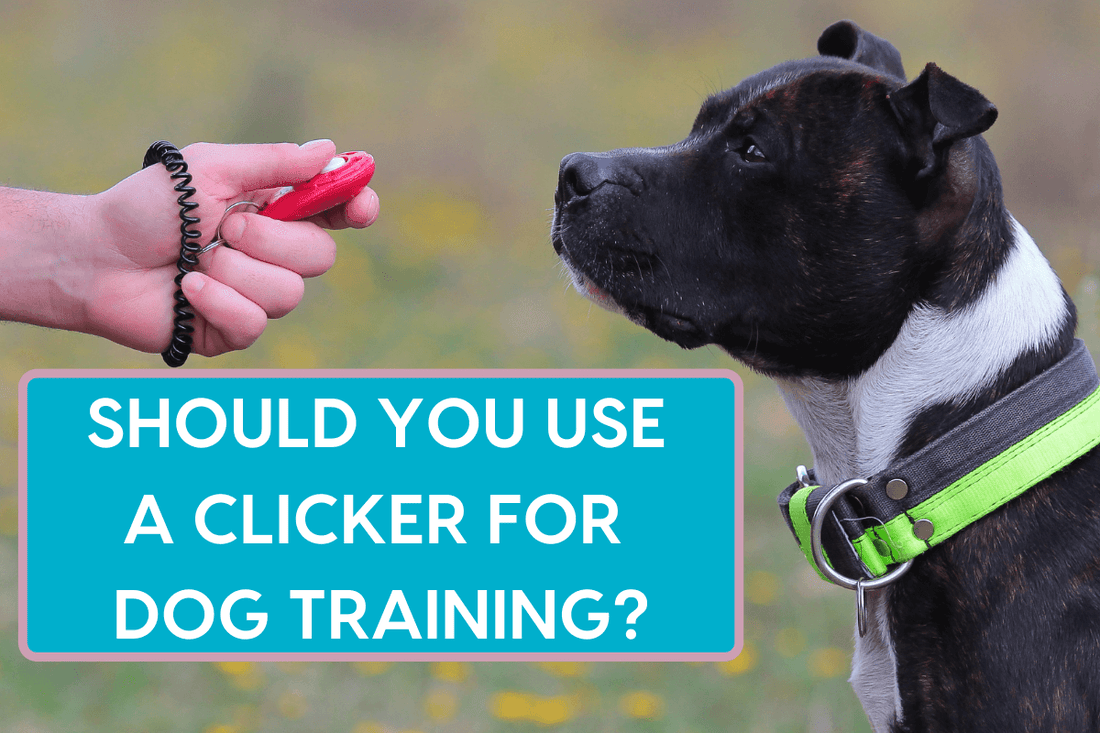
Training your dog can be a rewarding experience, and using a clicker is one of the most effective methods to achieve this. Imagine having a well-behaved dog that listens and responds to your commands with ease.
Sounds like a dream, right? With the right techniques, this dream can become your reality. In this guide, you’ll discover how to harness the power of a simple tool—a clicker—to transform your dog’s behavior. You might wonder, “Why a clicker?
” Because it taps into your dog’s natural learning instincts, making training sessions not just productive but enjoyable for both of you. Stick around to learn step-by-step how to use this method to unlock your dog’s potential and strengthen the bond between you two.

Credit: k9connoisseur.com
Benefits Of Clicker Training
Clicker training offers clear communication with dogs, making learning fun and rewarding. It reinforces positive behavior quickly and effectively. This method fosters a strong bond between pet and owner, enhancing obedience and trust.
Training your dog can be a rewarding experience, especially when using a clicker. Clicker training is a popular method that offers numerous benefits, making it a favorite among dog owners and trainers alike. This technique not only strengthens the bond between you and your dog but also promotes a positive and effective learning environment.Positive Reinforcement
Clicker training is all about positive reinforcement. When your dog performs the desired behavior, you click the device and immediately reward them with a treat or praise. This encourages your dog to repeat the behavior in the future. Imagine your dog finally learning to sit on command. The clicker marks the exact moment they succeed, ensuring they understand what they did right. This method builds confidence in your dog, as they associate training with positive experiences.Improved Communication
Using a clicker enhances the way you communicate with your dog. Unlike verbal cues, the clicker sound is distinct and consistent, making it easier for your dog to recognize and respond to. Have you ever felt frustrated when your dog seems to ignore your commands? The clicker acts as a bridge, clearly conveying your expectations. This improved communication leads to quicker learning and a more harmonious relationship between you and your dog. By embracing clicker training, you not only teach your dog new tricks but also create a joyful and understanding partnership. What’s stopping you from trying this effective training method today?Choosing The Right Clicker
Choosing the right clicker is crucial in dog training. It enhances communication between you and your dog. The clicker sound marks the exact moment your dog performs the desired behavior. This helps your dog understand what earns them a reward. Different clickers suit different needs and environments. Let’s explore the various types and factors to consider.
Types Of Clickers
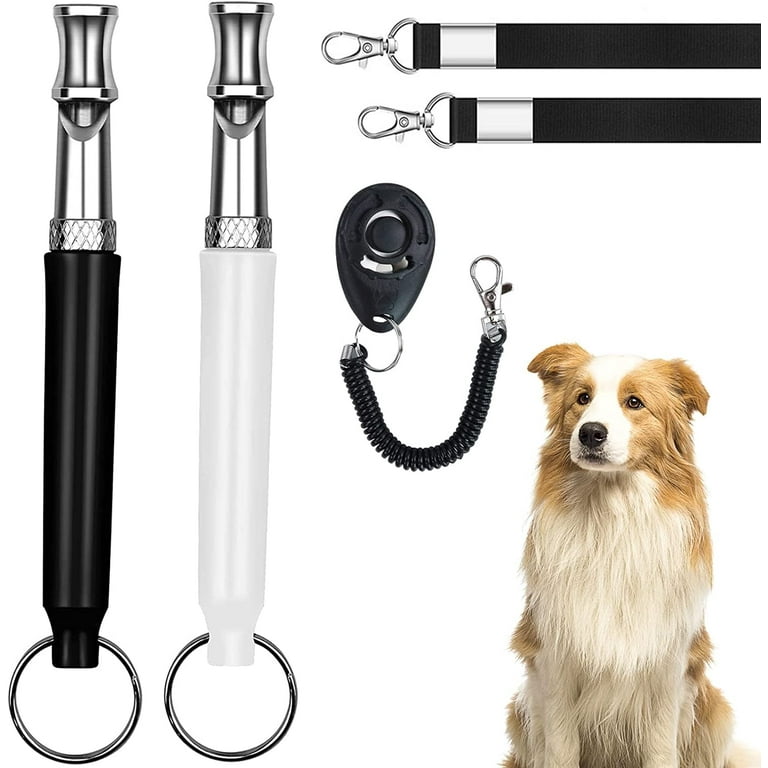
Clickers come in various shapes and sounds. Each has unique features to offer.
- Button Clickers:Easy to use with a simple button press.
- Box Clickers:Known for their louder sound, good for outdoor training.
- Whistle Clickers:Combine a click with a whistle for versatility.
Factors To Consider
Choosing the right clicker involves several considerations.
- Sound Level:Choose a sound that suits your dog’s environment.
- Ease of Use:Ensure the clicker fits comfortably in your hand.
- Durability:Select a clicker that withstands regular use.
- Cost:Find a clicker within your budget without sacrificing quality.
Setting Up For Success
Training your dog with a clicker builds clear communication. Begin by associating the click sound with rewards. Consistency in clicking and rewarding reinforces desired behaviors effectively.
Setting up for success in clicker training your dog involves more than just having a clicker and some treats. It’s about creating an environment where your dog is eager to learn and you’re able to communicate effectively. This foundation is crucial for building a strong bond and achieving the best results from your training sessions.Creating A Training Environment
Your training environment plays a pivotal role in how well your dog responds to clicker training. Choose a quiet, distraction-free area where your dog can focus solely on you. If you’re indoors, consider a room where your dog feels comfortable and safe. If you’re outside, opt for a fenced area to minimize distractions. Consider the lighting and noise levels. A well-lit, calm environment will keep your dog engaged. Keep the training area free of toys or other enticing items that may divert your dog’s attention. Your presence should be the most interesting thing in the room.Timing And Frequency
Timing is everything in clicker training. The click should occur the exact moment your dog performs the desired behavior. This immediate feedback helps your dog understand exactly what action earned the reward. Practice your clicking skills to ensure precision. How often should you train? Short, frequent sessions are more effective than long, sporadic ones. Aim for multiple five-minute sessions throughout the day. This keeps your dog interested and prevents fatigue. Always end on a positive note, leaving your dog eager for the next session. Are you ready to see your dog’s transformation through clicker training? With the right setup, timing, and commitment, you can unlock your dog’s potential and enjoy a more harmonious relationship.
Credit: www.amazon.ca
Introducing The Clicker
Introducing the Clicker Training your dog with a clicker makes learning fun and effective. The sound signals correct behavior instantly, encouraging positive actions. Consistent use helps dogs understand commands faster, making training sessions enjoyable for both you and your furry friend.
Introducing the Clicker Training your dog with a clicker can be an incredibly rewarding experience. The clicker serves as a powerful communication tool between you and your furry friend, marking desirable behavior precisely. This small device can make your training sessions more effective and engaging. It’s crucial to start by introducing the clicker properly. Your dog needs to understand that the sound of the clicker means something exciting is about to happen. Let’s dive into the steps that can make this introduction seamless and fun.Getting Your Dog Acquainted
Begin by associating the clicker sound with a treat. Hold the clicker in one hand and a treat in the other. Click, then immediately give your dog the treat. Repeat this several times until your dog starts to show excitement upon hearing the click. Consistency is key. Make sure you click and reward promptly. This helps your dog learn that the click is a positive signal. Observe your dog’s reaction; does their tail wag, or do their ears perk up? This is a sign they’re getting the hang of it. Test your dog’s response by clicking without giving a treat. If they look at you expectantly, you’ve successfully made them associate the click with a reward.Initial Training Steps
Once your dog is familiar with the clicker, it’s time to move to basic commands. Start with simple behaviors like sitting or lying down. Click the moment your dog performs the desired action, then reward them with a treat. Timing is crucial. Click at the exact moment your dog exhibits the behavior you want to reinforce. This precision helps your dog understand what they’re being rewarded for. Gradually increase the complexity of the tasks. If your dog masters sitting, you might try teaching them to stay. Patience and practice are your allies here. Does your dog respond faster to the click than verbal cues? This could be your cue to use the clicker for more advanced tricks. With consistency, your dog will soon anticipate the click, eager to perform and earn their treat. By using the clicker effectively, you can transform training into a game, making it enjoyable for both you and your dog.Basic Commands With Clicker
Training a dog with a clicker involves using sound to mark desired behavior. Press the clicker when your dog performs a command correctly, then reward them with a treat. This method helps reinforce learning and improves communication between you and your dog.
Training your dog with a clicker can be a rewarding experience for both you and your furry friend. The clicker acts as a bridge between the desired behavior and the reward, making learning clear and fun. Mastering basic commands with this tool not only strengthens your bond but also lays the foundation for more advanced training.Sit
Teaching your dog to sit with a clicker is straightforward. Hold a treat close to their nose and slowly move it upwards. As their head follows the treat, their bottom will naturally lower into a sitting position. The moment they sit, click and reward. Repeat this process several times, reinforcing the behavior with consistent clicks and treats.Stay
Begin with your dog in a sitting position. Hold your palm out in front of them, like a traffic stop signal, and say “stay.” Take a small step back. If your dog remains in place, click and reward. Gradually increase the distance and duration, always rewarding success with a click.Come
This command is crucial for your dog’s safety. Start by having your dog on a leash in a controlled environment. Say “come” and gently pull the leash towards you. As soon as they move towards you, click and reward. Practice this command regularly, gradually increasing the distance as your dog becomes more reliable. Remember, patience and consistency are key. How do you think mastering these basics can improve your daily routine with your dog?Advanced Training Techniques
Advanced training techniques with a clicker can elevate your dog’s skills. These methods go beyond basic commands, helping your dog learn more complex tasks. A clicker can enhance communication, making training efficient and fun for both of you.
Complex Commands
Teaching complex commands challenges your dog’s mind. Break tasks into small steps. Use the clicker to mark each correct action. For example, train your dog to fetch specific items. Start with one object. Click and reward when your dog touches it. Gradually add more items. Soon, your dog will understand how to fetch on command.
Introduce directional commands like “left” or “right.” Use the clicker to reinforce these directions. Consistent practice strengthens your dog’s understanding. Keep sessions short to maintain interest and focus.
Behavior Modification
Clicker training can modify unwanted behaviors. Identify the behavior you want to change. Use the clicker to reinforce positive alternatives. For instance, if your dog jumps on guests, teach a “sit” command. Click and reward when your dog sits calmly.
Consistency is key in behavior modification. Click and reward every time your dog exhibits the desired behavior. Gradually, your dog will replace unwanted actions with positive ones.
Patience is vital. Dogs learn at their own pace. Celebrate small victories. With time, your dog’s behavior will improve significantly.
Troubleshooting Common Issues
Training a dog with a clicker can face some common issues. Ensure the clicker sound is distinct and consistent. Pair the click with a treat quickly to reinforce positive behavior.
Training your dog with a clicker can be a rewarding experience, but like any learning process, you might hit a few bumps along the way. Recognizing and troubleshooting common issues can help both you and your furry friend stay on track. Let’s dive into some practical strategies to tackle the usual obstacles you might encounter during clicker training.Handling Distractions
Distractions are inevitable, especially if you live in a bustling environment or have a curious pup. Start your training sessions in a quiet area where your dog can focus solely on you. Gradually introduce distractions once they master the basics. If your dog gets distracted during a session, pause and regain their attention with a treat or a toy. Consistency is key, so try to maintain a regular training routine. Have you considered using high-value treats to keep their focus?Adjusting Techniques
Sometimes, the standard clicker training techniques may not work perfectly for every dog. Each dog has a unique personality and learning style, so be prepared to adapt. If your dog isn’t responding well, try different types of treats or change the timing of the click. Observe your dog’s reactions closely. Are they excited, indifferent, or confused? This will guide you in adjusting your approach. Don’t hesitate to seek advice from a professional trainer if needed; sometimes a small tweak can make a big difference.
Credit: visapoint.travel
Consistency And Patience
Training a dog with a clicker requires consistency and patience. Click the device at the exact moment your dog performs the desired action. Reward immediately to reinforce positive behavior.
Consistency and patience are vital in clicker training your dog. Training with a clicker helps dogs learn new behaviors effectively. Yet, it requires time and regular practice. Be patient as your dog learns at its own pace. Consistency ensures your dog understands what you expect. Patience helps them feel safe and eager to learn.Maintaining Training Routine
Set a daily schedule for clicker training sessions. Short sessions are more effective. Aim for 5-10 minutes each time. This keeps your dog focused and interested. Practice in different environments. It helps your dog adapt to various situations. Use the same commands and cues each time. This consistency strengthens their learning.Recognizing Progress
Notice small improvements in your dog’s behavior. Celebrate these little victories. Use treats and praise to reward them. Keep a training journal to track progress. It helps you see how far your dog has come. If your dog struggles, be patient and adjust your approach. Every dog learns differently.Integrating Clicker Training Into Daily Life
Integrating clicker training into daily life boosts your dog’s learning. It helps in forming consistent habits. Consistency is key in dog training. Making clicker training a routine ensures your dog understands commands better. It also strengthens your bond with your furry friend. Let’s explore how to reinforce commands and build a strong bond using clicker training.
Reinforcing Commands
Using a clicker makes command reinforcement effective. Start with simple commands like “sit” or “stay.” Click as soon as your dog follows the command. This signals they’ve done the right thing. Repeat this process daily for better understanding. Consistent reinforcement helps dogs remember commands. Keep training sessions short to maintain focus. Use treats as rewards for motivation. Gradually, reduce treats but keep clicking for positive reinforcement.
Building A Strong Bond
Clicker training strengthens the bond between you and your dog. It creates trust and understanding. Engaging in daily training sessions builds communication. Your dog learns to rely on your cues. This improves the relationship. Training together is a shared activity. It fosters mutual respect and affection. Celebrate small victories with your dog. Positive interactions boost their confidence. A strong bond makes your dog feel secure and loved.
Frequently Asked Questions
What Is Clicker Training For Dogs?
Clicker training is a popular, positive reinforcement method for training dogs. It involves using a clicker device to mark desired behaviors. When the dog performs the behavior, you click and then reward them with a treat. This helps the dog associate the click with positive outcomes, encouraging them to repeat the behavior.
How Does Clicker Training Benefit Dogs?
Clicker training helps dogs learn new behaviors quickly and effectively. It strengthens the bond between the dog and owner through positive interactions. This method encourages dogs to think, making training sessions mentally stimulating. It is a gentle approach, reducing stress and anxiety in dogs compared to traditional training methods.
Can Any Dog Be Trained With A Clicker?
Yes, any dog can be trained with a clicker, regardless of age or breed. Clicker training is versatile and can be adapted for puppies and senior dogs alike. It works well for teaching basic commands and advanced tricks. Consistency and patience are key to achieving successful results with clicker training.
How To Start Clicker Training My Dog?
To start, get a clicker and treats your dog loves. Begin by clicking and treating your dog for simple actions like sitting. Repeat this process consistently until your dog associates the click with positive reinforcement. Gradually introduce more complex commands as your dog becomes familiar with the clicker.
Conclusion
Training your dog with a clicker offers simplicity and clarity. It builds trust between you and your furry friend. Dogs learn commands faster with positive reinforcement. Consistency is key for effective training sessions. Keep the clicker handy and reward promptly.
This method strengthens the bond with your pet. Patience is crucial; each dog learns at its own pace. Celebrate small victories and progress. Enjoy the rewarding journey of clicker training. It enhances communication with your dog. Happy training sessions await you and your loyal companion.

Similar Posts