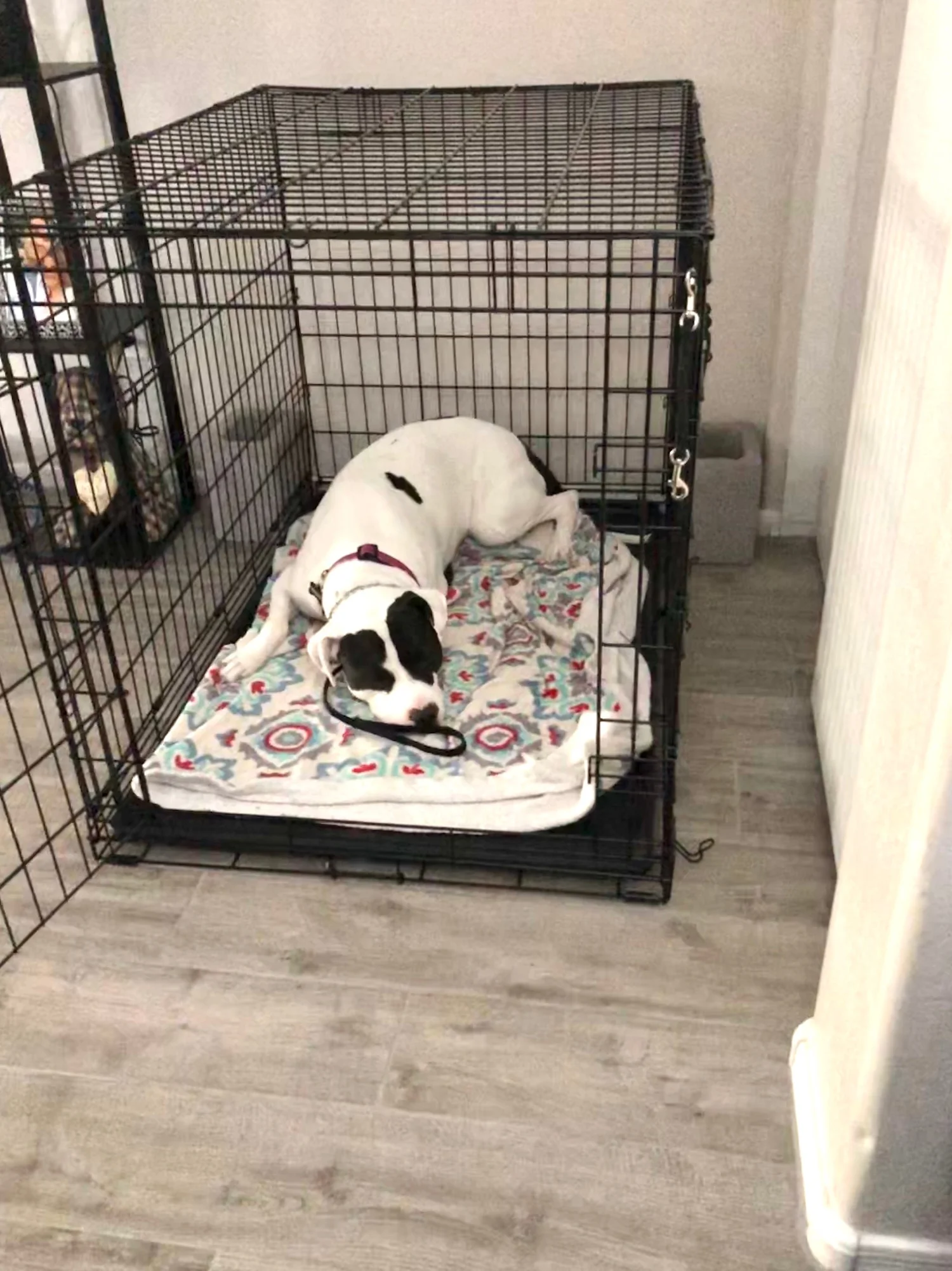
How Long Can You Crate a Dog: Essential Time Limits
Senior Canine Nutritionist & Dog Behavior Specialist at Cozy Dog Go Wellness Lab

Imagine coming home after a long day, greeted by your furry friend’s wagging tail and happy barks. But as you walk in, you see your beloved dog looking a little too restless, trapped in its crate.
You might wonder, “How long is too long to crate a dog? ” This question is crucial for any pet owner who wants to ensure their dog is both happy and healthy. You want the best for your pet, and understanding the right balance of crate time is a significant part of that care.
Crating can be a beneficial tool for training and safety, but it also requires a careful approach. We’ll explore how to use a crate effectively without compromising your dog’s wellbeing. By understanding the do’s and don’ts of crating, you’ll make informed decisions that keep your furry friend content and secure. Keep reading to discover the ideal crating times that align with your dog’s needs and lifestyle.

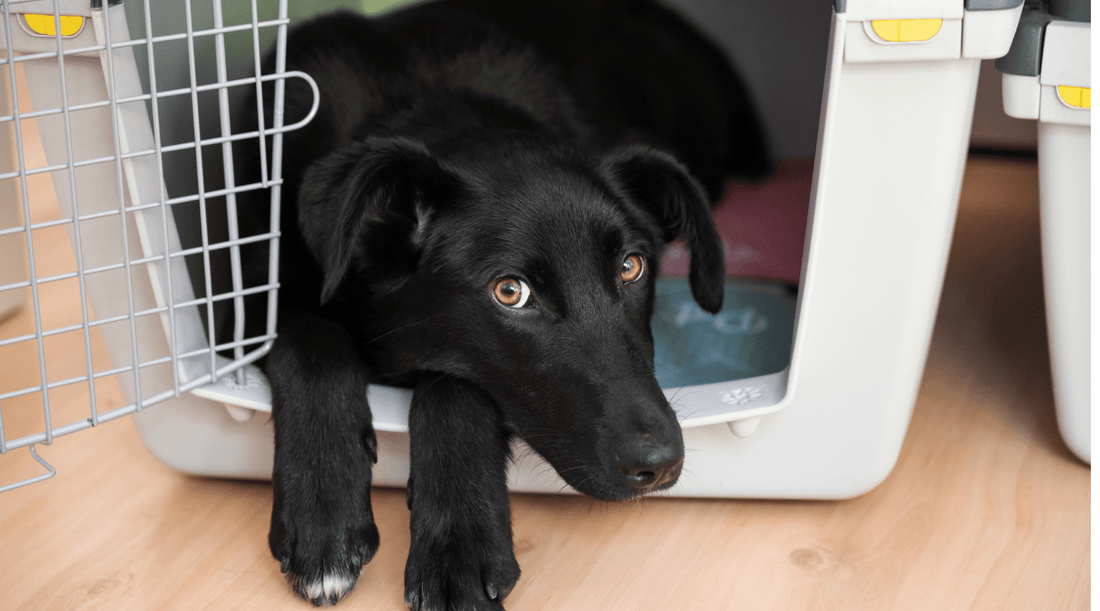
Credit: www.petperspective.com.au
Understanding Dog Crating
Understanding dog crating is essential for any pet owner looking to create a safe and comfortable environment for their furry friend. Crating isn’t just about containing your dog; it’s about providing them with a secure space they can call their own. When done correctly, crating can be a beneficial tool for both you and your dog.
Purpose Of Crating
The primary purpose of crating is to offer a safe haven for your dog. Dogs naturally seek small, enclosed spaces where they feel secure, like their ancestors in dens. Crating can fulfill this instinct, helping your dog relax and feel protected.
Crating also aids in potty training. Dogs typically avoid soiling their resting area, so a crate can help teach your puppy when and where it’s appropriate to relieve themselves. Additionally, crating prevents destructive behavior when you’re not around to supervise.
Benefits Of Crating
There are numerous benefits to crating your dog, both for their well-being and your peace of mind. A crate can reduce anxiety, especially during stressful situations like thunderstorms or fireworks. It provides a retreat where your dog can feel calm and secure.
When traveling, a crate can be invaluable. It ensures your dog’s safety in the car and offers a familiar place in unfamiliar environments. Furthermore, crating can prevent injuries when your dog is home alone, keeping them safe from household hazards.
Think about this: How would you feel if you had a cozy nook to retreat to when the world gets too overwhelming? Your dog feels the same way about their crate. It’s not just a cage; it’s their sanctuary.
Factors Affecting Crating Duration
Crating duration depends on a dog’s age, temperament, and training. Puppies need shorter periods due to their energy and bathroom needs. Adult dogs may handle longer crating times if well-trained.
Crate training is a valuable tool for dog owners. It helps dogs feel secure and safe. Knowing how long to crate a dog is important. Several factors influence this duration.Age Considerations
Puppies have different needs compared to adult dogs. They need frequent potty breaks. Their small bladders can’t hold for long. Puppies should spend short periods in crates. For adult dogs, longer crating is possible. They can hold their bladder for several hours.Breed Specific Needs
Some breeds require more freedom. High-energy breeds need more exercise. Crating them for long can cause stress. Breeds like Greyhounds prefer short crating times. Smaller breeds may adapt to longer durations. It’s essential to know your dog’s breed traits.Health And Temperament
Health plays a role in crating duration. Dogs with health issues need special care. Some may need frequent breaks. Temperament also affects crating. Calm dogs may relax longer in crates. Anxious dogs may need shorter periods. Assess your dog’s health and behavior.Recommended Time Limits
Crate training requires careful time management. Puppies should be crated for no more than 3-4 hours at a stretch. Adult dogs can manage up to 8 hours, but breaks are essential.
Understanding the recommended time limits for crating your dog is crucial for their well-being and happiness. How long should you actually leave your furry friend in a crate? The answer varies depending on the dog’s age and needs. Let’s break it down into different life stages to help you make informed decisions.Puppies
Puppies have boundless energy and curiosity. They need more frequent breaks from the crate due to their small bladders. Generally, puppies under six months shouldn’t be crated for more than 3-4 hours at a time. Consider this: after a few hours, your puppy might be bursting with pent-up energy. Are you ready for the whirlwind once you open the crate door? Frequent potty breaks and playtime will keep them happy and healthy.Adult Dogs
Most adult dogs can comfortably handle longer stretches in the crate. Typically, 6-8 hours is a reasonable limit for them. However, every dog is different, so it’s essential to observe their behavior. Have you noticed your dog becoming restless or anxious after a certain period? It might be time to adjust the schedule or provide more stimulation outside the crate. Remember, a bored dog might become a destructive dog.Senior Dogs
Senior dogs may have special needs that require adjustments in crating time. While they might handle longer periods like adults, their health issues or decreased activity levels might demand more frequent breaks. It’s crucial to monitor any changes in behavior or comfort. Is your senior dog showing signs of discomfort or health issues when confined? If so, consider shorter periods in the crate and more gentle exercise.Signs Of Over Crating
Understanding how long you can crate a dog is crucial. Over crating can lead to various issues. It’s essential to recognize the signs of over crating to ensure your dog’s well-being. Dogs need freedom and movement. Extended crate time can affect their behavior and health. Watch for these signs to prevent over crating.
Behavioral Indicators
Dogs may show anxiety if crated too long. They might bark excessively or whine persistently. Destructive behavior, like chewing or scratching, can also occur. Some dogs may become withdrawn or show signs of depression. Aggression is another potential indicator. A sudden change in behavior often signals distress.
Physical Health Issues
Over crating can lead to physical health problems. Dogs might experience joint stiffness due to limited movement. Muscle weakness is another concern. Extended periods in a crate can cause weight gain. Some dogs develop urinary tract infections. This results from holding their bladder too long. Skin sores or pressure ulcers can also develop from lying down too much.
Alternatives To Crating
Crating a dog can be a useful tool for training and safety, but it’s not the only option. Whether you’re concerned about the time your dog spends in a crate or simply want to explore other solutions, there are alternatives that can offer the freedom and comfort your pet deserves. Let’s dive into some practical ways you can create a safe and engaging environment without relying solely on a crate.
Dog-proofing Your Home
Dog-proofing your home is a great way to give your pet more freedom while ensuring safety. Start by removing items that are dangerous or tempting for curious paws. Cables, small objects, and toxic plants should be out of reach.
Consider securing cabinets with child locks to prevent your dog from accessing harmful substances. It’s also wise to invest in baby gates to section off areas that may not be safe for your dog.
Remember, a little preparation goes a long way in making your home a pet-friendly haven. By doing this, you can let your dog roam freely without constant worry.
Using Playpens
Playpens offer a flexible alternative to crating, providing a safe space for your dog to play and relax. These portable enclosures are particularly useful for puppies or small dogs that need a secure environment.
Unlike crates, playpens allow more room for movement and interaction with toys. You can set them up indoors or outdoors, giving your pet a change of scenery and a taste of adventure.
Think about using a playpen during times when you need to focus on work or other tasks. It keeps your dog occupied and safe, while giving you peace of mind. How do you balance supervision and freedom for your furry friend?

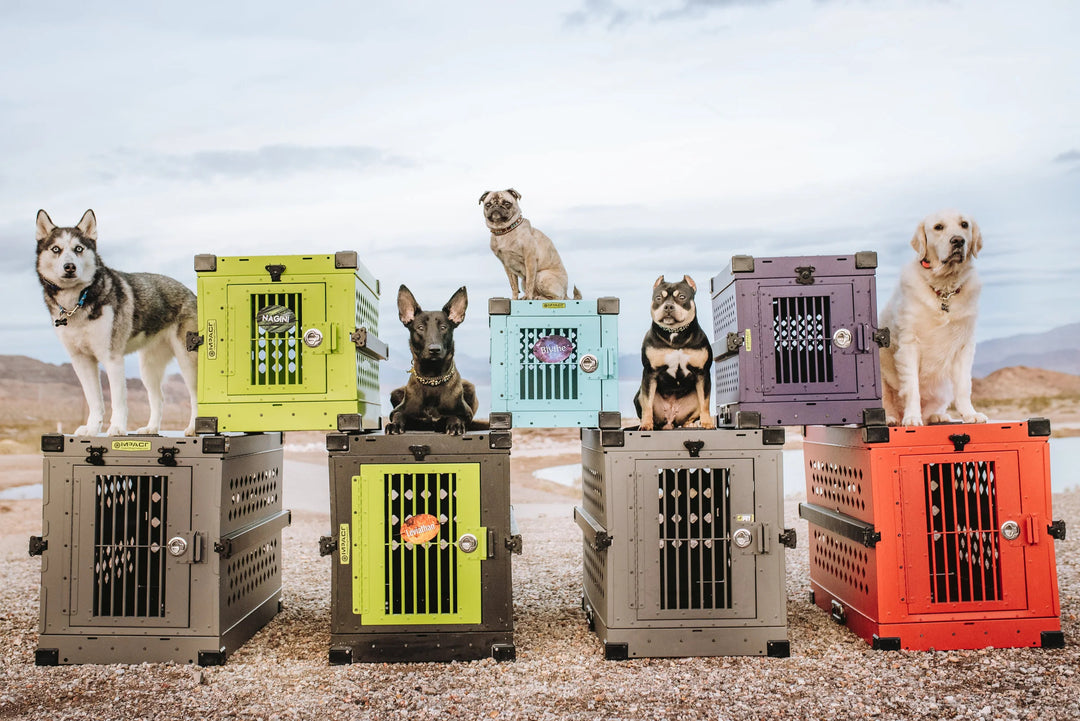
Credit: k9connoisseur.com
Tips For Safe Crating
Crating a dog can be beneficial for training and safety. But it’s important to make the experience safe and comfortable for your furry friend. Here are some essential tips to ensure safe crating.
Creating A Comfortable Environment
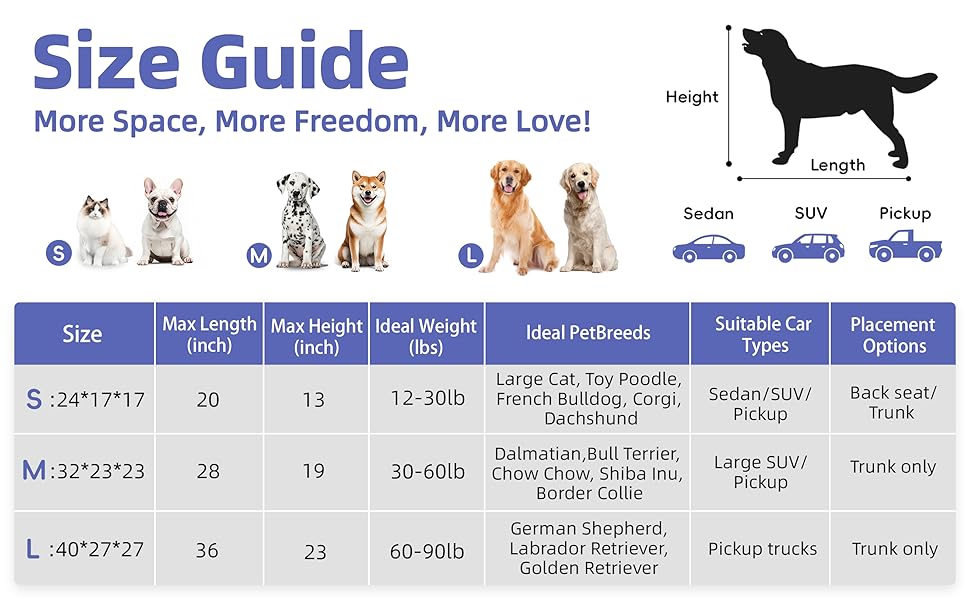
Your dog’s crate should feel like a cozy den. Choose the right size so your dog can stand, turn, and lie down comfortably. Add a soft bed or blanket to make it cozy. Some toys can keep your dog entertained and reduce anxiety. Ensure the crate is well-ventilated and placed in a quiet spot.
Ensuring Adequate Breaks
Dogs need regular breaks from the crate. Ensure they have time for bathroom breaks, exercise, and social interaction. Puppies need more frequent breaks than adult dogs. Plan a schedule that includes playtime and walks. Regular breaks prevent boredom and discomfort.

Credit: www.care.com
Frequently Asked Questions
How Long Is It Safe To Crate A Dog?
Crating a dog for 6-8 hours is generally safe for adults. Puppies need breaks every 3-4 hours. Ensure your dog has water and comfort. Long periods can lead to anxiety or health issues. Always observe your dog’s behavior for signs of distress when crated.
Can I Crate My Dog Overnight?
Yes, crating overnight is fine for most dogs. Make sure your dog is comfortable and has space. Puppies may need nighttime potty breaks. Gradually increase crating time to help them adapt. Ensure the crate is cozy and secure for restful sleep.
Is Crating A Dog During Work Okay?
Crating during work is acceptable if done responsibly. Ensure your dog has toys and water. Puppies need more frequent breaks. Consider a dog walker or pet sitter for longer workdays. Monitor for stress signs like excessive barking or chewing.
How Does Crating Affect A Dog’s Behavior?
Crating can positively affect behavior if done properly. It can provide security and reduce anxiety. Over-crating may lead to negative behaviors like aggression or depression. Balance crate time with exercise and interaction. Observe your dog’s behavior to ensure they’re coping well.
Conclusion
Balancing crate time is essential for your dog’s well-being. Too much time can cause stress and loneliness. Dogs need exercise, love, and social interaction. Observe your pet’s behavior closely. Adjust crate time based on their needs. Puppies usually need frequent breaks.
Adult dogs can manage longer periods but still need attention. Always ensure your dog feels safe and comfortable. Crate training builds trust when done correctly. Remember, every dog is different. Tailor crate time to suit your dog’s personality. Prioritize their happiness and health.
A happy dog equals a happy home.

Similar Posts